The company named Florence, Ferrara, and Fidenza in its launch release, extended its annual CPU, GPU, networking, and rack cadence out to 2030.
An FPGA and embedded systems expert has recreated the US Navy’s F-14 Tomcat’s Central Air Data Computer (CADC) in an FPGA. It is demonstrated in a scale 3D printed model aircraft

Intel posts 25% higher year-over-year sales and above-the-guidance earnings, and confirms that its 14A technology is on-track to start high volume ramp in 2028.
A fresh leak suggests AMD is preparing an 8-core, 16-thread Zen 5 mobile processor with 96MB of L3 cache, potentially bringing the desktop Ryzen 7 9800X3D experience to gaming laptops.
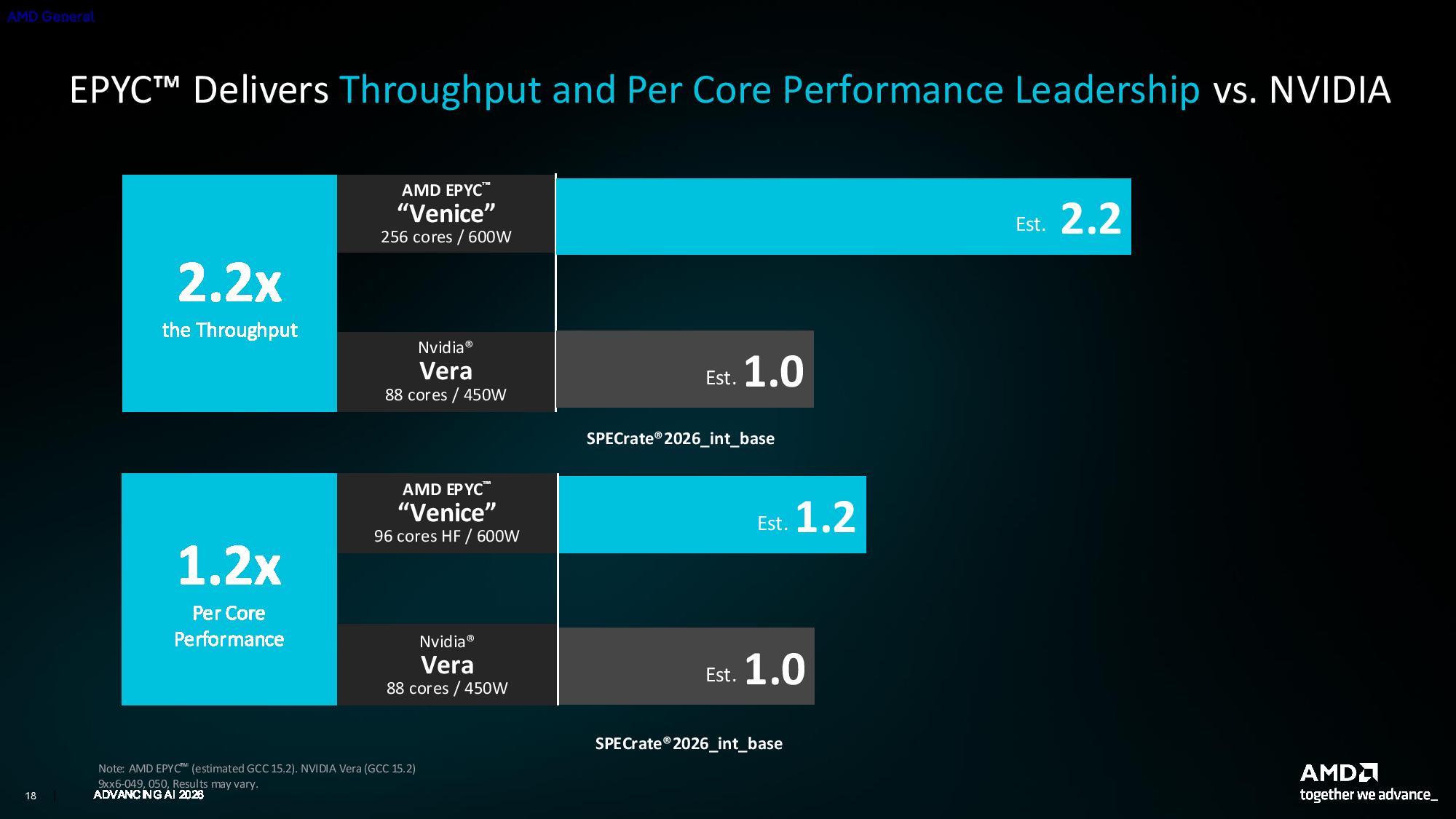
Nvidia took the first stab with its Vera results earlier this week, and now AMD is biting back with SPEC results for its Zen 6 ‘Venice’ CPUs, as well.
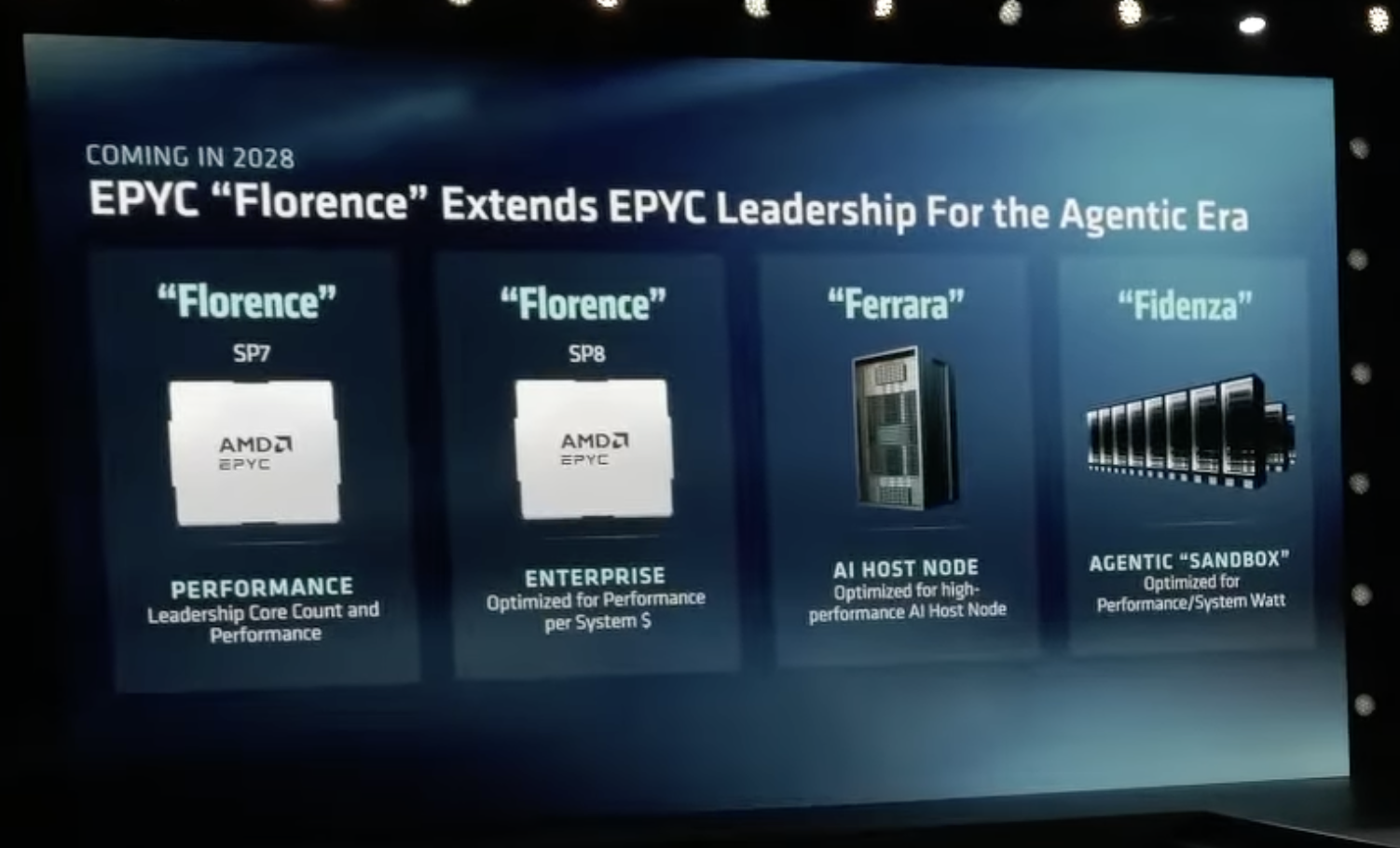
AMD’s Lisa Su shows off the company’s roadmap through 2030, including teases of Zen 7 and Zen 8 CPUs.
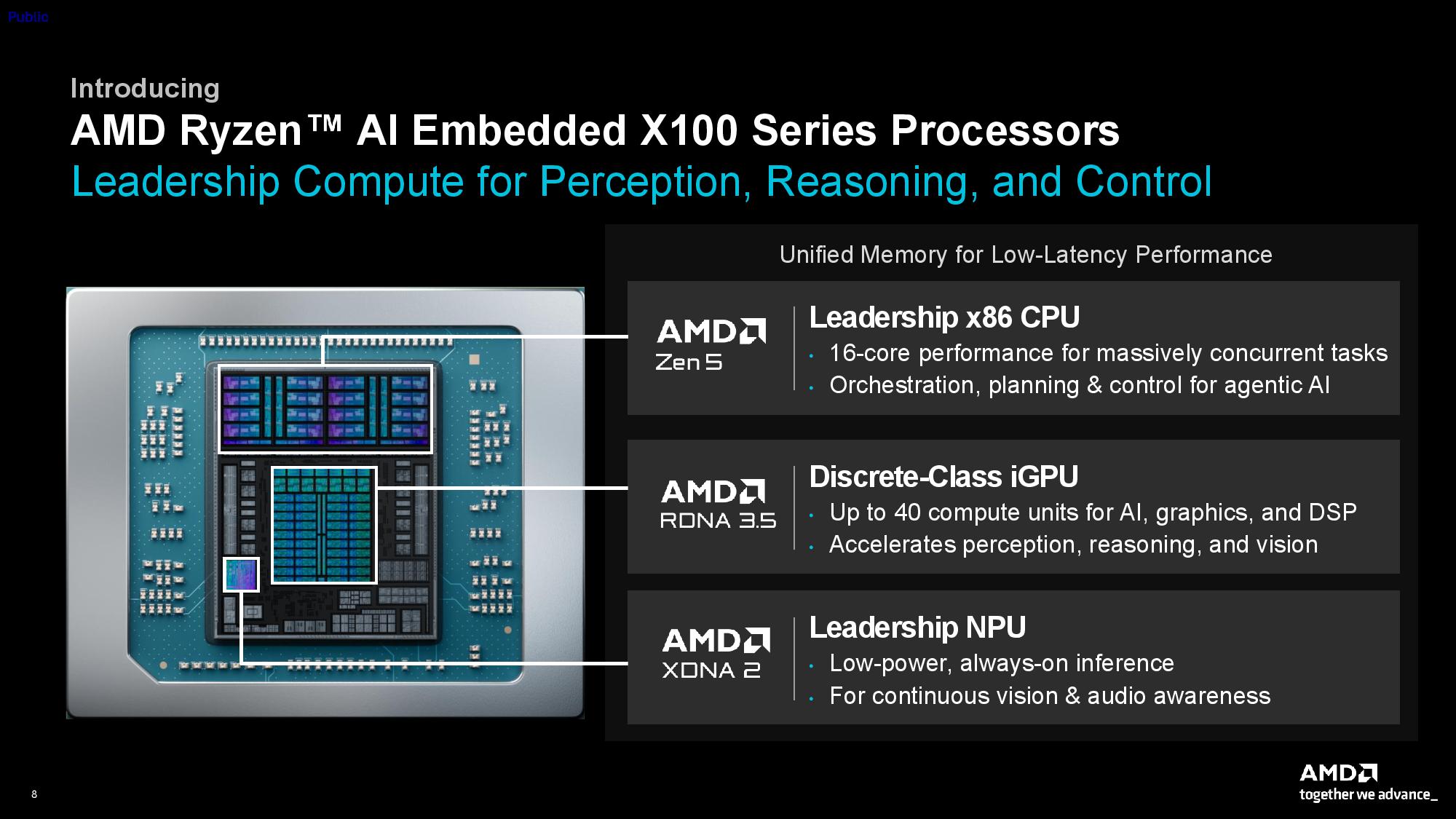
Countering Intel’s recent moves, AMD is bringing its Strix Halo APUs to the realm of robots, and physical AI. Designed for 24/7 operation and a 10-year embedded lifecycle, X100 will also be offered as a Kria System on Module (SOM) robot developer platform.
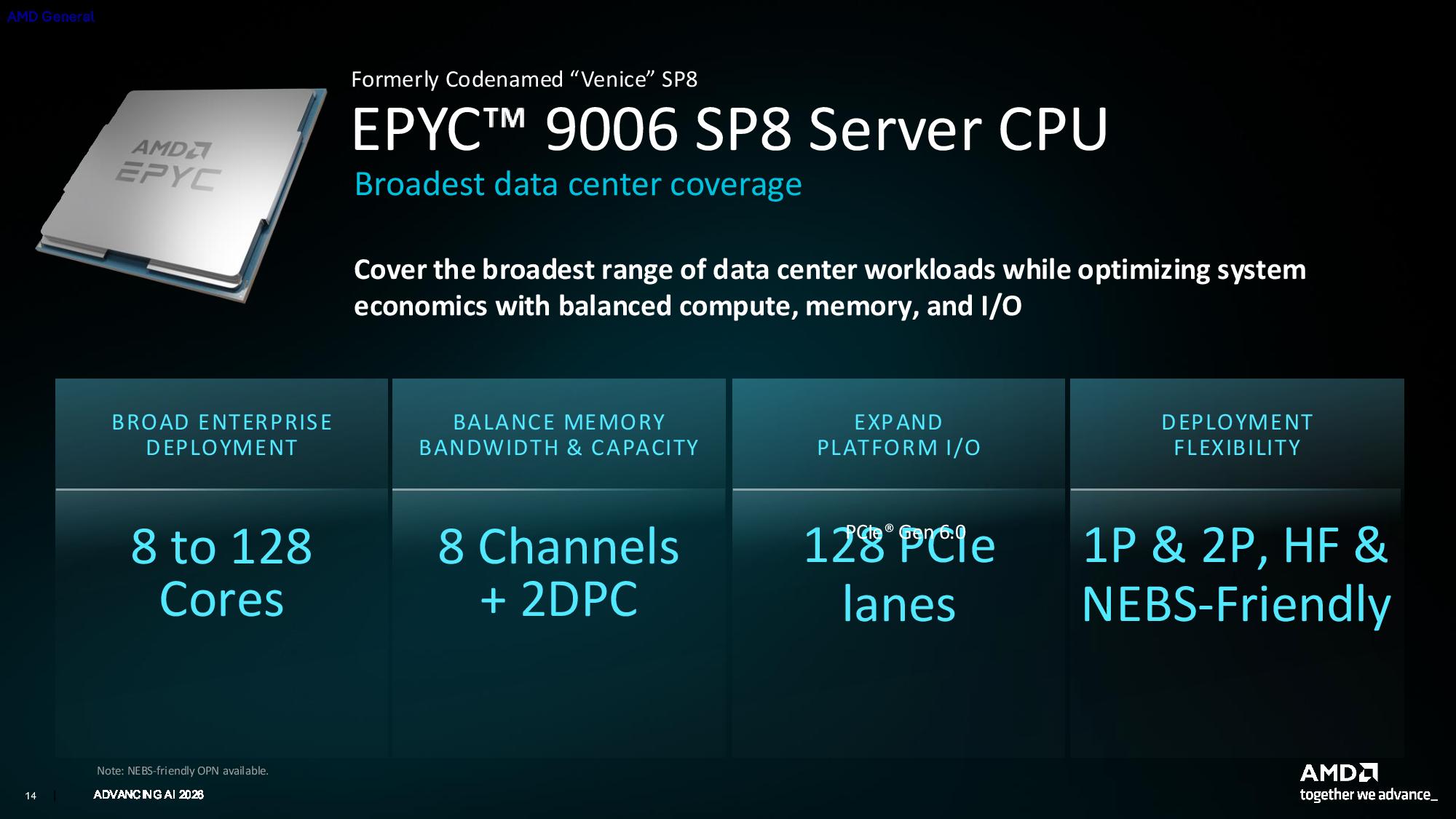
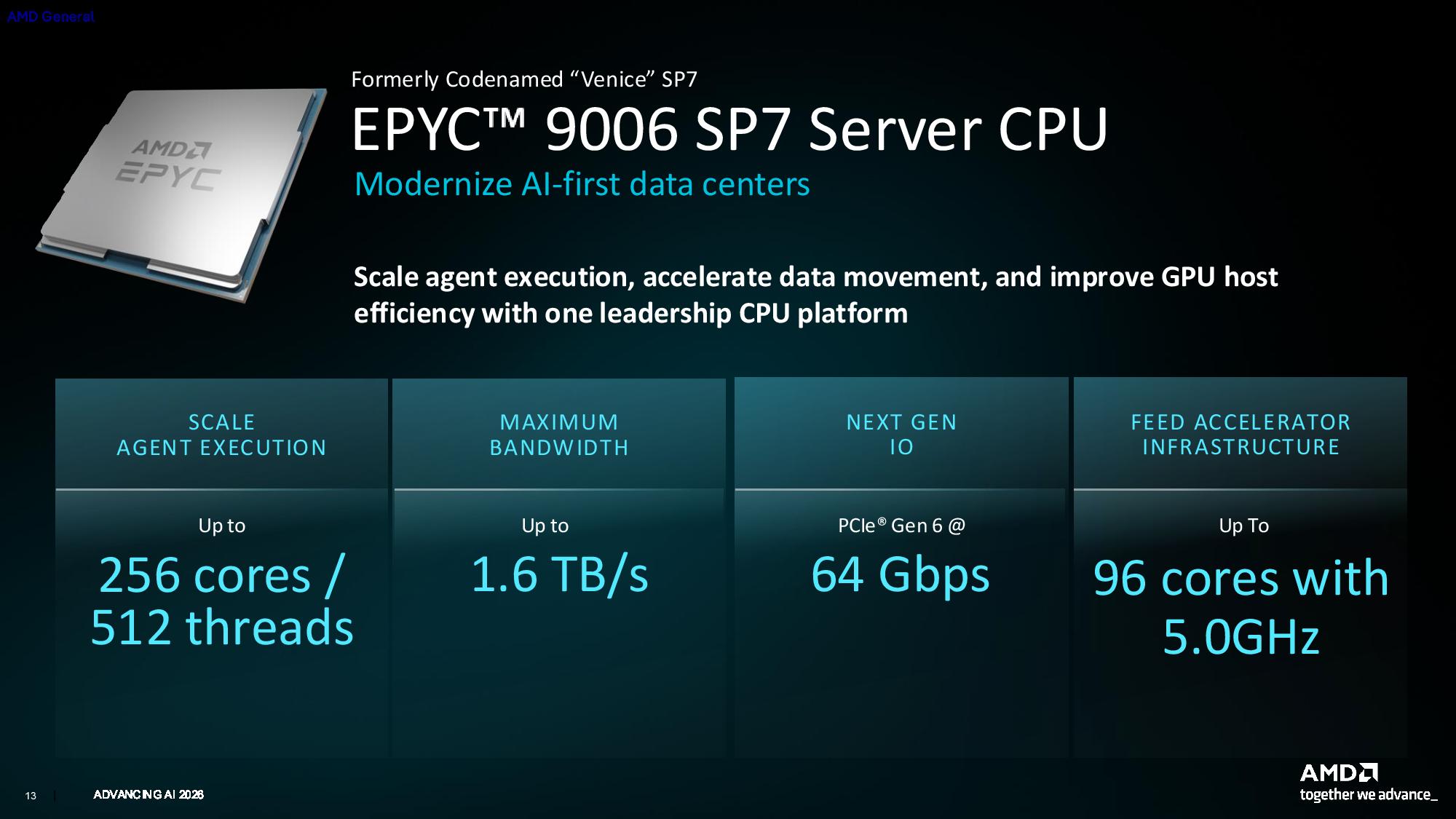
After over a year of teases, AMD has finally provided details on its 256-core Venice CPU with the Zen 6 architecture, now known as the Epyc 9996.
AMD is returning to 3D V-Cache in its data center range of CPUs with Venice-X, which it has confirmed will launch in the second half of 2027, with 1152 MB of L3 and clock speeds up to 5.15 GHz.
Some customers have discussed commitments running two years or longer, one source told Reuters.