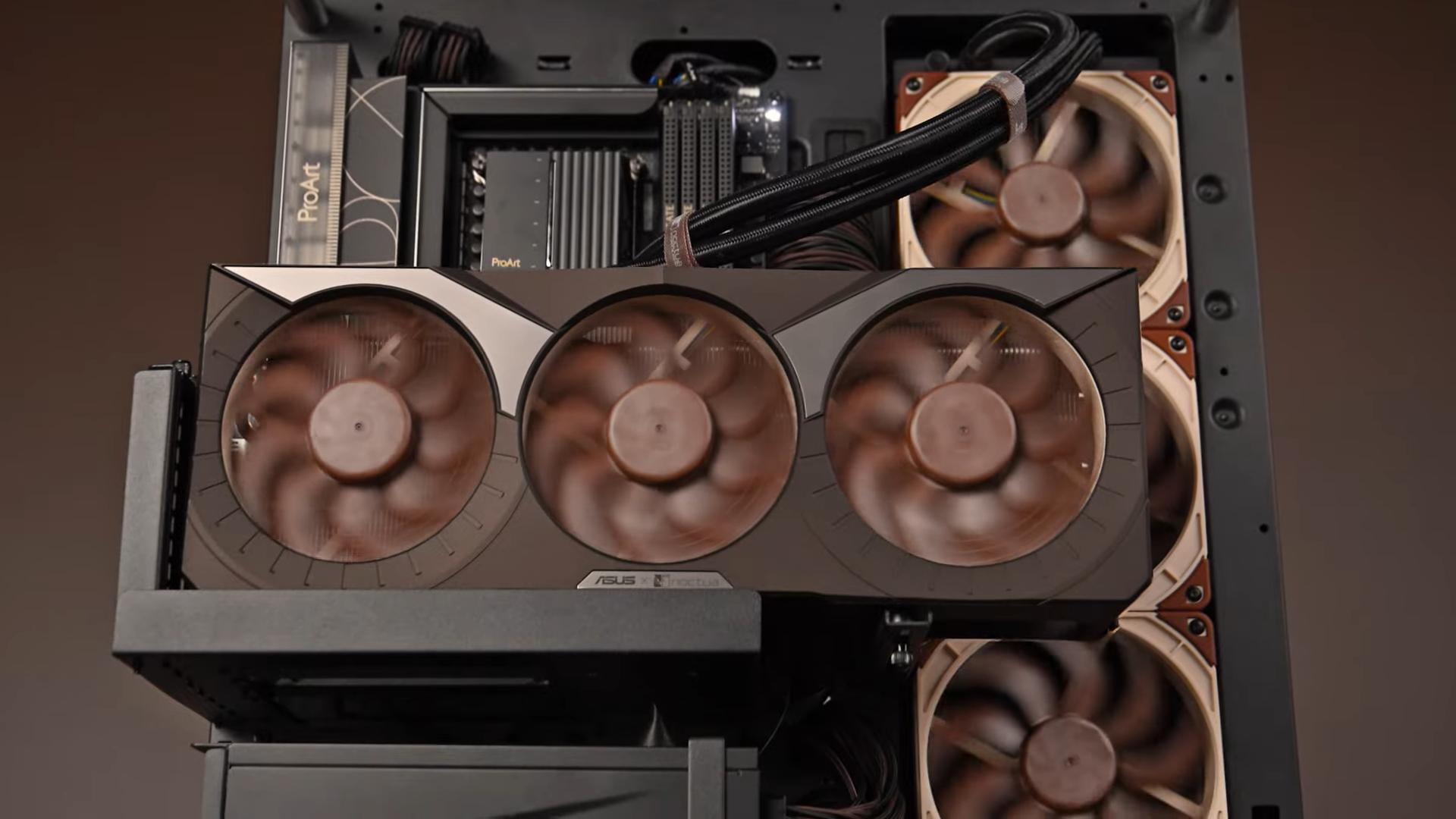
DLSS 5 now runs on Ampere GPUs thanks to a patched DLL, but performance is expectedly poor for the most part. You can get up to 30-40 FPS in edge cases with minimum in-game settings, but newer titles can tank FPS to single digits.
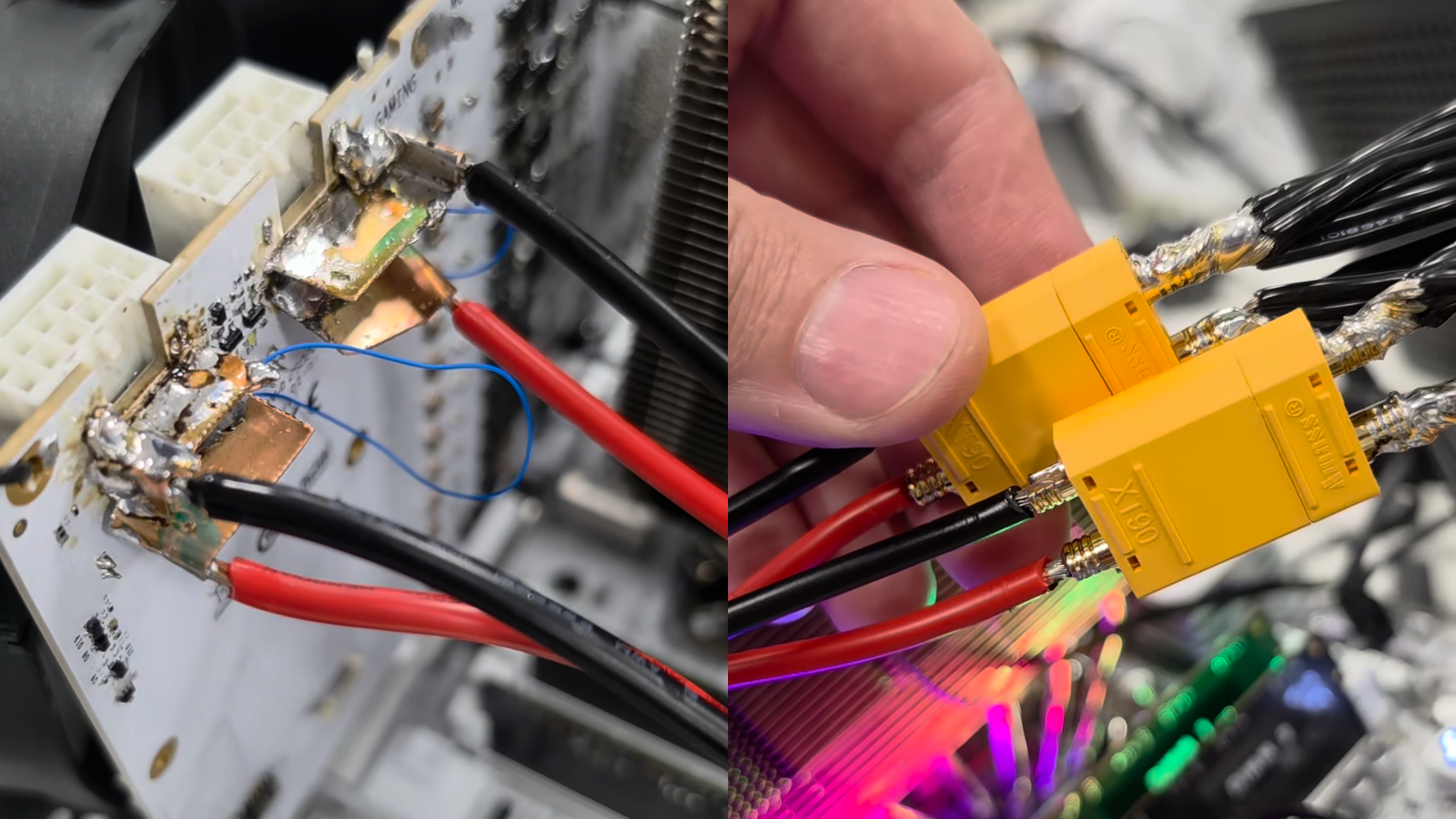
TecLab, a Brazilian YouTuber, has just shown the most dangerous method of bypassing the 16-pin connector on an RTX 5090 — by soldering wires directly to the card’s PCB. In an attempt to save the GPU from melting, they’ve created perhaps an even bigger fire hazard.
One modder has reverse-engineered DLSS 5 to function on RTX 4000 series Ada Lovelace-based GPUs, porting incompatible CUDA instructions within the Neural Rendering DLL, enabling them to be read on previous-gen hardware.
DLSS 5 has apparently leaked, originating from inside a new game.
The RTX 3060 12GB was revived to offer consumers a budget GPU with a relatively large VRAM pool, but it has succumbed to the same fate as every other SKU like it. Launched at around $330, most variants now cost close to $500.

At Hot Chips 2026, Intel detailed more about its Crescent Island AI accelerator, which uses the Xe3P architecture. The accelerator will use liquid-cooled chips and HBM4 memory to serve inference workloads in data centers.
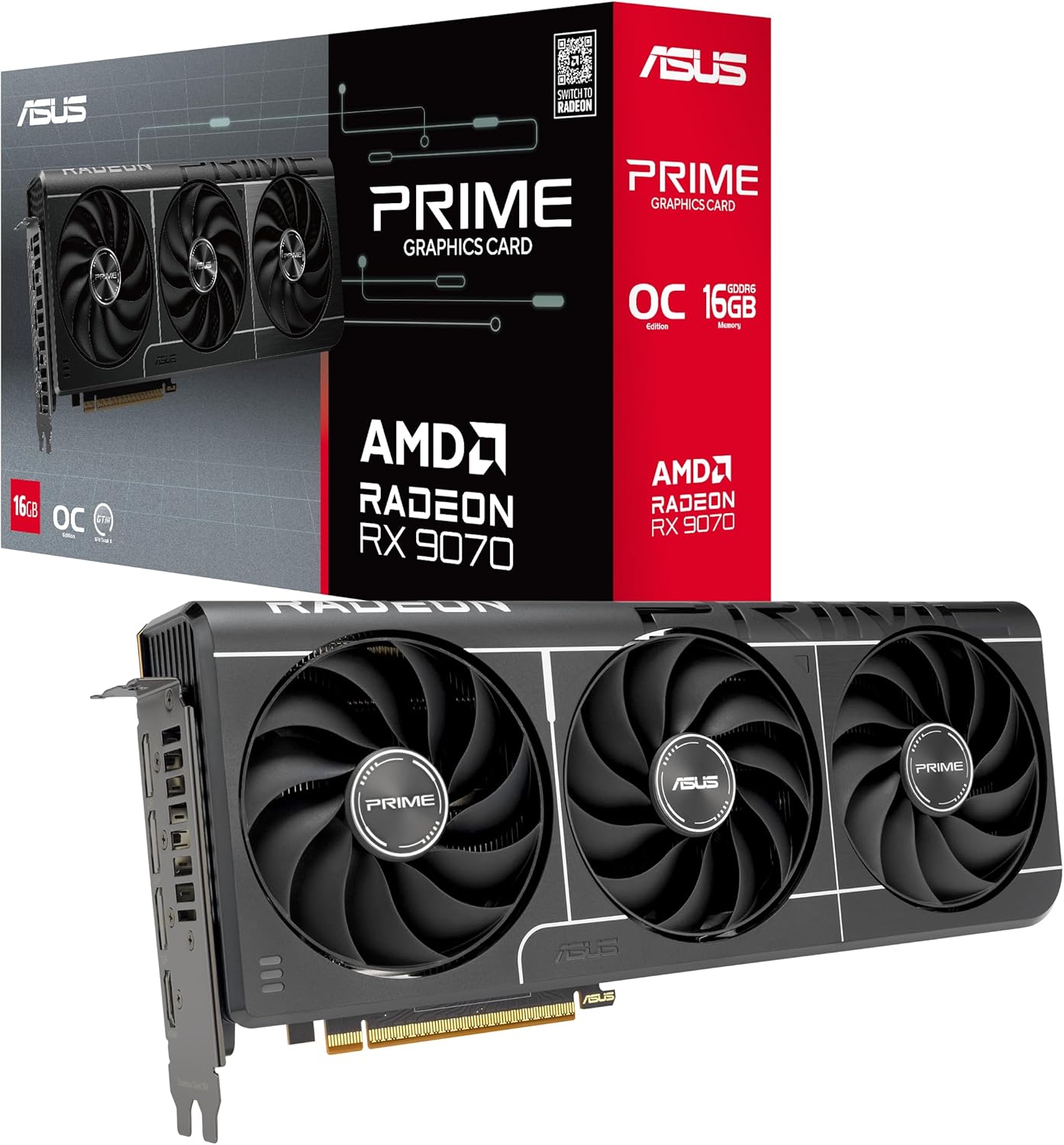
The Asus Prime Radeon RX 9070 OC is available for just $629.99 on Amazon, delivering strong 1440p performance, 16GB of VRAM, a 2,610MHz boost clock, and a triple-fan cooling system at a $120 discount.
Walmart’s clearance aisle delivers another remarkable GPU bargain, with a shopper finding a PNY RTX 5080 for nearly half its current retail price.
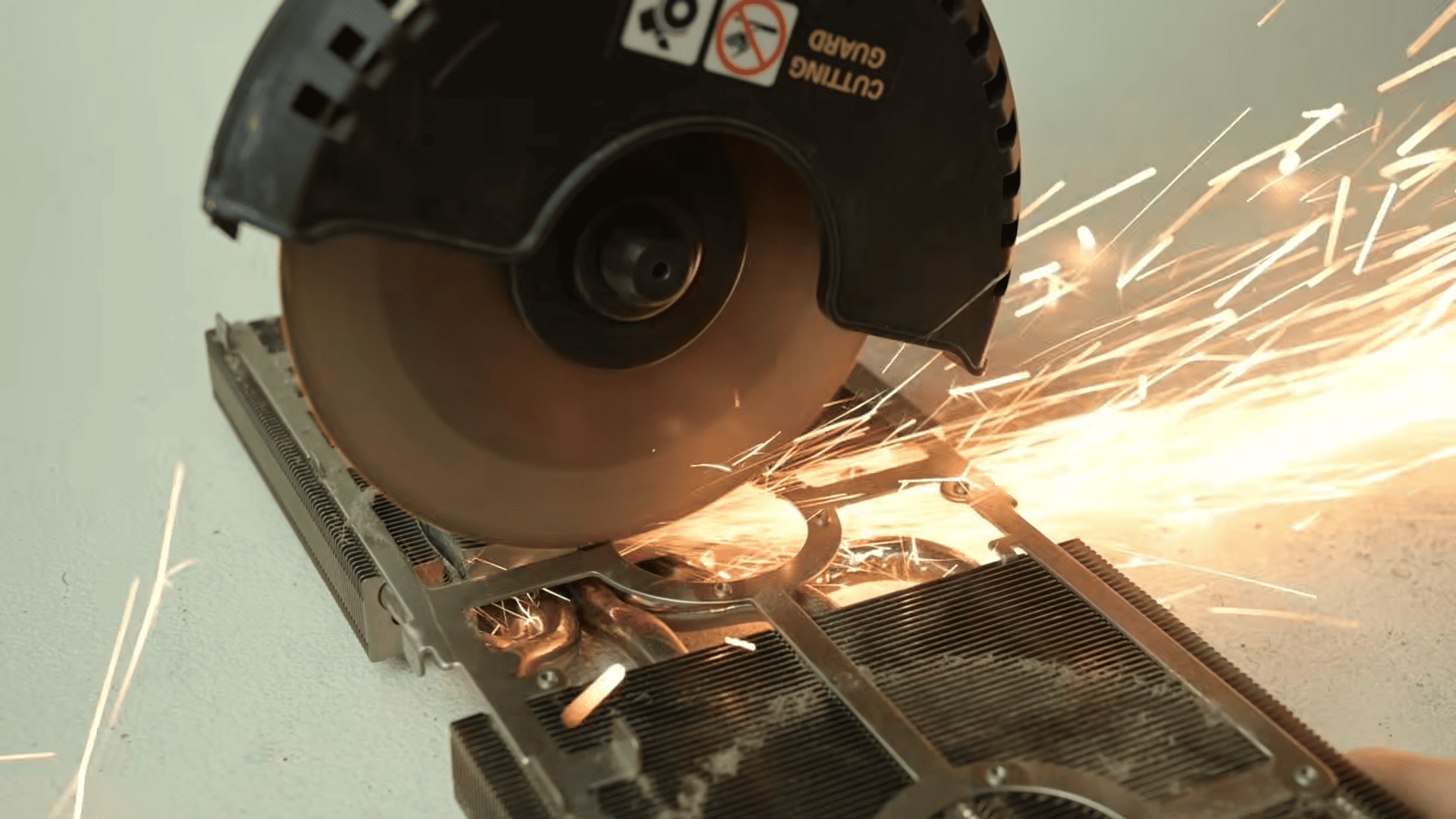
What if you could have twice the CPU cooler in your computer? If that’s a question that piques your interest, then TrashBench has answered your curiosity in droves with an experiment that ended up working incredibly well.
A Gigabyte RTX 3070 owner discovered protective films covering its VRM thermal pads, after nearly five years of use potentially causing excessive temperatures and frequent black screens.