Overclocking utility mVolt+ seems to have been blocked by the latest Nvidia driver update, hard crashing the moment you try to adjust the core power limit. However, it seems like a driver conflict more than a deliberate blacklist since another app, Hydra 2.3B Pro, is working just fine.
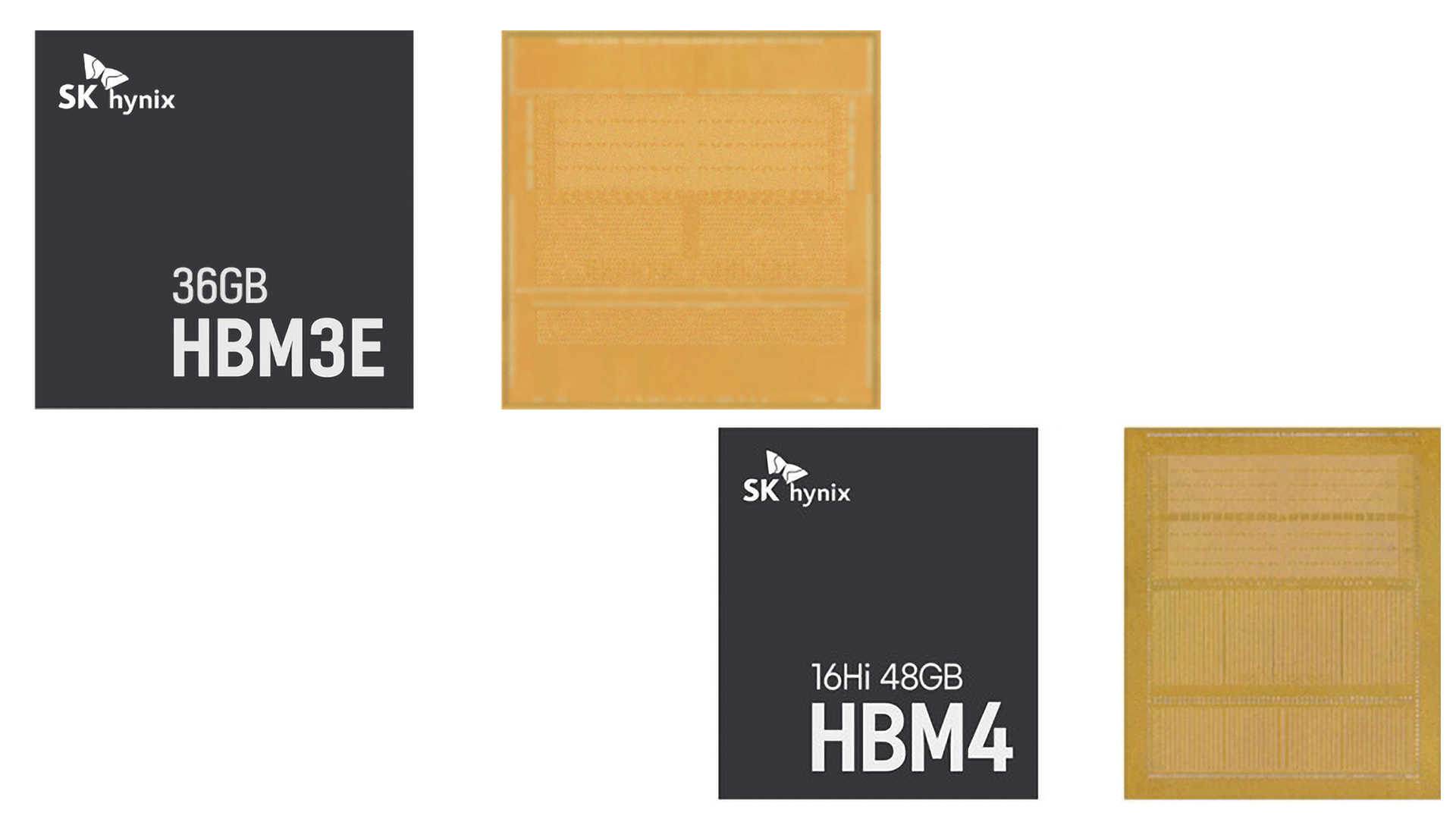
CXMT claims to be the first to mass-produce LPDDR6 memory. Yet, for a niche phone.
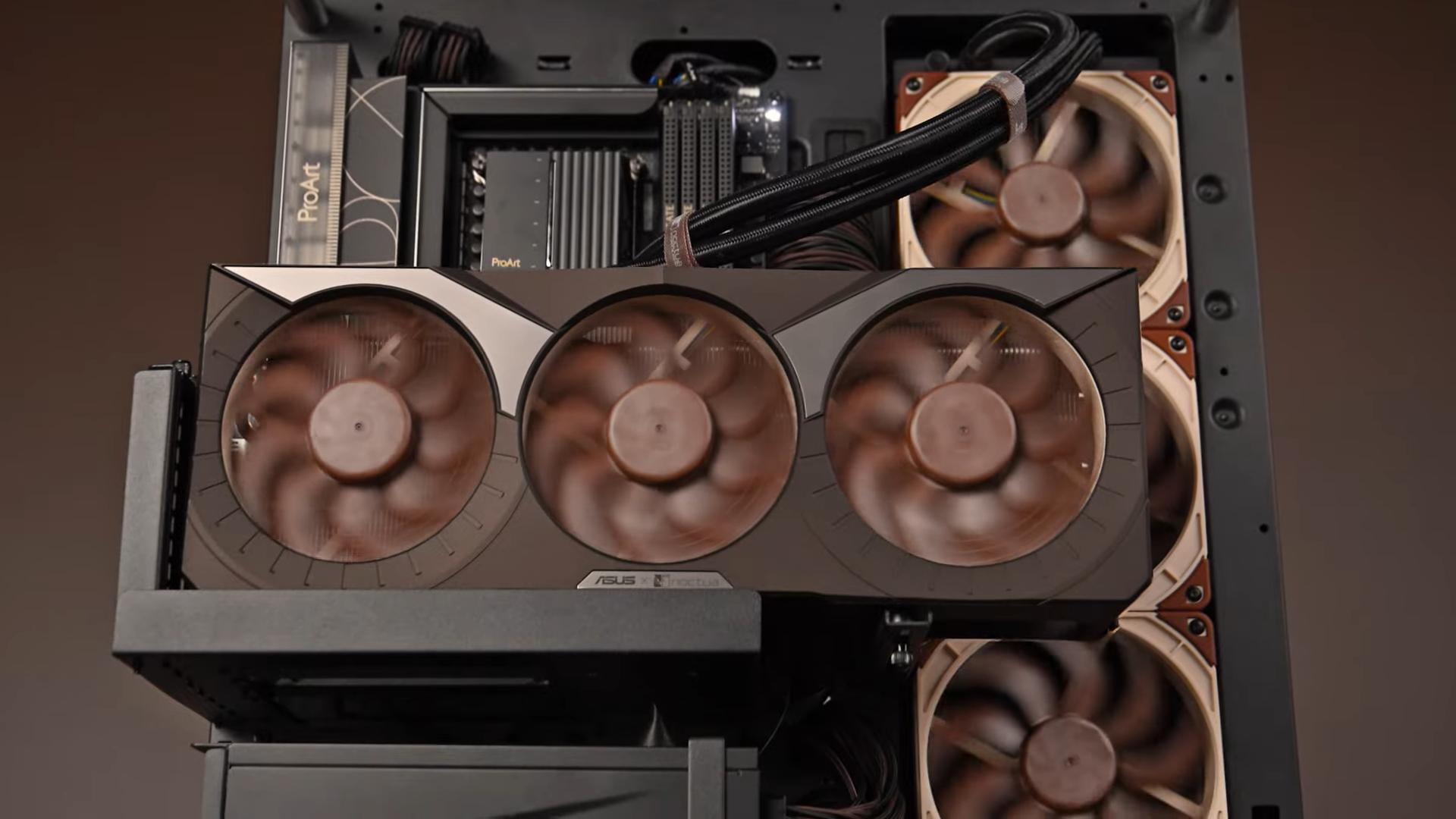
DLSS 5 now runs on Ampere GPUs thanks to a patched DLL, but performance is expectedly poor for the most part. You can get up to 30-40 FPS in edge cases with minimum in-game settings, but newer titles can tank FPS to single digits.
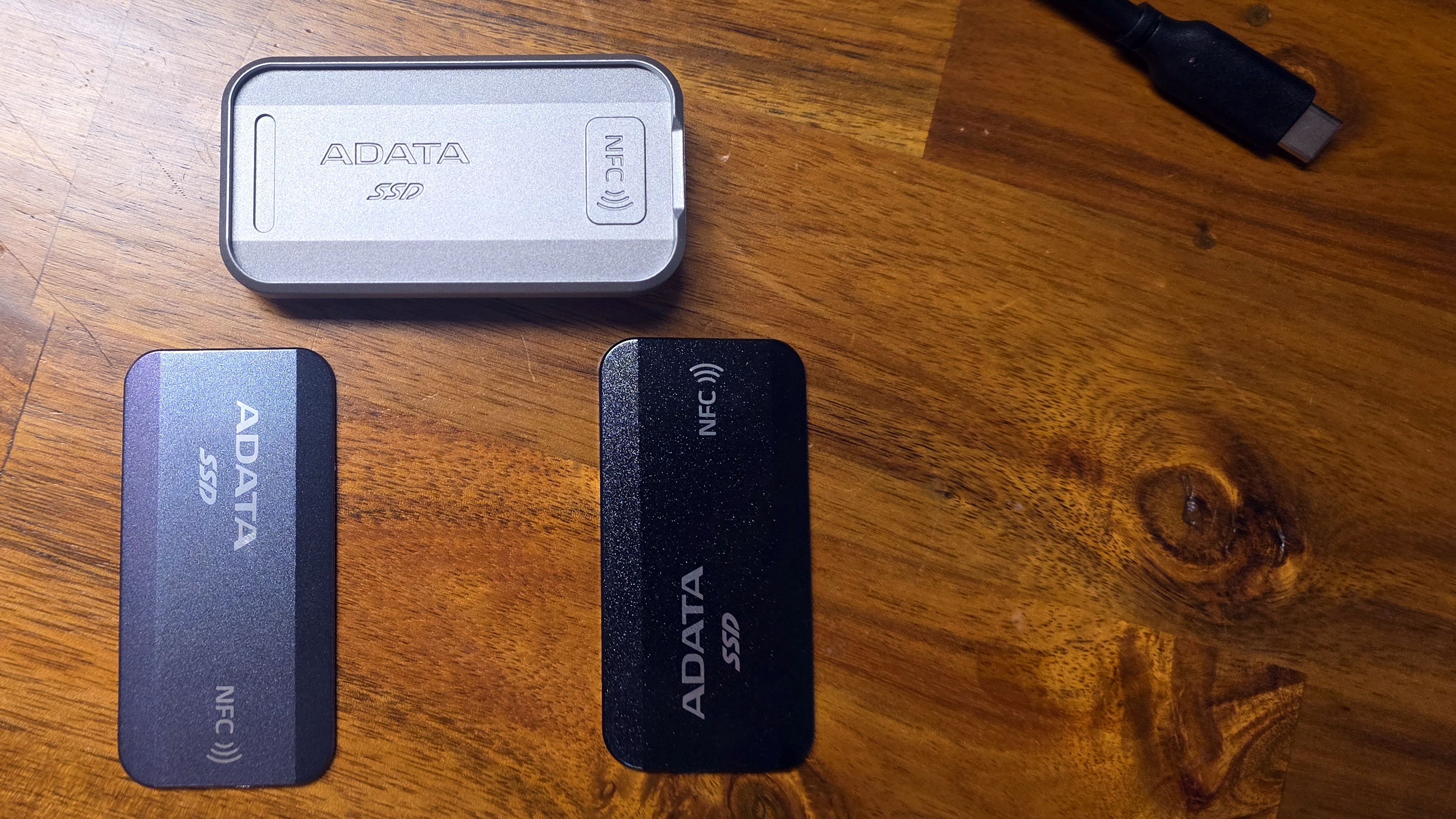
Adata’s Urban Tapsafe portable SSD sports magnetic face plates, a metal mounting clip, the ability to unlock the drive with your phone, and share selective access with others via an app.
Chinese DRAM maker CXMT wants the US Department of Defense to remove it from the list of companies linked to the Chinese military.
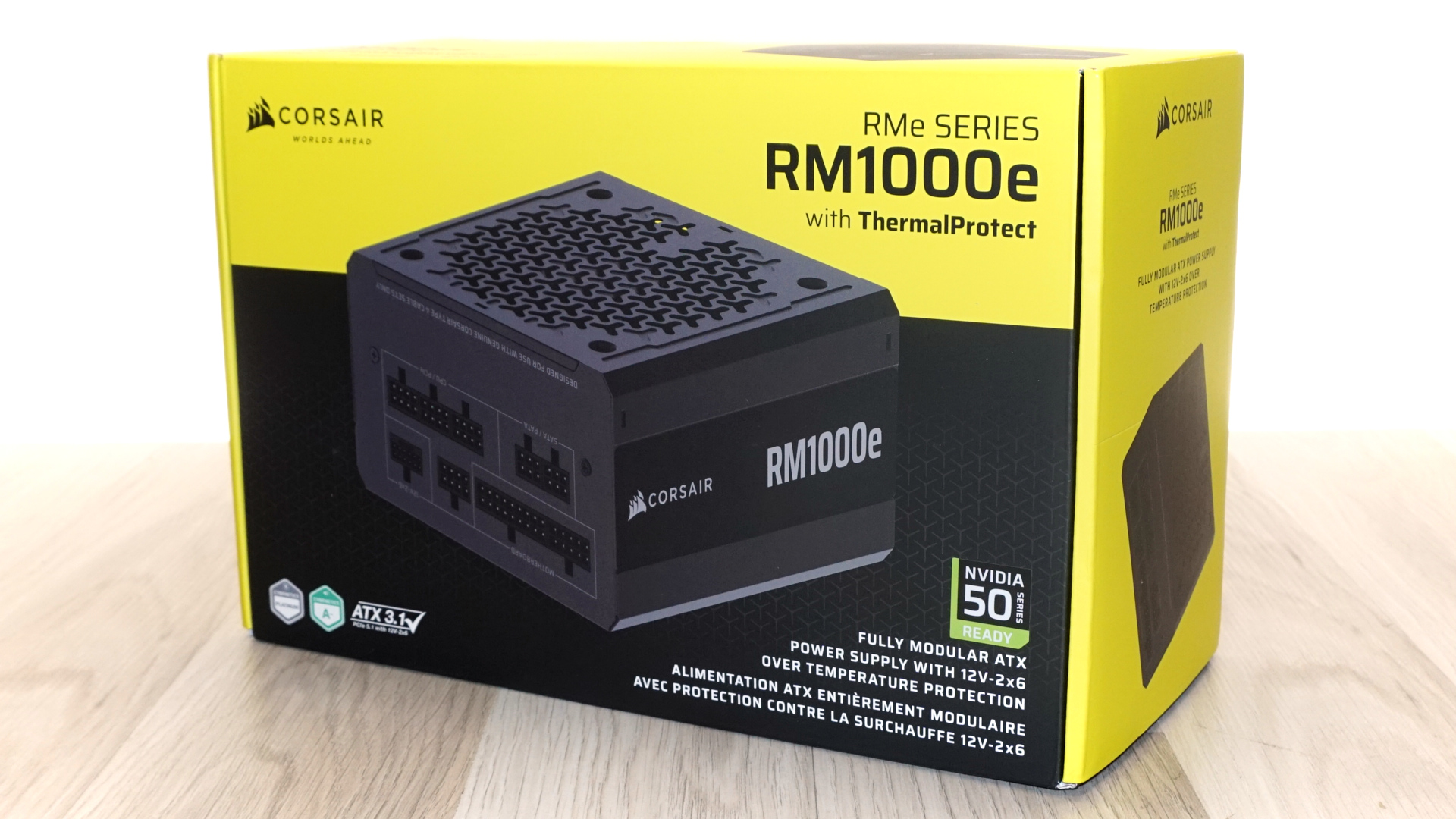
Corsair’s mainstream RMe series returns for 2026 with Platinum-class efficiency, a 500W fanless window, and a temperature-sensing 12V-2×6 cable that shuts the GPU down before a connector can melt.
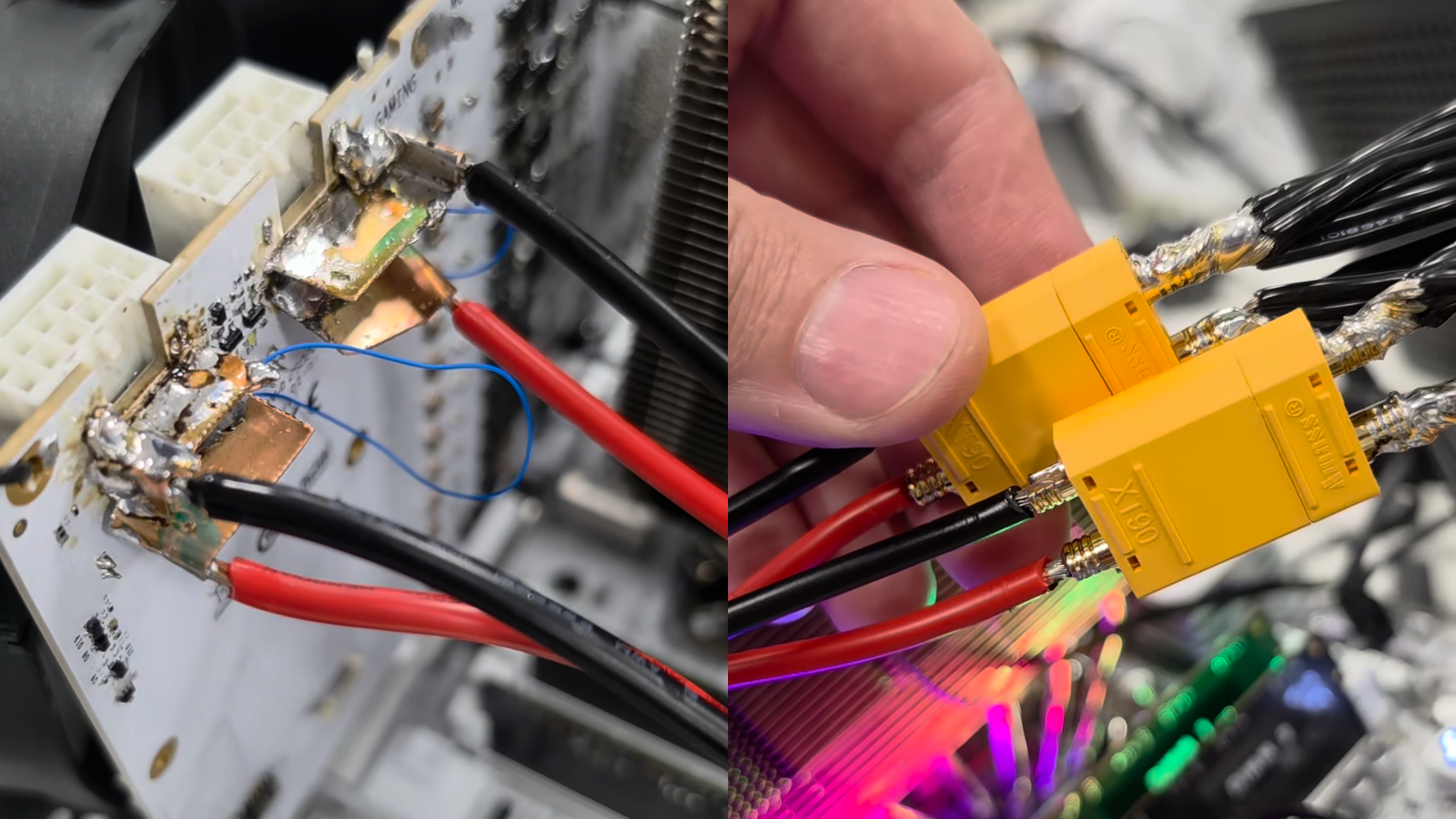
TecLab, a Brazilian YouTuber, has just shown the most dangerous method of bypassing the 16-pin connector on an RTX 5090 — by soldering wires directly to the card’s PCB. In an attempt to save the GPU from melting, they’ve created perhaps an even bigger fire hazard.
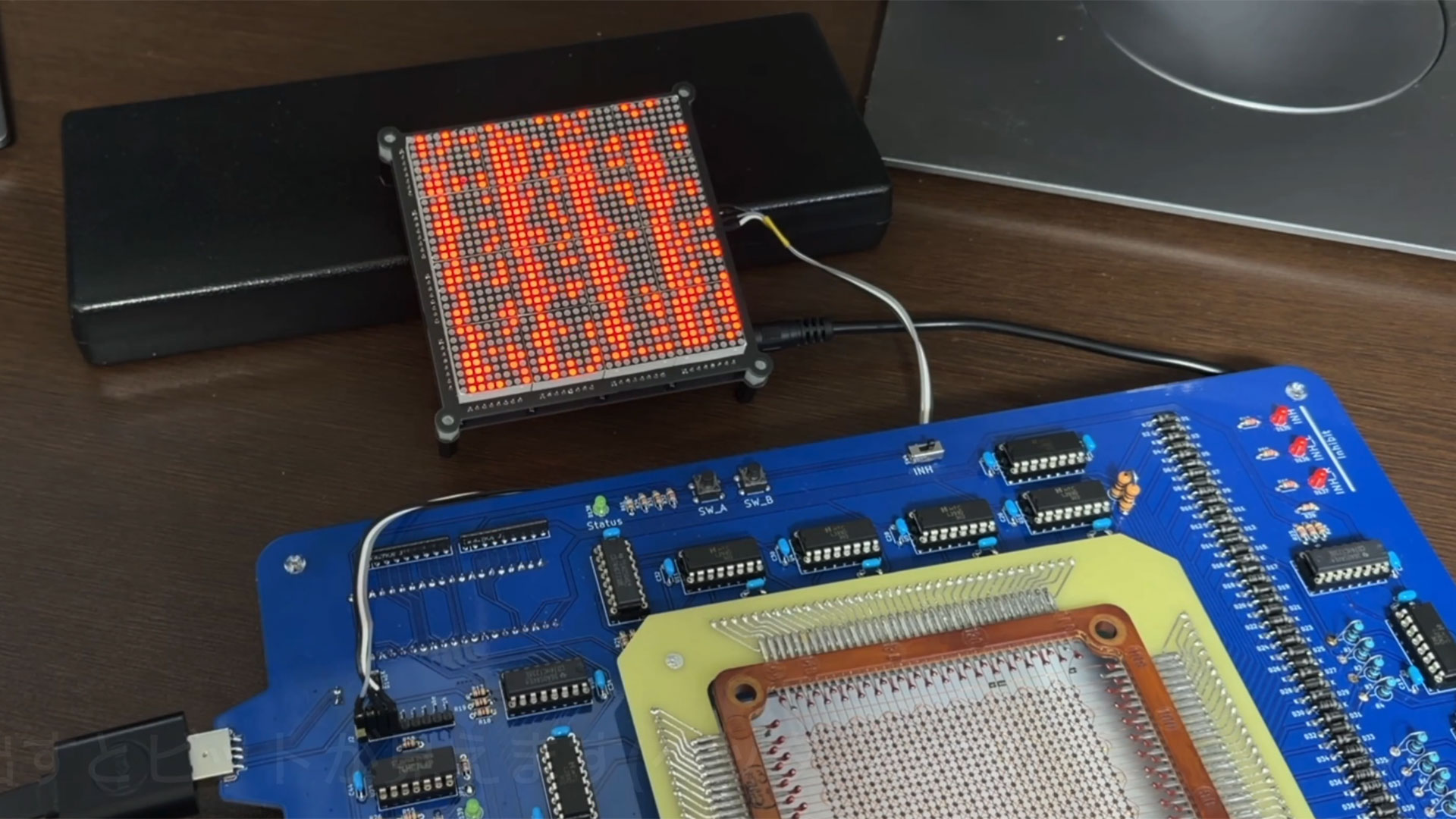
A dinner plate-sized magnetic core memory homebrew USB device has been used to transfer a text file from one PC to another for the first time.
With 32GB DDR4 SO-DIMM memory kits costing roughly half as much as comparable DDR5 kits, MSI’s new Katana 15 HX C14 could help reduce the impact of soaring memory prices.
One modder has reverse-engineered DLSS 5 to function on RTX 4000 series Ada Lovelace-based GPUs, porting incompatible CUDA instructions within the Neural Rendering DLL, enabling them to be read on previous-gen hardware.