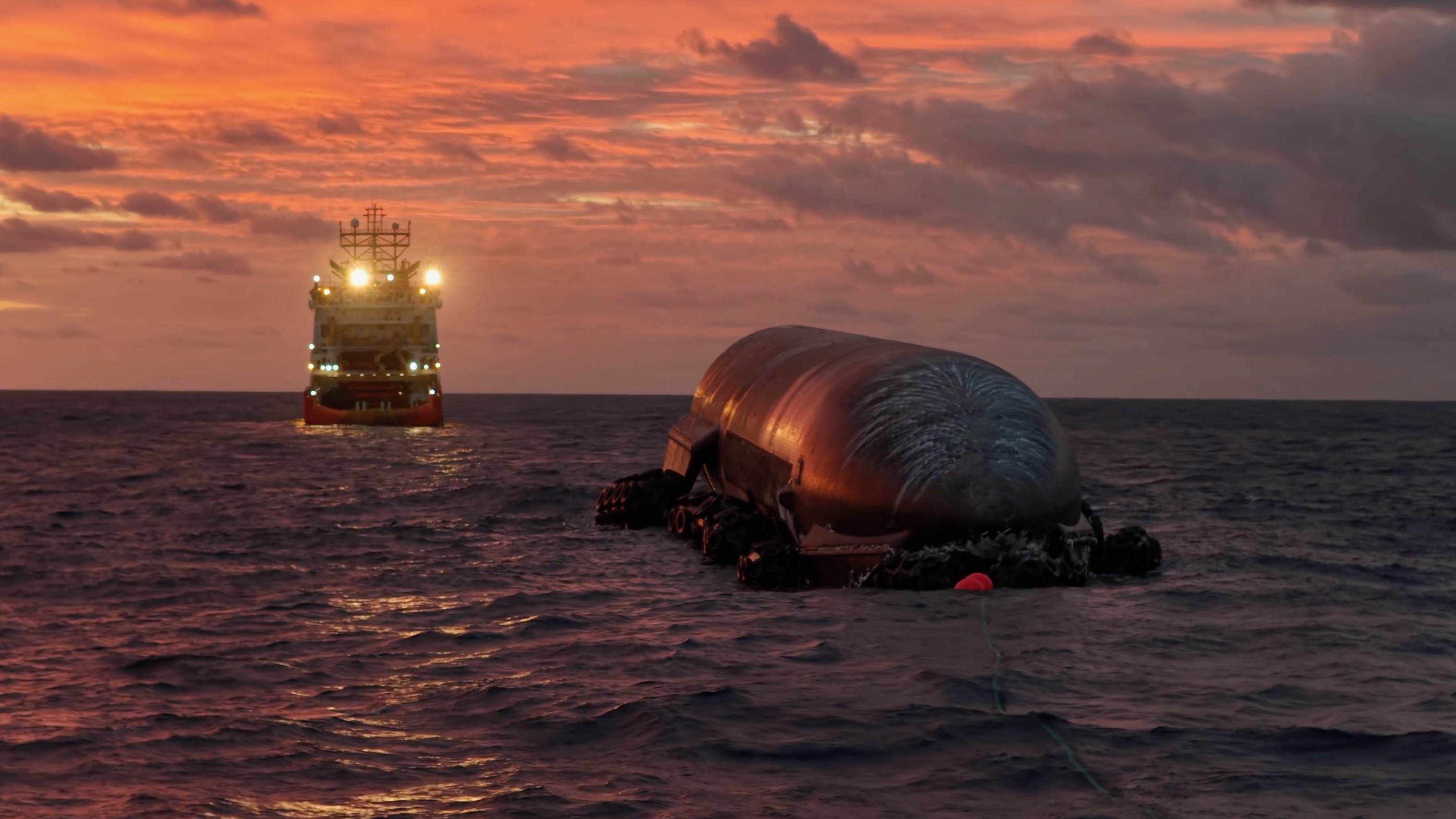
SpaceX is still towing Starship’s upper stage toward shore two weeks after its latest test flight, but the unprecedented effort is unlikely to succeed, according to Elon Musk.

NASA’s Voyager 2 probe, which launched in 1977, can keep operating its last science instruments after a power reduction operation performed in interstellar space.
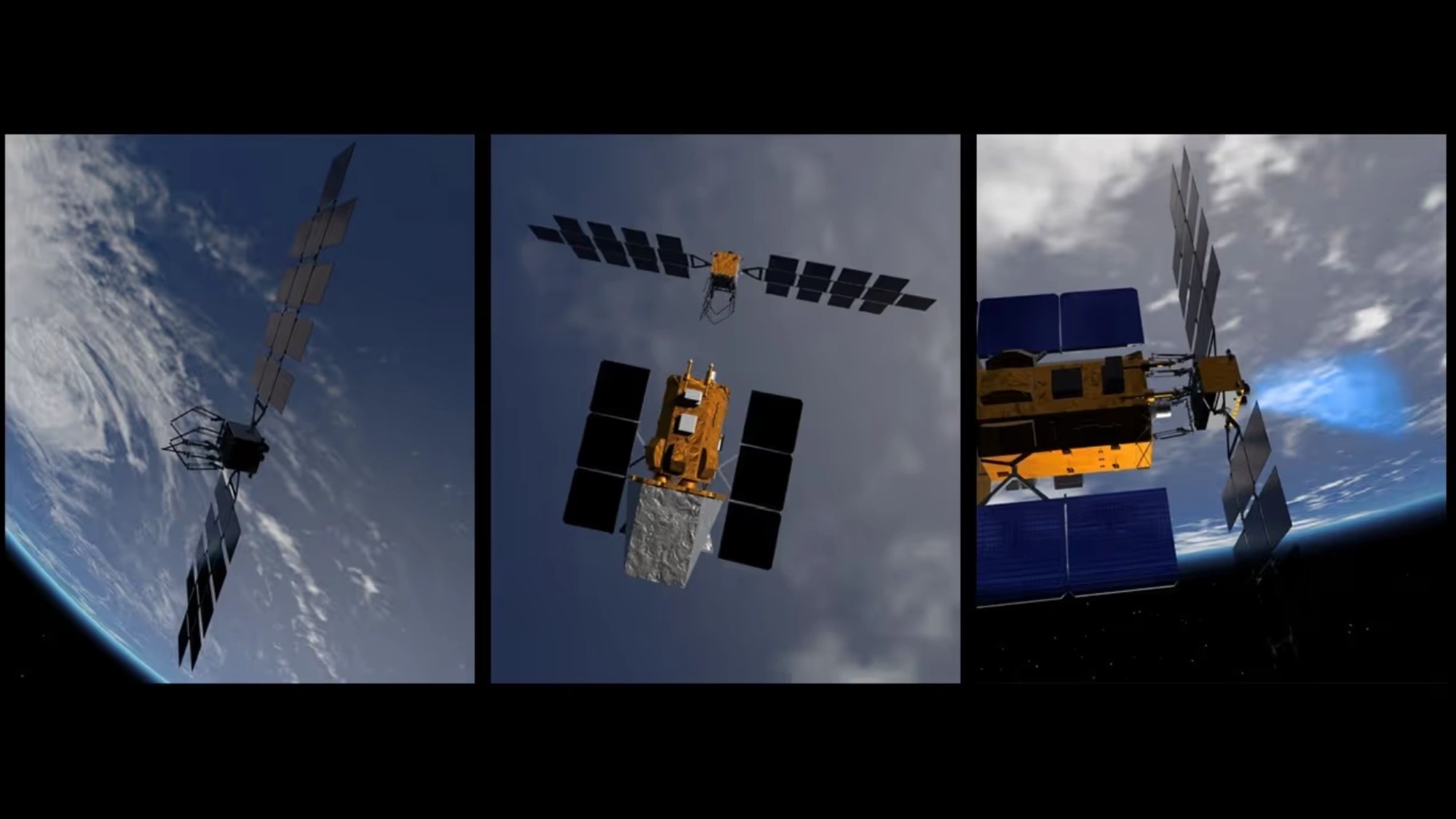
The private LINK spacecraft, which launched last month to save a NASA space telescope, now needs saving, too —and teams are making progress on that front.
The Chinese commercial launch company Landspace is set for its second attempt to catch an orbital rocket. Liftoff, and landing, are targeted for next Monday (Aug. 10).
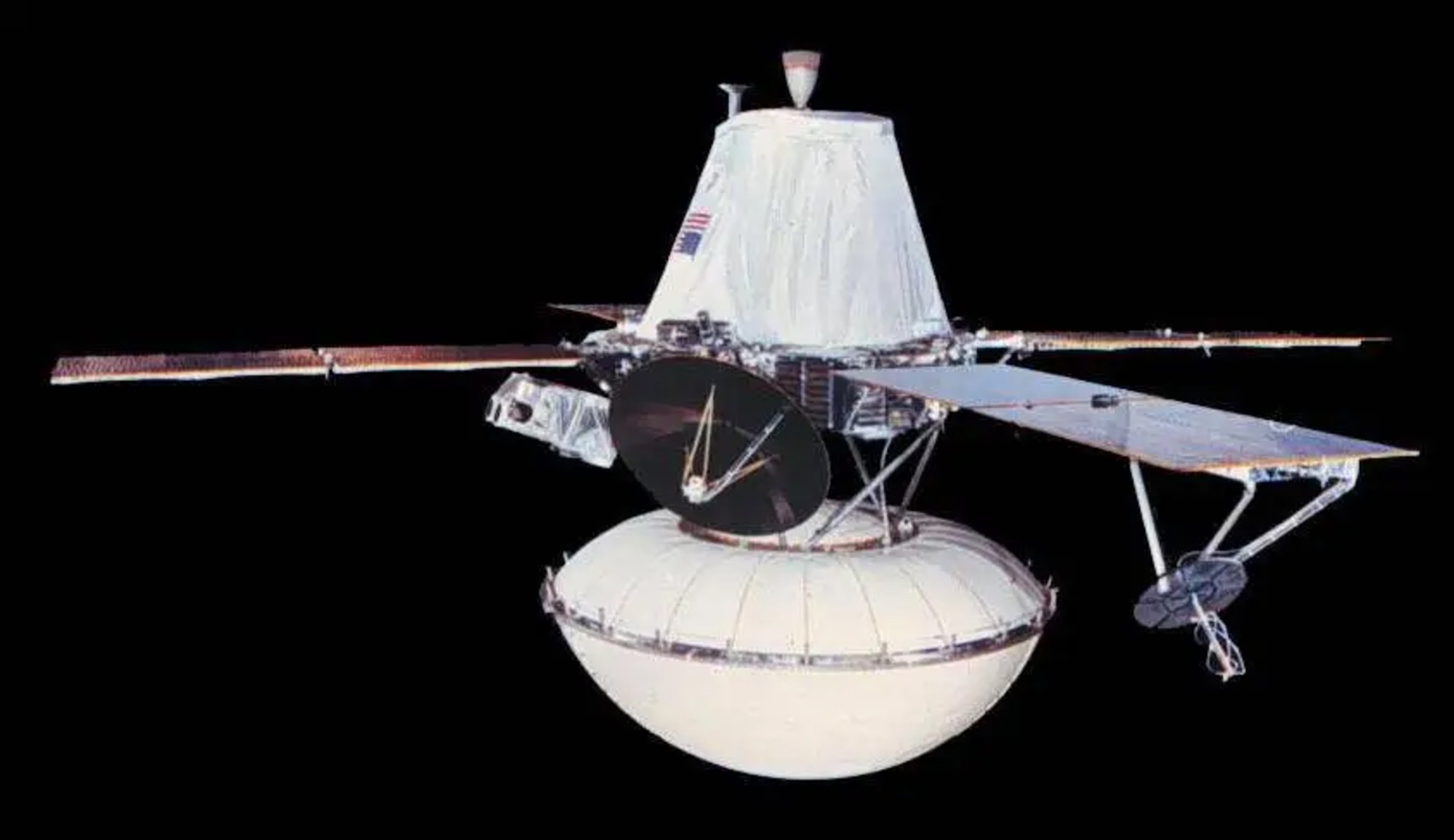
On Aug. 7, 1980, NASA’s Viking 1 spacecraft orbiting Mars ended its epic and historic mission to the Red Planet. Here’s why it mattered.
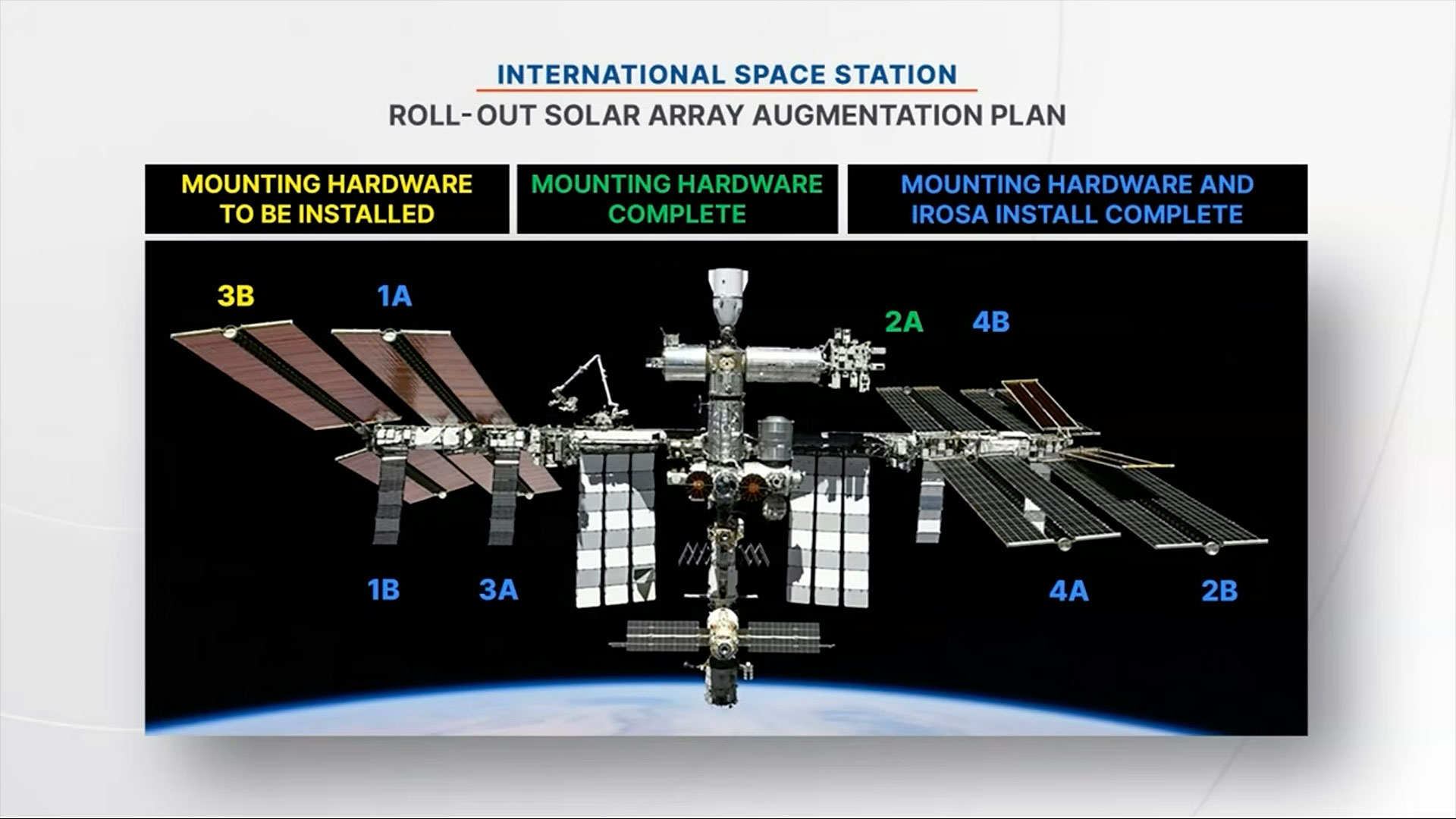
Jessica Meir and Anil Menon completed a 6.5-hour spacewalk to install solar array mounting hardware outside of the International Space Station on Thursday, Aug. 6, 2026.
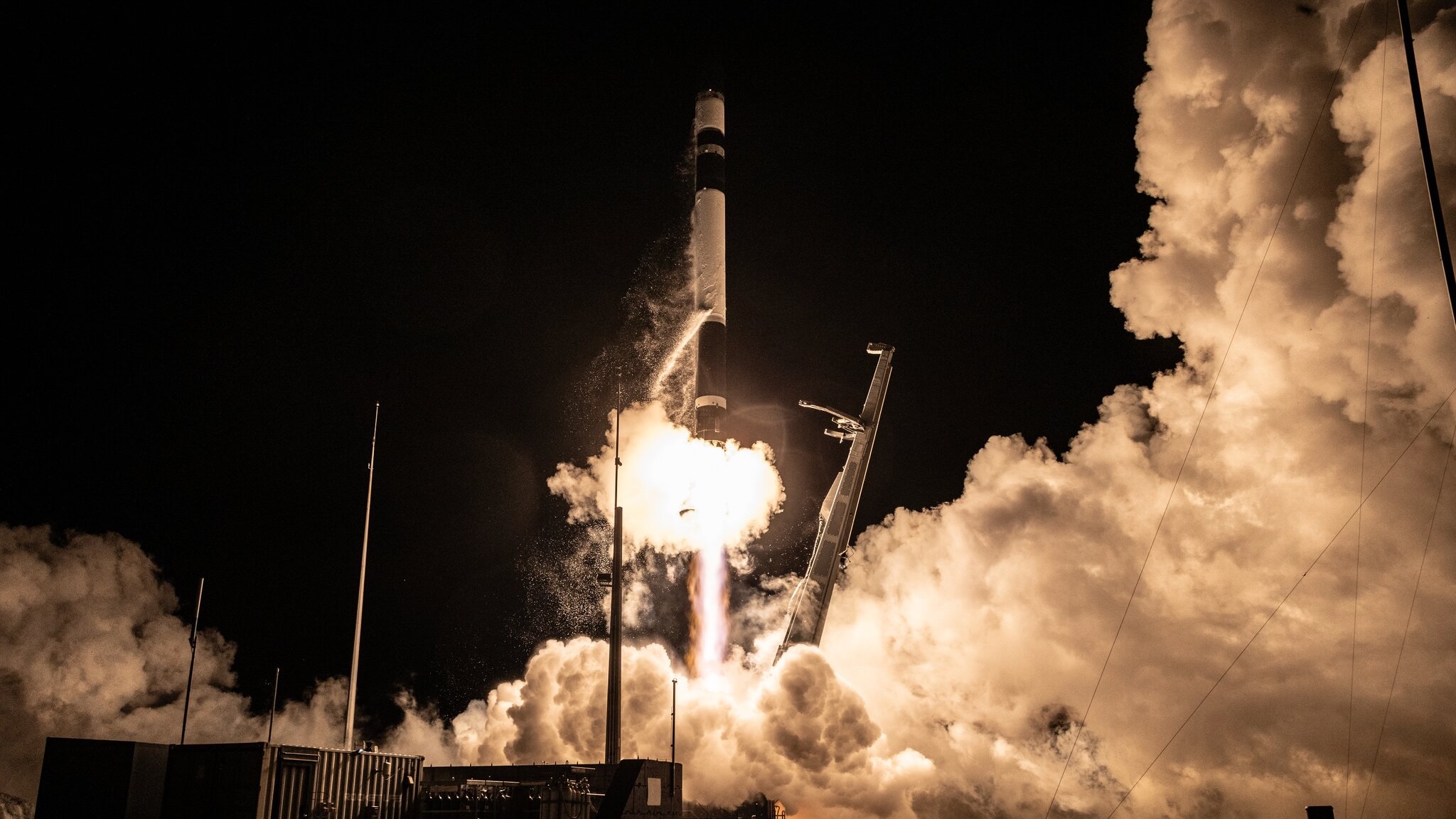
Rocket Lab launched its eighth mission for the Japanese Earth-imaging company iQPS on Thursday morning (Aug. 6), five weeks later than originally planned.
Blue Origin has made considerable progress in its New Glenn anomaly investigation, tracing the problem to a faulty valve in one of the rocket’s first-stage engines.
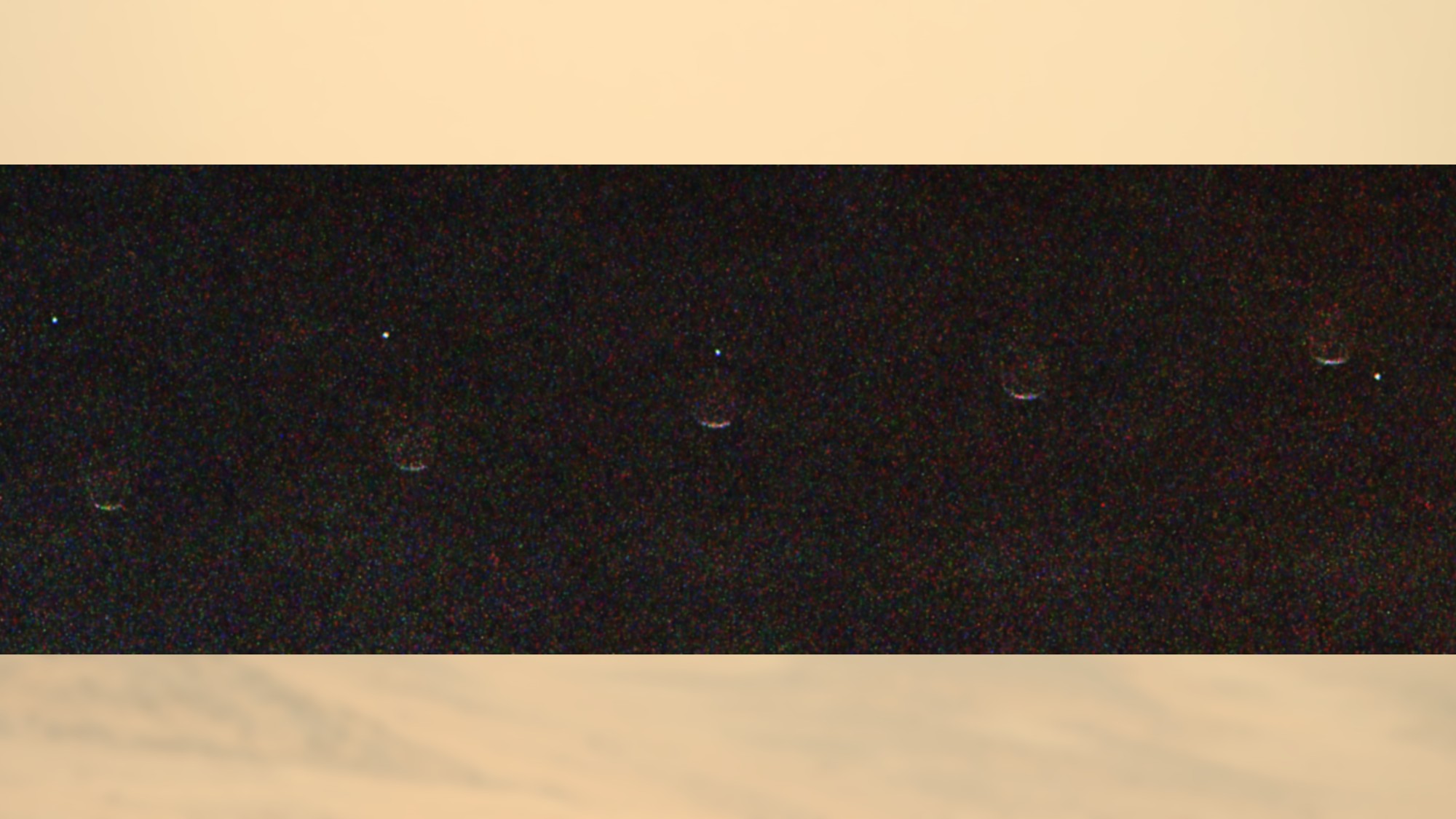
“Phobos crosses the Martian sky three times a day, and Earth is visible for months at a stretch, but catching one directly behind the other takes planning and a little luck.”
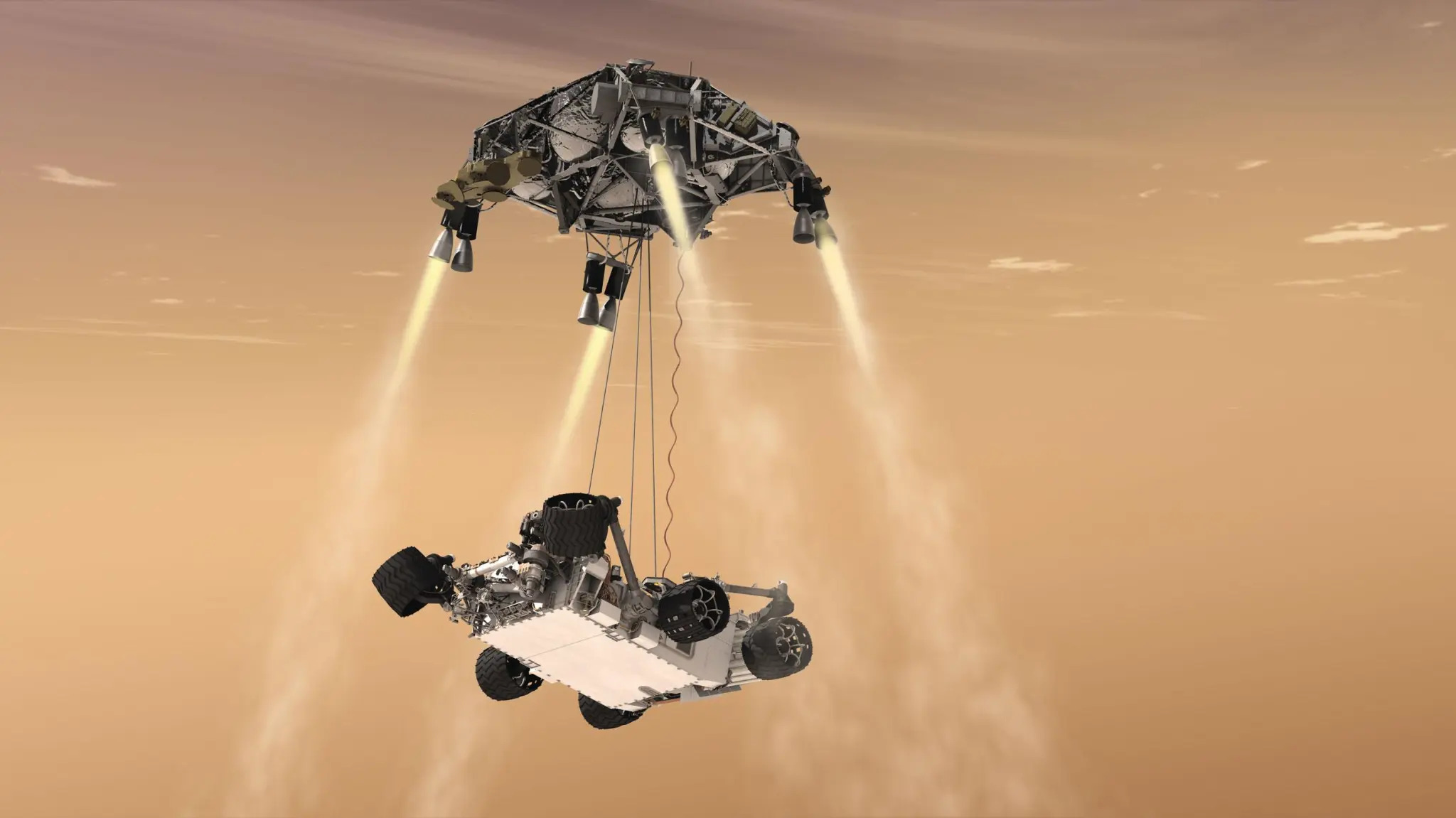
On Aug. 6, 2012, NASA’s Curiosity rover successfully touched down on the Martian surface in a way never attempted before: a rocket-powered sky crane. Here’s why it mattered.