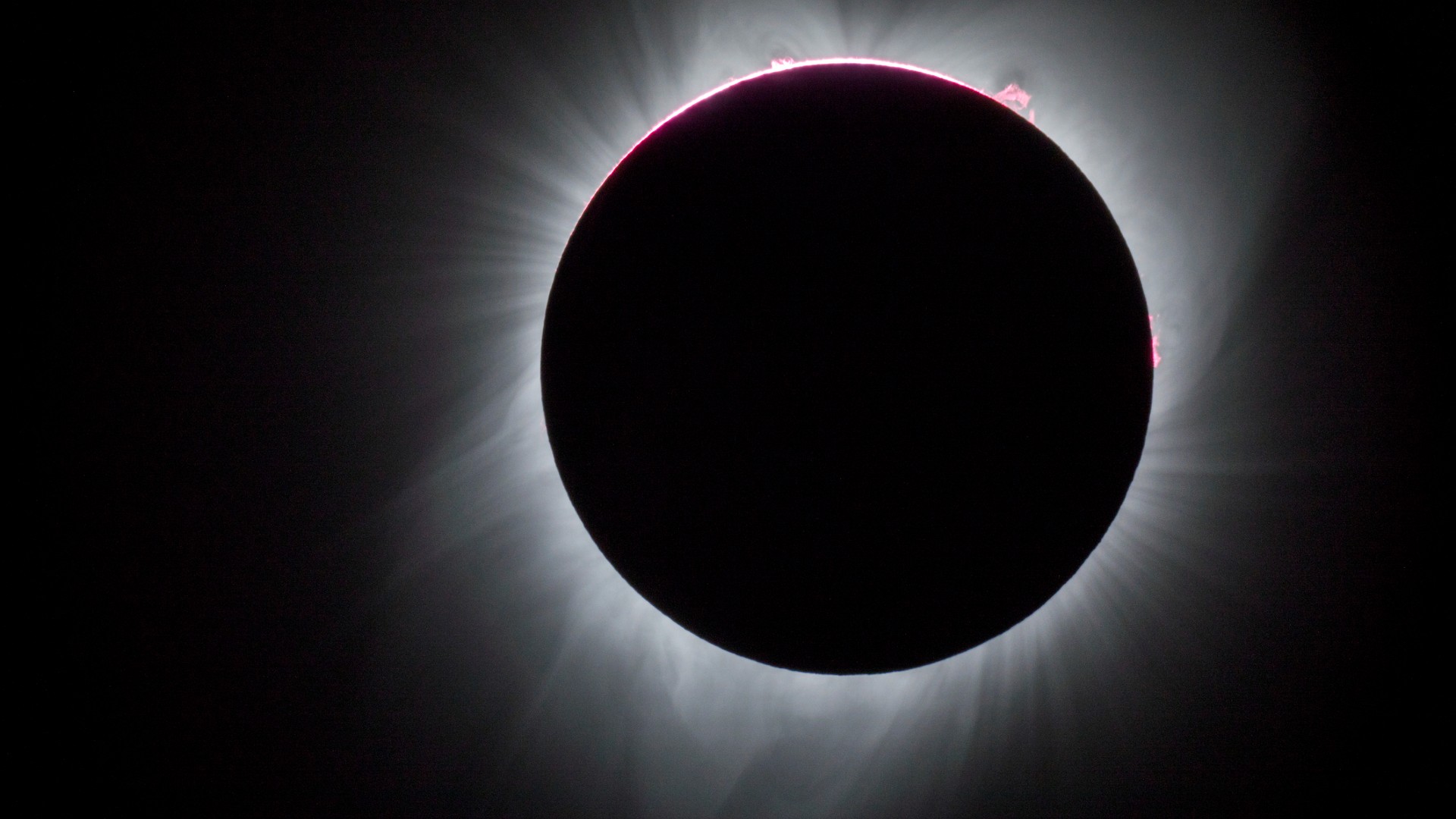
Here are key timings for some of the eclipse’s most popular viewing destinations.
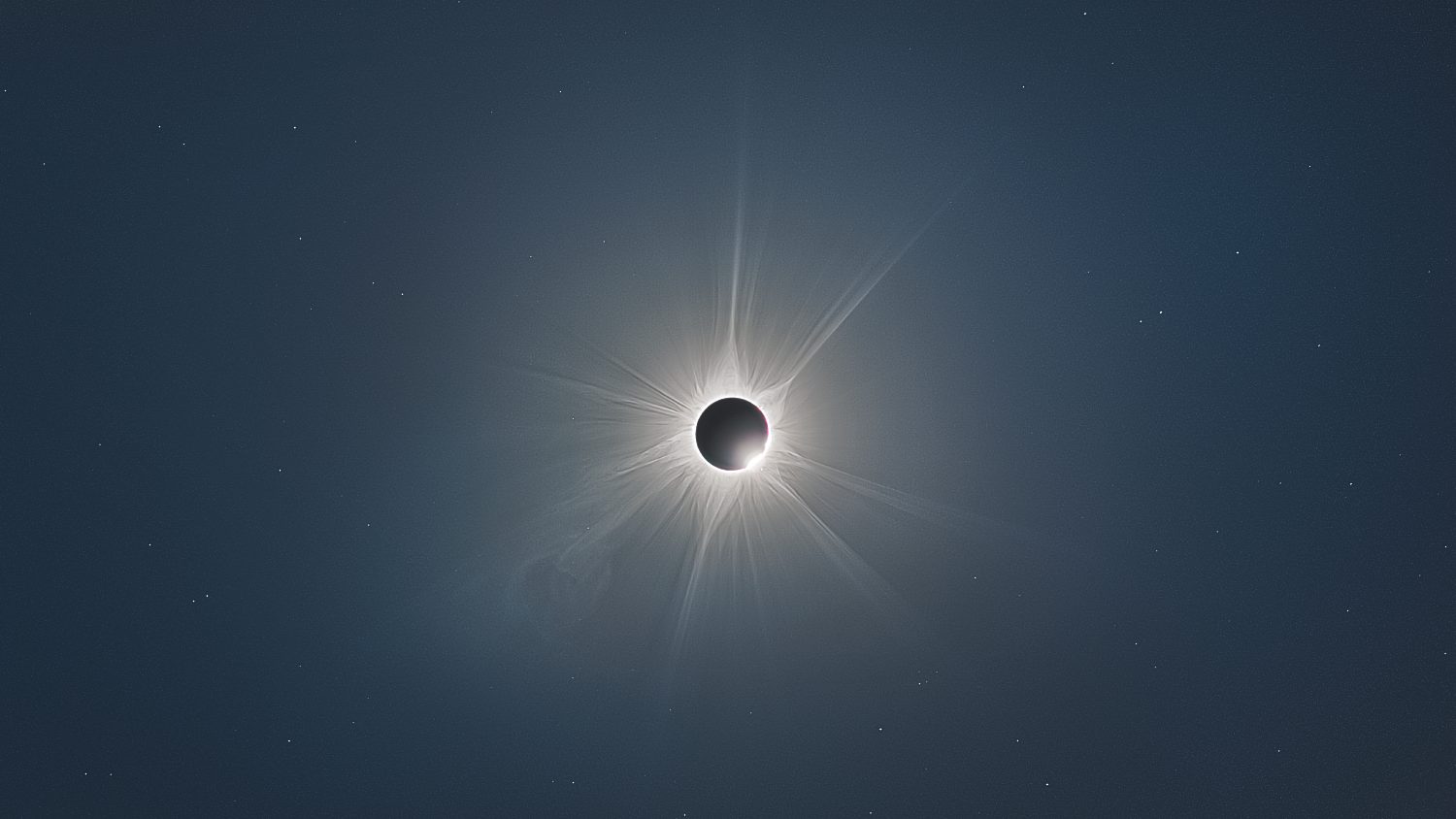
A naked-eye view of the sun’s outer atmosphere is the reason eclipse chasers travel the world. Here’s what it may look like on Aug. 12.
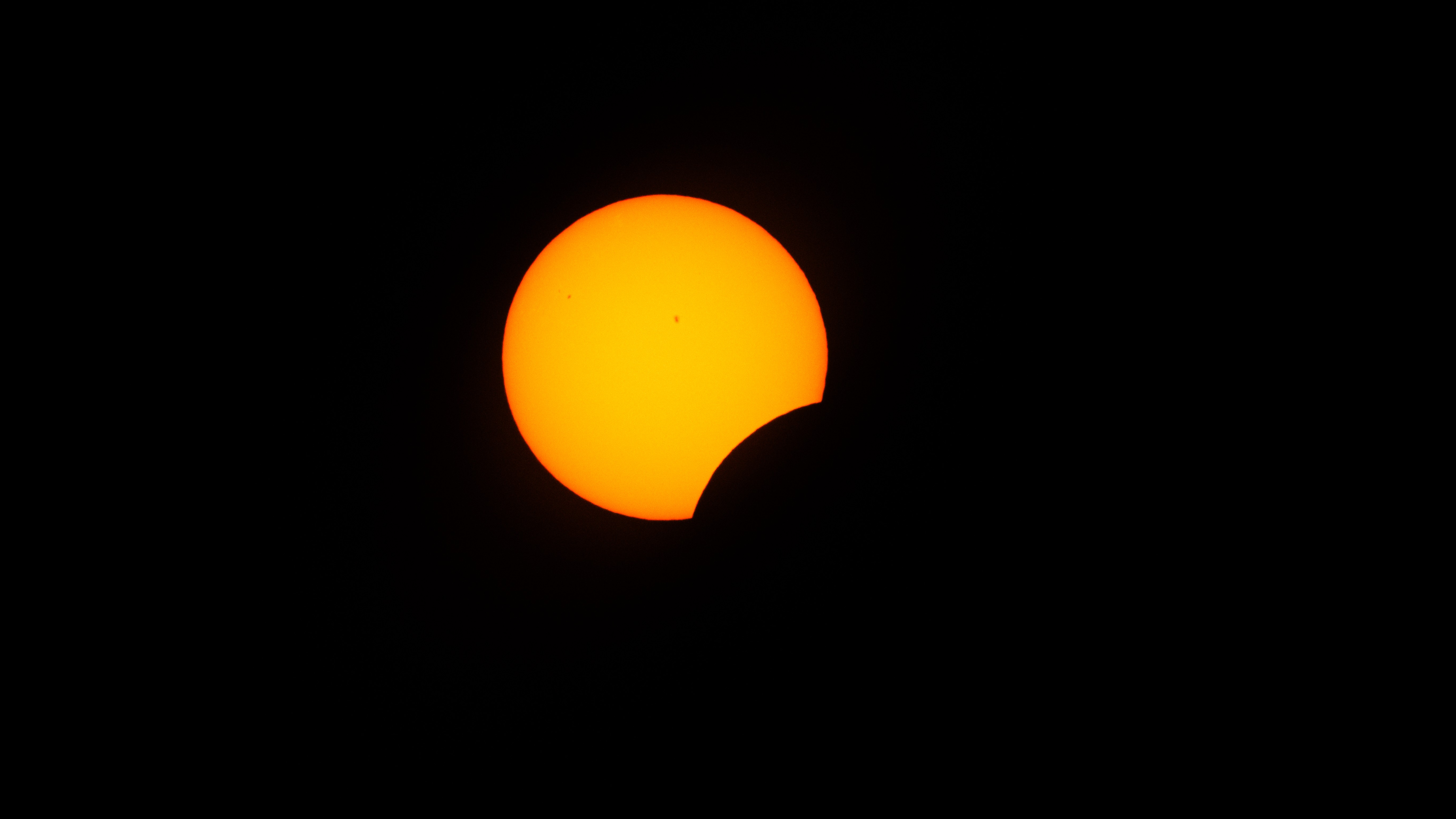
From first contact to totality and beyond, this is what will happen during each stage of the Aug. 12 total solar eclipse.

Early risers will catch a spectacular sight in the predawn hours of Aug. 9, as the slender crescent moon shines close to the red light of Mars among the stars of the constellation Taurus.
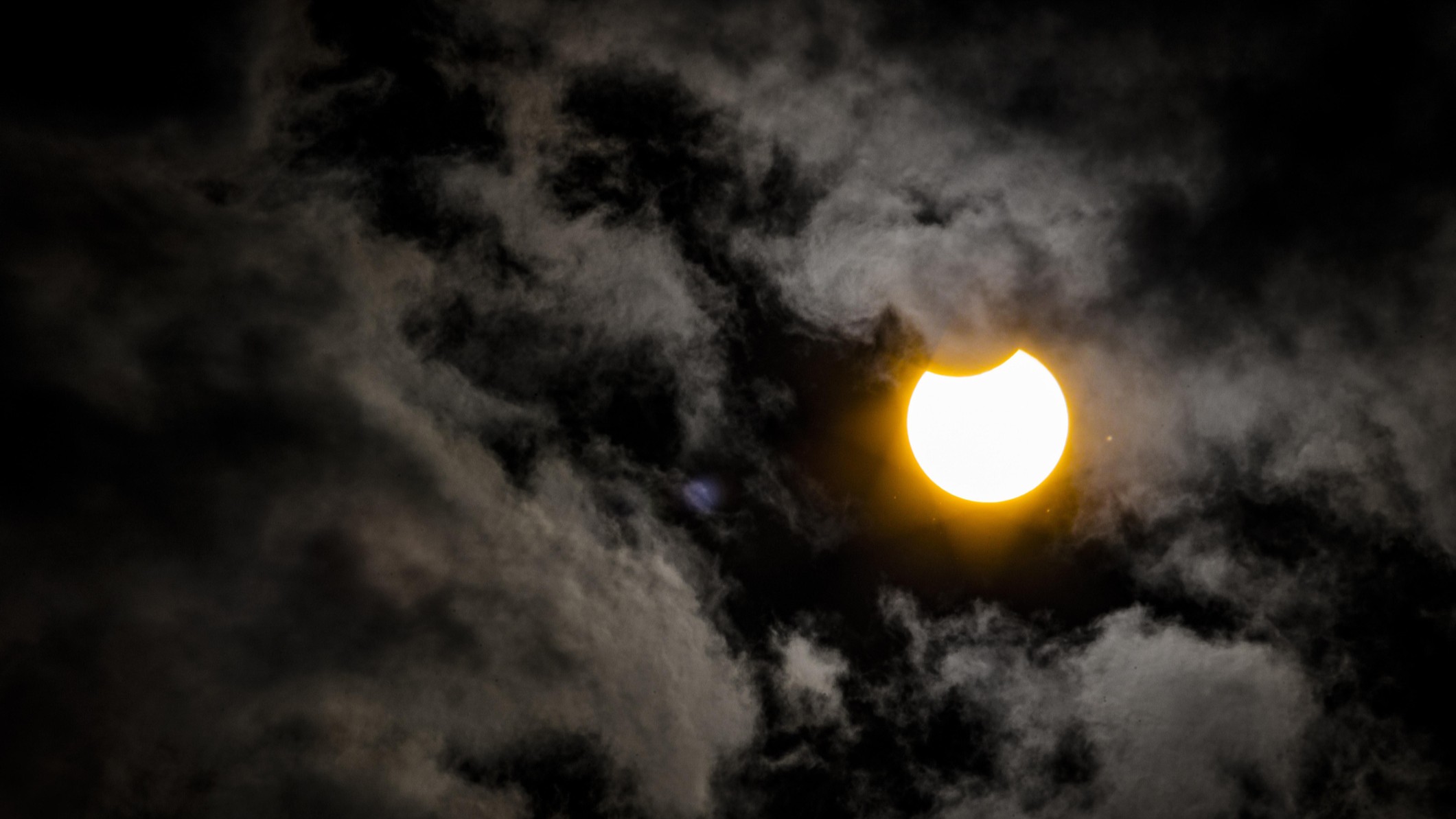
The Aug. 12 eclipse won’t rival 2024’s Great American Eclipse, but millions across the U.S. and Canada will still see the moon take a bite out of the sun.
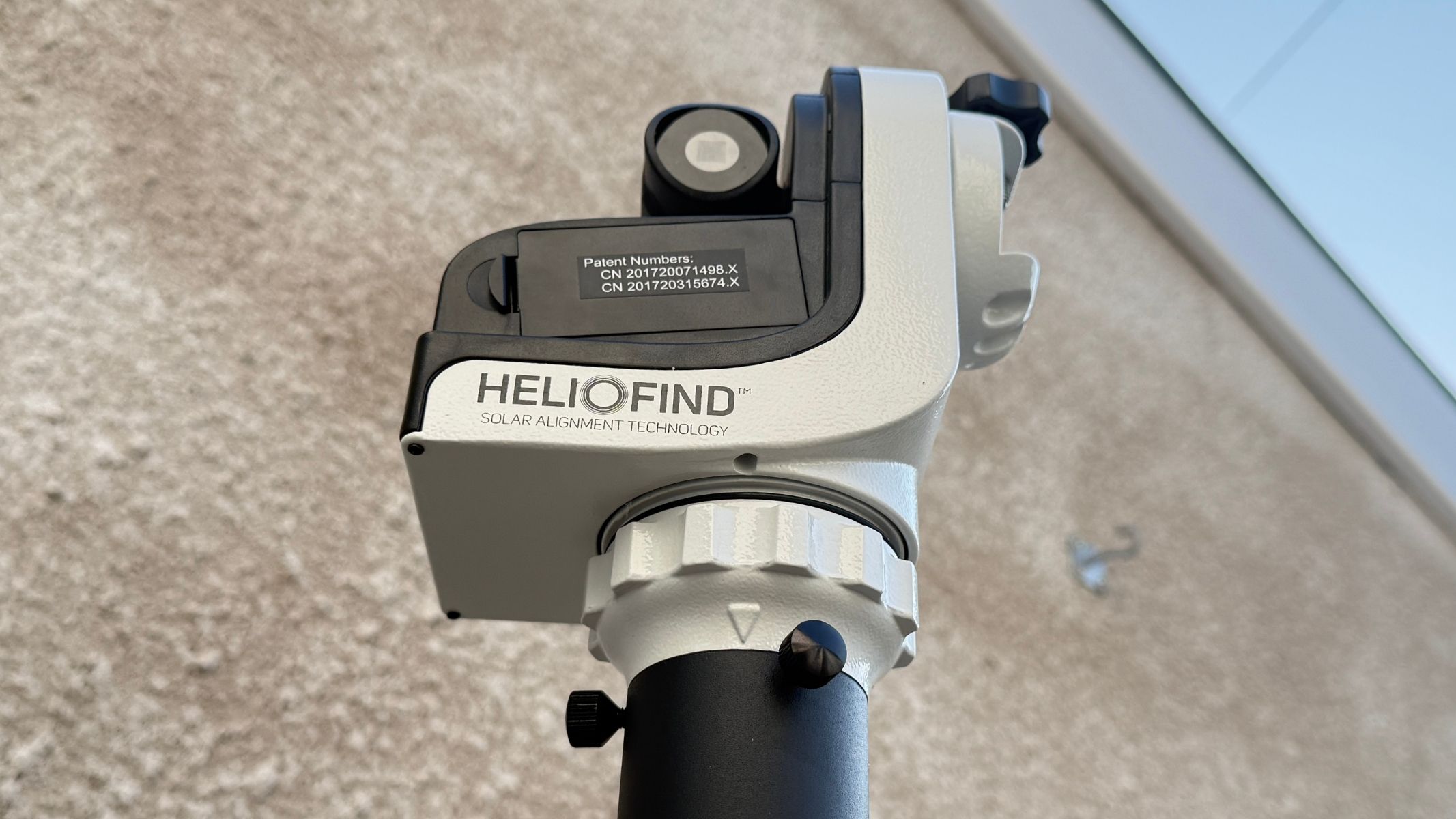
A brilliantly simple grab-and-go solar mount that finds and follows the sun for you, Sky-Watcher’s SolarQuest is perfect for small-scope solar astronomy and solar eclipses.
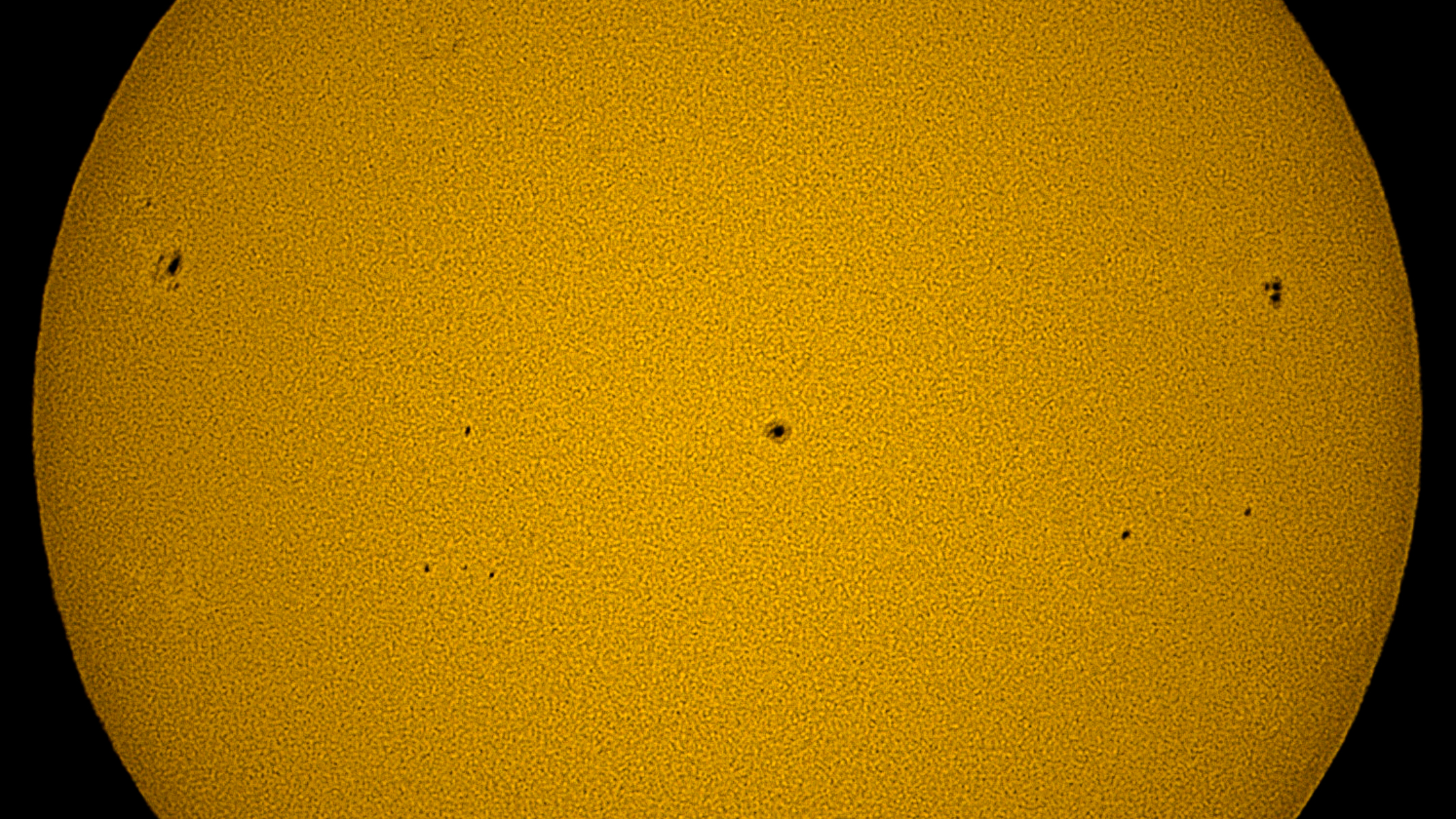
Solar observation is easy with a smart telescope like the Unistellar eQuinox 2 and the matching filter, meaning you can capture it with no stress on big events like the Aug. 12 total solar eclipse.
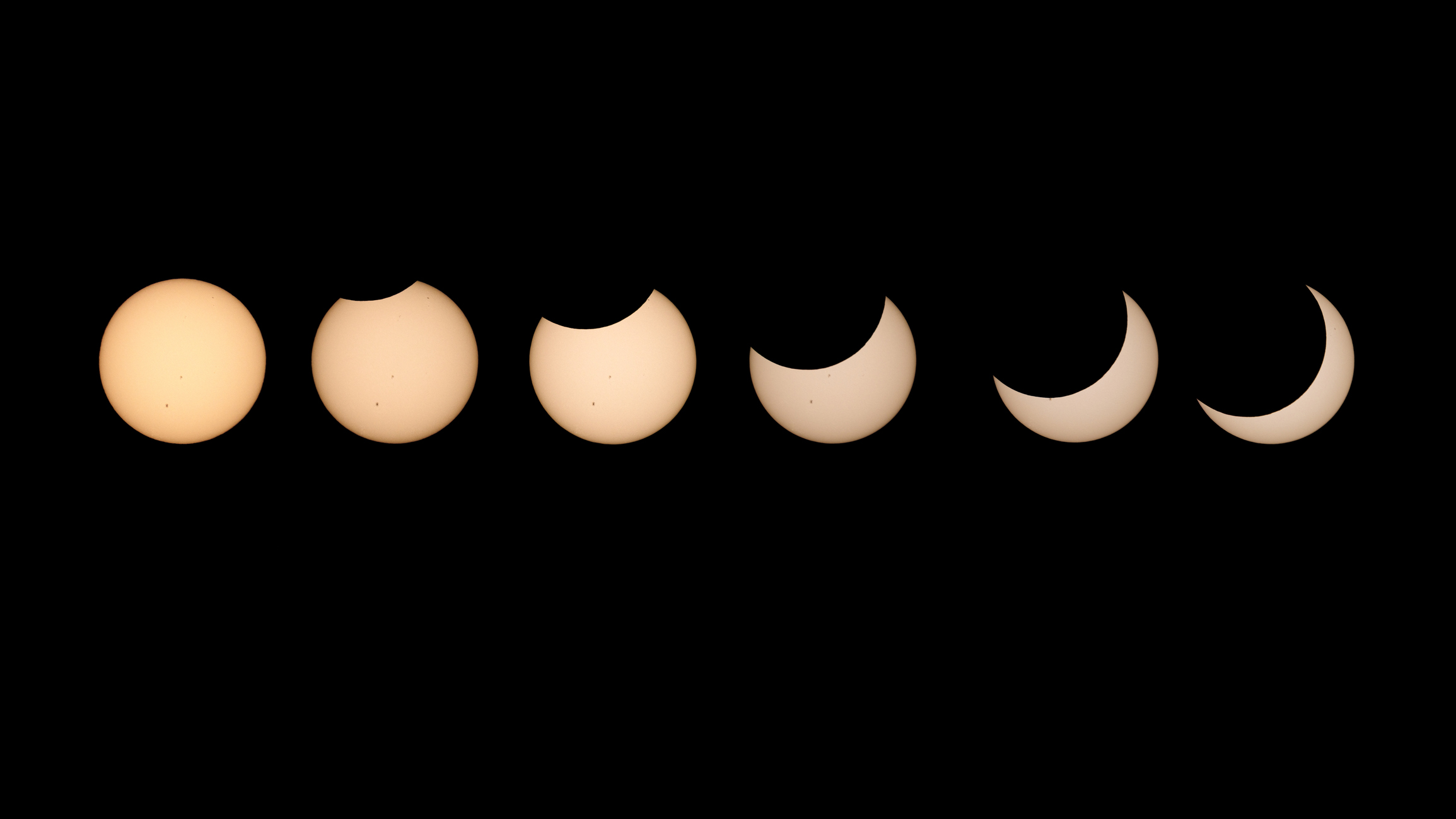
The Aug. 12 eclipse won’t bring totality to Britain, but up to 98% of the sun will disappear in one of the U.K.’s most dramatic partial eclipses in decades.
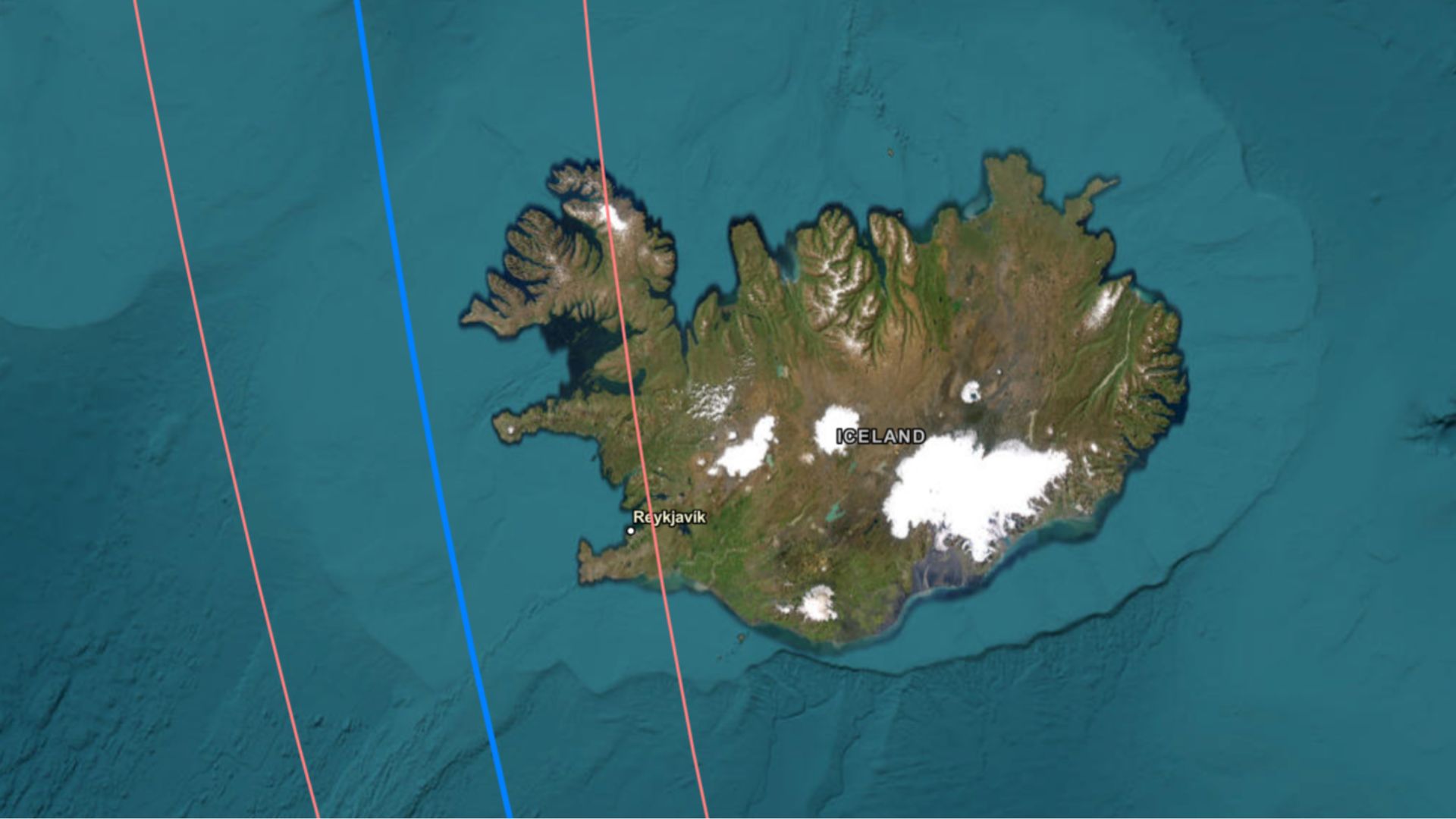
Millions will see a deep partial or total solar eclipse on Aug. 12, but there’s no need to fixate on completely clear skies.
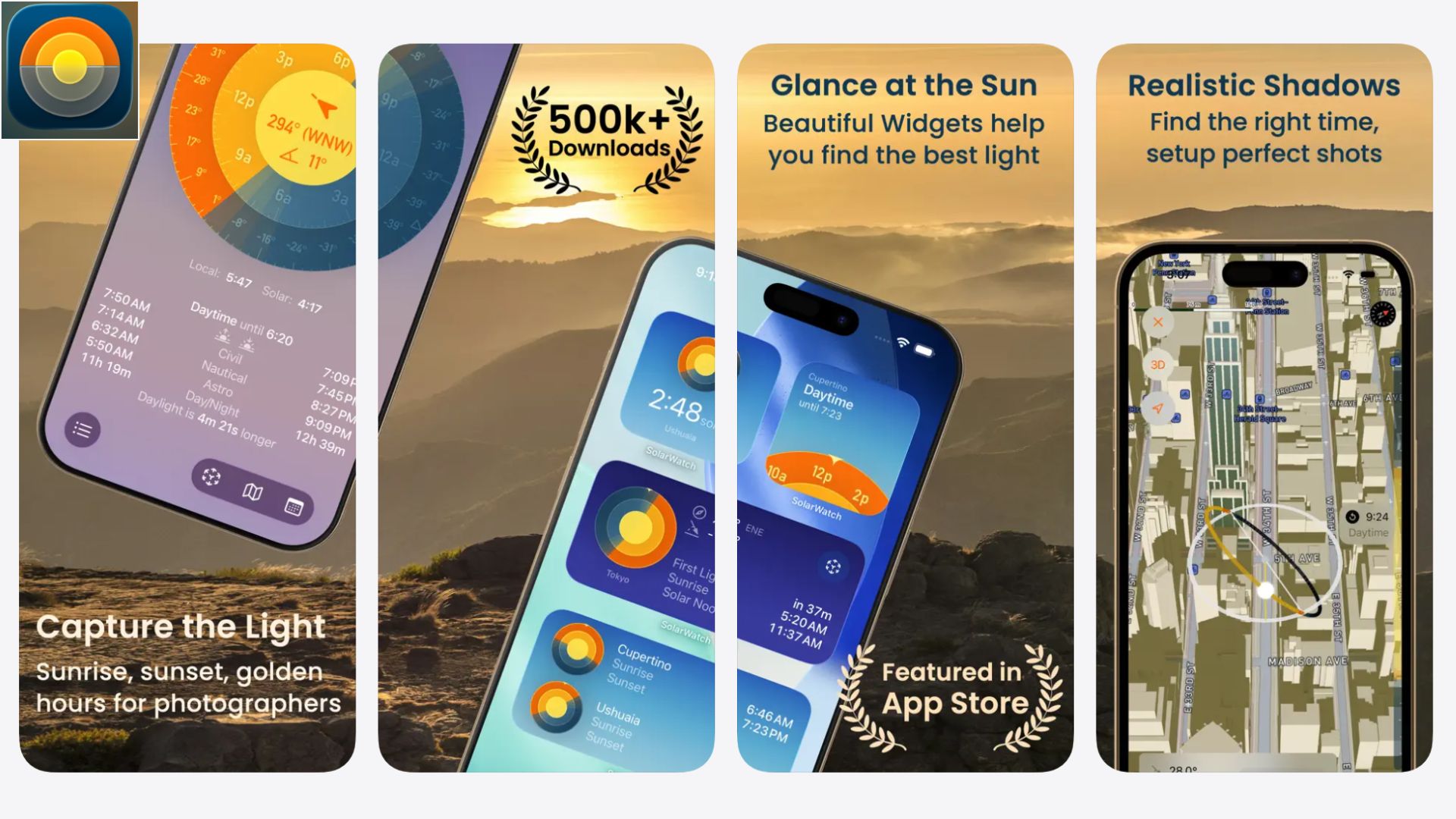
From exact timings to cloud cover warnings, these smartphone apps will help you dial in on the 2026 total solar eclipse.