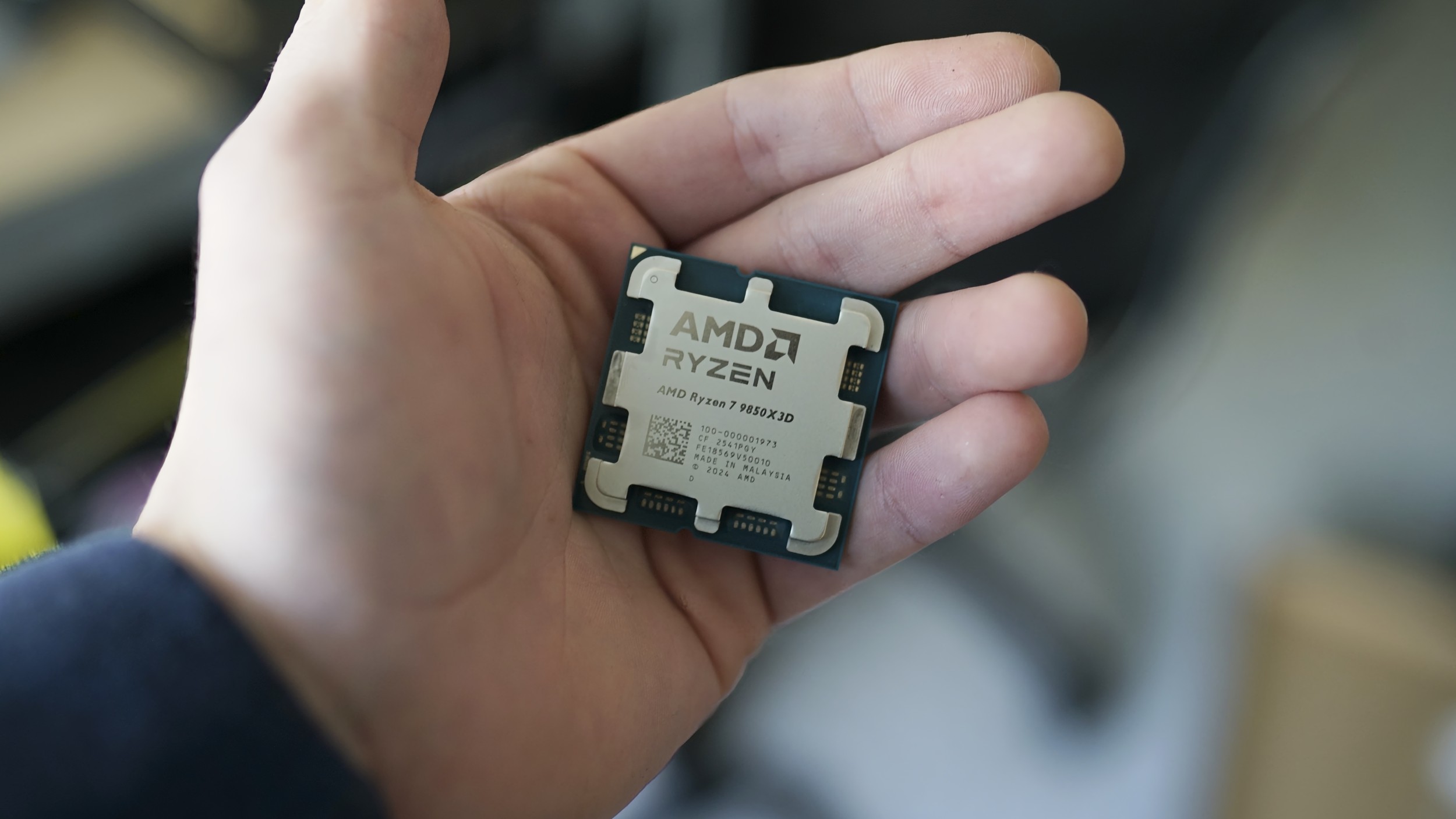
One hardware researcher, Christopher Domas (@xoreaxeaxeax on GitHub), is taking a different approach with the CPU Deoptimization leaderboard, which looks not to make Assembly instructions run as fast as possible, but as slow as possible to find the single instruction with the highest latency.
Amazon Web Services is telling engineers to slow down on EC2 usage as it struggles to meet CPU capacity demand for external customers.
A new report suggests AMD is cooking up a range of per-core optimizations for Zen 6 that might not seem huge on their own, but they could add up to make a world of difference in gaming performance.
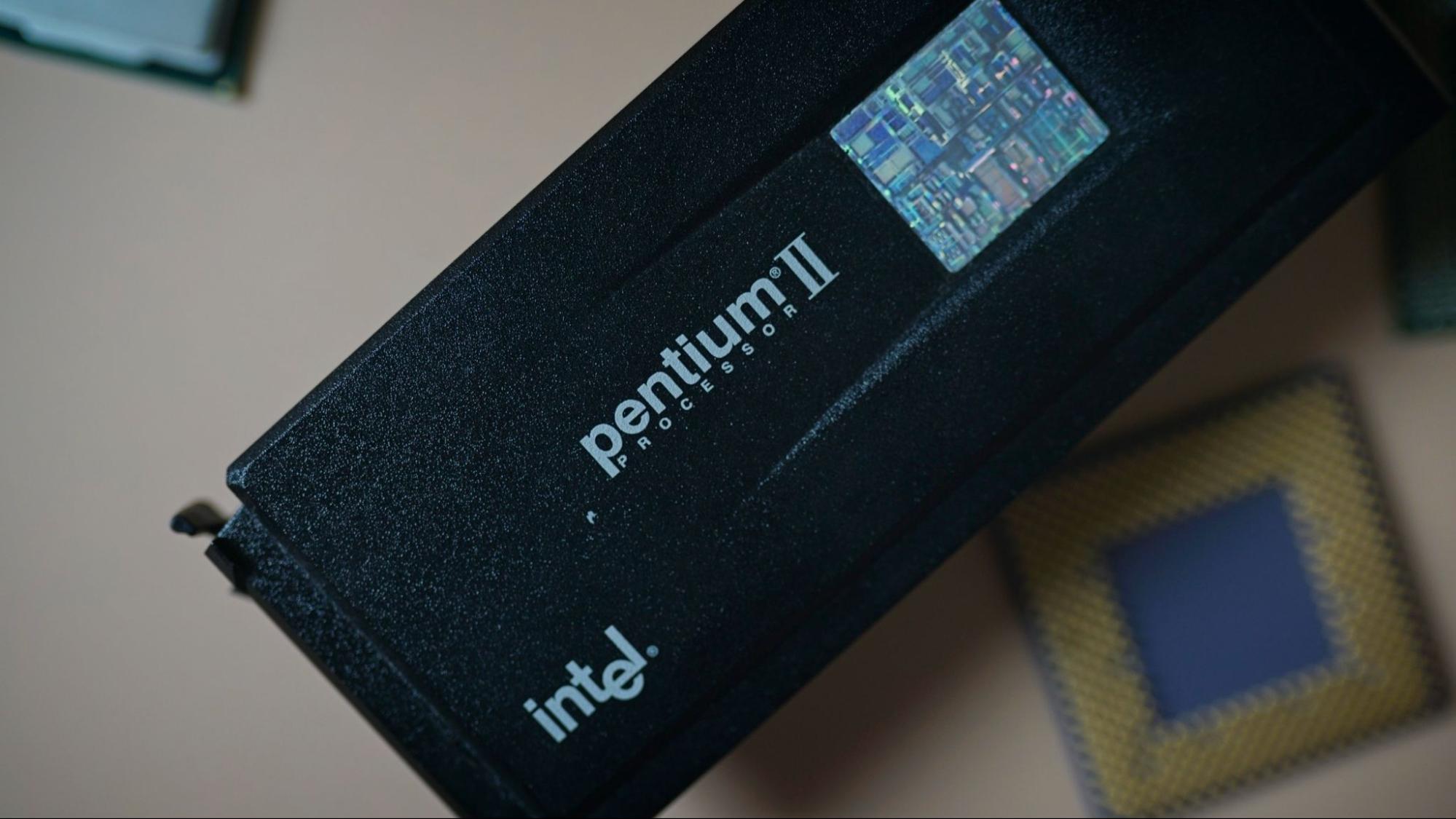
Tom’s Hardware has been covering CPUs for 30 years, and to celebrate, we’re looking back on the last three decades of CPU reviews and how the dynamics between Intel and AMD have shifted in that time.
Intel reportedly licenses Atom-class x86 cores to a startup led by Lip-Bu Tan’s co-investor and incorporated in May.
Intel seems to be working on a 16-core Nova Lake desktop APU with 12 Xe3P cores that will require 65W of power delivery on their own to achieve maximum performance. Two separate VCCGT phases will be needed to power said integrated graphics, since one phase can’t sustain up to 65W.
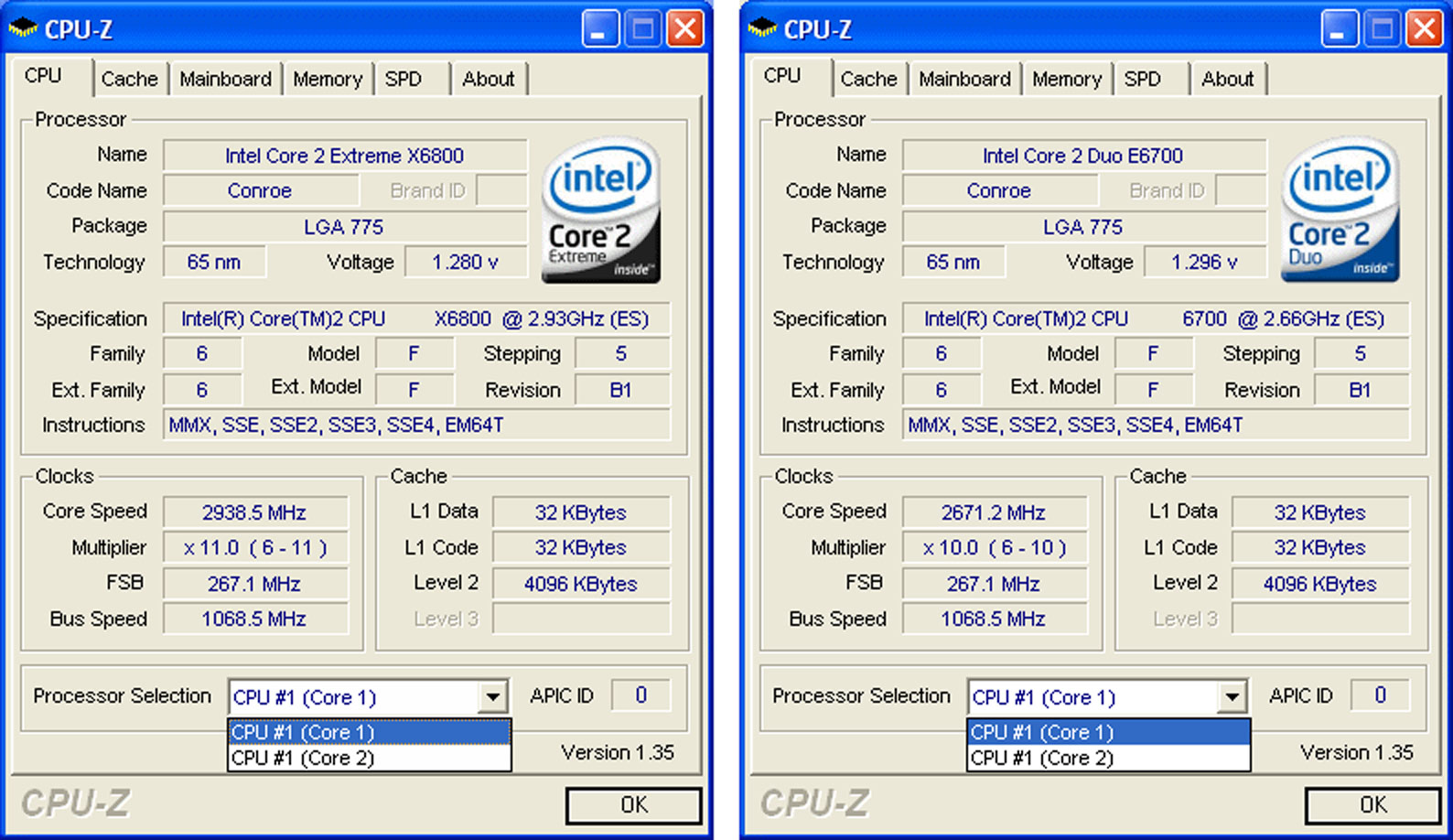
Today marks 20 years since the first raft of Intel Core 2 Duo processors, codename Conroe, was launched.
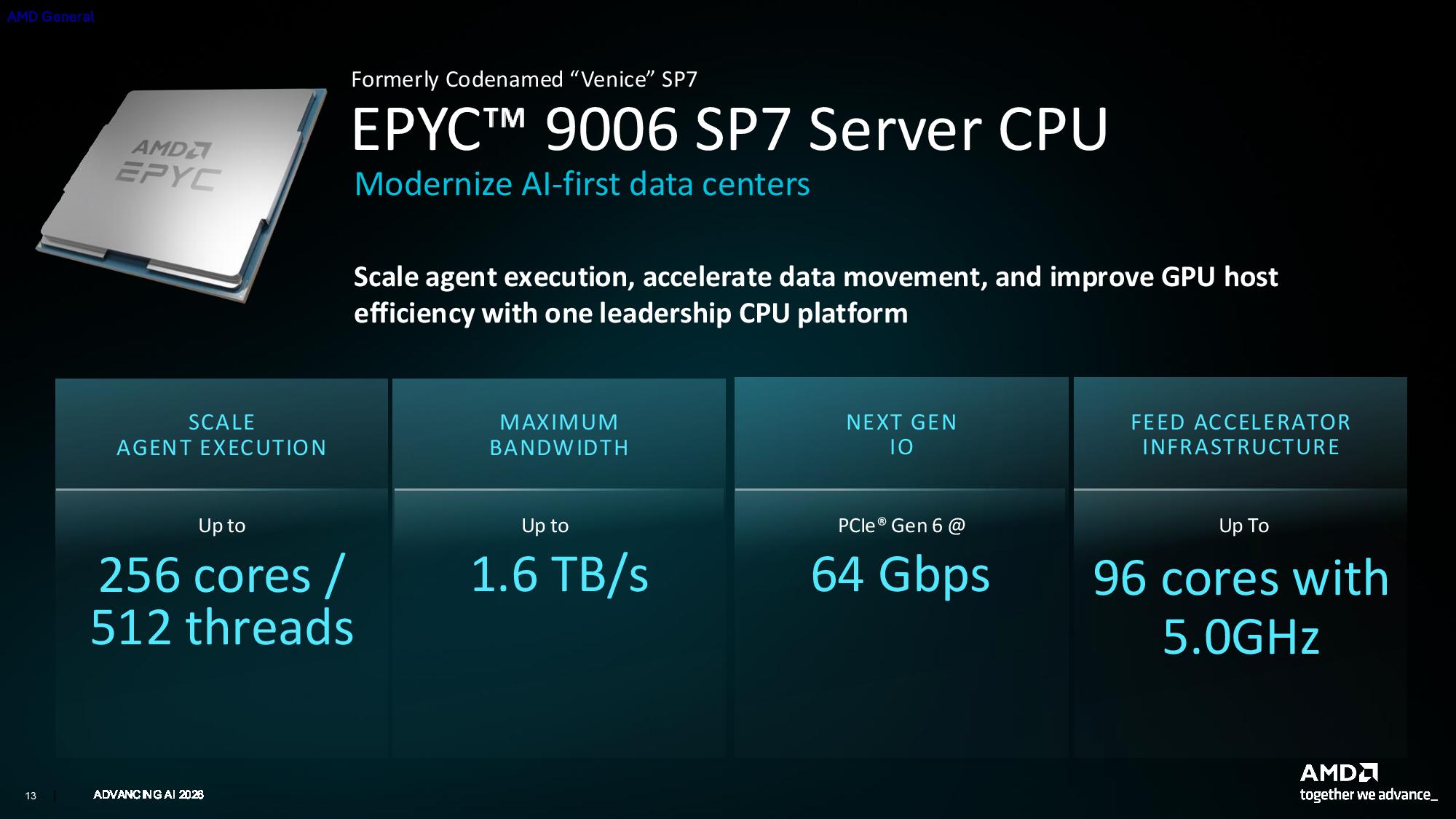
The company named Florence, Ferrara, and Fidenza in its launch release, extended its annual CPU, GPU, networking, and rack cadence out to 2030.
An FPGA and embedded systems expert has recreated the US Navy’s F-14 Tomcat’s Central Air Data Computer (CADC) in an FPGA. It is demonstrated in a scale 3D printed model aircraft

Intel posts 25% higher year-over-year sales and above-the-guidance earnings, and confirms that its 14A technology is on-track to start high volume ramp in 2028.