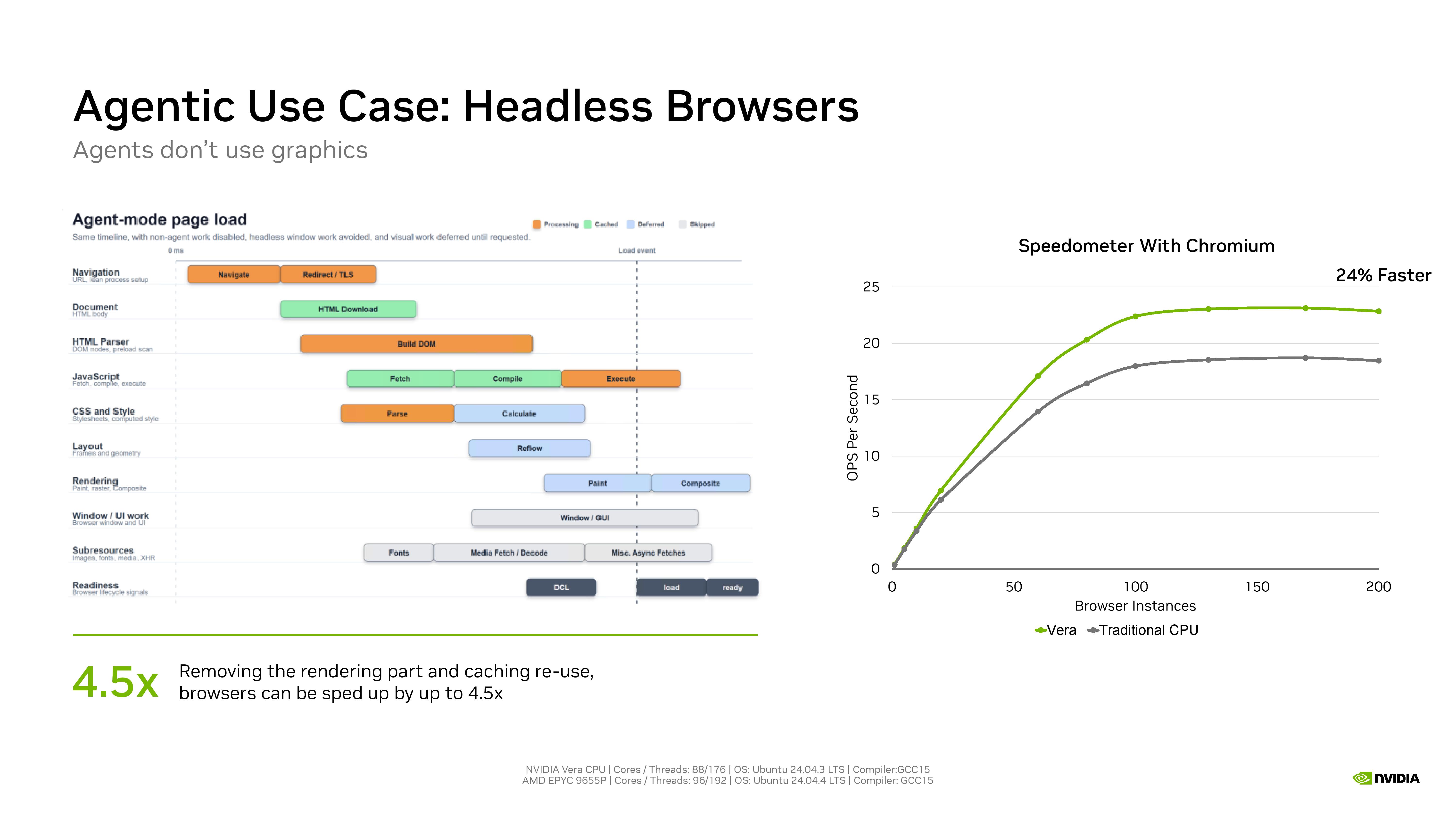
Nvidia has provided more color on its Vera CPU for agentic data centers at Hot Chips 2026, showcasing the benefits of spatial multithreading and the power benefits of the LPDDR5X memory system.
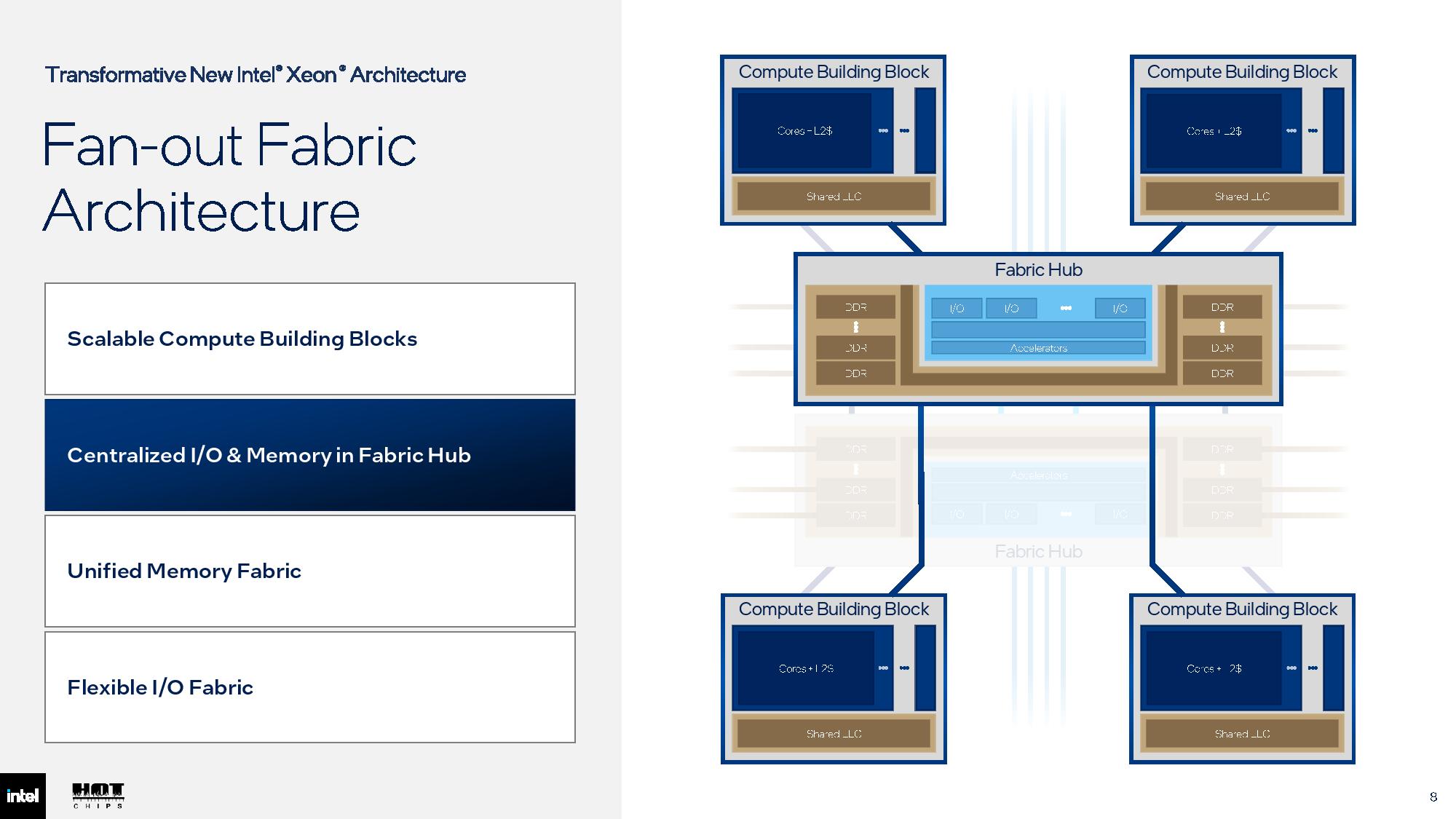
Intel has pulled back the curtain on its next-gen Diamond Rapids Xeon CPUs, packing up to 256 P-cores and 1.28 TB of last-level cache.
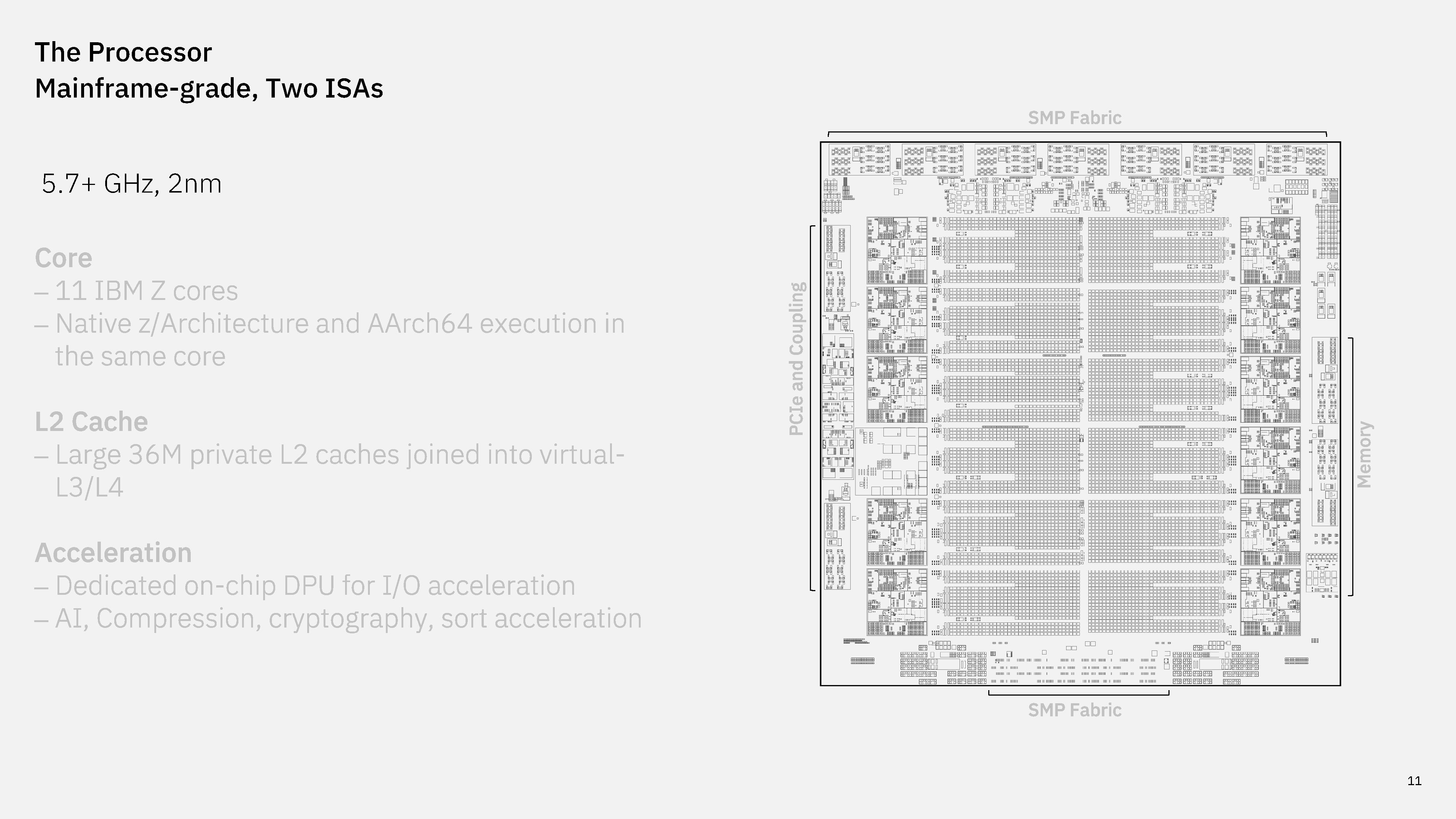
IBM is vastly expanding softwarte support on its mainframes with its first dual-ISA CPU core that natively supports z/Architecture and ARM instructions.
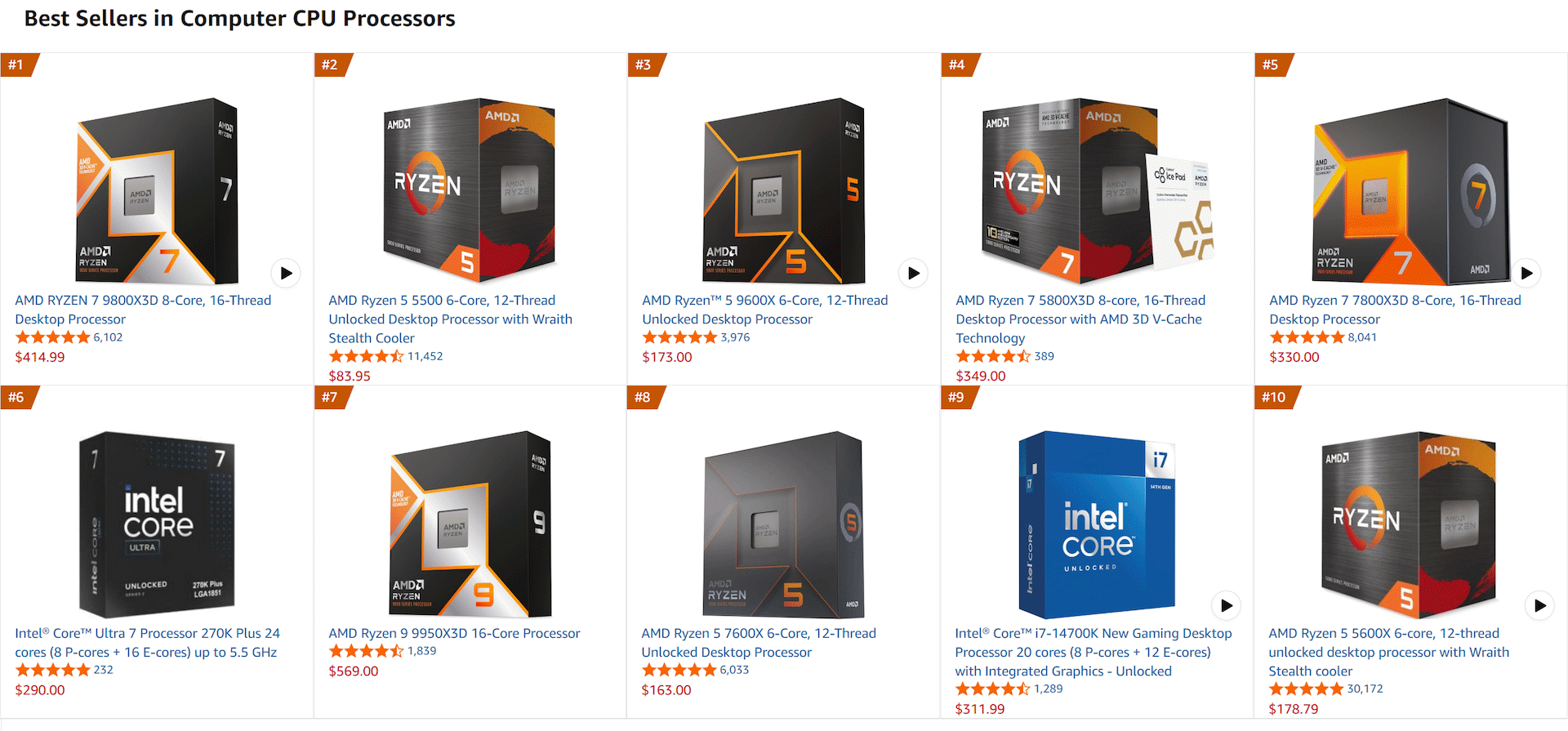
AMD has dominated the DIY space so thoroughly over the last few years that an Intel chip appearing in the top 10 at all is notable, but it’s not really that surprising if you look at the details.
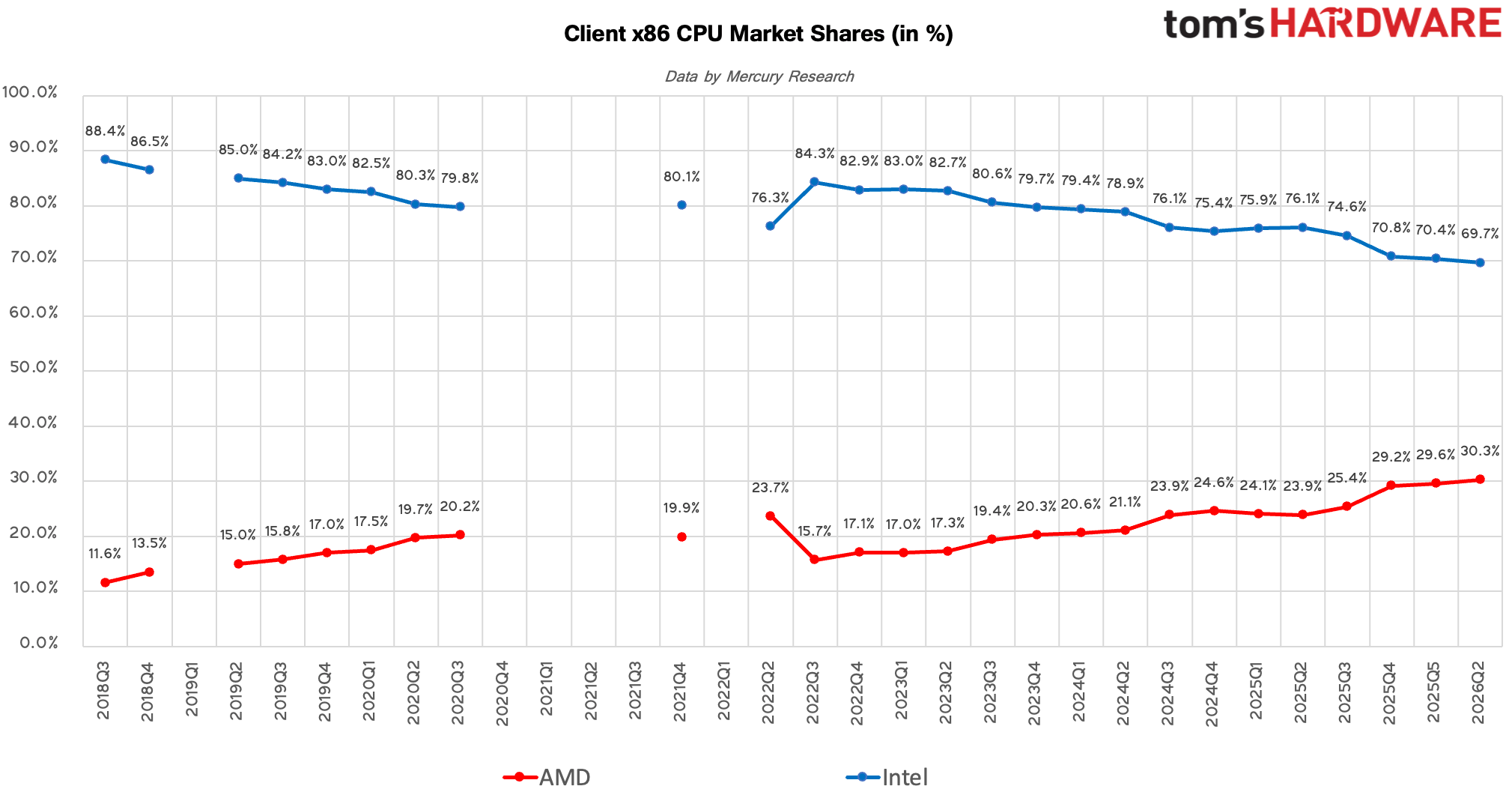
As Intel boosts output of data center and notebook CPUs, AMD manages to outgrow it and keep capturing market share from its arch-rival.
Nova Lake desktop CPUs look to be the exclusive recipient of bLLC, Intel’s answer to AMD’s X3D, as the company looks to debut bLLC on mobile with Razor Lake-HX, and possibly Razor Lake-AX. As such, the Razor Lake family is also rumored to be manufactured on TSCM’s N2X process node.
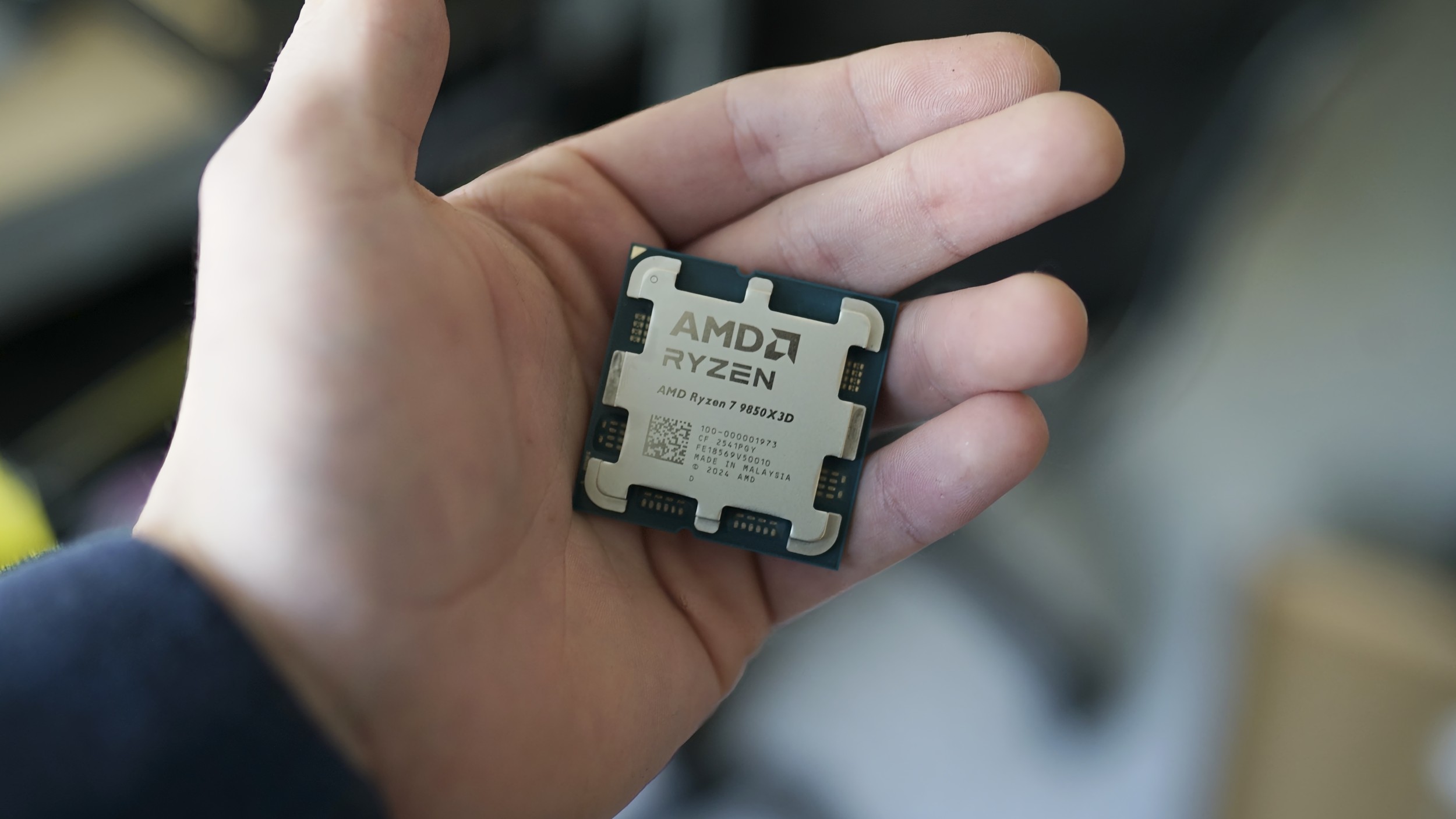
Intel’s Robert Hallock says he hopes enthusiasts “do the math” compared to AMD, highlighting that the company’s new core architecture will release in consumer processors before the data center.
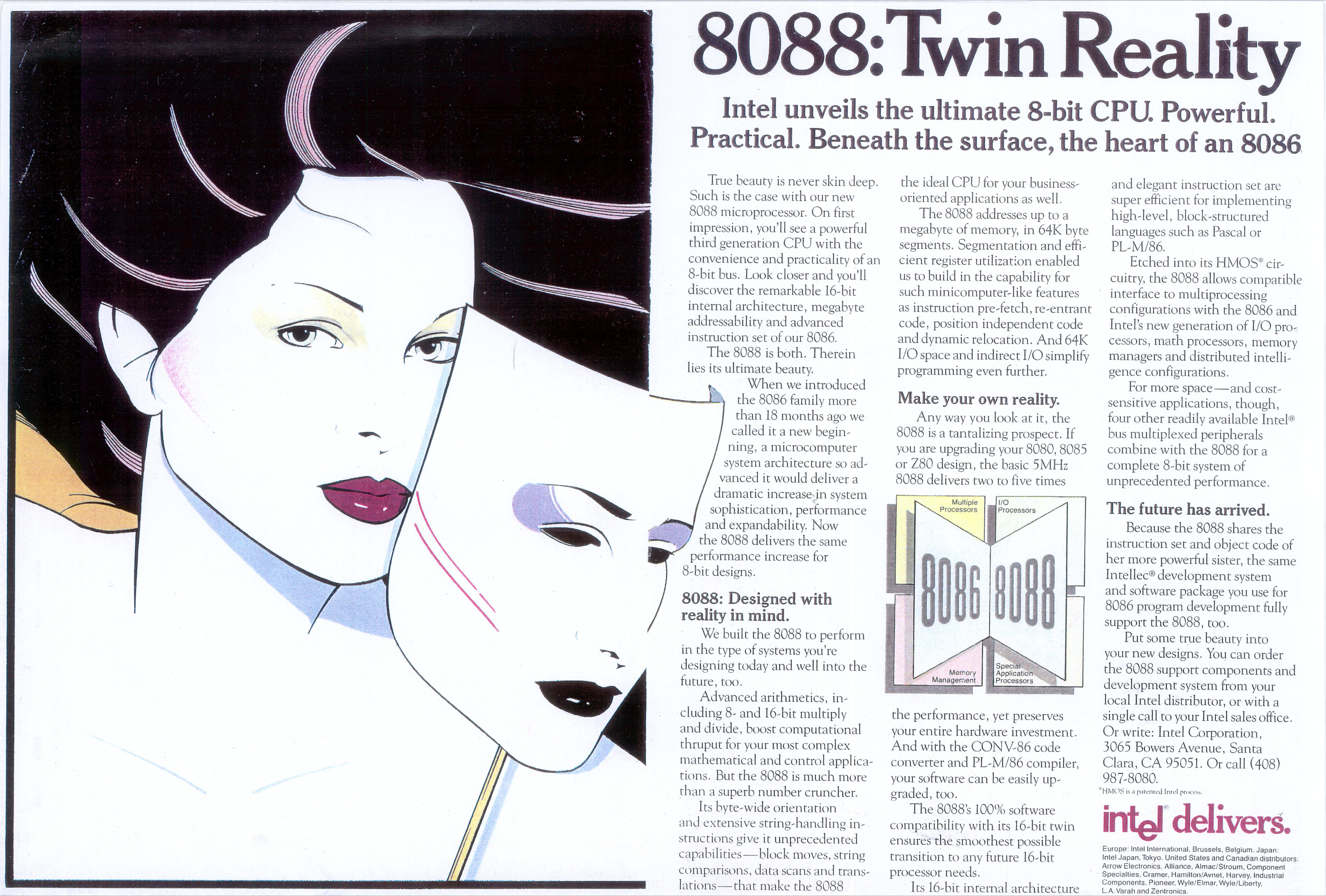
45 years ago, in August 1981, the PC age began in earnest with the launch of the IBM PC Model 5150. At its heart was the Intel 8088 microprocessor.
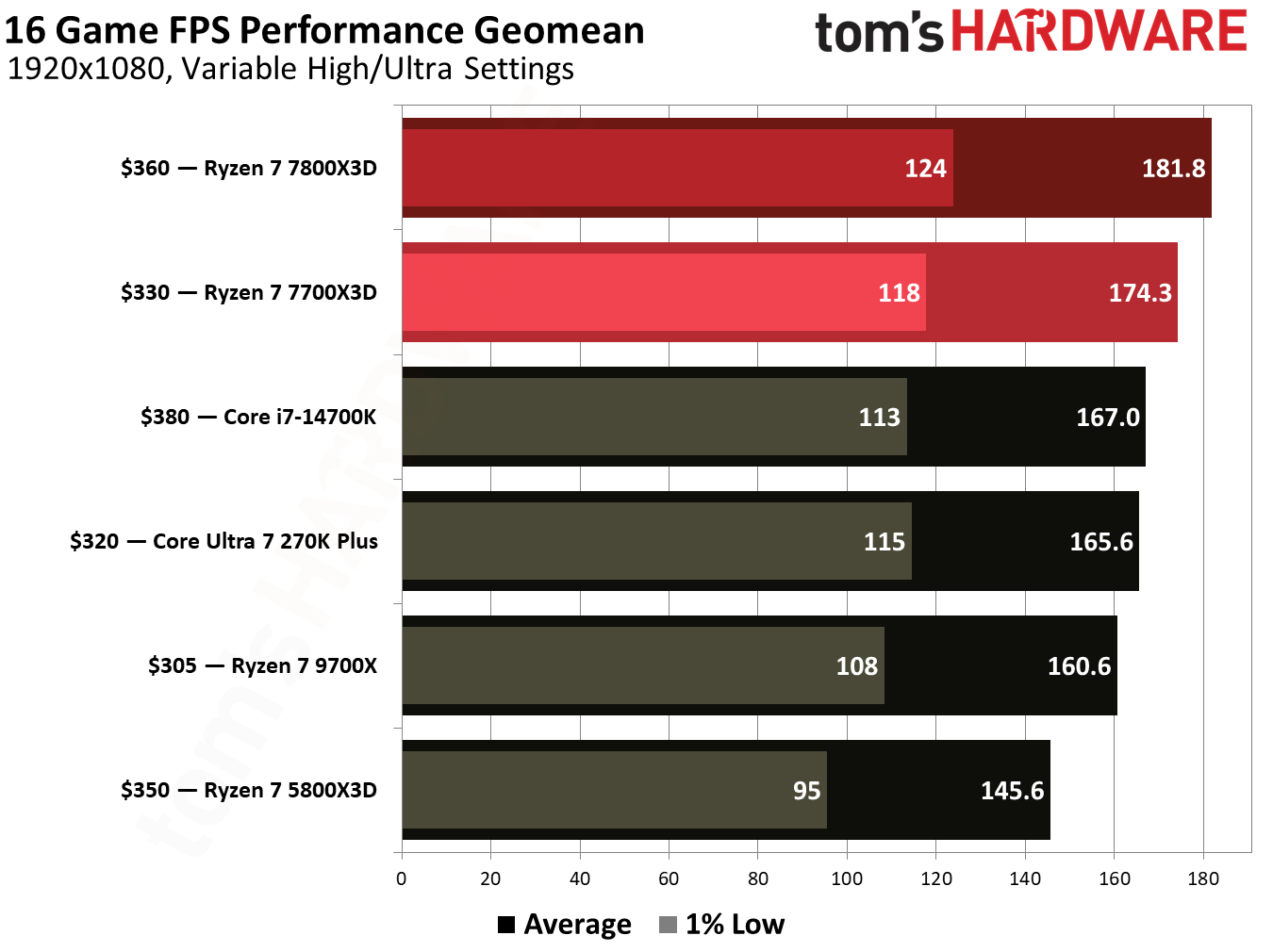
AMD’s Ryzen 7 7700X3D takes on the old favorite across performance, pricing, and power consumption.
Intel VP Robert Hallock suggests the PC industry is going to see a split between mainstream and enthusiast sockets if current market conditions don’t let up.