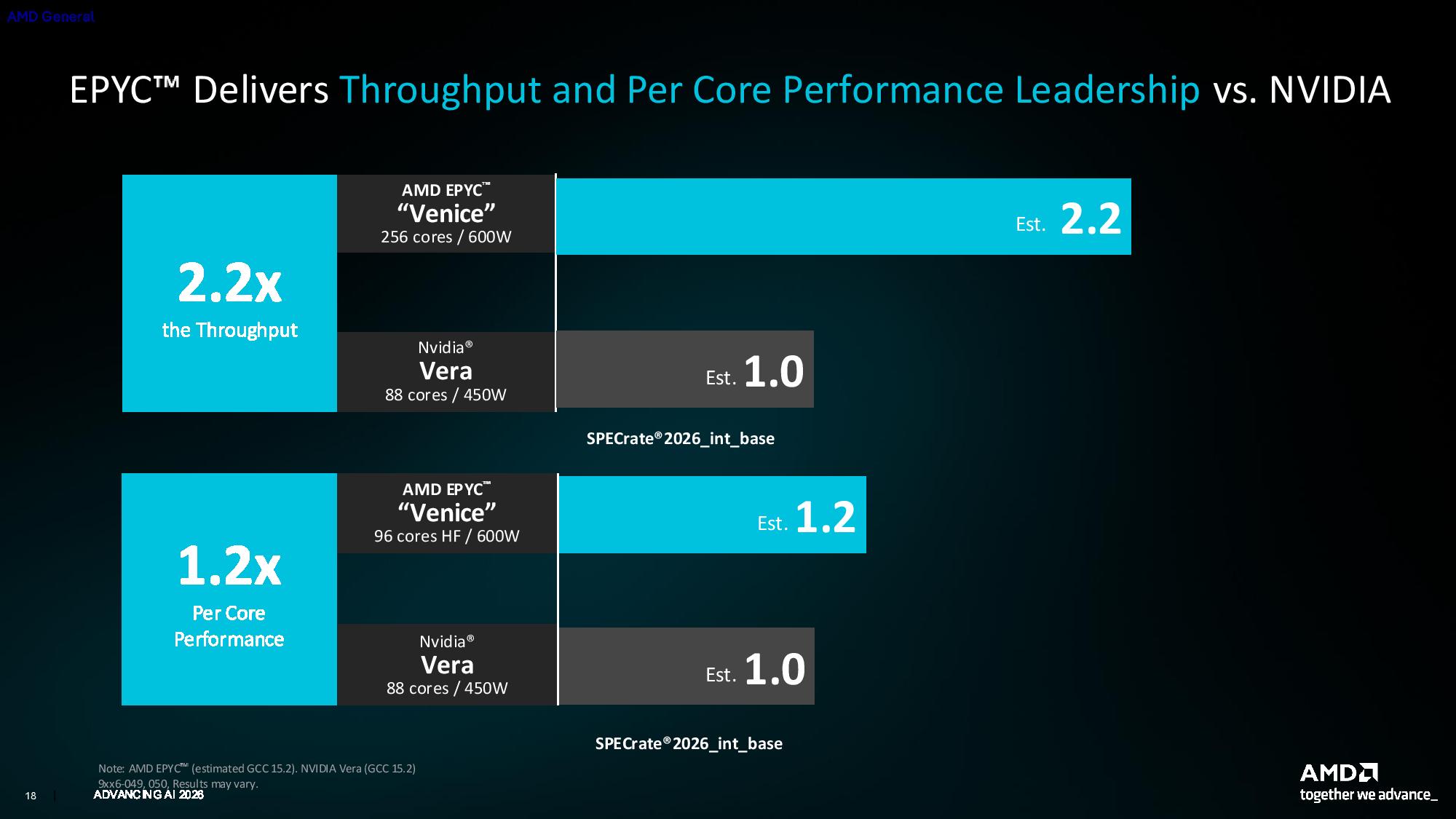
Nvidia took the first stab with its Vera results earlier this week, and now AMD is biting back with SPEC results for its Zen 6 ‘Venice’ CPUs, as well.
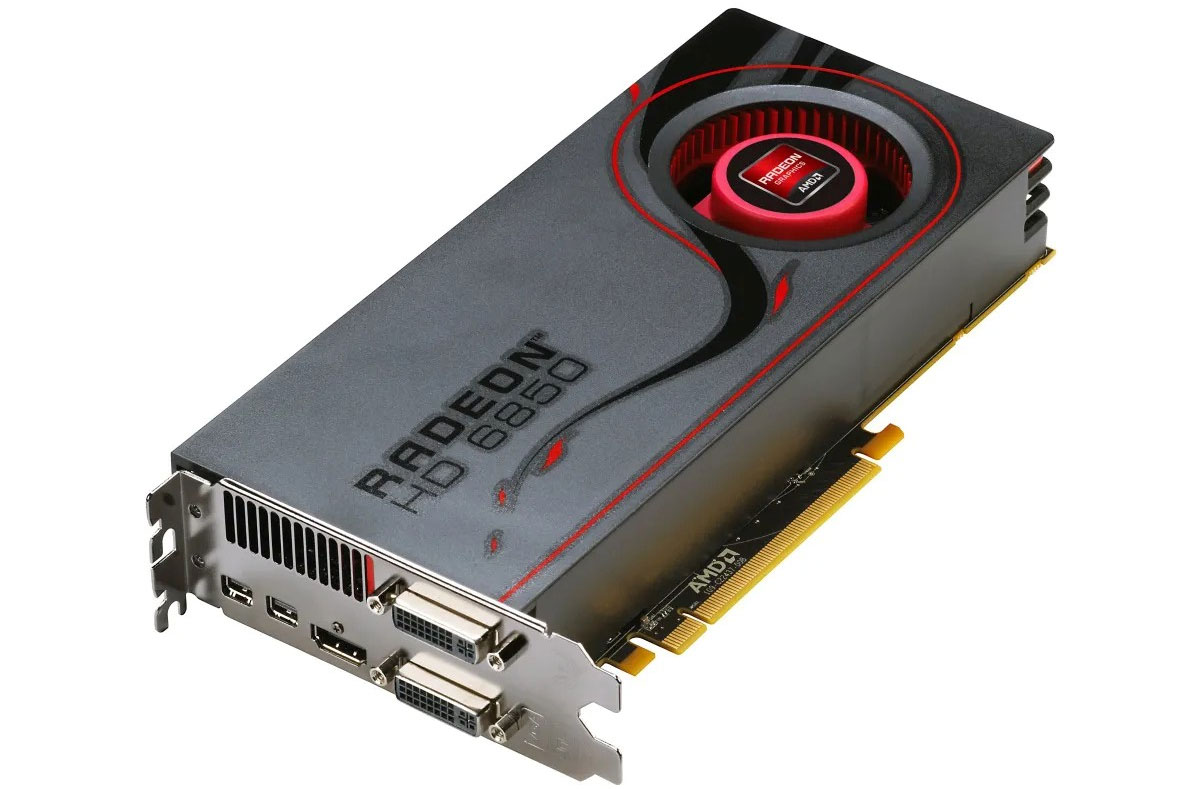
On this day in 2006, AMD confirmed its acquisition of graphics chip firm ATI. AMD stumped up a cash-and-stock deal worth a total of $5.4B for the Canadian PC graphics innovators.
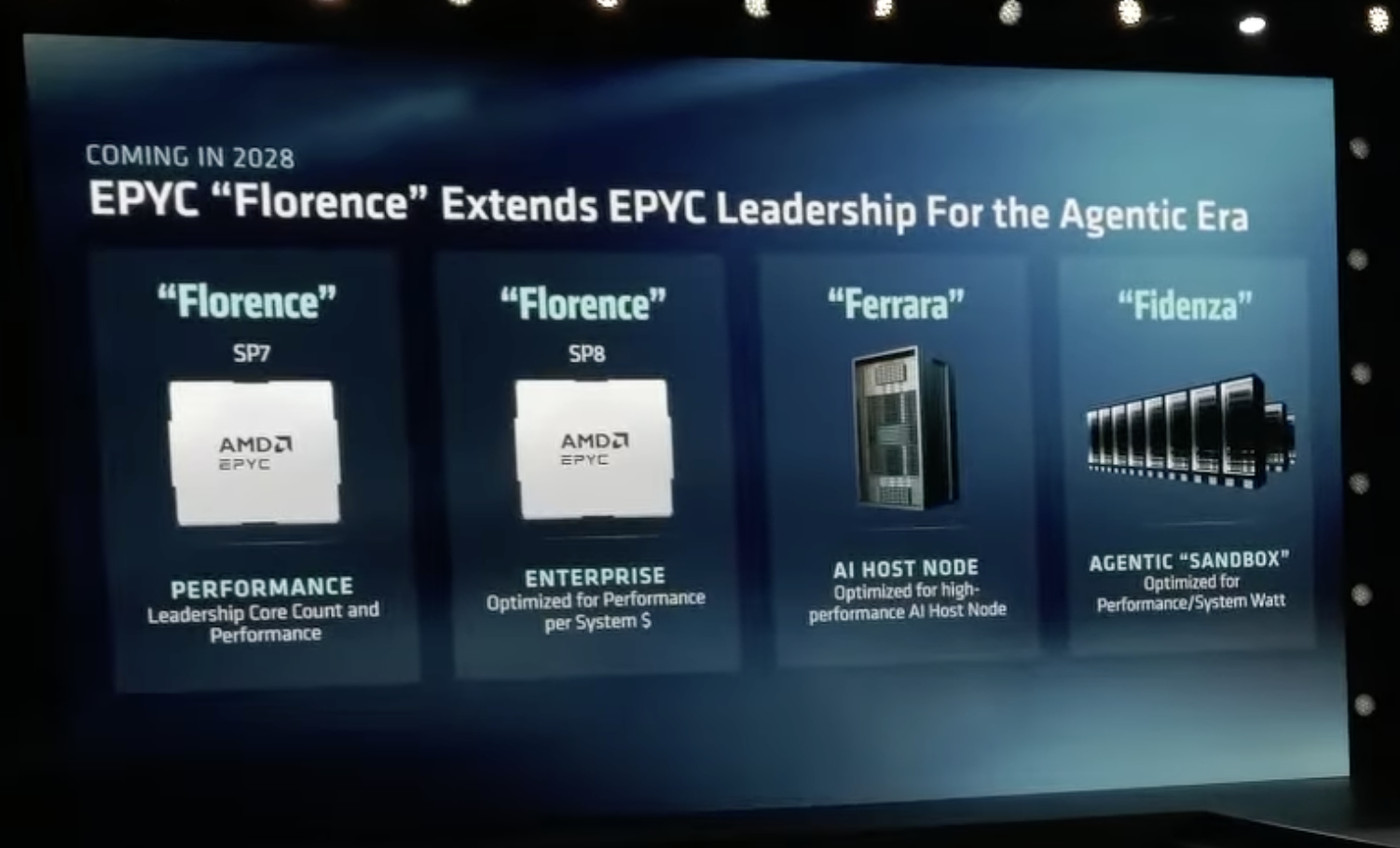
AMD’s Lisa Su shows off the company’s roadmap through 2030, including teases of Zen 7 and Zen 8 CPUs.
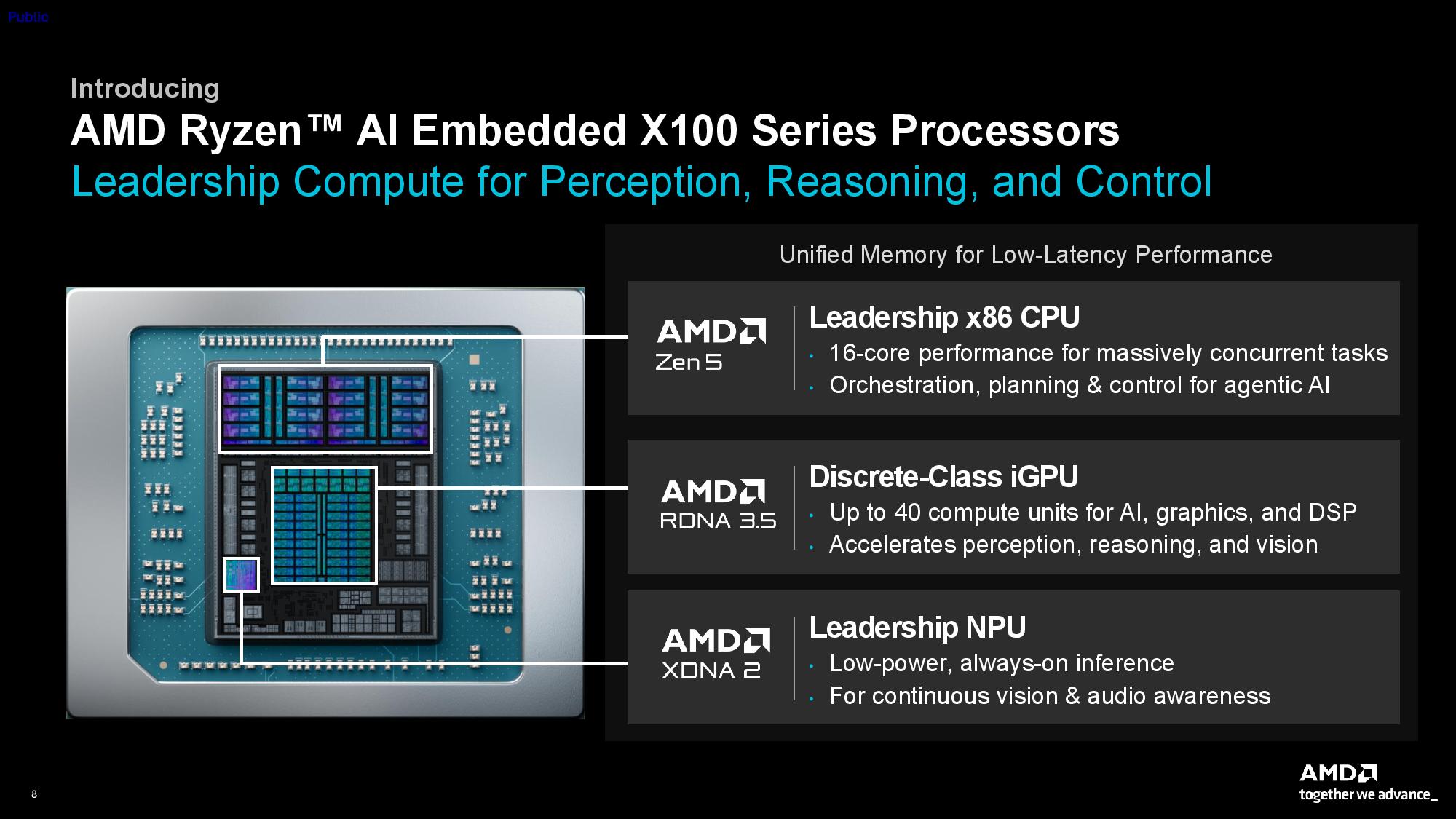
Countering Intel’s recent moves, AMD is bringing its Strix Halo APUs to the realm of robots, and physical AI. Designed for 24/7 operation and a 10-year embedded lifecycle, X100 will also be offered as a Kria System on Module (SOM) robot developer platform.
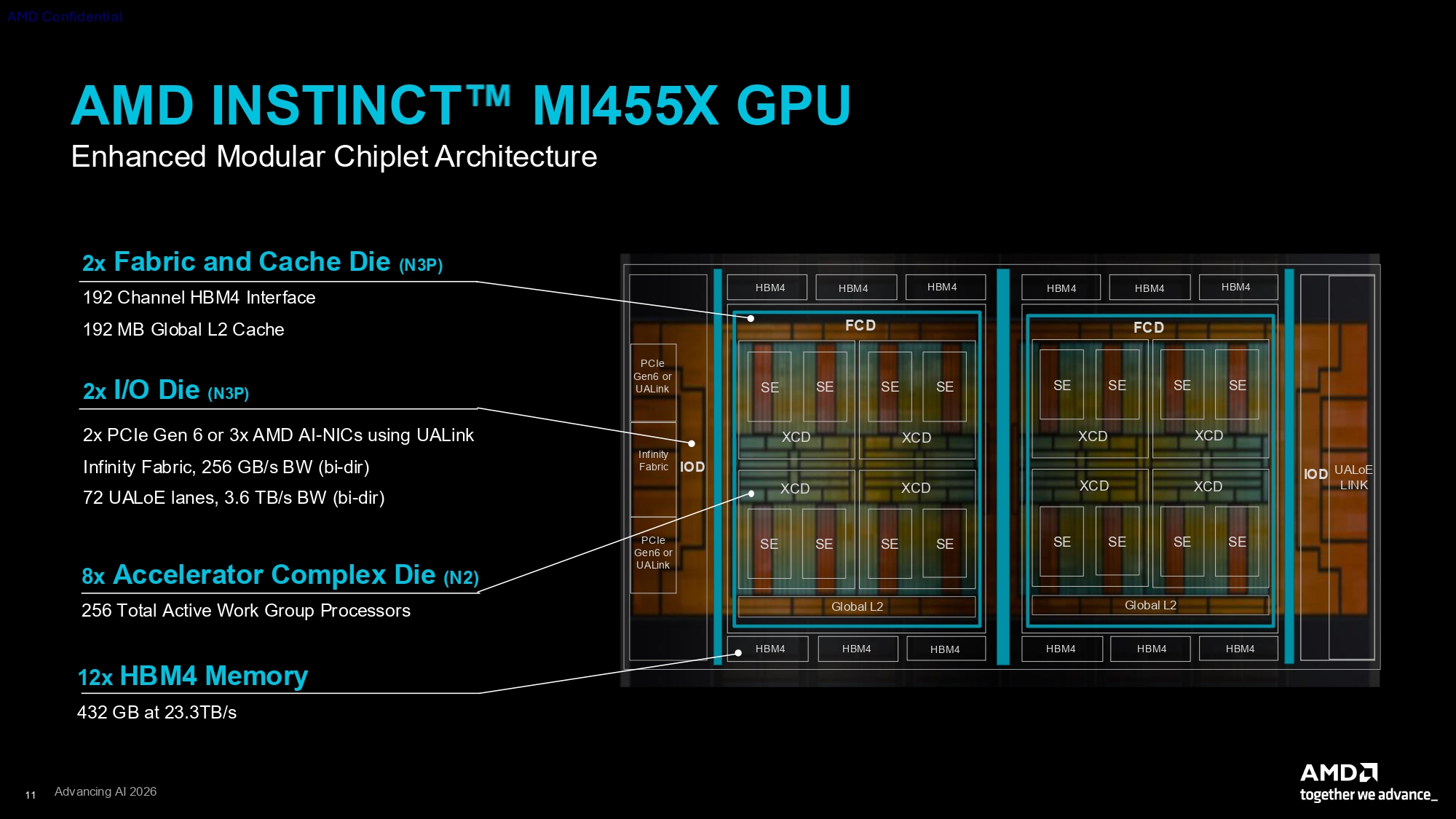
AMD showed off its MI455X accelerator at its Advancing AI 2026 event, demonstrating its strong competitive performance, large HBM memory capacity, and Helios rack-scale architecture.
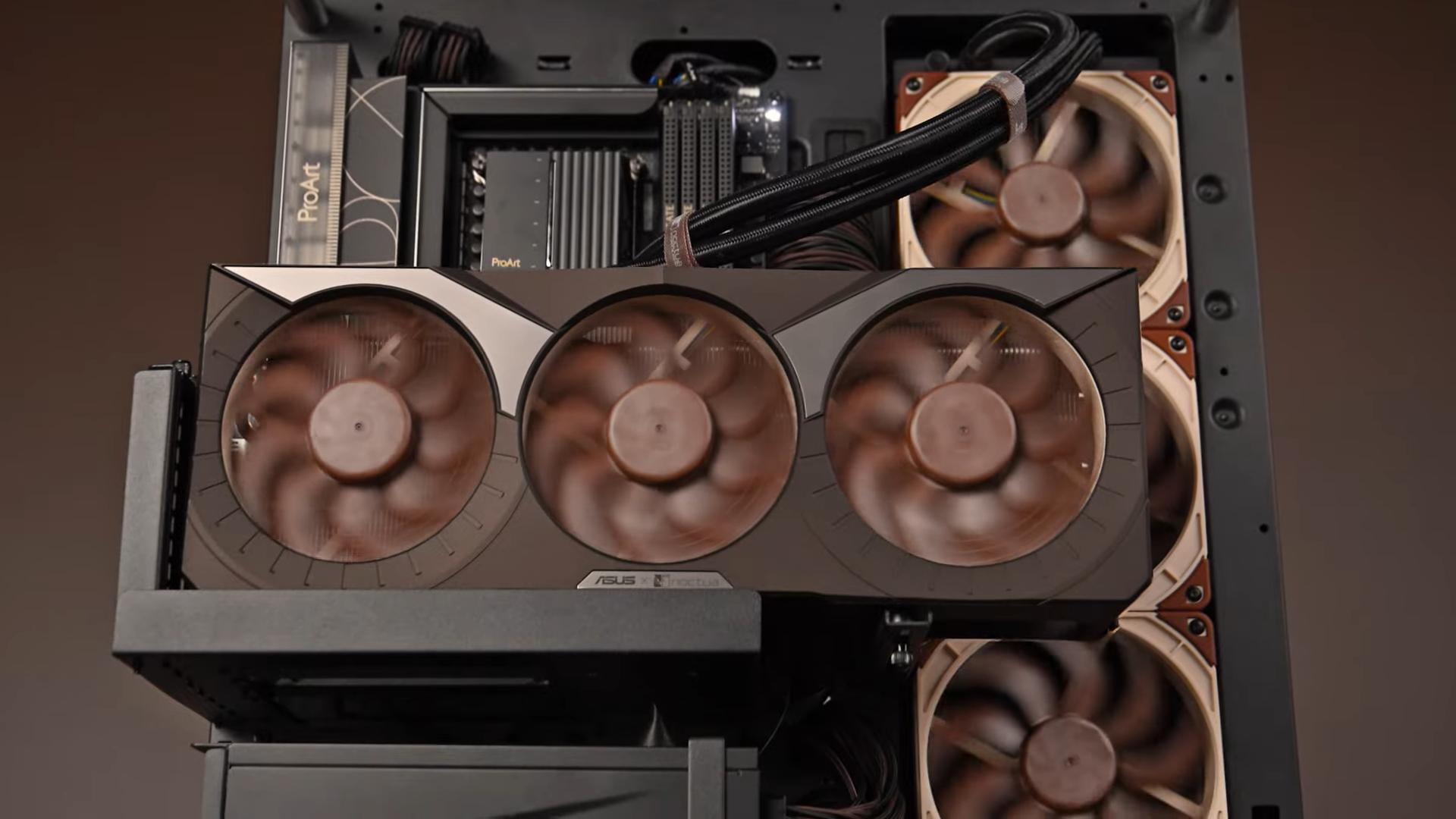
A gaming enthusiast leverages Lossless Scaling to supercharge a gaming PC with a GeForce RTX 3090 and GeForce RTX 3050 to deliver up to 144 FPS at 4K.
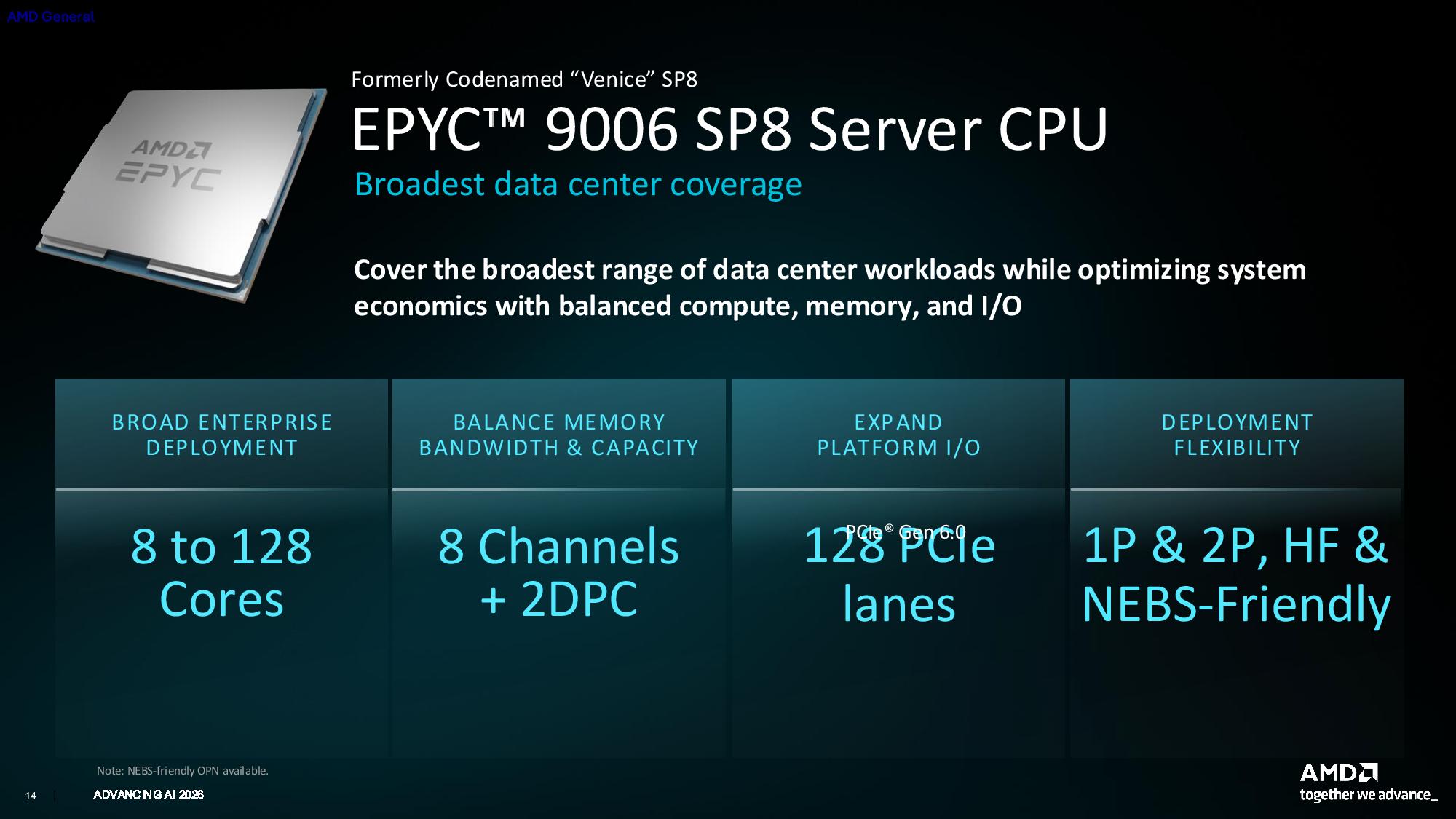
After over a year of teases, AMD has finally provided details on its 256-core Venice CPU with the Zen 6 architecture, now known as the Epyc 9996.
AMD is returning to 3D V-Cache in its data center range of CPUs with Venice-X, which it has confirmed will launch in the second half of 2027, with 1152 MB of L3 and clock speeds up to 5.15 GHz.
GM CFO Paul Jacobson says that the company’s costs are expected to increase by $1.5 to $2 billion, primarily due to increasing memory chip costs. The move comes as the RAM shortage is affecting the automotive industry, right as cars are requiring more memory and storage due to infotainment and ADAS features.
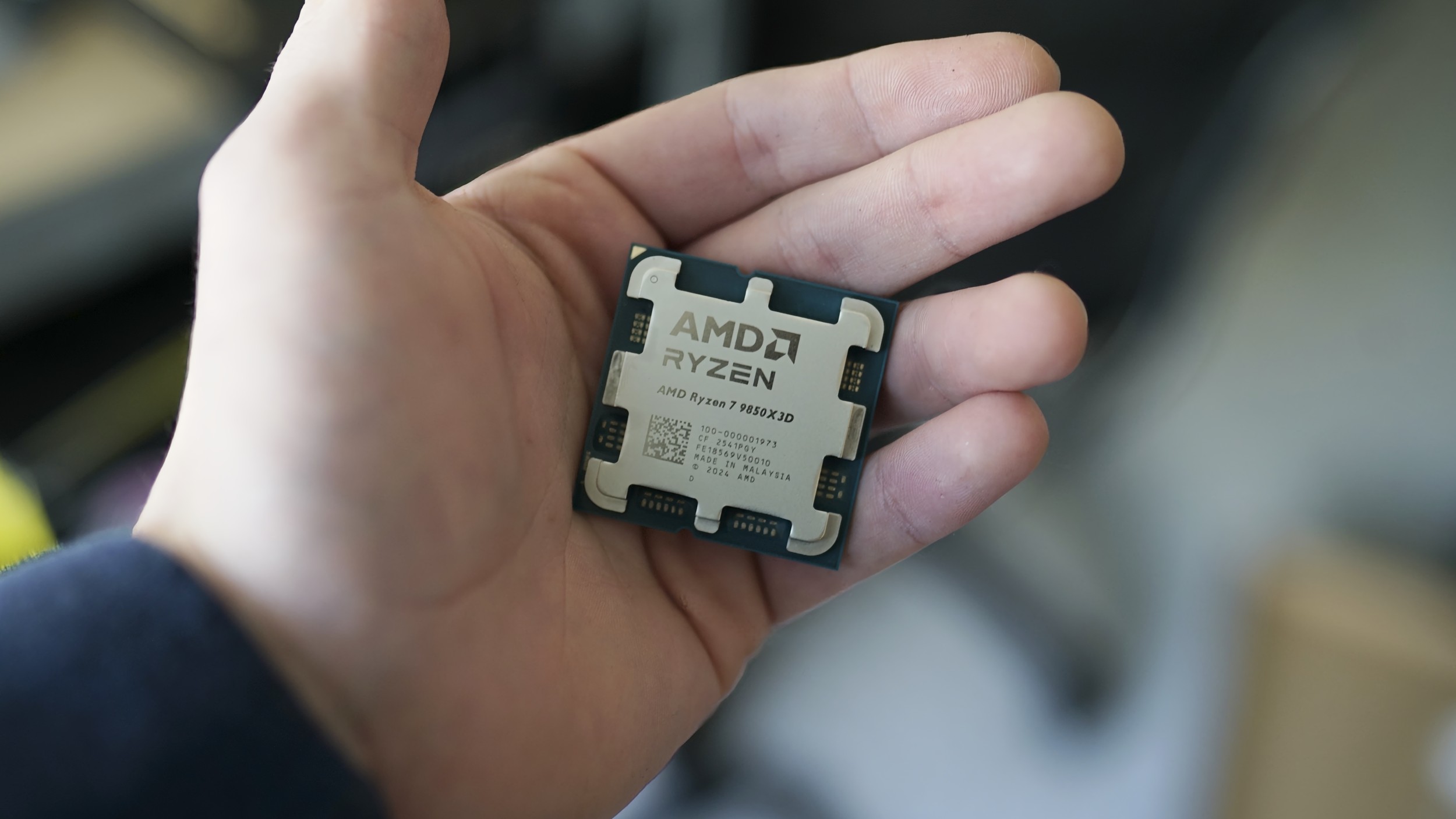
Some customers have discussed commitments running two years or longer, one source told Reuters.