
Two spacecraft operated by the company Impulse Space pulled off an impressive orbital feat recently, coming within less than 650 feet of each other.
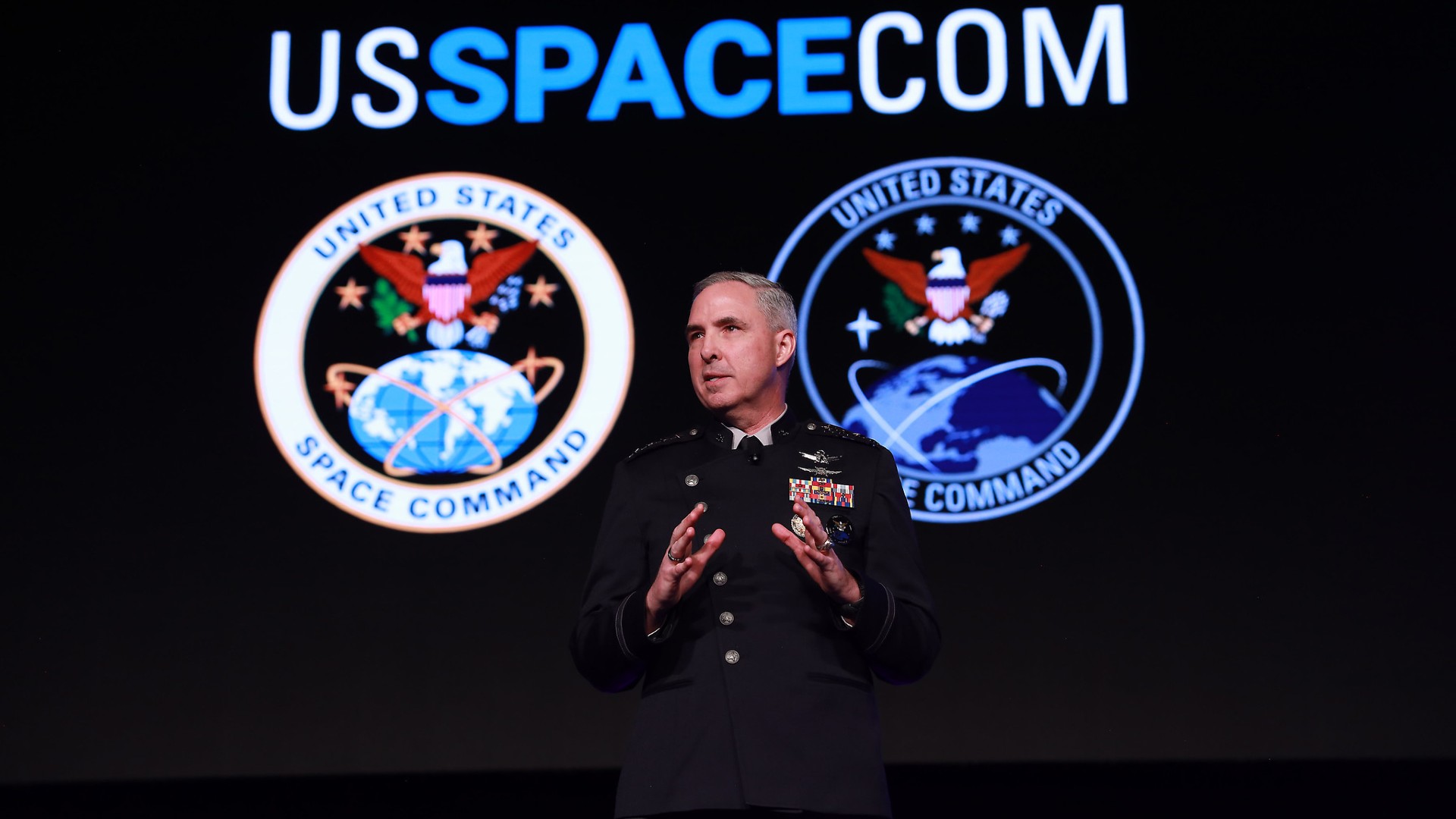
United States Space Command just held its first-ever “Apollo Maneuvers” exercise, which saw spacecraft maneuvering in orbit through simulated contested environments.
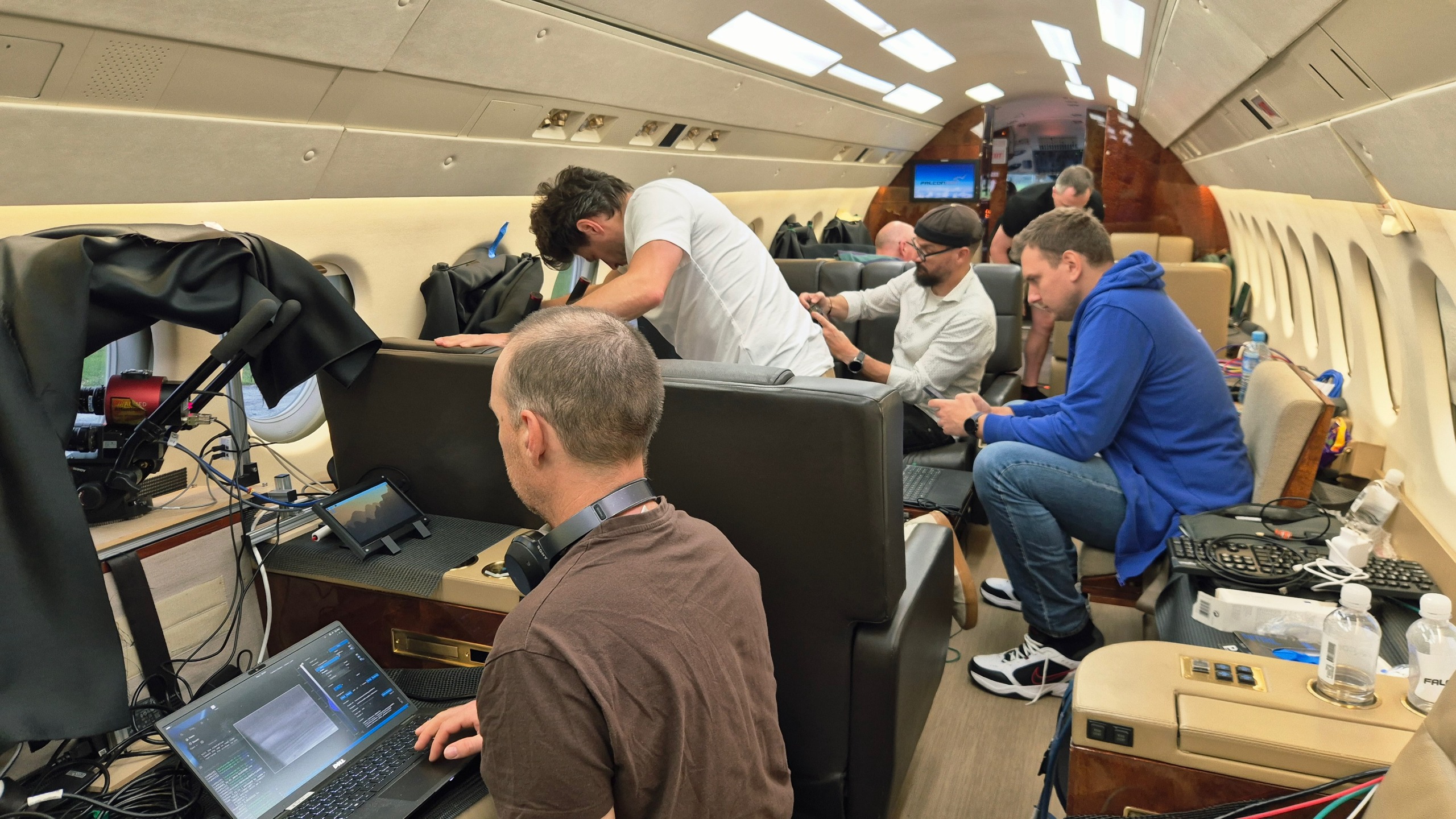
A team of researchers just chased a pair of reentering satellites in a private jet to learn about the pollution caused by space debris burning up in Earth’s atmosphere.

Was an usual flash detected off the coast of South Africa by an American satellite caused by a secretive atmospheric nuclear test?
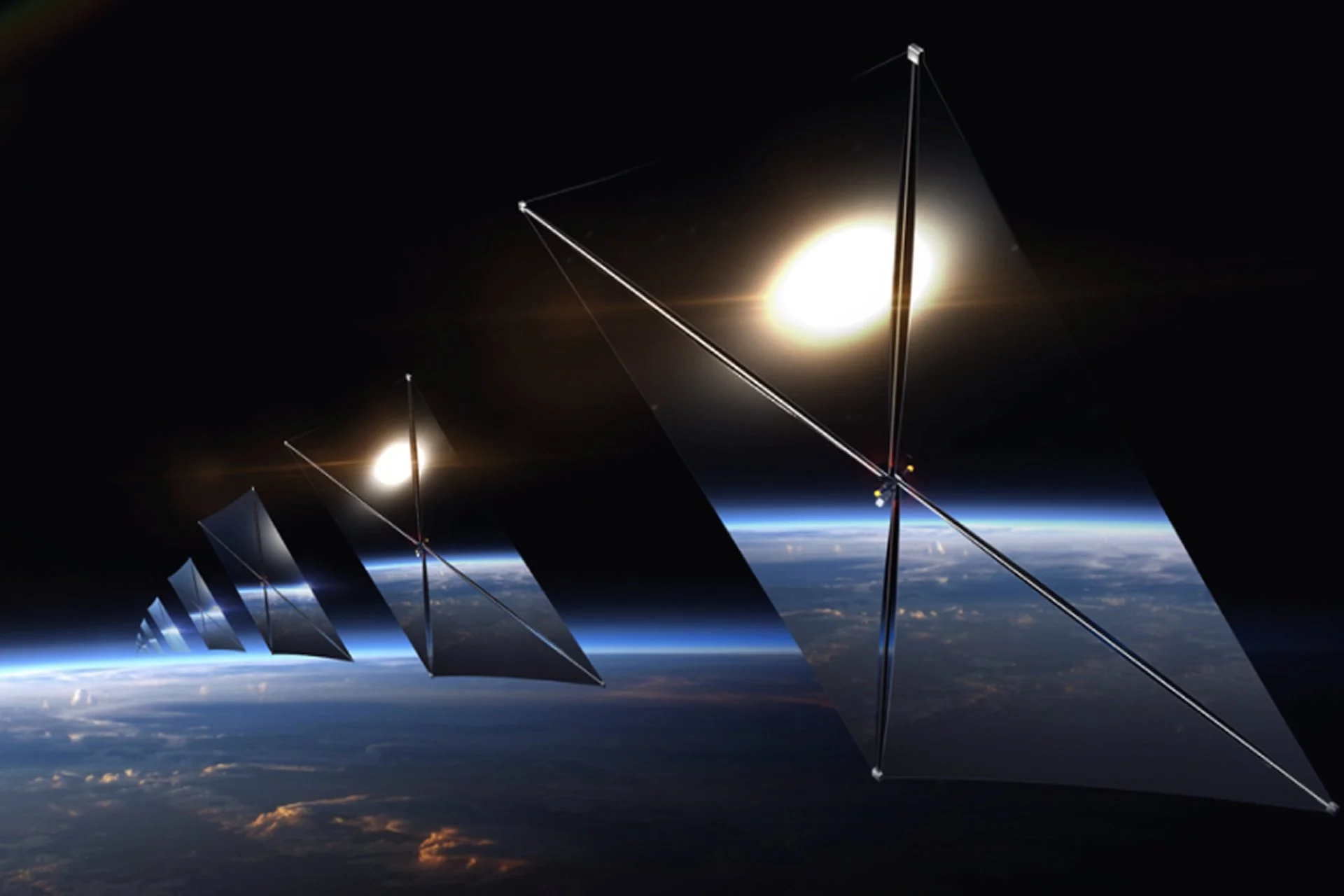
Sun-reflecting space mirrors proposed by U.S. startup Reflect Orbital will have an even more devastating effect on the night sky around the world than previously thought, a study has found.
Florida-based Lonestar Data Holdings has contracted Polish startup Ares Shield to provide protection for its off-Earth data centers, in a deal worth up to $6 million.
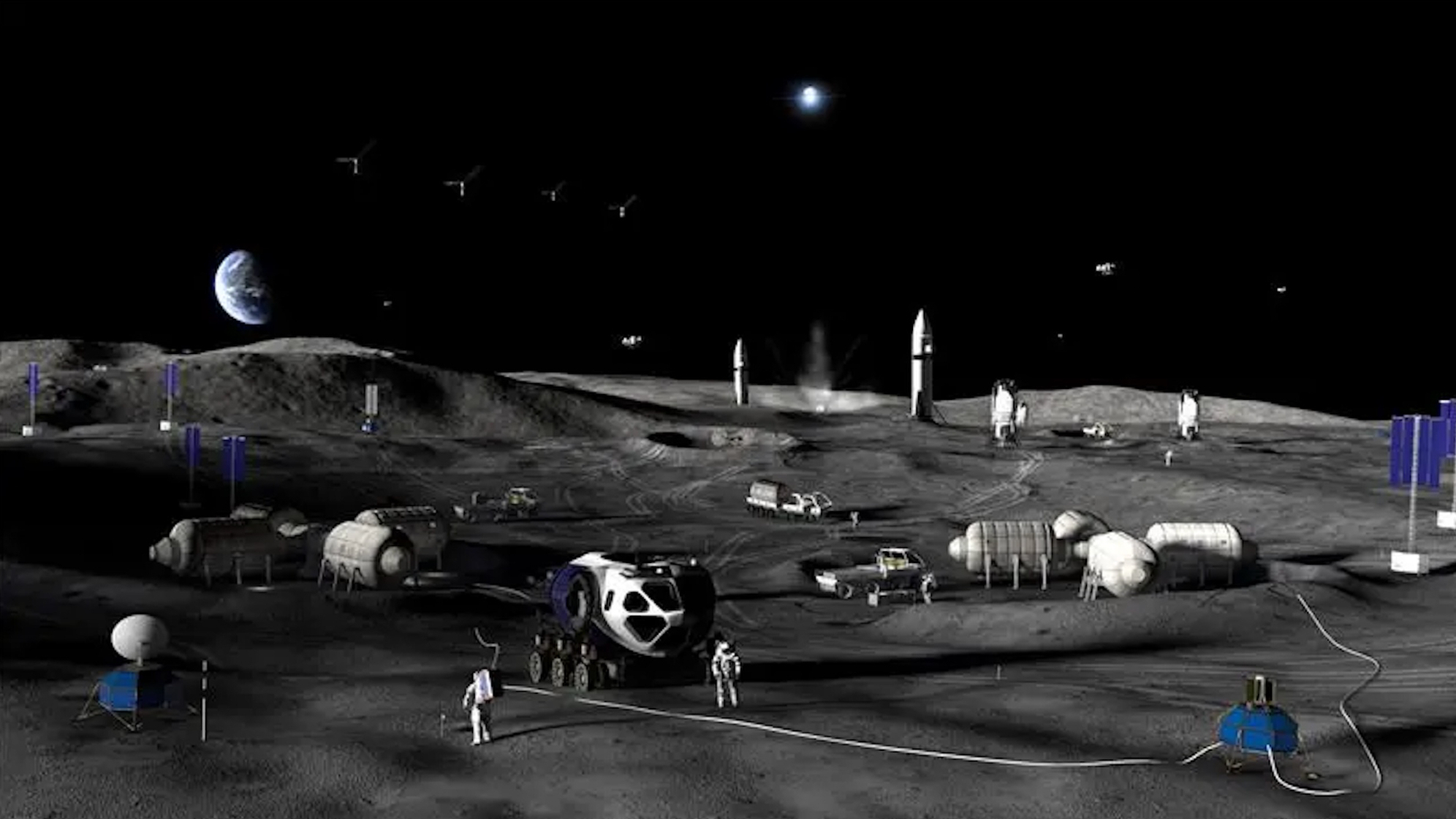
No GPS? No problem. A team of NASA satellites are extending their stay in space after successfully proving out navigation by other means.
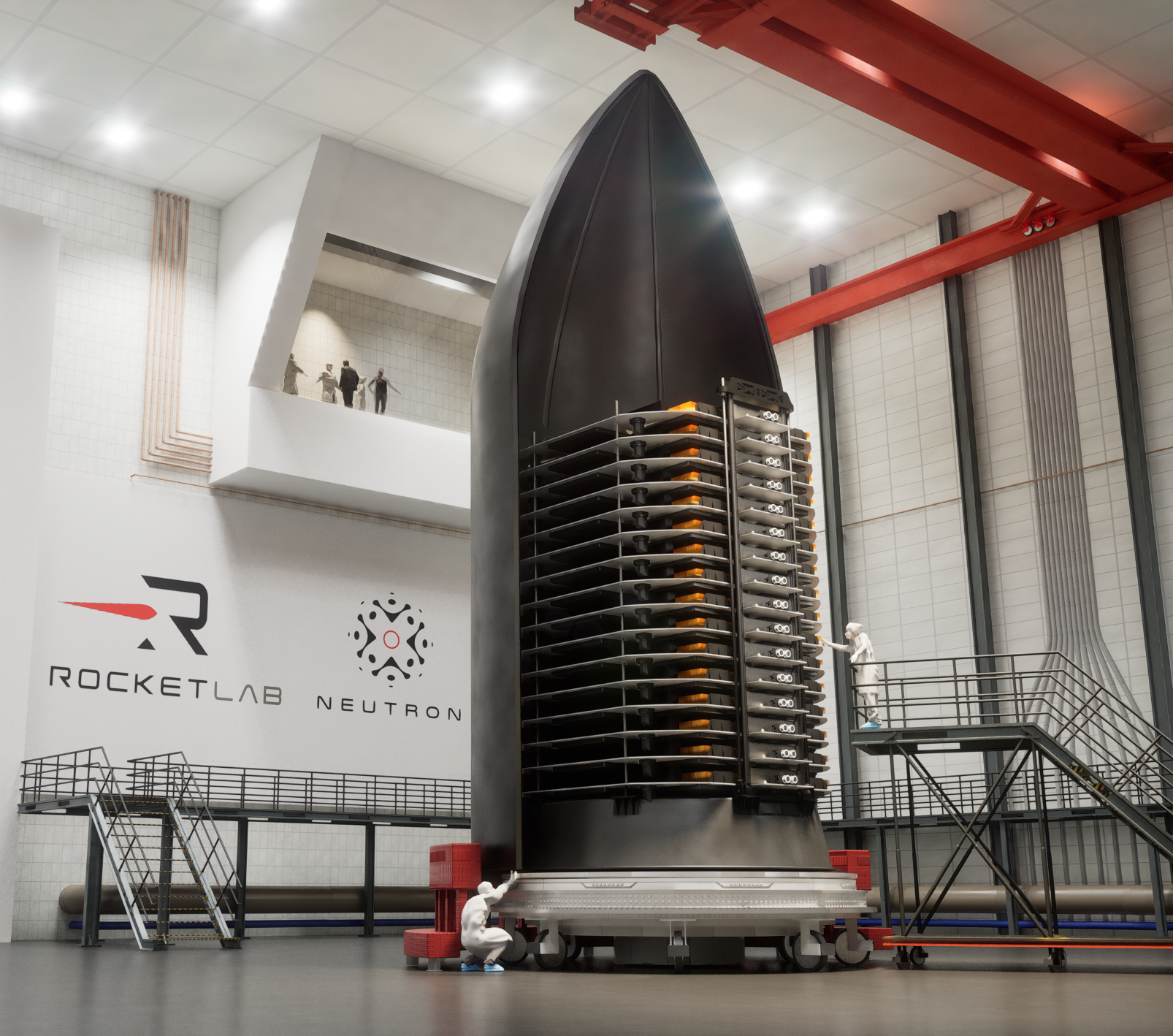
The U.S. Space Force has awarded Rocket Lab $397 million to manufacture a new fleet of “Flatellites” designed to detect and track airborne threats from space.
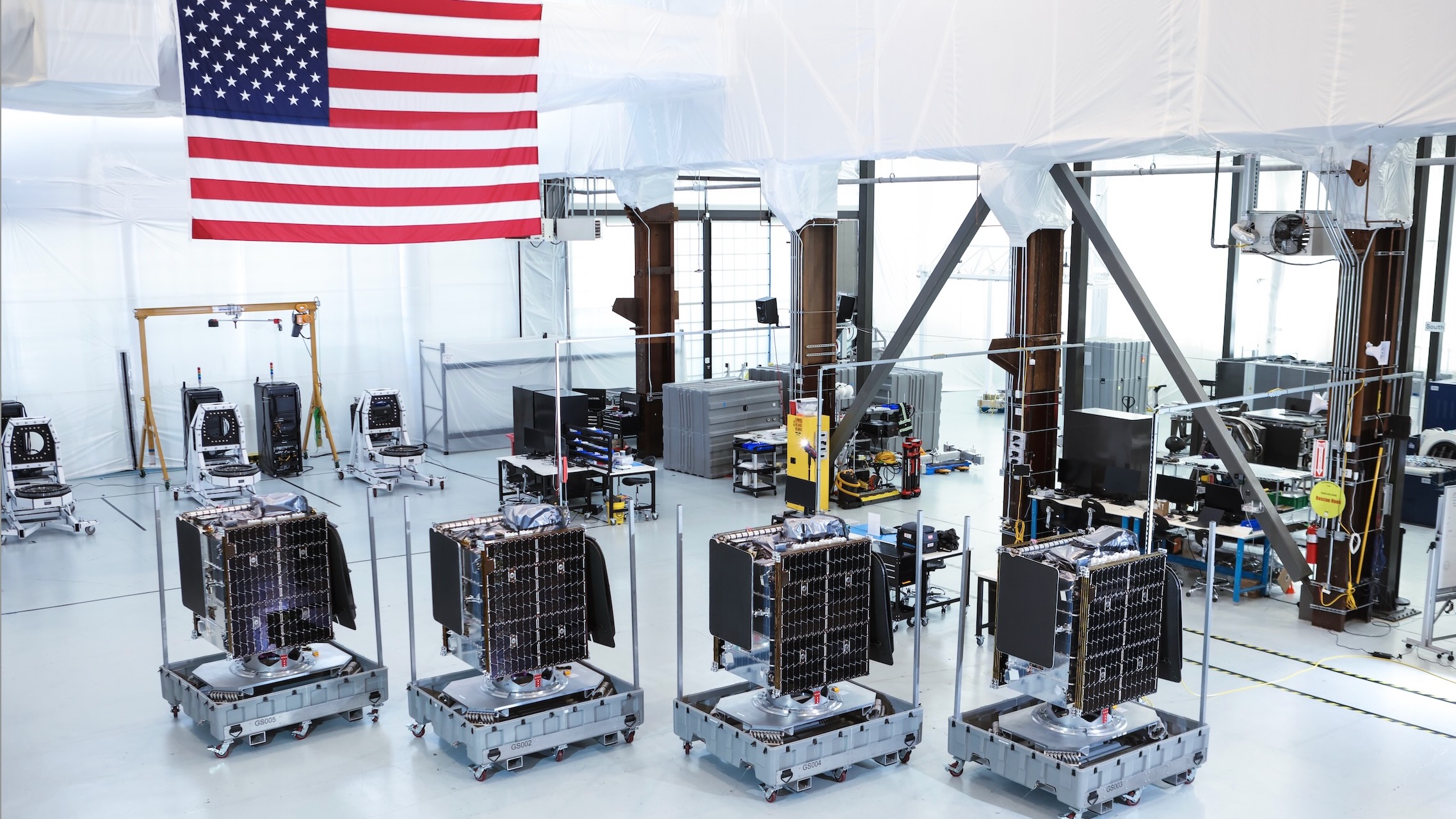
Astranis’ newly announced Perceptor spacecraft will monitor satellite activity in geostationary orbit, a distant and increasingly contested domain.
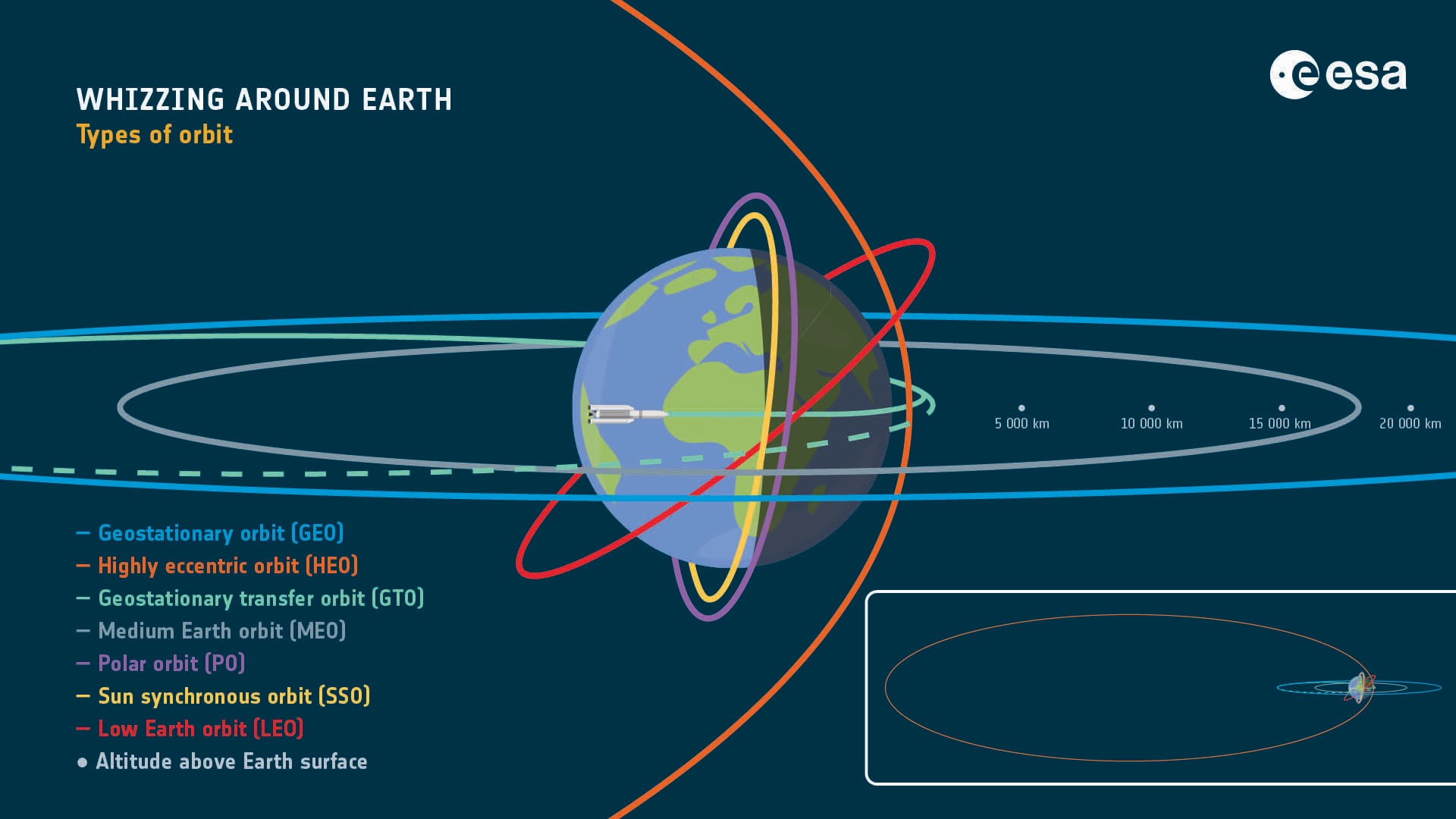
Air-breathing electric propulsion could help satellites explore a new frontier, one that lies quite close to our planet.