Though their origins may be shrouded in mystery, fast radio bursts could be used to probe some of the universe’s biggest puzzles, including the nature of dark matter and dark energy.
A “forbidden” merger between two black holes may not have been quite as impossible as previously thought. New research that suggests the black holes involved were smaller than first calculated.
Over massive supermassive black holes too big for early galaxies and detected by the James Webb Space Telescope may not be quite so massive after all.
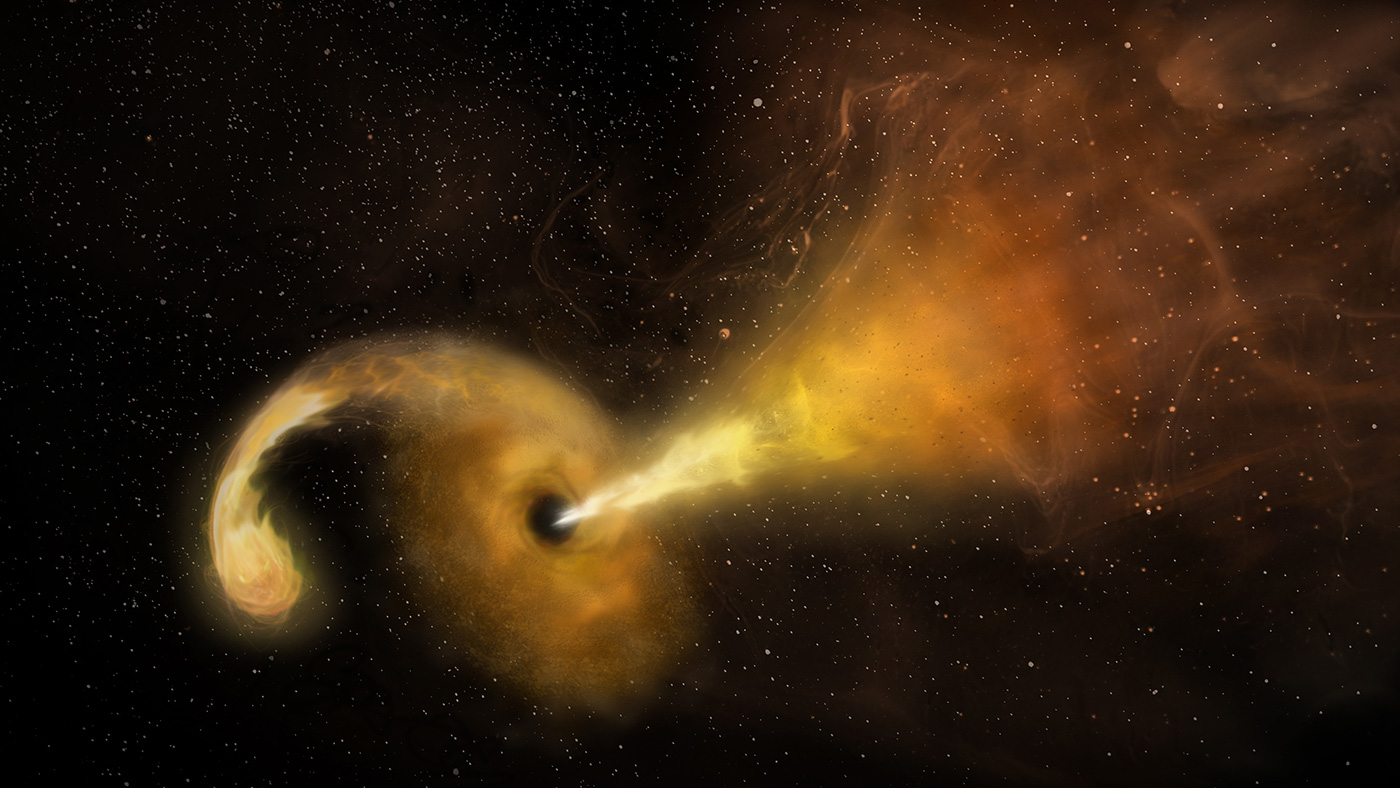
Some stars encounter supermassive black holes and live to tell the tale. New research shows why the flares these encounters cause dim over repeated episodes.
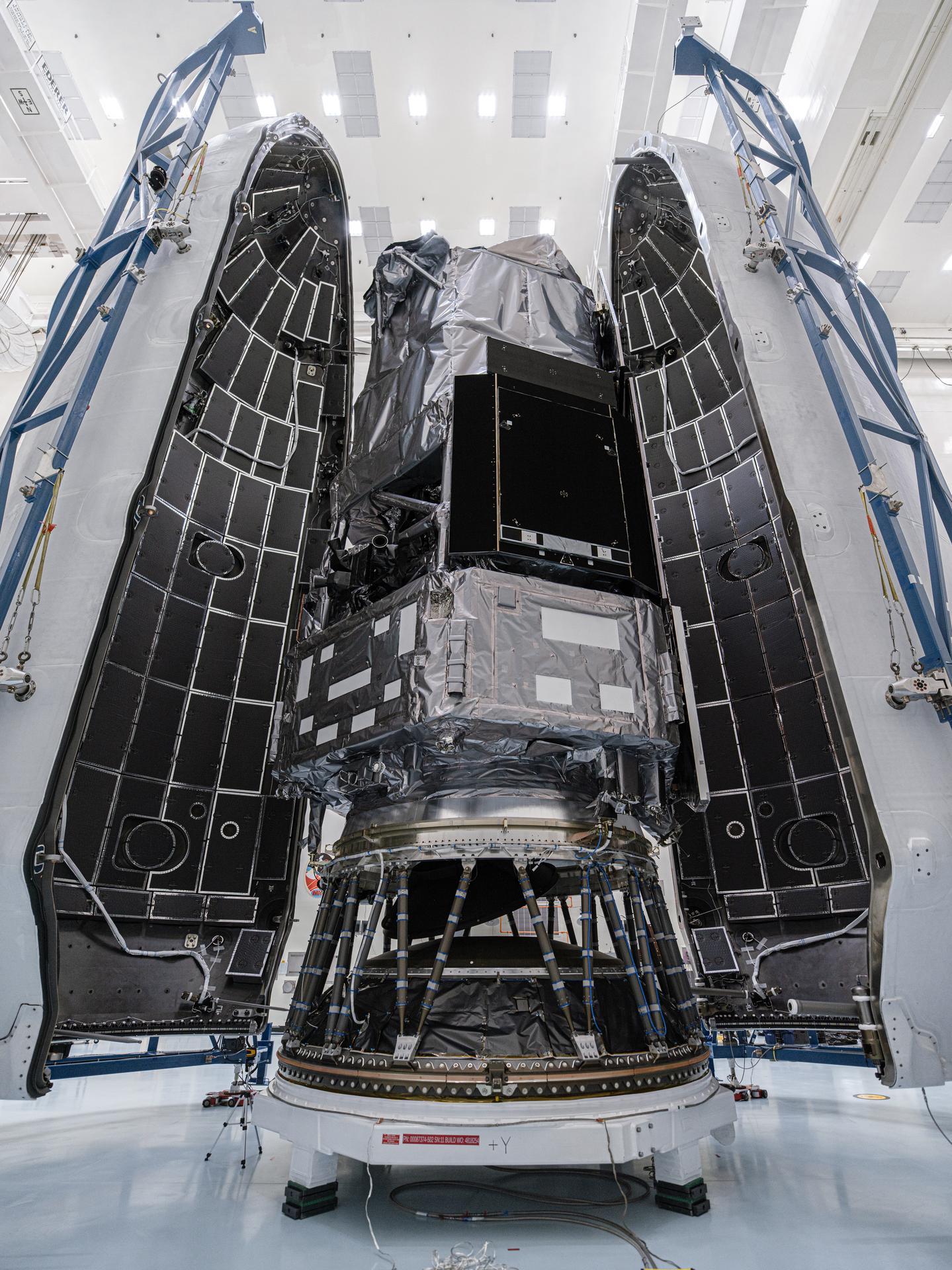
NASA’s Nancy Grace Roman Space Telescope is set to launch at 7:26 a.m. EDT on Sunday, Aug. 30. While you wait to watch the launch, brush up on some key facts about this wide-view mission. To learn more about the Roman mission, visit: https://www.nasa.gov/roman Media contact: Claire AndreoliNASA’s Goddard Space Flight Center, Greenbelt, Md.claire.andreoli@nasa.gov301-286-1940
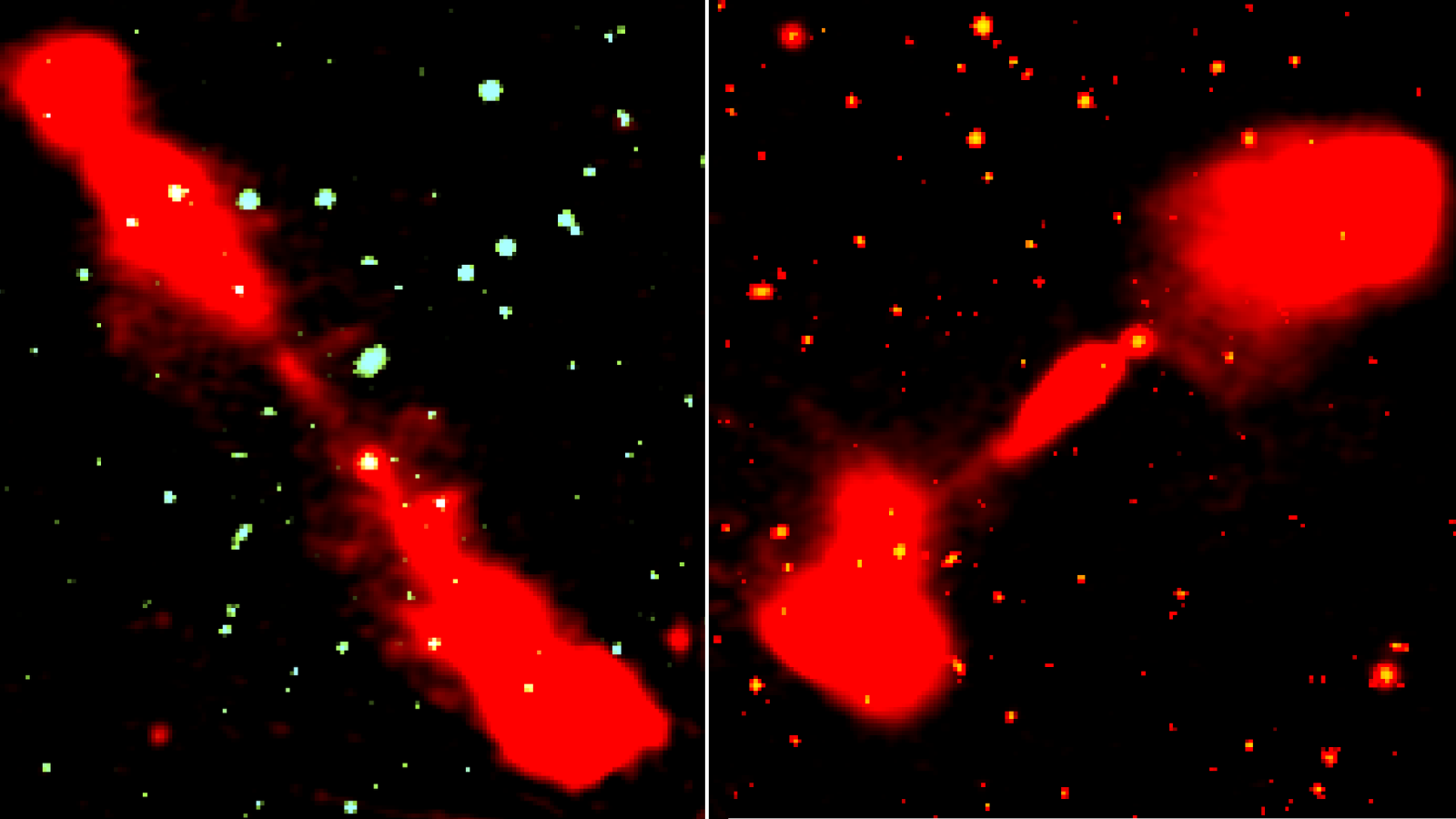
Astronomers have discovered a hitherto unseen population of galaxies with fading radio lobes, revealing what happens to these vast outflows when their black hole engines stall.
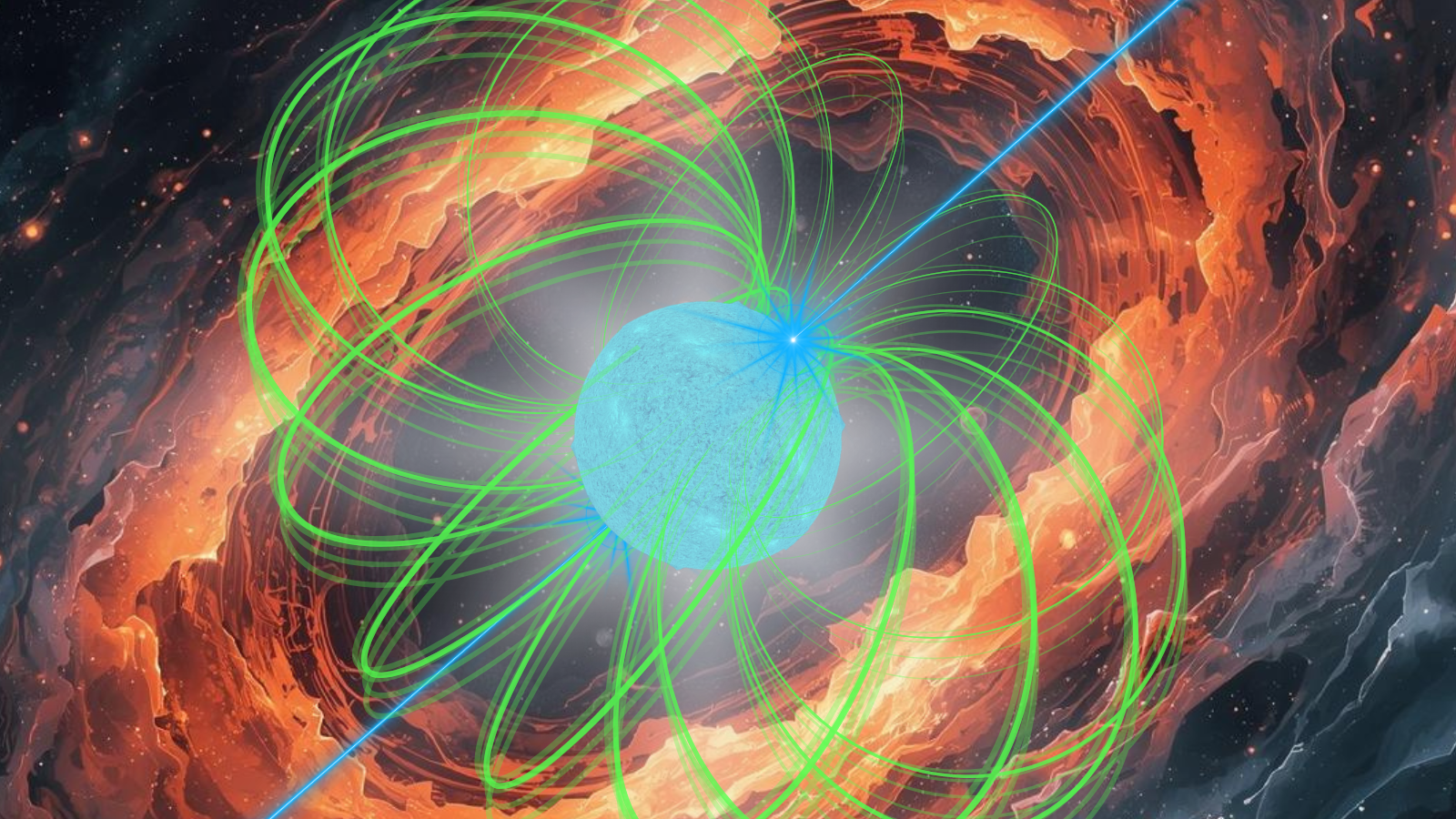
A mysterious hum of gravitational waves that fills the cosmos may be the echo of long-dead “dark stars” that served as the seeds of the first supermassive black holes.

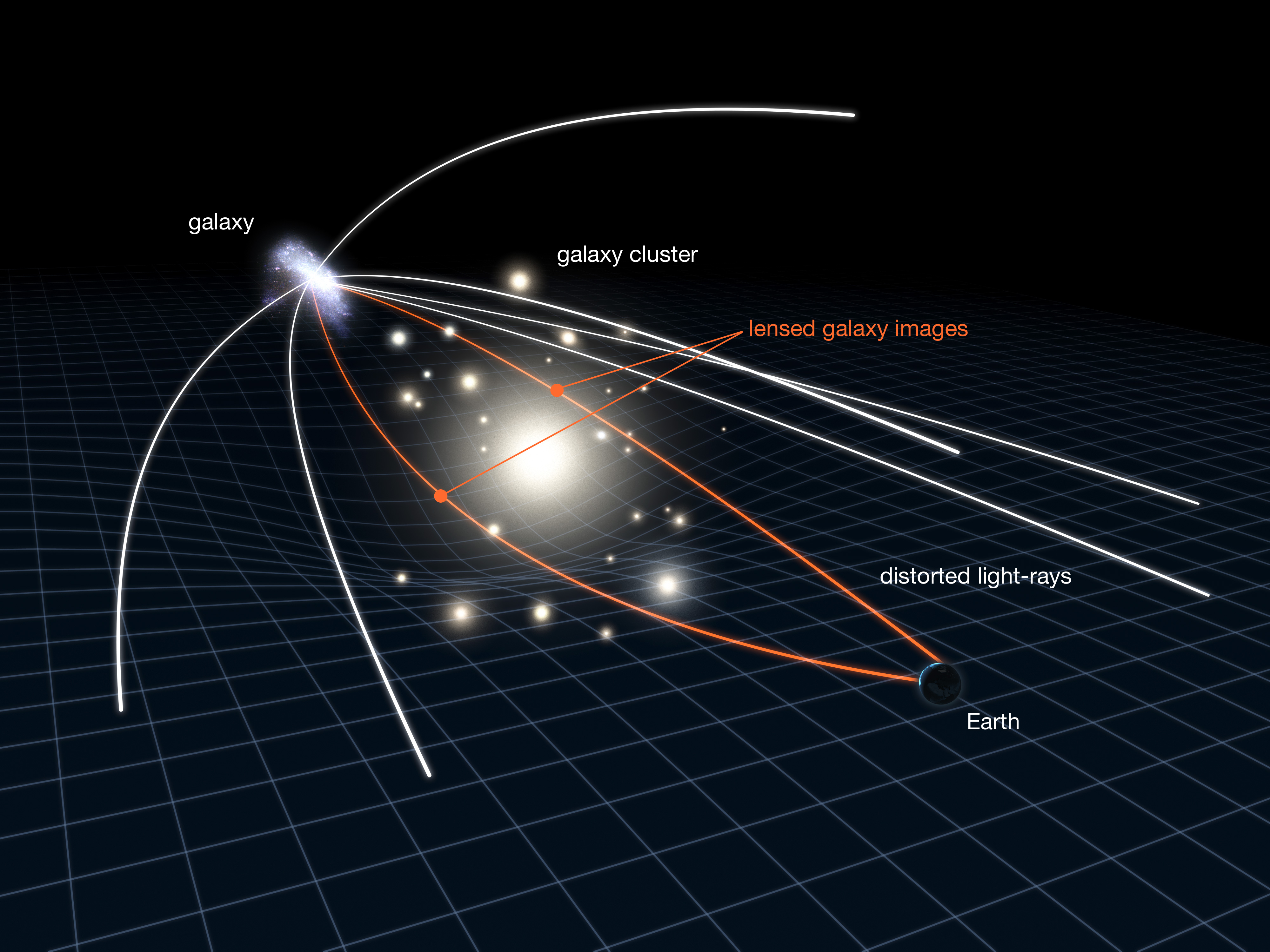
A jet erupting from a distant supermassive black hole-powered blazar is being gravitationally lensed by an unseen clump of dark matter, and that could tell us about the source of cosmic “ghost” particles.
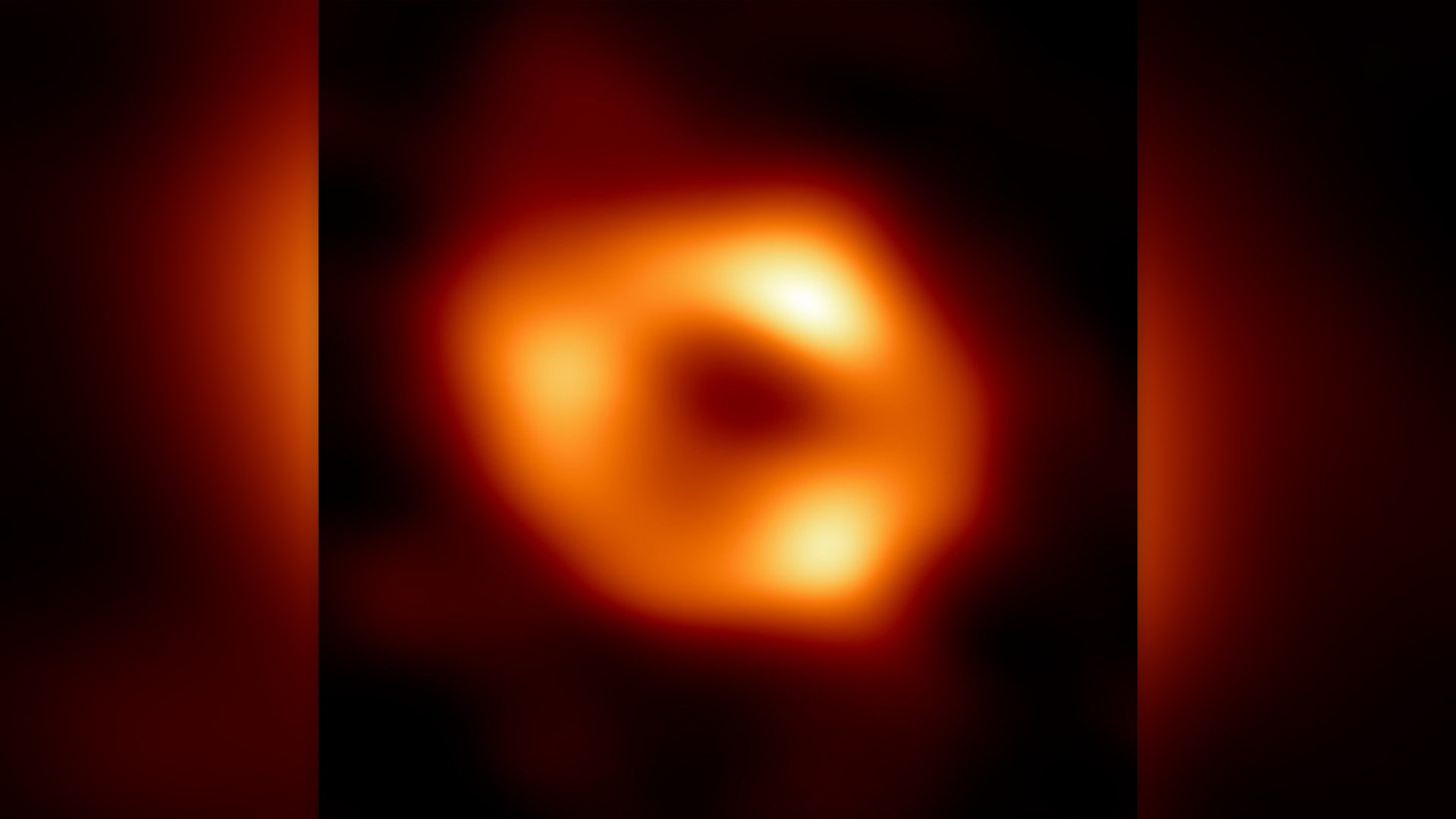
A greedy galaxy that existed less than 1.3 billion years after the Big Bang is hoarding supermassive black holes.
That’s three times longer than the Milky Way galaxy.