NASA and IBM have developed an AI model to help sift through the mountains of data the agency has gathered about the moon.

The sun may have swallowed a super-Earth planet in its early history, and our star may still be hiding the evidence, new research suggests.

A dune field on Mars, as seen by the Mars Reconnaissance Orbiter.
Faint in X-rays but bright in ultraviolet light, new objects found by NASA’s Chandra space telescope could help solve two great astrophysical mysteries.
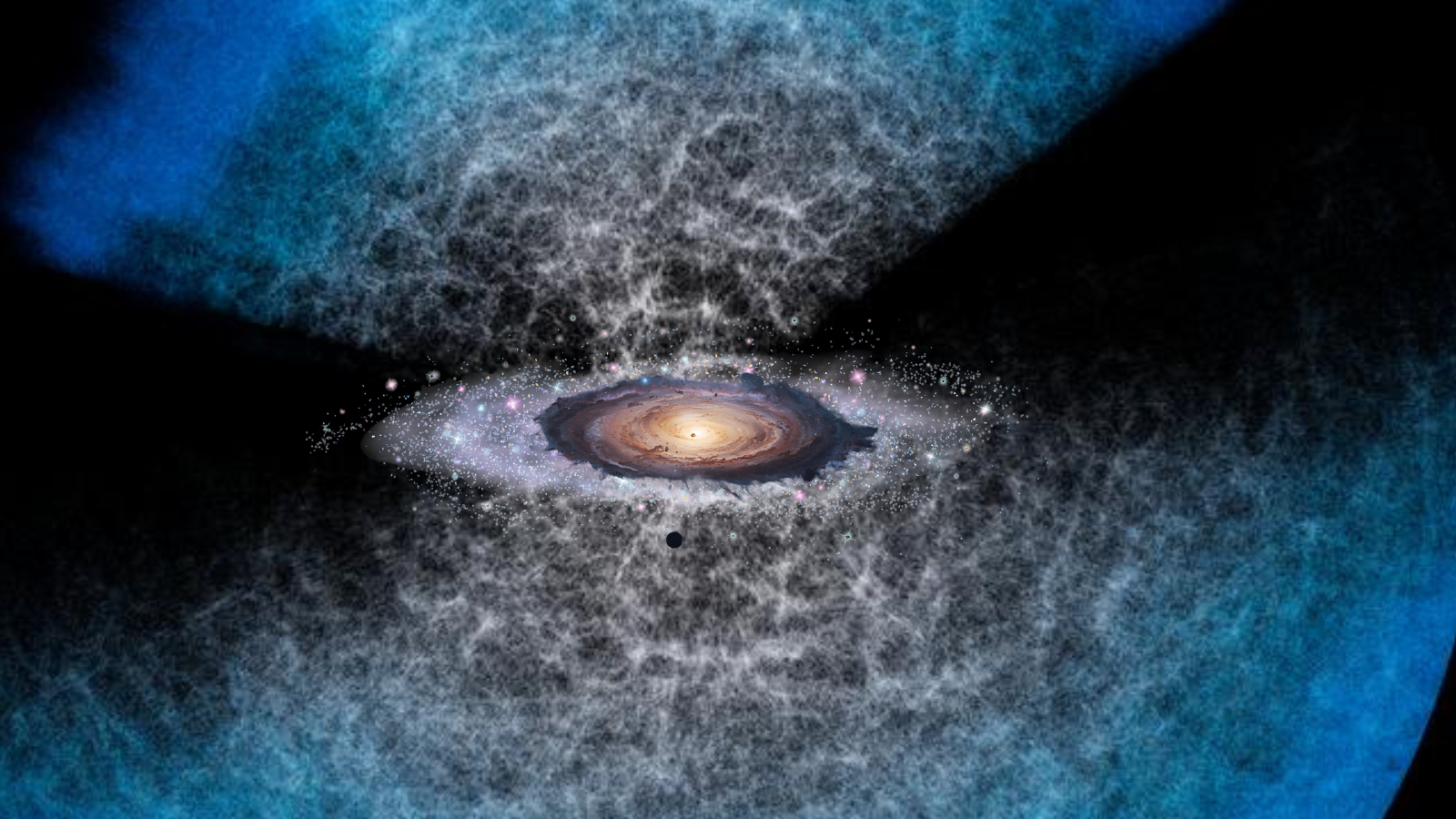
A catalog of almost 3,000 white dwarfs that exploded as type Ia supernovas after overfeeding on companion stars indicates that dark energy is changing over time.
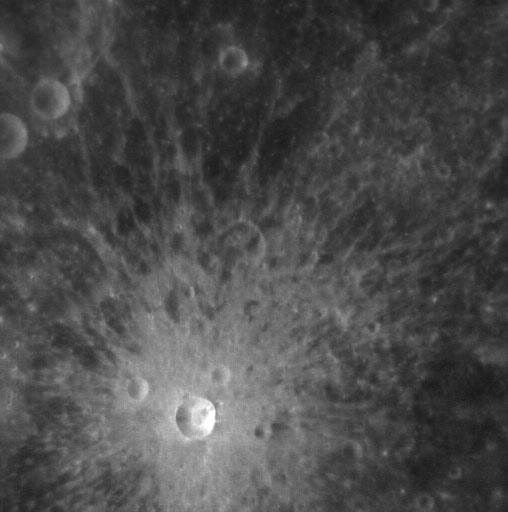
Wrinkles on the surface of Mercury have revealed that the closest planet to the sun is shrinking faster than scientists thought.
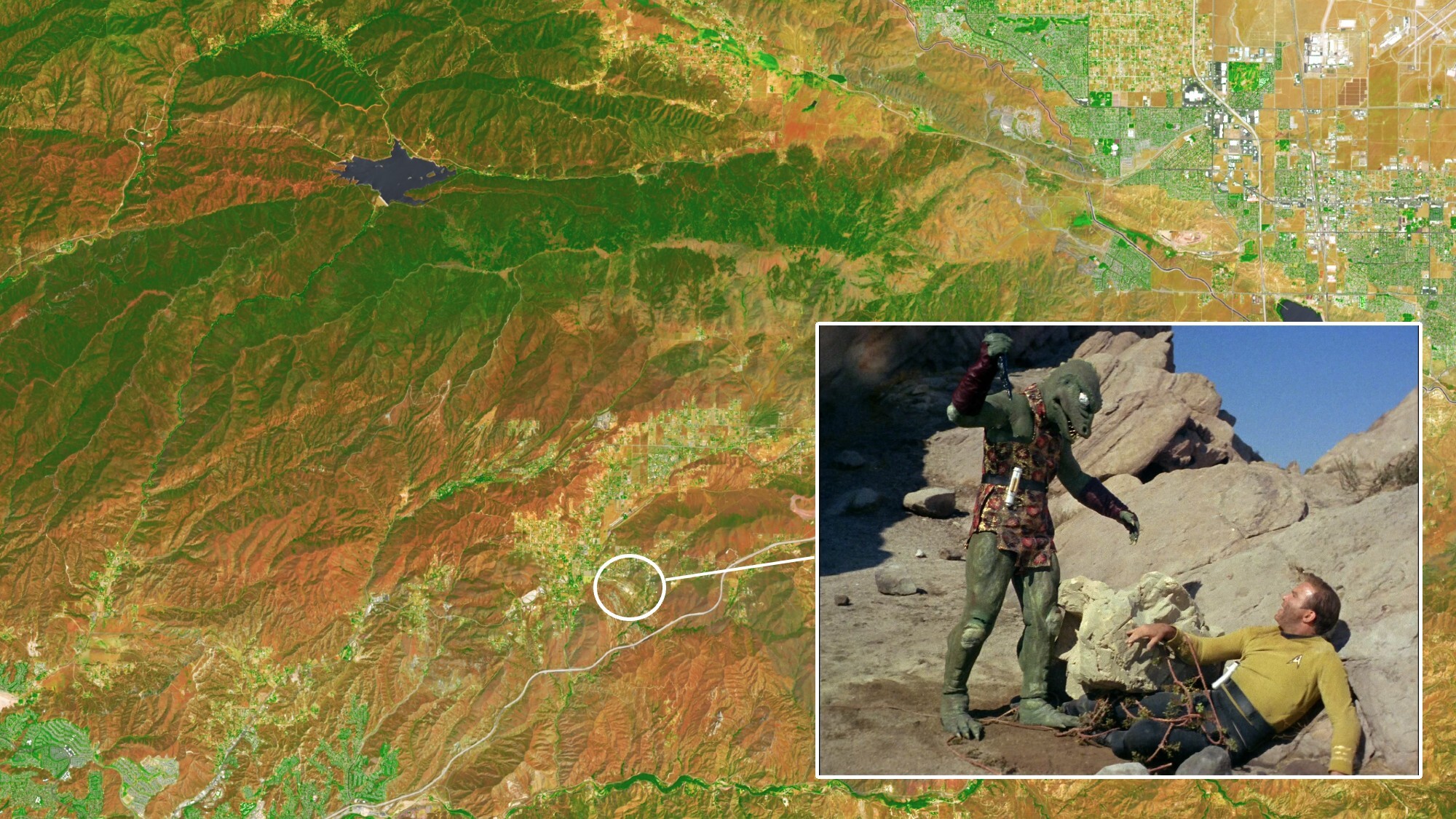
This new satellite image shows Vasquez Rocks in southern California, where Captain Kirk once faced off against the Gorn.
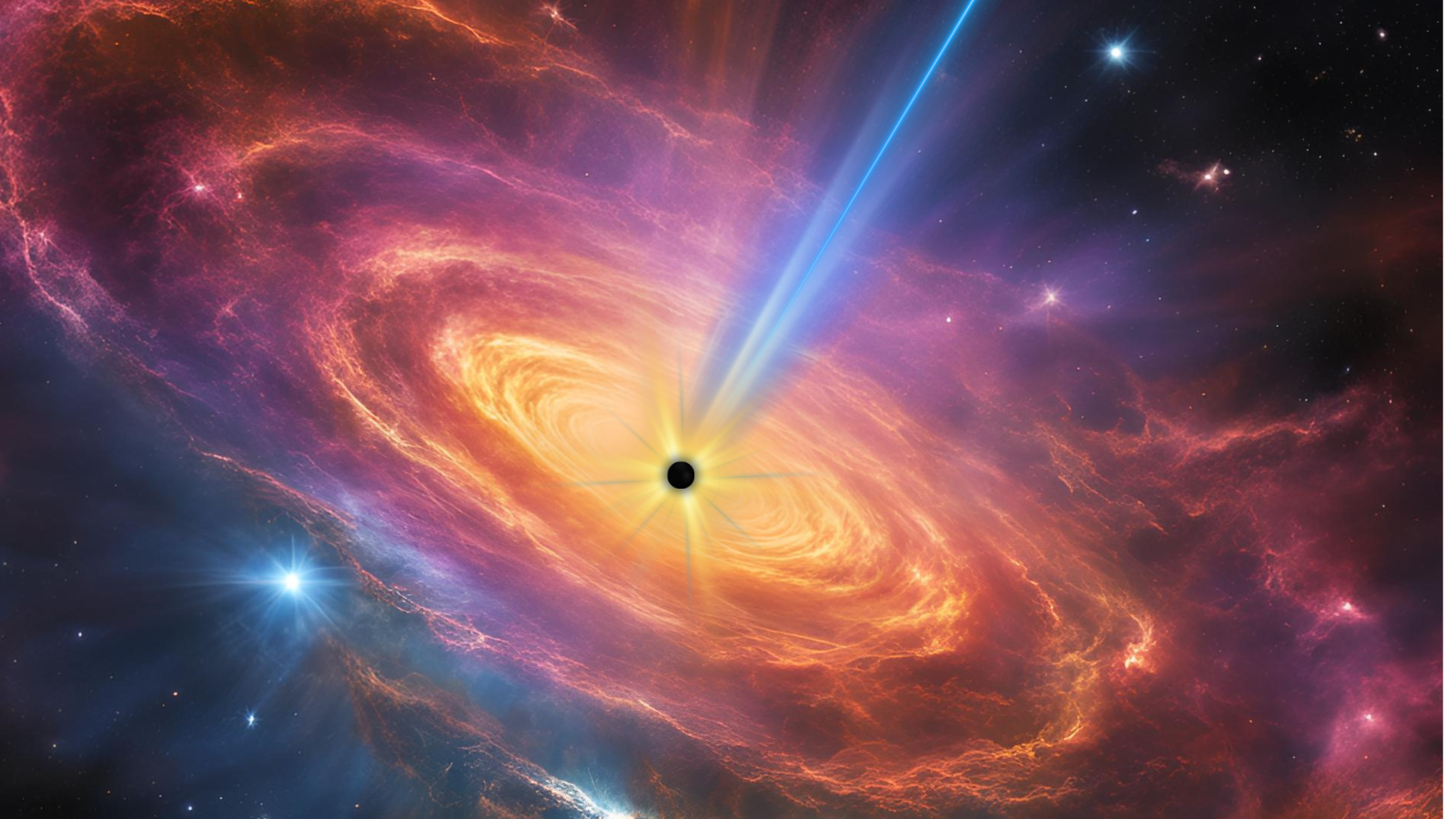
Though their origins may be shrouded in mystery, fast radio bursts could be used to probe some of the universe’s biggest puzzles, including the nature of dark matter and dark energy.
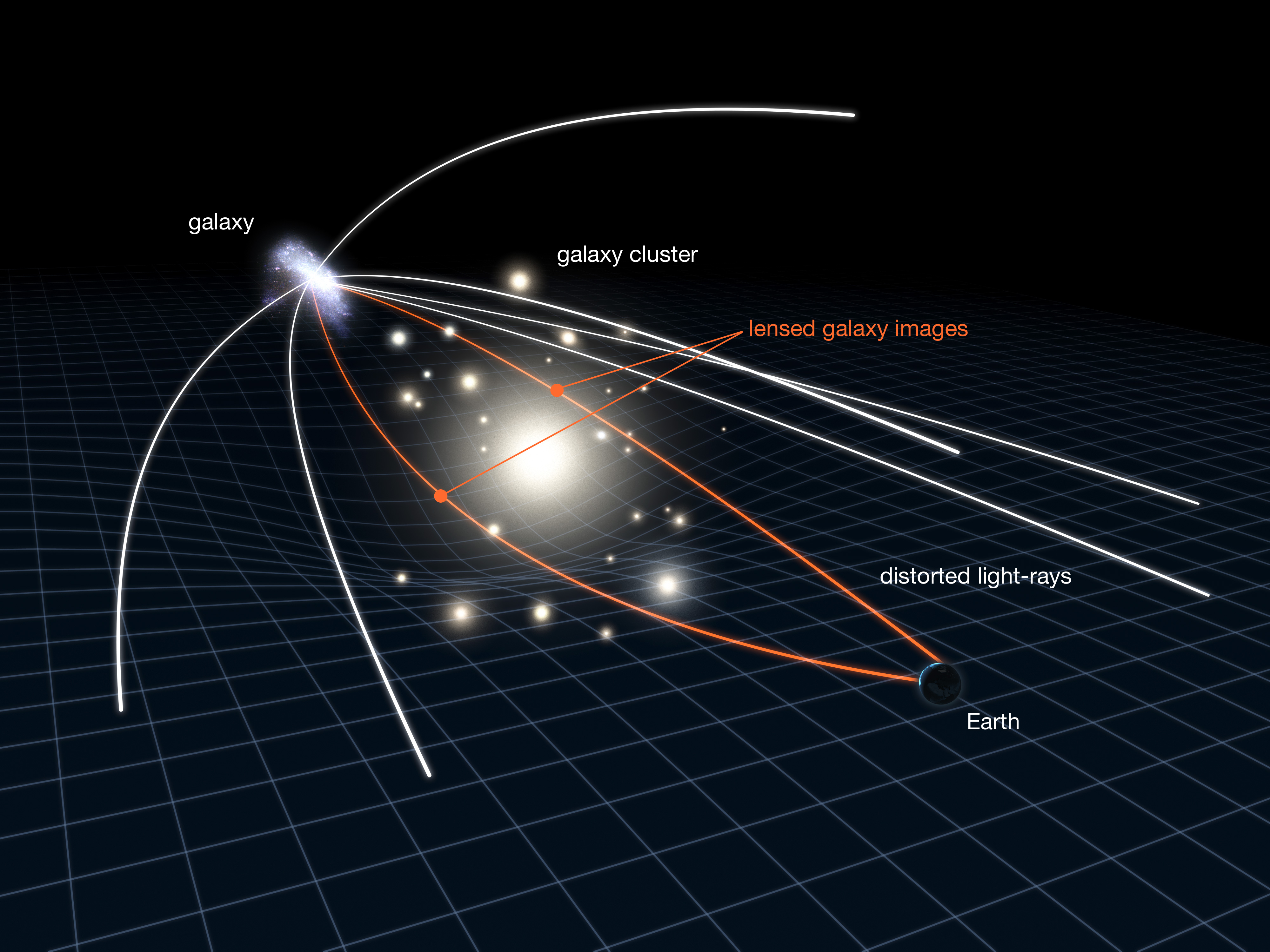
A “forbidden” merger between two black holes may not have been quite as impossible as previously thought. New research that suggests the black holes involved were smaller than first calculated.
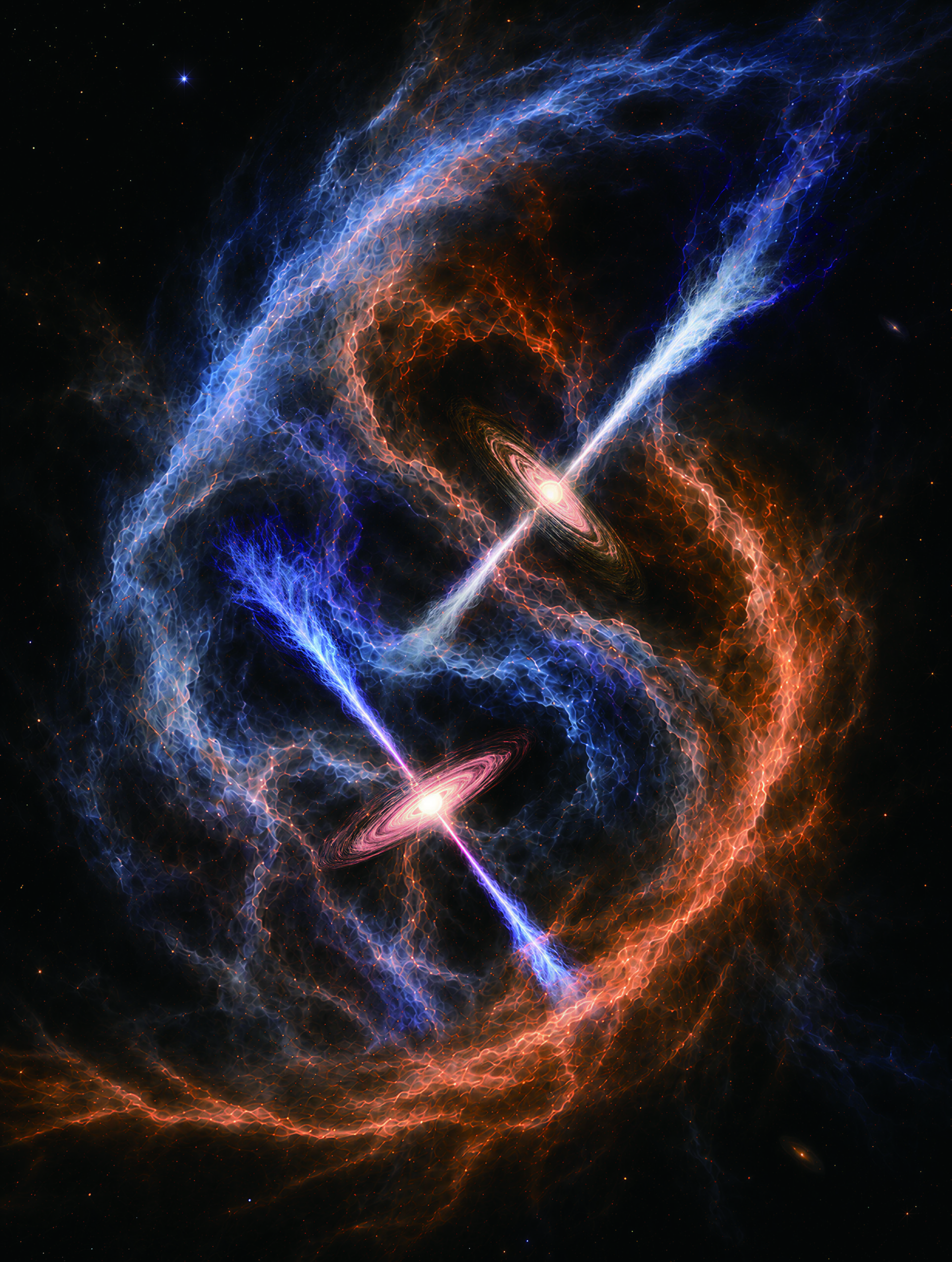
Using ALMA, astronomers have watched as two stars come together to form a massive stellar binary, finding chaos that indicates they emerged from different backgrounds.