Google’s new Gmail privacy rules mean your emails can now be used for ads. Here’s what you need to do.
A hacker reverse-engineered his own Samsung TV and found alarming spying activity, including code that used connected devices’ microphones to listen to users.
Two critical bugs in the PHP web programming language, used by the majority of the internet, threatened to upend the internet — and it’s unlikely to be the last major software scare.
U.K. communications regulator Ofcom has admitted that its efforts to protect children from harmful content on the internet have achieved precisely nothing.
Meta is betting billions on Muse and AI agents. Its massive audience offers an advantage, but profitability, privacy and security remain major challenges.
Quest is the latest in a series of healthcare technology companies that have been hacked in recent months.
AI agents now attack at machine speed. Effective AI cyber defense means deciding responses in advance, verifying agent identities and fixing neglected security basics.
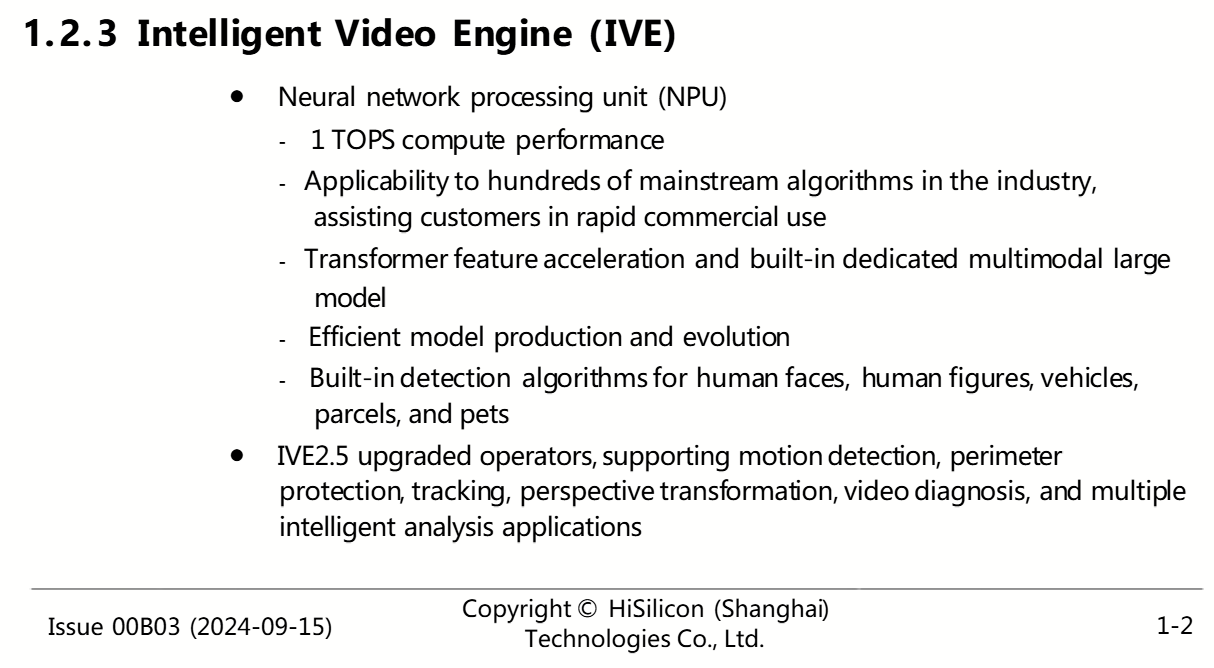
FCC bans a dashcam and wireless video transmitter produced by HiSilicon, a subsidiary of Huawei for containing an AI chip that advertises face detection algorithms.
Several U.S. banks are blocking AI agents from making transactions on their platforms. They fear that those agents could go rogue and there’s no way to tell if the moves they make are legitimate or not.
The user said that they only wanted to alert others about the importance of the upcoming CVE releases and weren’t told about the embargo.