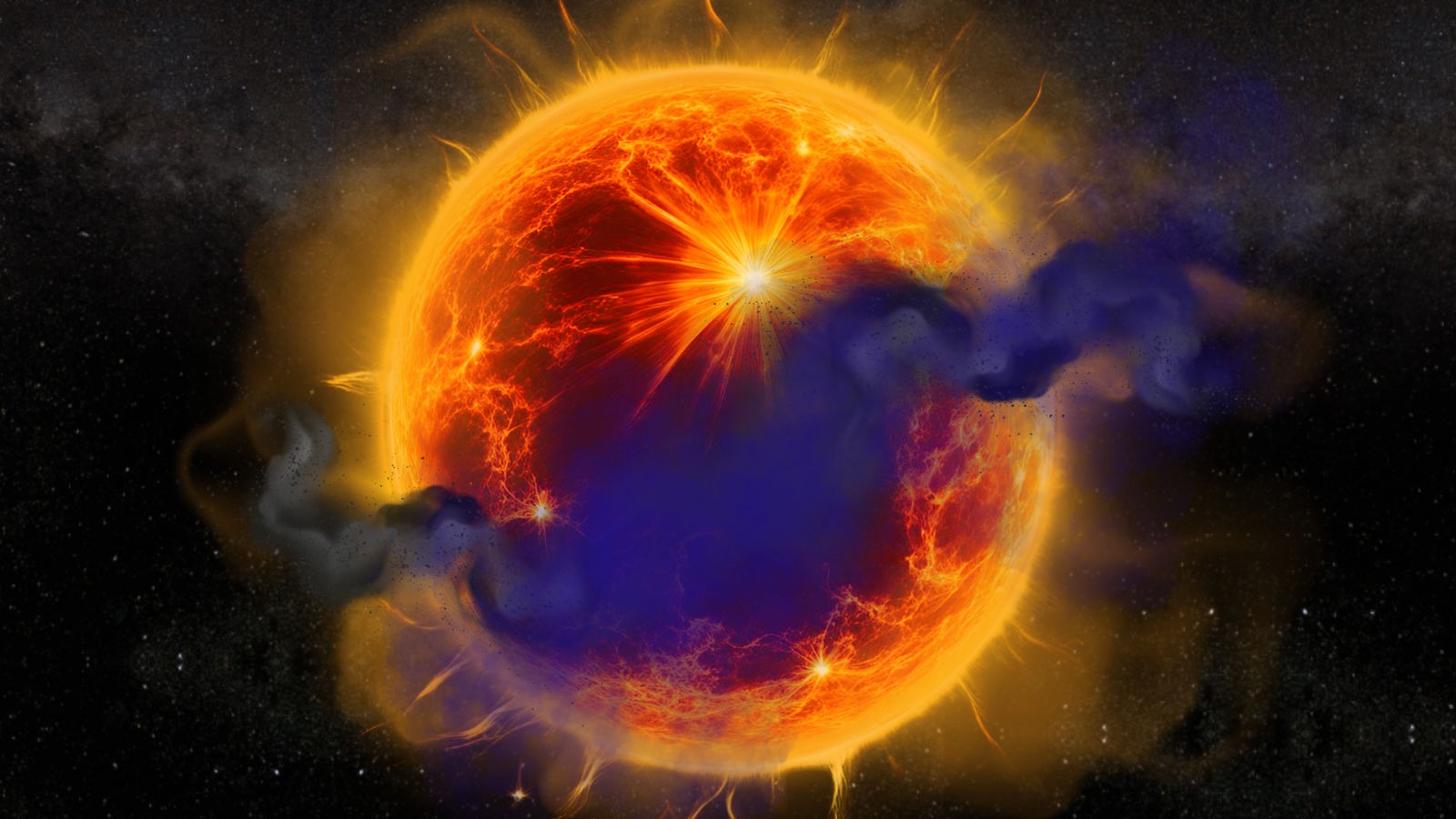
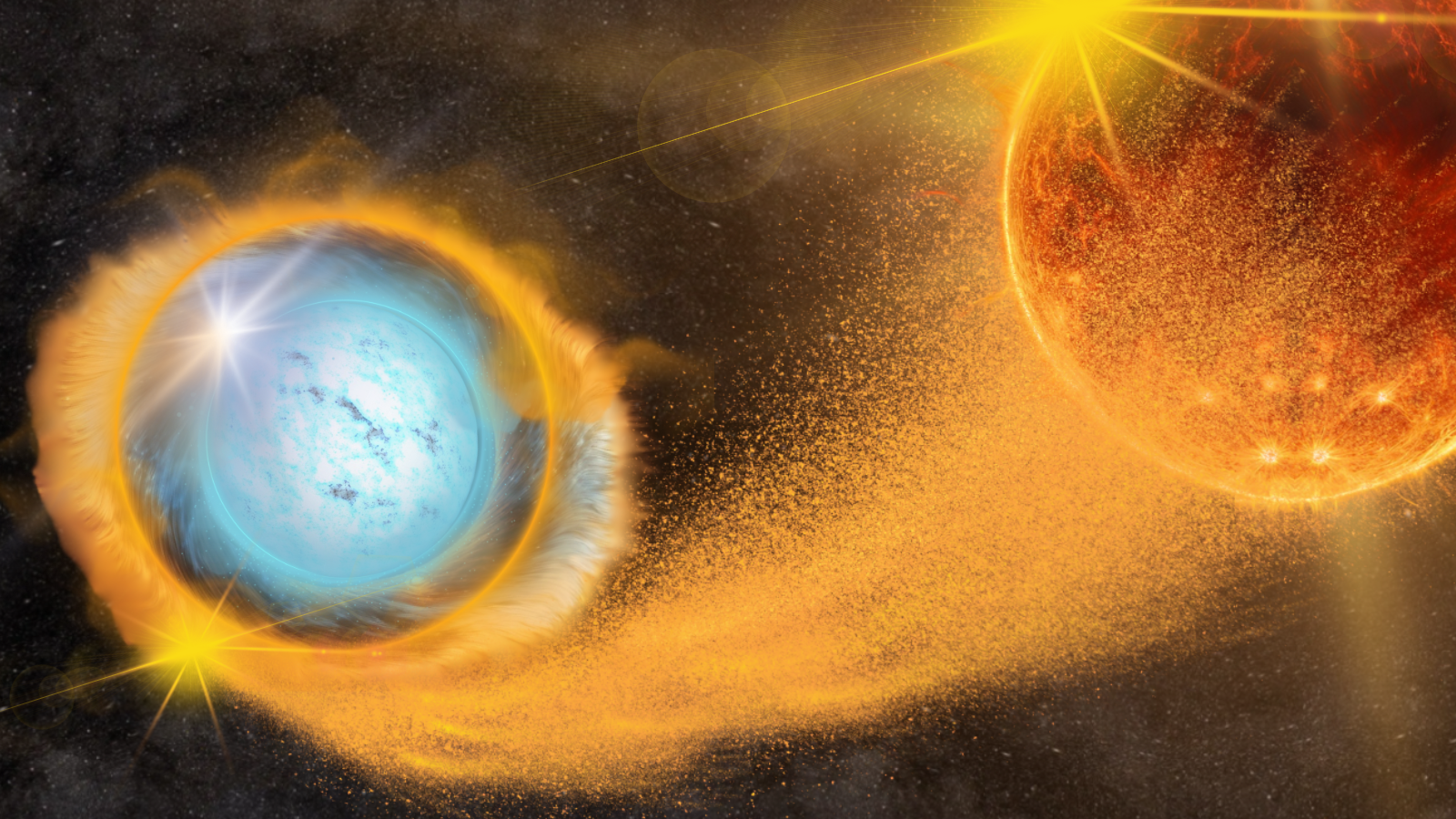
A catalog of almost 3,000 white dwarfs that exploded as type Ia supernovas after overfeeding on companion stars indicates that dark energy is changing over time.
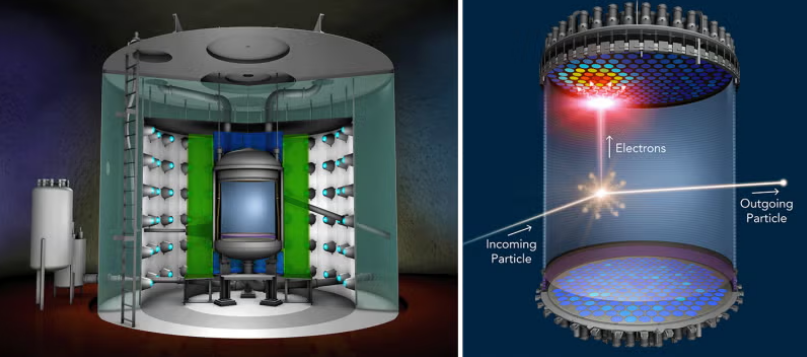
Using the LUX-ZEPLIN experiment, scientists may have detected the first direct evidence of dark matter, in the form of a rare interaction between a WIMP particle and ordinary matter.
New research suggests that if dark matter is composed of “dark photons,” it would not have heated the early cosmos like scientists thought.
Two major mysteries in science, the nature of dark matter and the possible existence of higher dimensions, could be linked, new research suggests.
The expansion of the universe is still accelerating under the influence of dark energy, despite recent claims to the contrary averting a cosmological crisis, according to new research.
New research has failed to rule out self-annihilating dark matter as the source of a hotly debated gamma-ray emission known as the Galactic Center Excess radiating from the heart of the Milky Way.
…
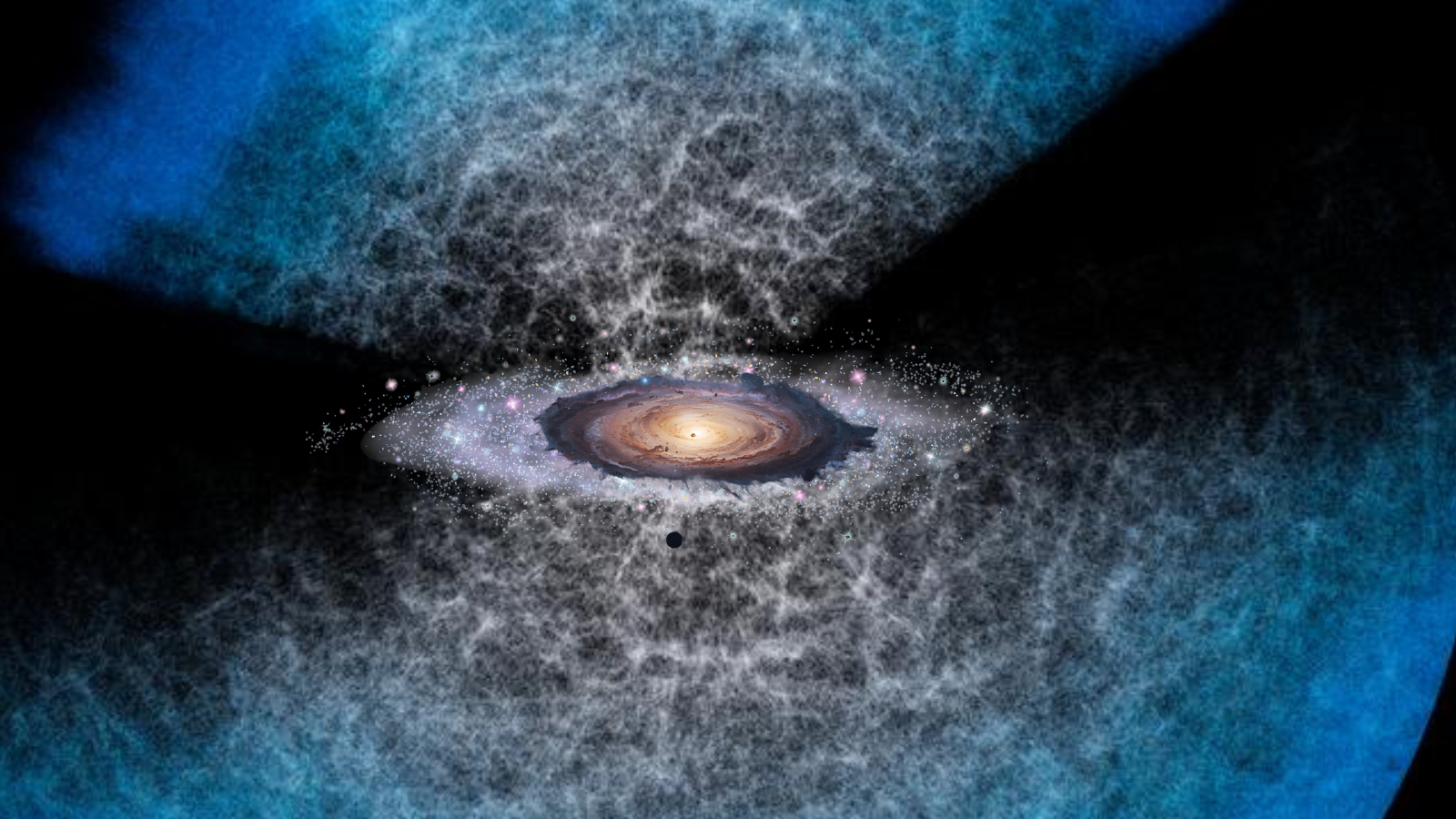
A technique called echo mapping suggests supermassive black holes, like that at the heart of the Milky Way, are surrounded by clusters of dark matter.
…
Black holes smashing together may churn dark matter “butter,” scientists say.
Using AI and Rubin Observatory data, scientists are rethinking Type 1a supernova “standard candles,” hunting for “unknown unknowns” that could lead us to missing ingredients in our recipe of the cosmos and solve the puzzle…
A new recipe of dark matter that interacts with itself could be the solution to three separate and vastly different cosmic puzzles.
…