The security review is being performed by the Idaho National Laboratory, and the research is being funded by a company — or a group of companies — in the electric and autonomous vehicle industries.
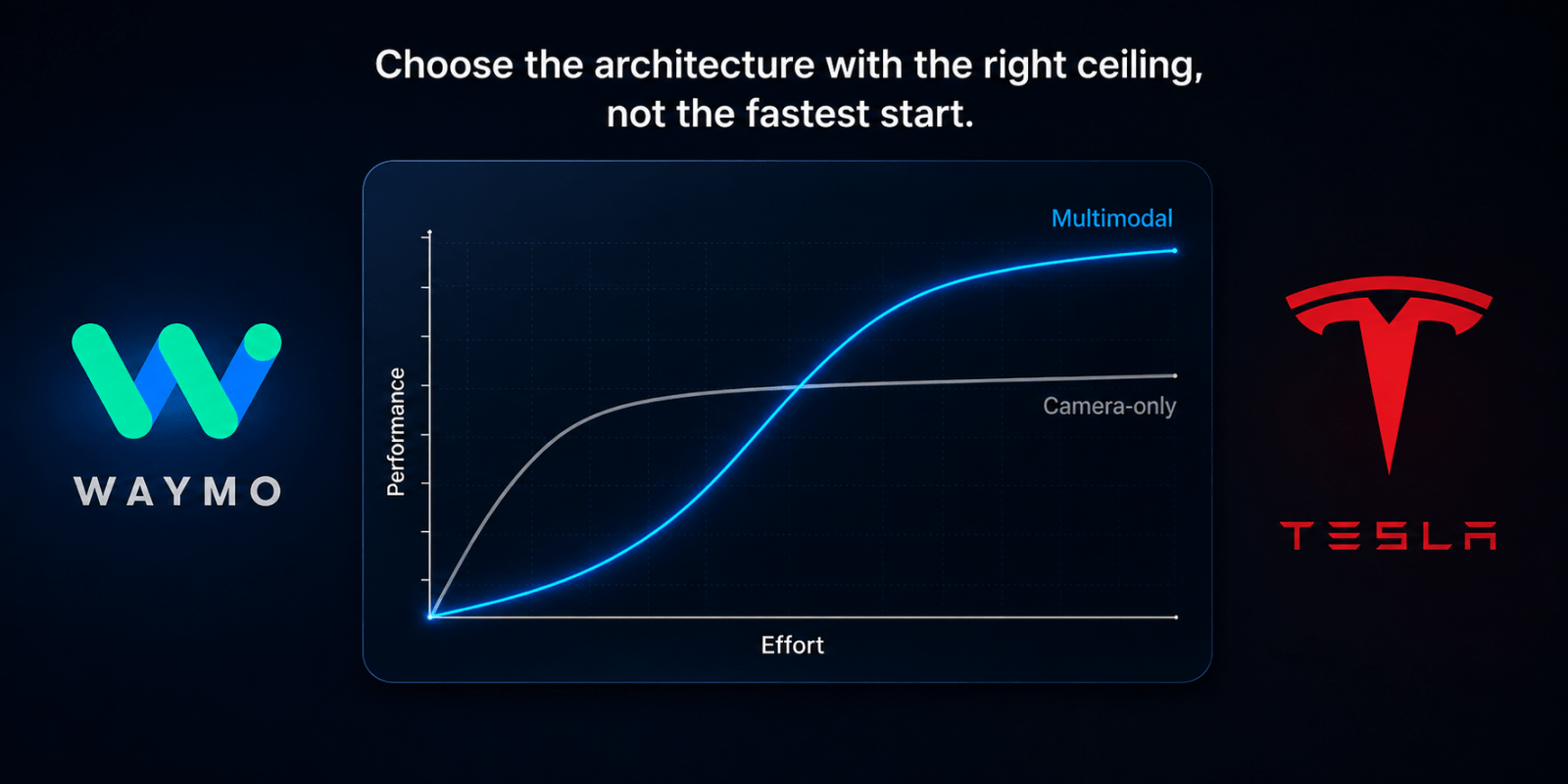
Waymo co-CEO Dmitri Dolgov laid out the clearest technical case yet for why cameras alone can’t take a self-driving system to full autonomy, arguing that “weak sensing” hits a safety ceiling long before it reaches superhuman performance.
He never said …
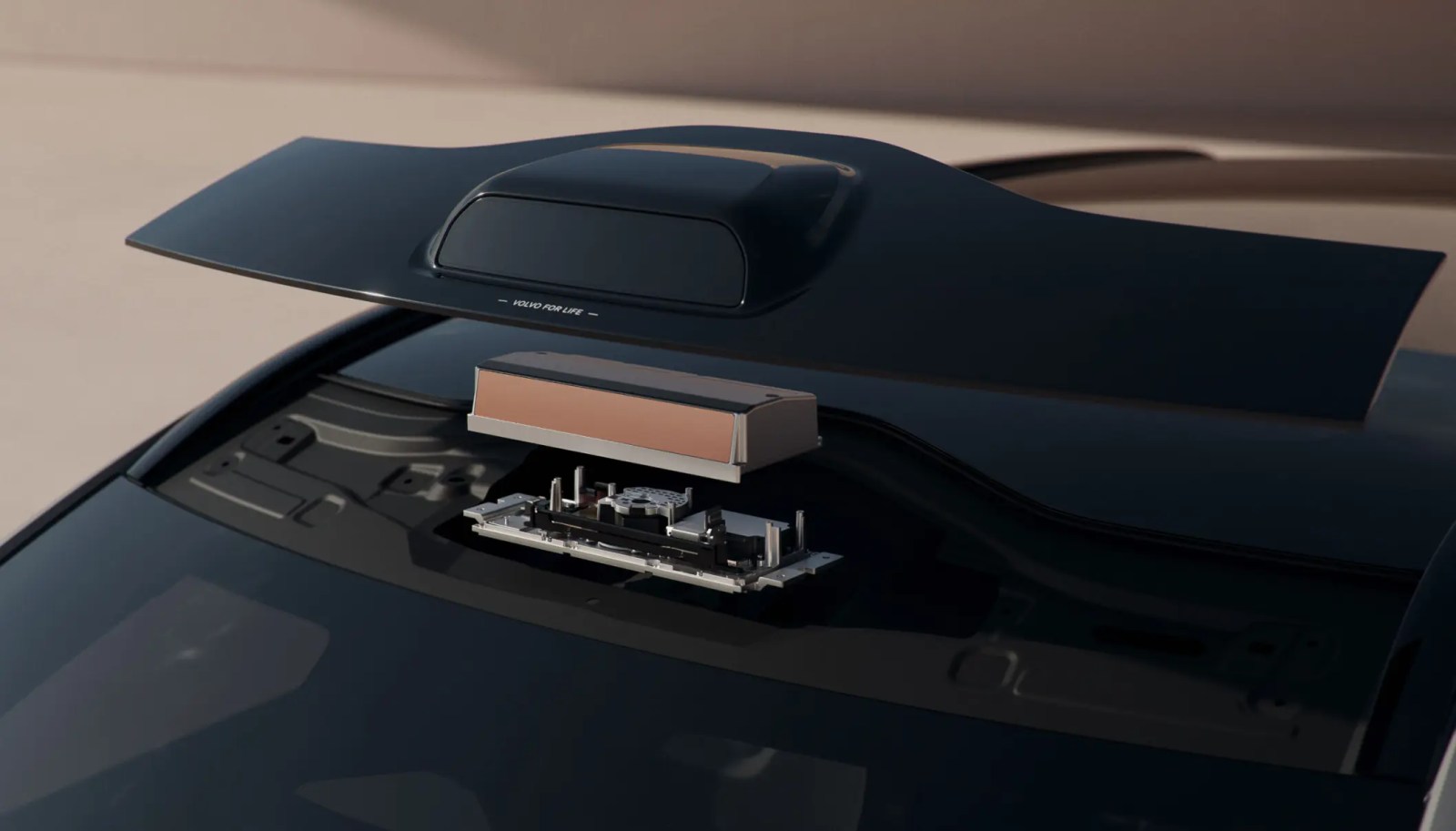
Volvo has confirmed it’s dropping lidar for good on the EX90 and ES90, and it’s paying owners compensation for a feature they were promised but will never get.
In Norway, that payout is NOK 18,000 (about $1,900) per car, one of several market-by-market…
MIT researchers have demonstrated that consumer-grade LiDAR sensors can detect and track objects around corners. The hardware costs under $50, and the code is already publicly available.
A sensor that can simultaneously capture depth and image data has long been a “holy grail,” Ouster CEO Angus Pacala told TechCrunch.

MicroVision, a solid-state sensor technology company located in Redmond, Wash., says it has designed a solid-state automotive lidar sensor intended to reach production pricing below US $200. That’s less than half of typical prices now, and it’s not ev…
Ouster is paying $35 million along with 1.8 million shares.
An unidentified bidder submitted a Hail Mary offer that was “substantially higher” than the winning bid at auction. Founder Austin Russell has been circling a bid, but it’s not clear he was behind it.
A new leading bidder has appeared in the Luminar bankruptcy case: Redmond, Washington-based MicroVision, which beat out Quantum Computing Inc.’s bid by $5 million.
The agreement comes two weeks after Luminar accused its billionaire founder of dodging information requests, as it evaluates potential legal claims.