TSMC is reportedly weighing a price increase of up to 20% for its CoWoS advanced packaging technology as Nvidia’s Blackwell and upcoming Rubin chips intensify pressure on capacity. Equipment deliveries now reportedly take up to eight months, while separate wafer-price increases of 5% to 10% are expected in 2027, with some customers potentially facing total cost increases of up to 25%.
Nvidia is committing billions to expand substrate, co-packaged optics, advanced packaging, and chip-testing capacity through 2028, reserving capacity at nearly every stage of its AI accelerator supply chain.

SWI Group, the Amsterdam-listed investment group, has launched SWI Compute to build and run Nvidia AI factories, starting in Europe. The new business has ordered about $1bn of Nvidia systems and plans its first large site in the UK. That UK factory wil…

The UK government will spend £130m on AI cyber defence, including a National Cyber Shield that uses agentic AI to protect critical infrastructure. The money is part of a package of more than £600m for AI that the Chancellor, John Healey, will put in th…

Gary Smith has been Ciena CEO since May 2001, and led the company through the telecom crash that followed the fibre boom. He says today’s AI build-out is a different kind of cycle, the optical networking company’s chief executive told Steven Rosenbush …

Apple unveiled the eighth-generation iPad mini on Monday, two days before its Pro and Tell event in Los Angeles. The tablet keeps the footprint of the 2024 model but stretches the screen to 8.5 inches, from 8.3, by cutting the bezels by 24%. It is 5.4m…
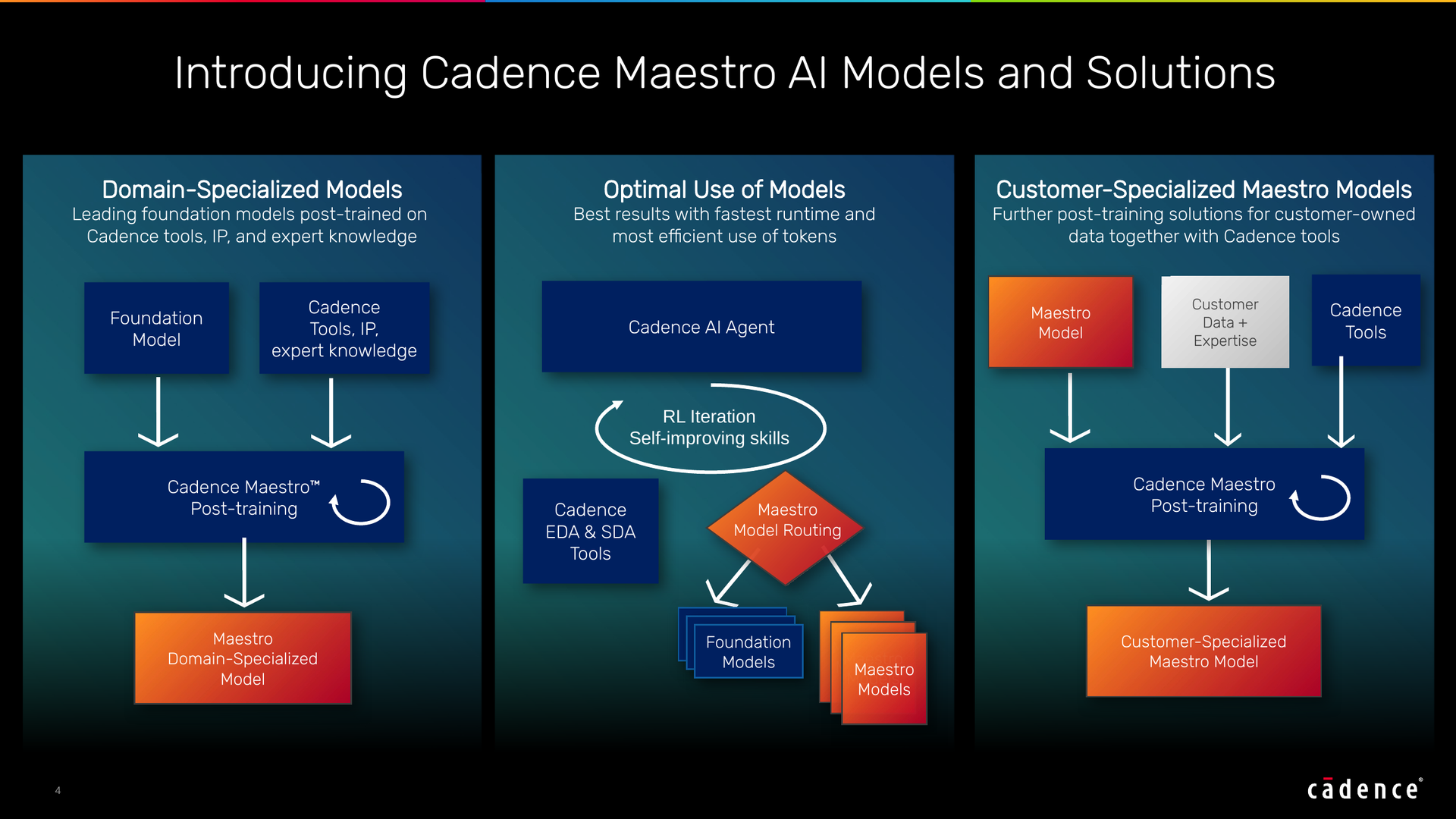
Cadence unveiled Maestro, domain-specialized AI models for its chip design agents, with early access for select customers in Q4 2026.
Intel CEO Lip-Bu Tan has reportedly discussed potential areas of cooperation with AMD chief Lisa Su as Intel works to rebuild its CPU business and expand its foundry operations. The companies have already collaborated on x86 standards and CPU software, including AMD’s integration of its ZenDNN optimizations into Intel’s oneDNN library. Neither executive has publicly detailed the reported discussions or confirmed a new agreement.
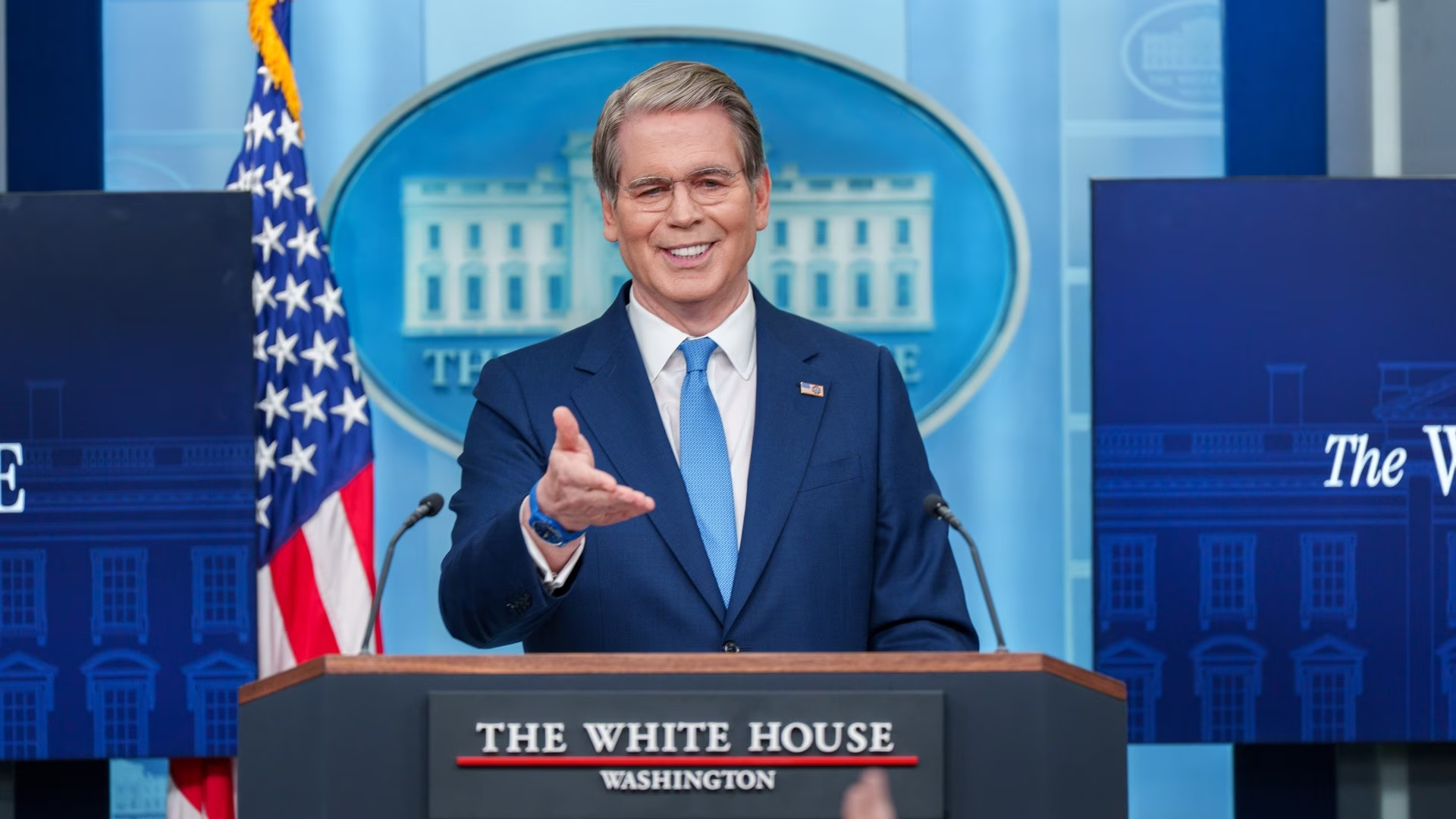
“The proposed regulations would strengthen the existing Outbound Investment Security Program to prevent our adversaries from using U.S. investment to develop critical technologies that threaten U.S. national security,” Treasury Secretary Scott Bessent …
China has stretched older DUV lithography far further than expected, using multiple patterning to approach 5nm-class without EUV. But experts say the trade-offs in cost, yield, and die size mean further advancements are unlikely to be economically viable.