PC manufacturing in China tends to be cheaper because of an established supply chain and workforce. Smaller Chinese suppliers are also winning orders by offering easier access to domestic chip manufacturers like CXMT.
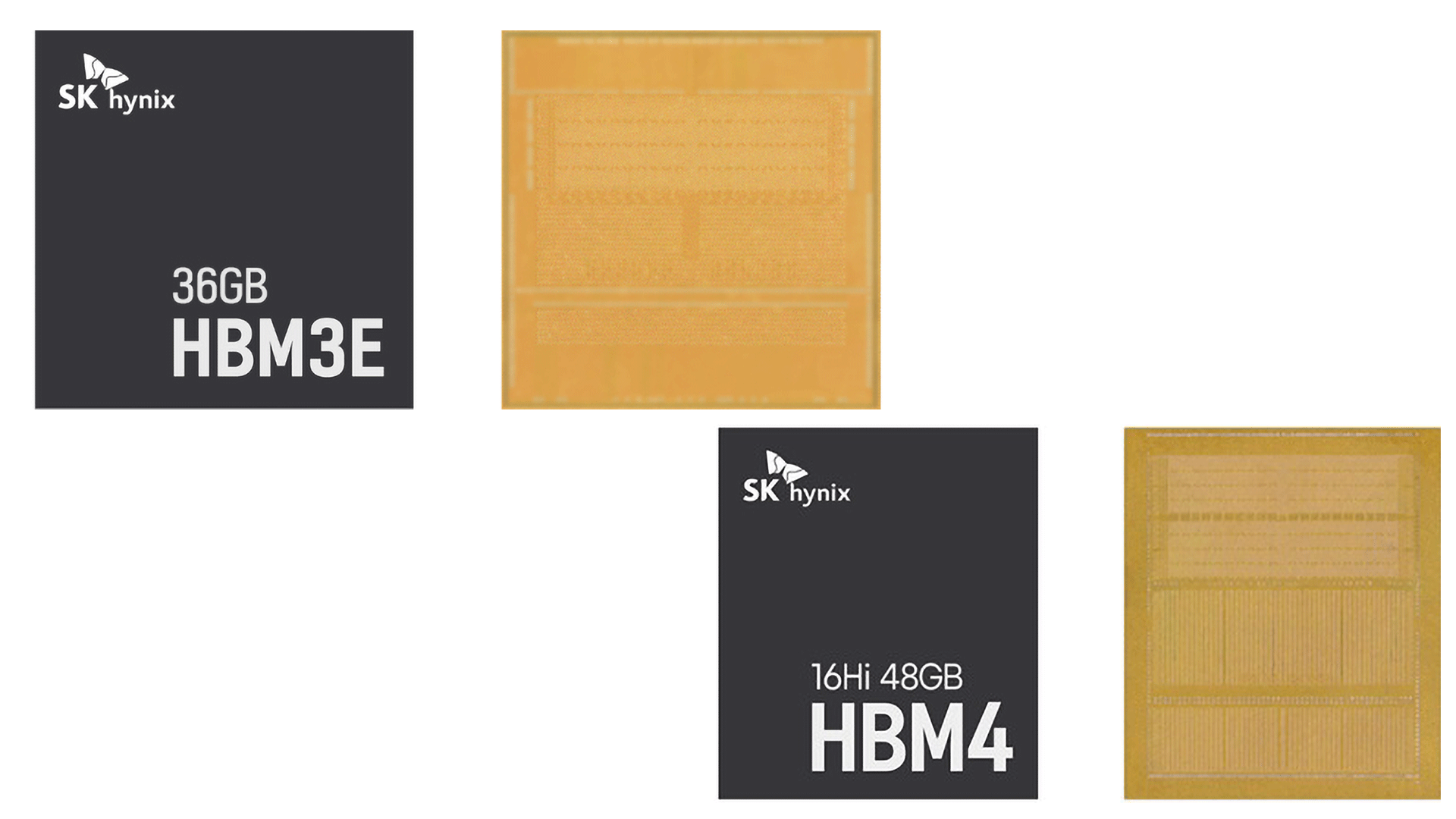
Solidigm, an American subsidiary of SK hynix, is in discussions about potentially investing $45 billion in a new flash chip factory that would be built in the United States.
The manufacturing accelerator bills itself as “America’s answer to Shenzhen.”
TSMC is reportedly weighing a price increase of up to 20% for its CoWoS advanced packaging technology as Nvidia’s Blackwell and upcoming Rubin chips intensify pressure on capacity. Equipment deliveries now reportedly take up to eight months, while separate wafer-price increases of 5% to 10% are expected in 2027, with some customers potentially facing total cost increases of up to 25%.
Nvidia is committing billions to expand substrate, co-packaged optics, advanced packaging, and chip-testing capacity through 2028, reserving capacity at nearly every stage of its AI accelerator supply chain.
Digit is getting more work. Agility Robotic’s humanoid robot is getting more work from an existing customer, GOX, which runs over 1,000 logistics facilities worldwide.
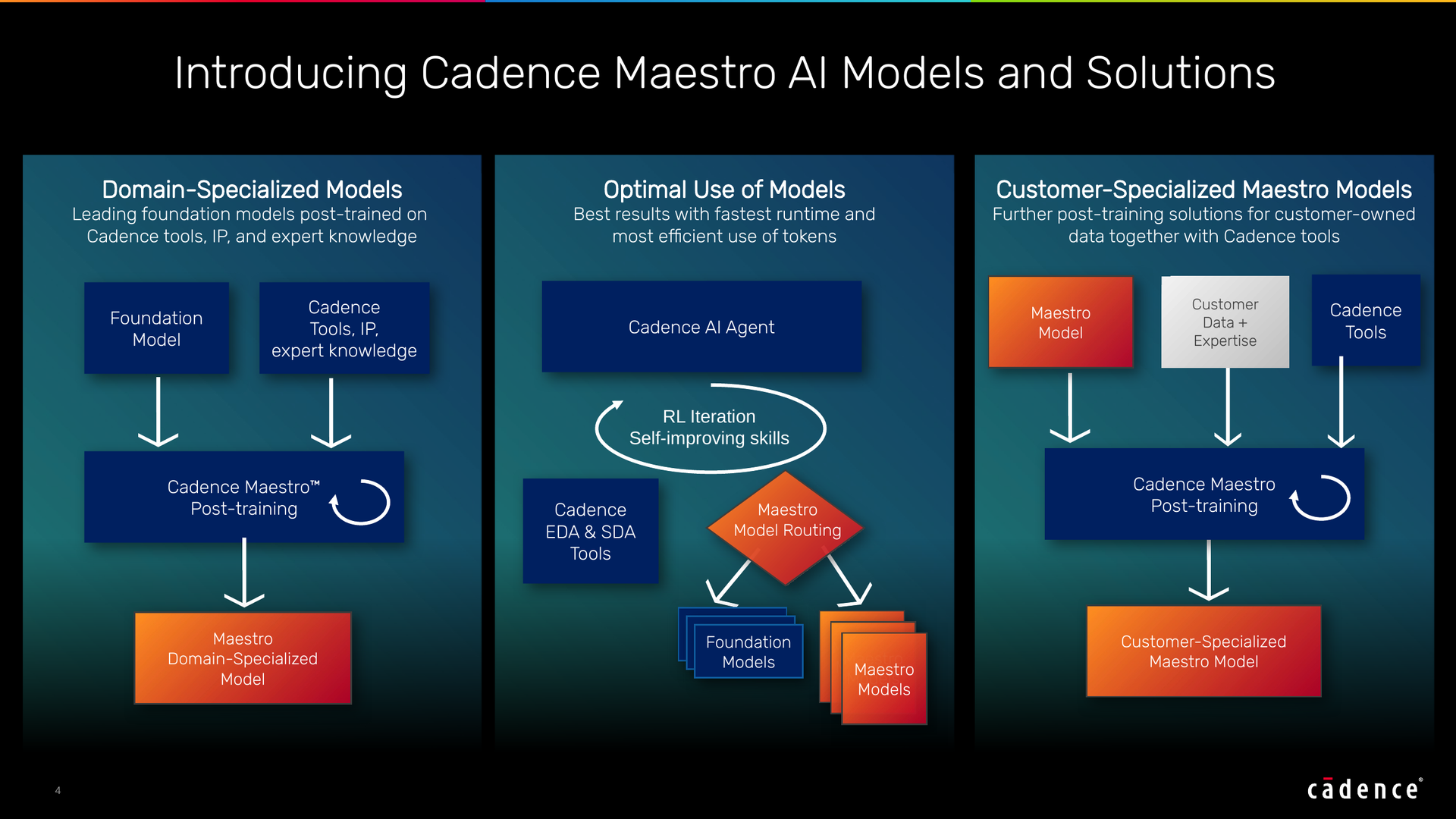
Cadence unveiled Maestro, domain-specialized AI models for its chip design agents, with early access for select customers in Q4 2026.
This week’s Current Climate newsletter also looks at a new push to restore federal funds for electric buses and Corning’s CEO on solar business and carbon capture tech.
Intel CEO Lip-Bu Tan has reportedly discussed potential areas of cooperation with AMD chief Lisa Su as Intel works to rebuild its CPU business and expand its foundry operations. The companies have already collaborated on x86 standards and CPU software, including AMD’s integration of its ZenDNN optimizations into Intel’s oneDNN library. Neither executive has publicly detailed the reported discussions or confirmed a new agreement.
China has stretched older DUV lithography far further than expected, using multiple patterning to approach 5nm-class without EUV. But experts say the trade-offs in cost, yield, and die size mean further advancements are unlikely to be economically viable.