NASA and IBM have developed an AI model to help sift through the mountains of data the agency has gathered about the moon.

The sun may have swallowed a super-Earth planet in its early history, and our star may still be hiding the evidence, new research suggests.

A dune field on Mars, as seen by the Mars Reconnaissance Orbiter.
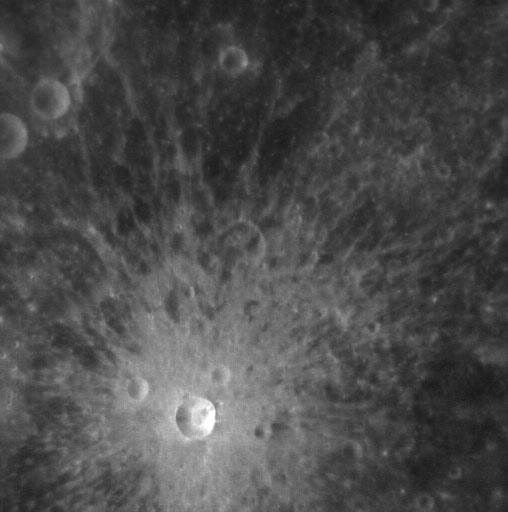
Wrinkles on the surface of Mercury have revealed that the closest planet to the sun is shrinking faster than scientists thought.
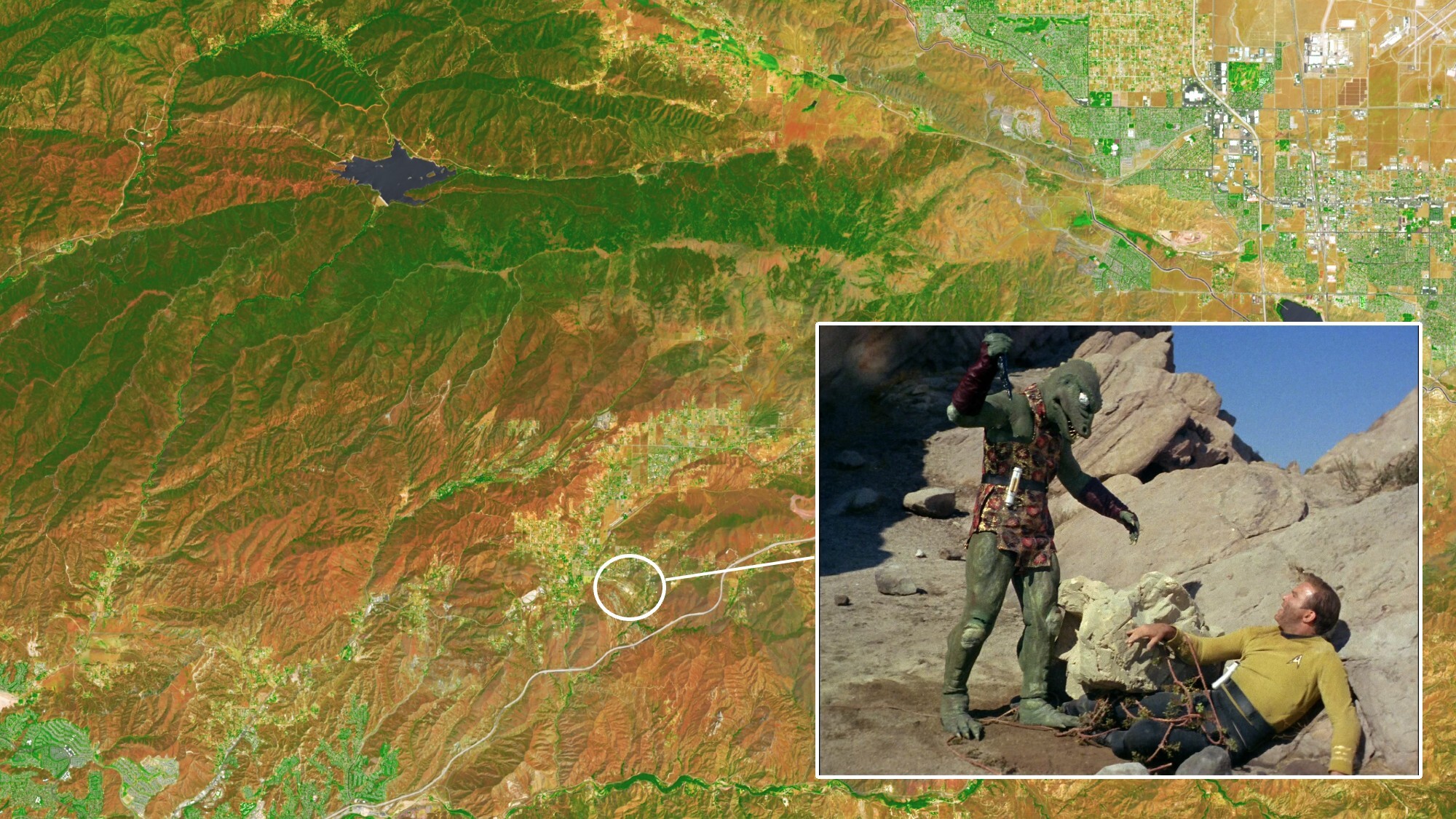
This new satellite image shows Vasquez Rocks in southern California, where Captain Kirk once faced off against the Gorn.
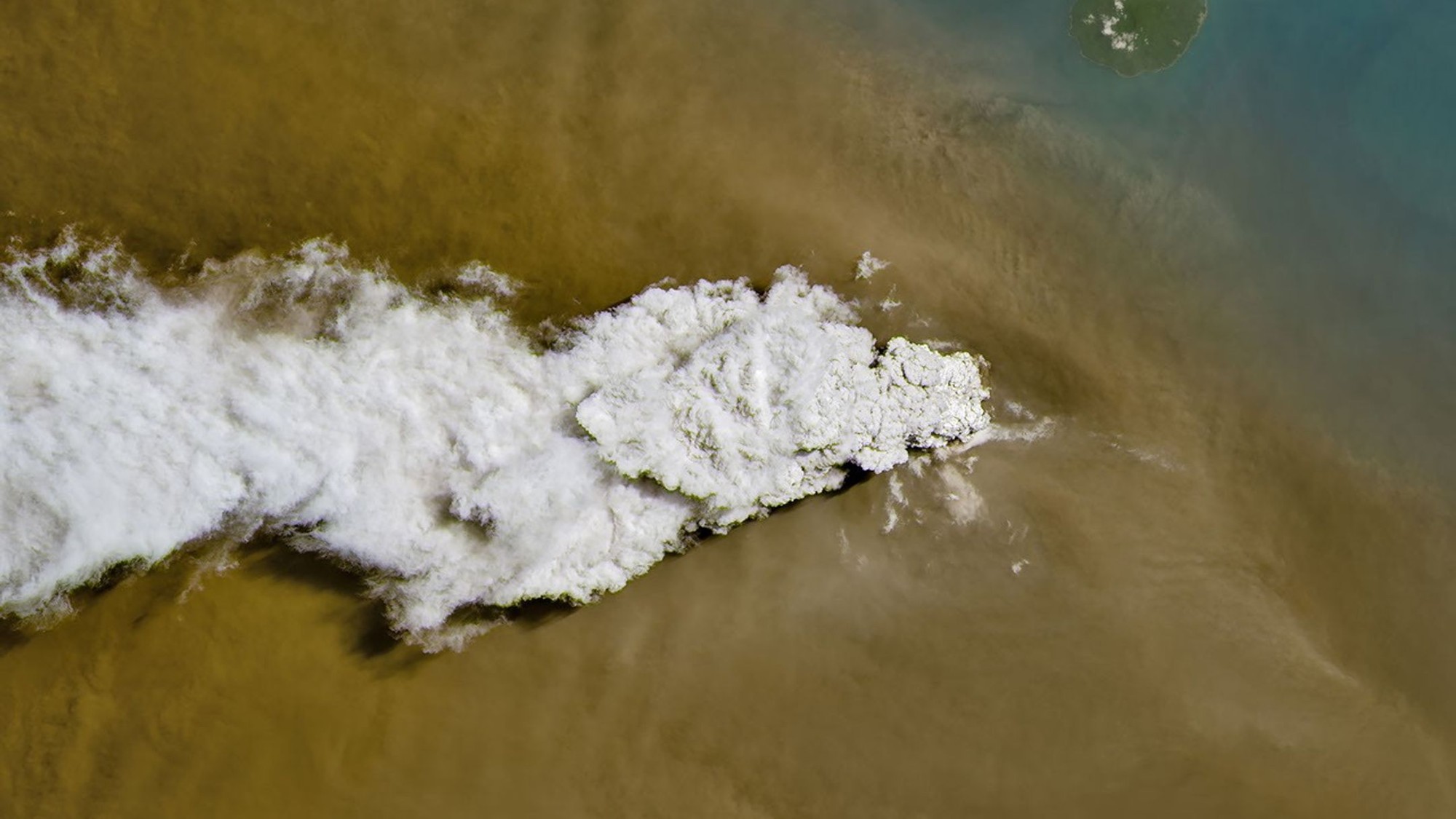
Anak Krakatau erupted, and satellites were watching.
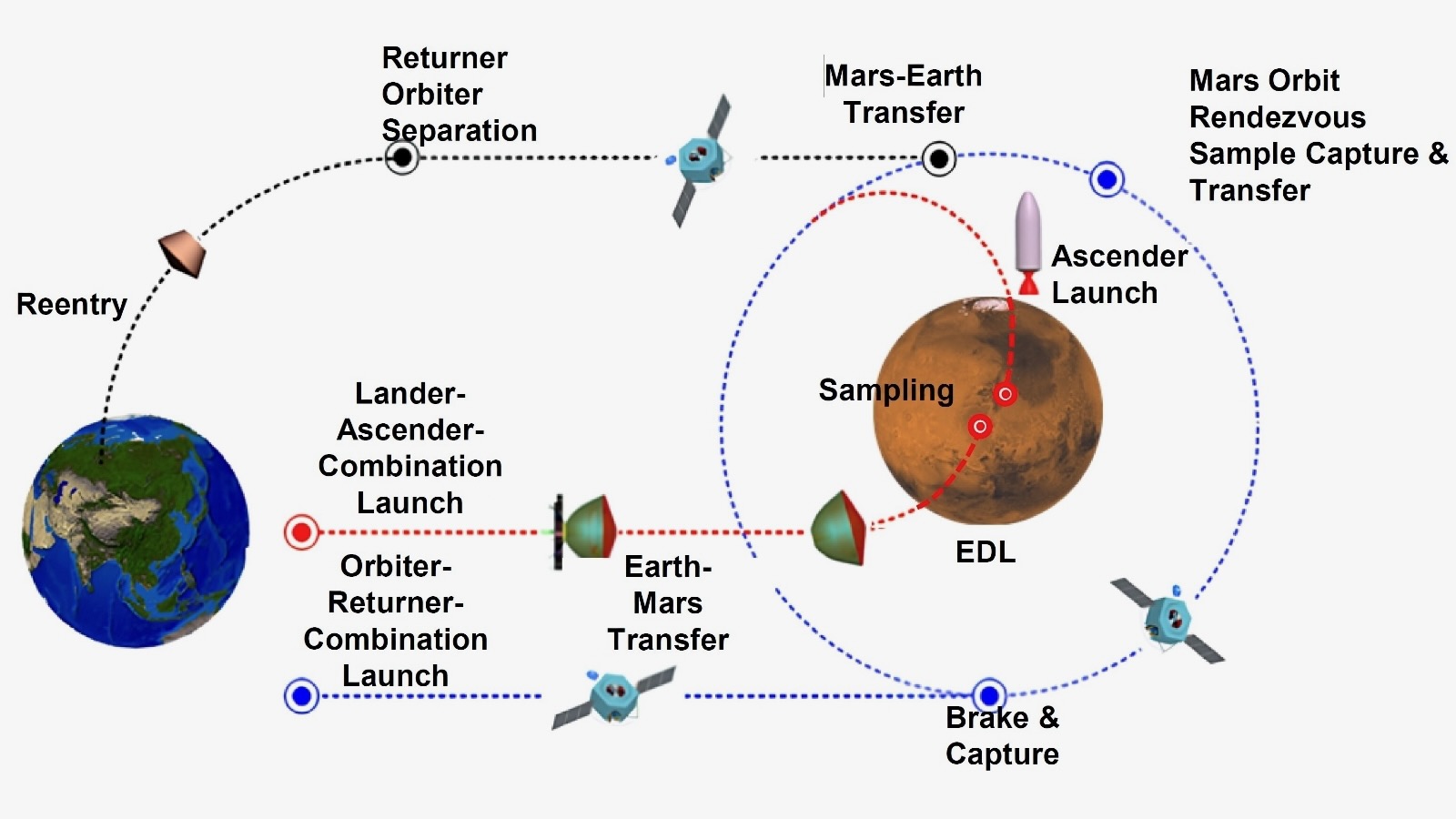
China is making progress on its Tianwen 3 Mars sample-return mission, which aims to launch in 2028 and return a collection of Red Planet dirt and rock to Earth in 2031.
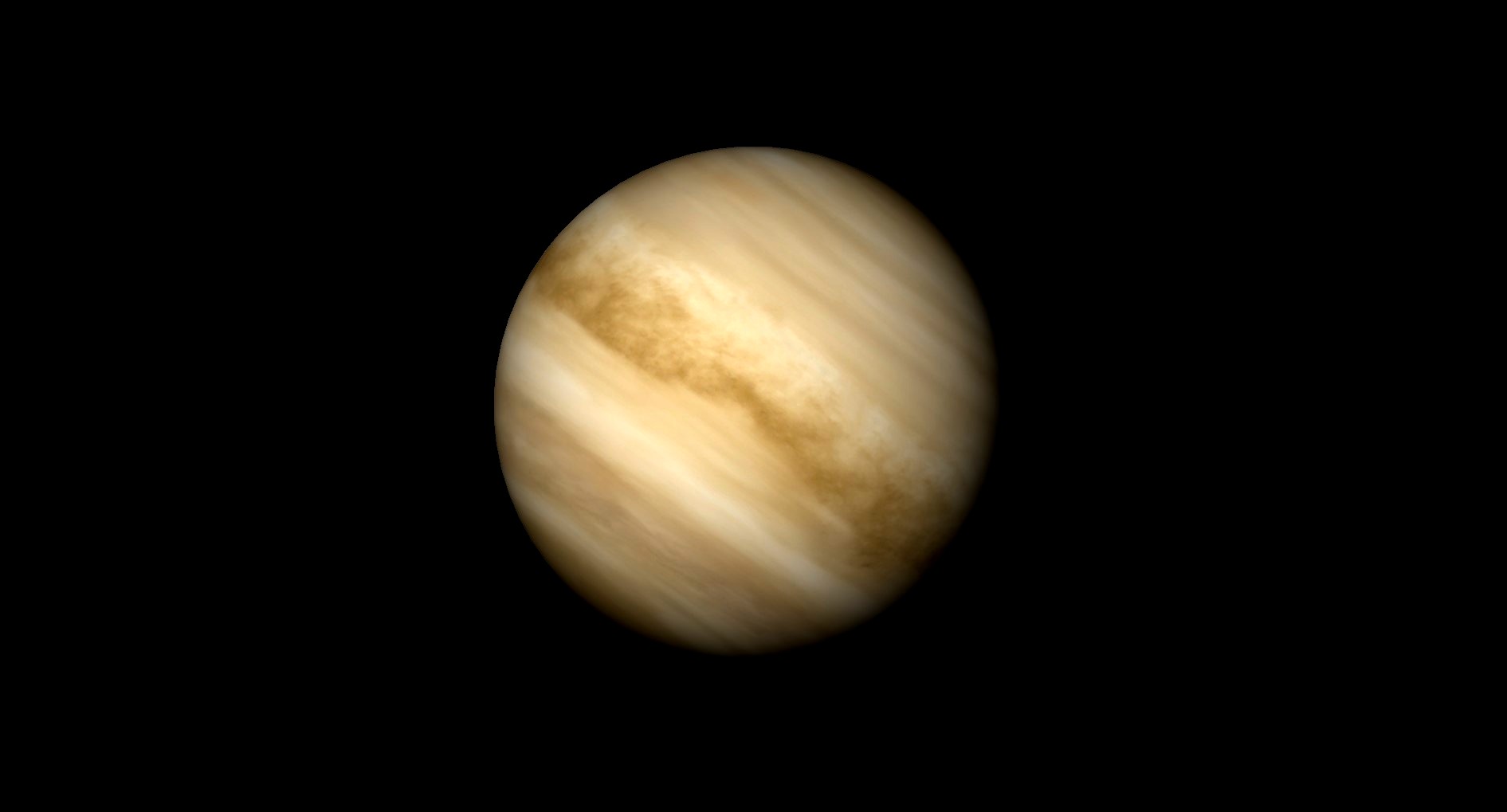
Scientists may finally know why Venus, Earth’s twin, lacks a moon, finding that the hottest planet in the solar system may have consumed its own natural satellite.
One day in history about 4.5 billion years ago was a dramatic one for Earth, potentially giving our planet an instant moon and an almighty headache all in one go.
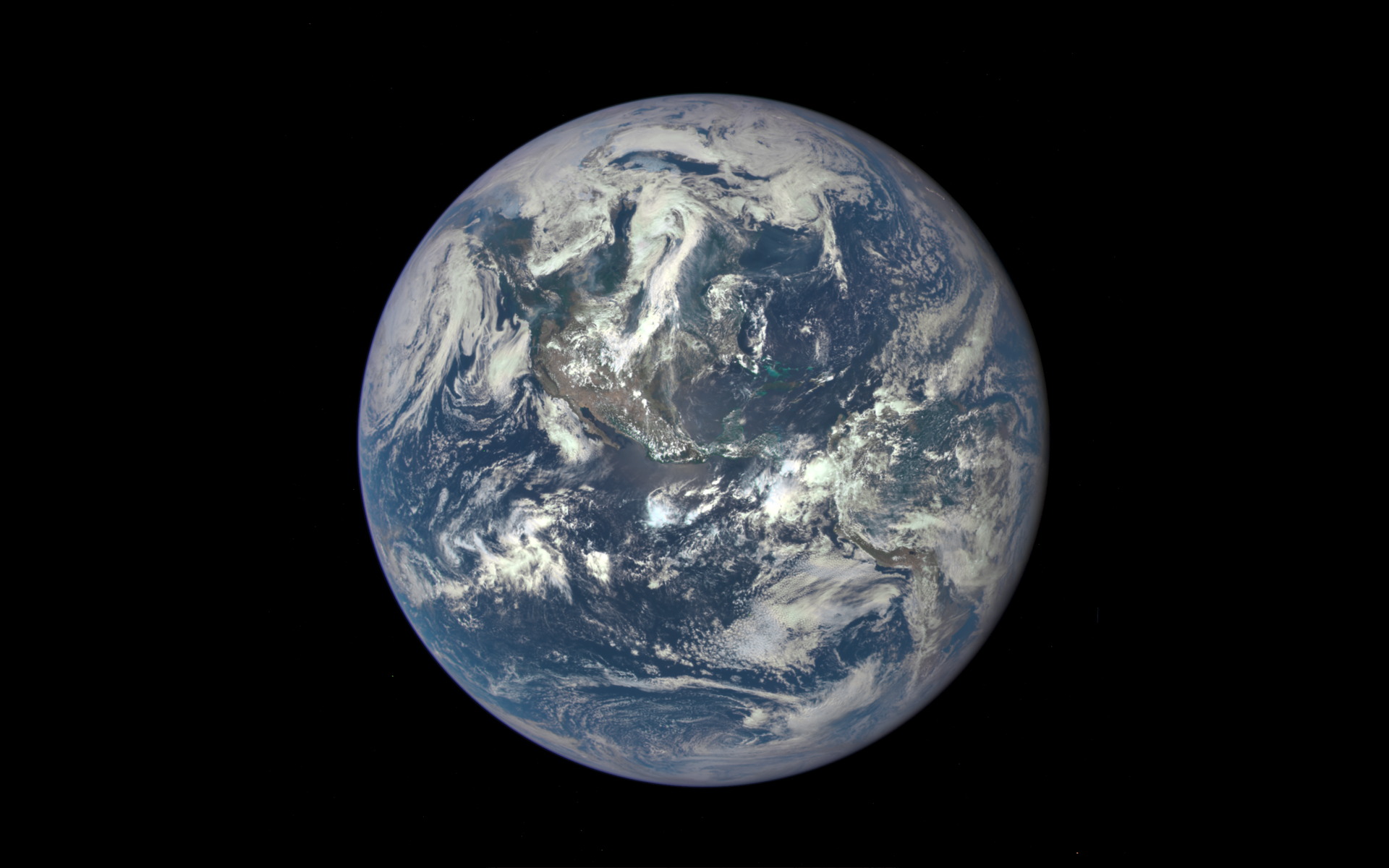
We’ve entered a new world of Earth observation, in which artificial intelligence helps researchers make sense of an ever-glowing glut of privately gathered data.