
Igor Arsovski, now Nvidia’s VP of hardware, presented the Groq 3 LPX rack’s architecture and published the first third-party benchmark of the hardware.

The U.S. Department of Justice and FBI announced domain seizures related to state-sponsored hacking activities that have impacted NASA, the Senate, and more.
The disorderly conduct case against Lux Claridge has been dropped by the city in municipal court, making the teacher breathe a little bit easier. However, it was done “without prejudice,” and the city’s attorneys have passed the case on to the county for review.

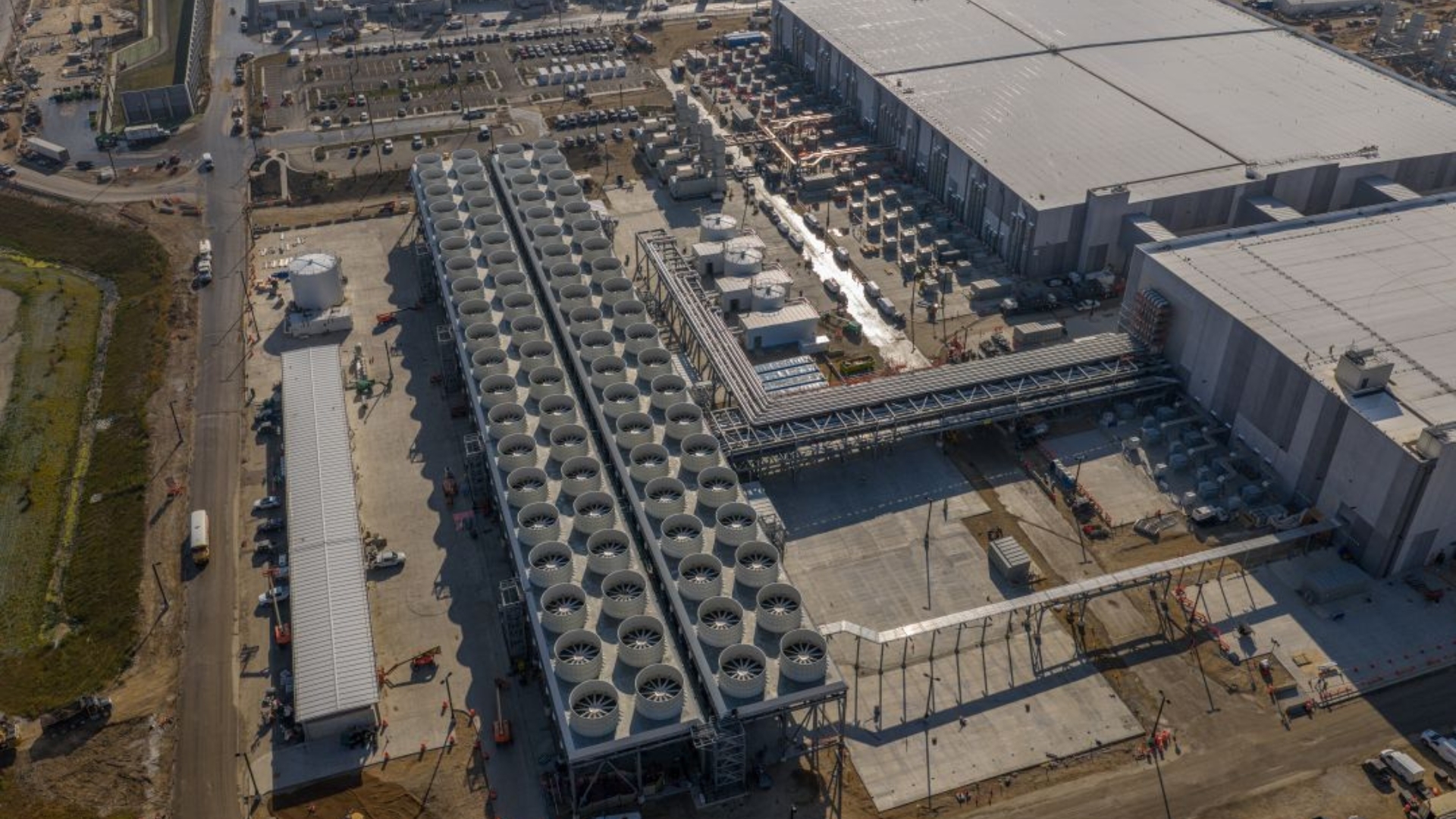
During Nvidia’s Hot Chips presentation on the Rubin GPU, the company emphasized power as a hard limit on data center capacity and touted the amount of compute that Vera Rubin NVL72 systems can deliver within an example fixed facility power budget of 100MW.
A man claiming to give massive returns to investors has been found guilty of wire fraud, mail fraud, and money laundering by a Nevada court. Brent Kovar now faces up to 280 years behind bars for his crimes, although sentencing will still be held on November 30.
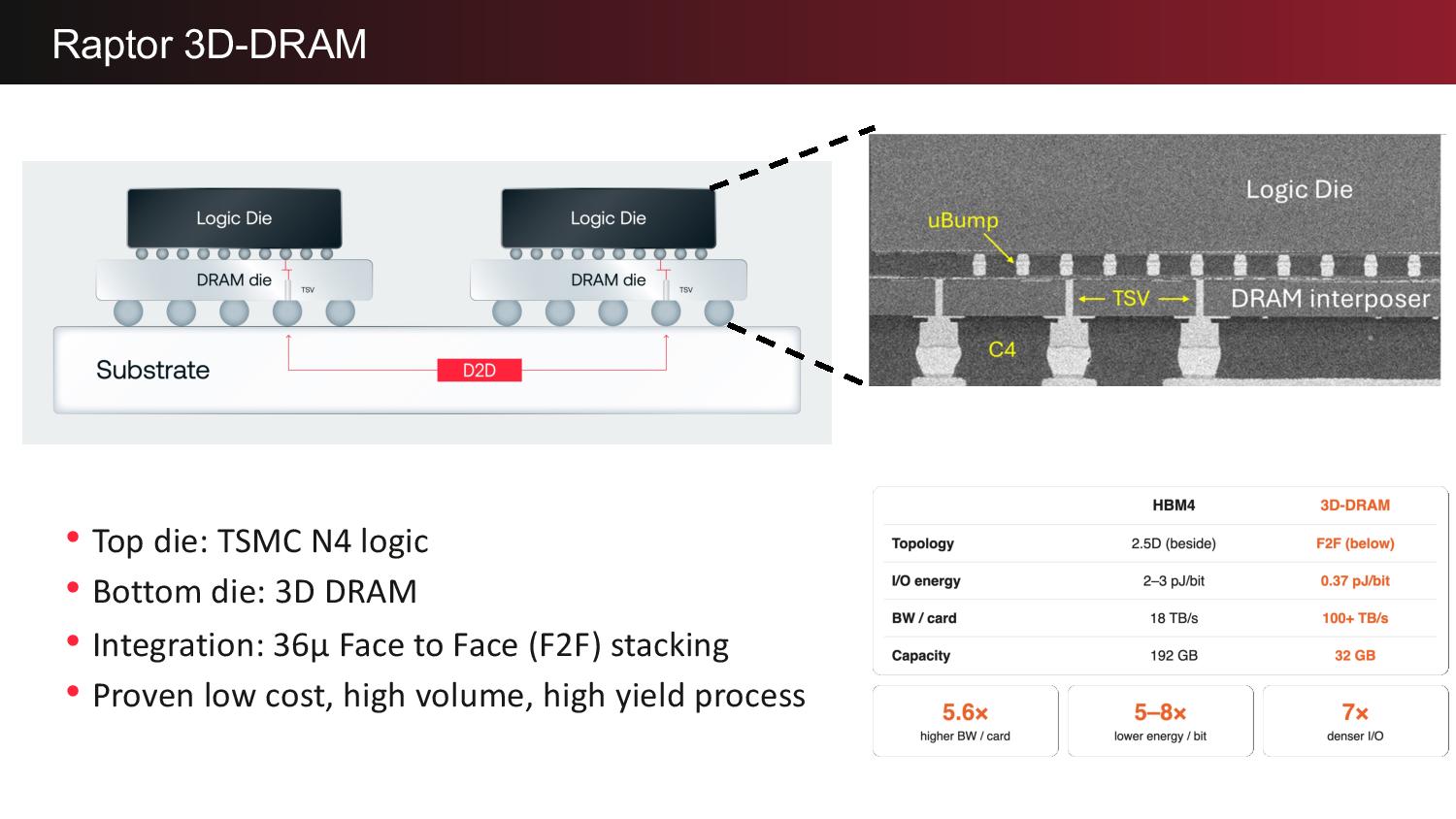
d-Matrix presented Raptor, which it calls the first 3D DRAM accelerator for generative inference, showing a TSMC 4nm compute die bonded face-to-face at a 36-micron pitch on top of a custom-designed DRAM die.
The billionaire philanthropist penned a 6,000-word essay raising the societal risks that AI bring and his proposed solutions to protect the average person.
A developer has uncovered some previously unknown GUID watermarking functionality deep within Microsoft’s Paint and Photos apps.
A proposed change to the EPA’s regulations would remove the requirement for states to seek public input on air pollution permits, particularly around AI data centers.

Instead of using ChatGPT to write the articles, the operators used the chatbot to strip any wording that might mark them as Russian speakers.