TSMC’s equipment requirements have nearly doubled in just eight months as AI demand drives an unprecedented fab expansion, yet its 2026 CapEx budget has risen by only around 15%.
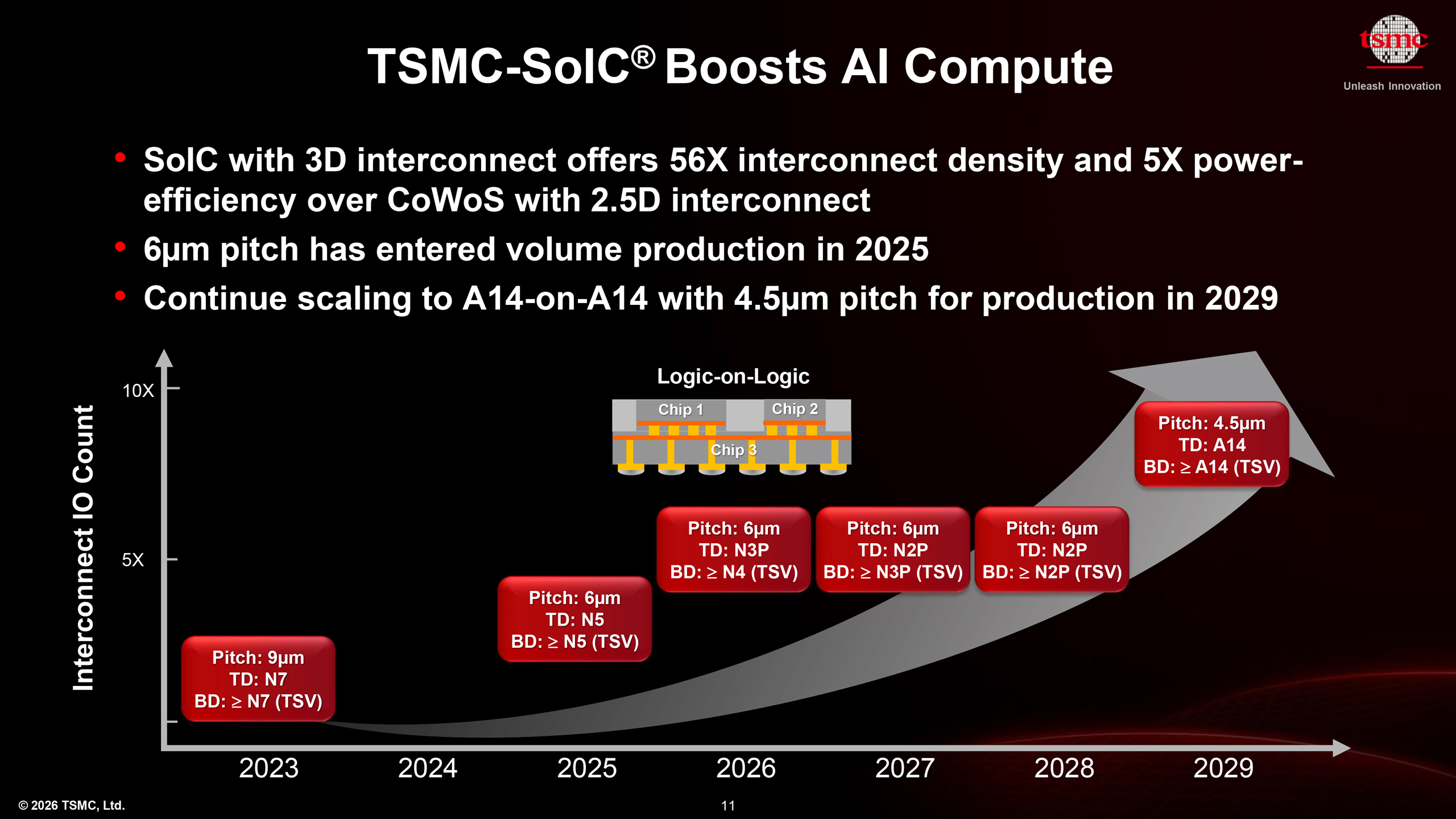
Hybrid bonding, the copper-to-copper joining technique that replaces solder microbumps in 3D chip stacks, is in high-volume production on logic and freshly postponed on memory.
Despite rumors, there is no evidence that Chinese makers of lithography tools can produce immersion lithography scanners in quantity.
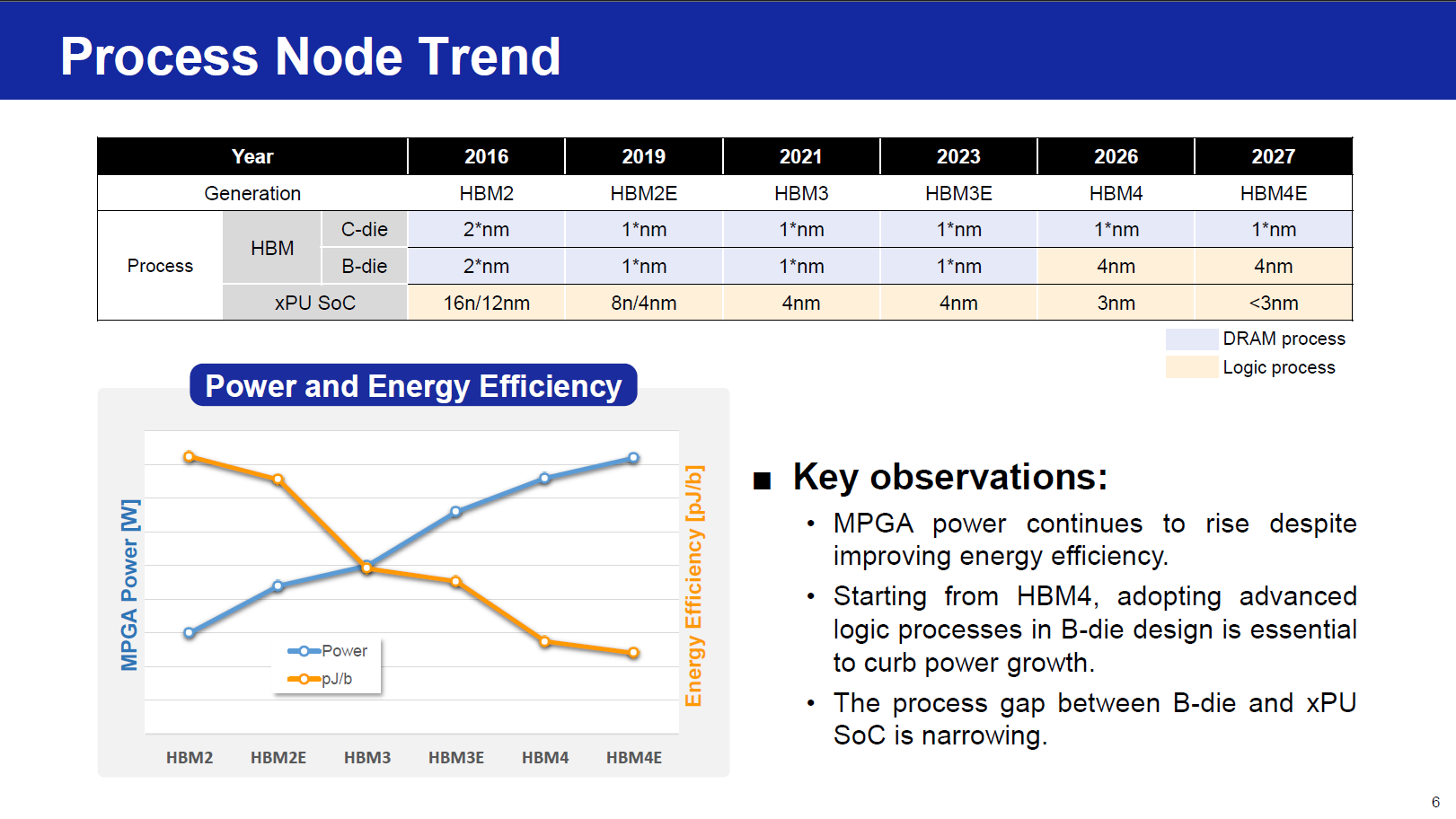
Samsung detailed a three-phase HBM roadmap at Hot Chips 2026 that progressively moves logic into the base die and ultimately stacks DRAM directly on the processor.
German and Japanese researchers demonstrate a heat-driven elastocaloric cooler that uses shape-memory alloys to turn waste heat into cooling.
Body or brain? When you’re building a humanoid robot, you have to build both. But sometimes, as Sanctuary AI found out, you don’t have to ship both at the same time.
Intel says defect density of 14A process technology is declining rapidly as internal teams are already developing 14A-based products, while external clients are now wondering about capacity that Intel can provide them.
Glass-core substrates, the replacement for organic chip packaging that Intel promised in September 2023, are now in final qualification but still not in a single commercial product
An environmental group said that two new chemicals approved by the EPA for semiconductor manufacturing do not come with enough safeguards, so they’re suing the agency for ‘turning the new chemical review process on its head.’
Which countries are best at physical AI and advanced robotics. According to a new report, it’s China, and not by a small margin.