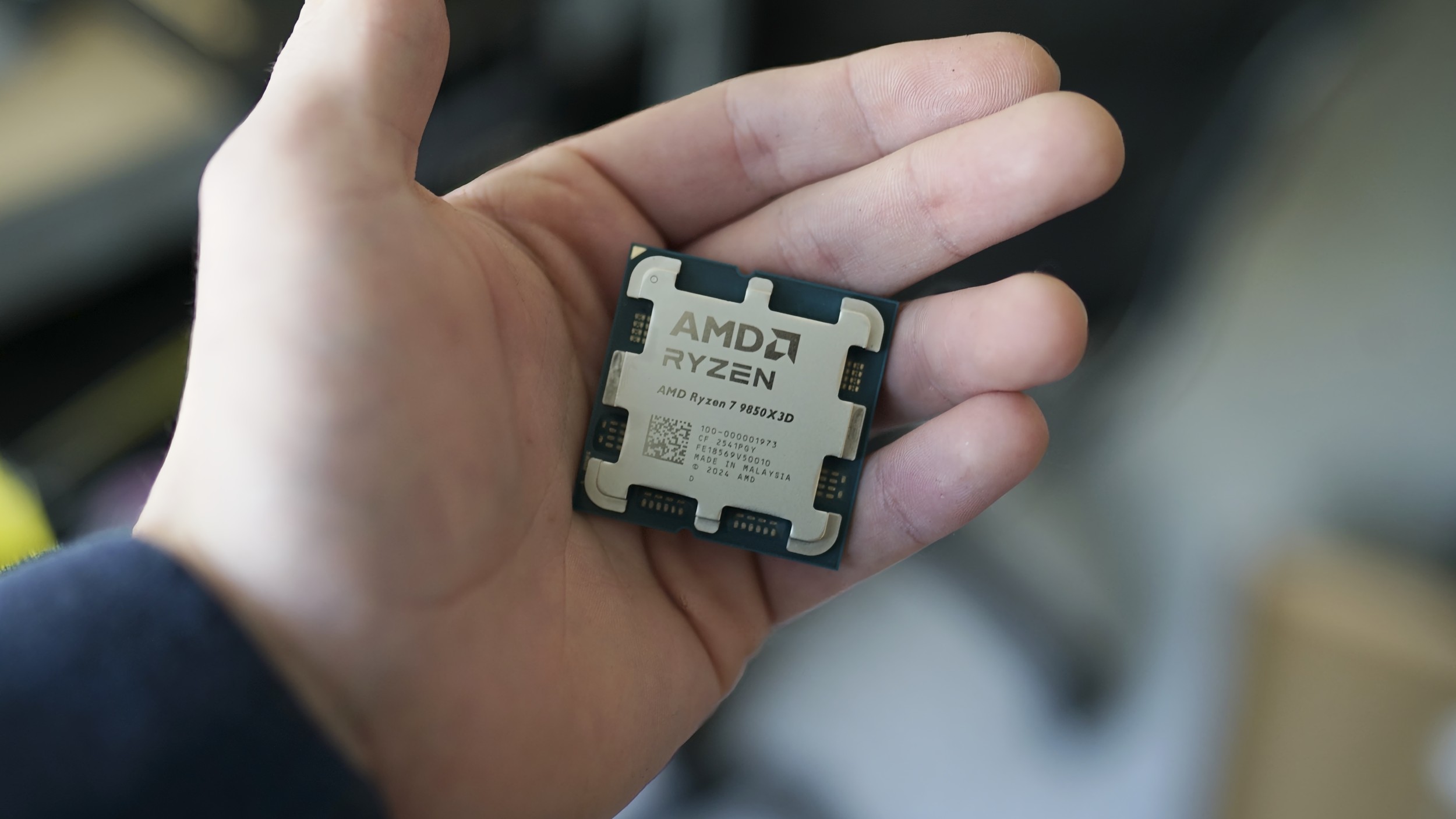
Apple’s planned M7 Ultra chip is being designed to support up to 1.5 TB of unified memory and to push AI performance toward the class of Nvidia’s Blackwell accelerators.
SK hynix raised $26.5 billion in a record-breaking Nasdaq IPO, as it plans to channel the windfall from surging AI demand and sold-out HBM supply to fund new fabs.
Japanese chipmaker Rapidus discloses one more aspect of its strategy: to offer lower quotes than TSMC.
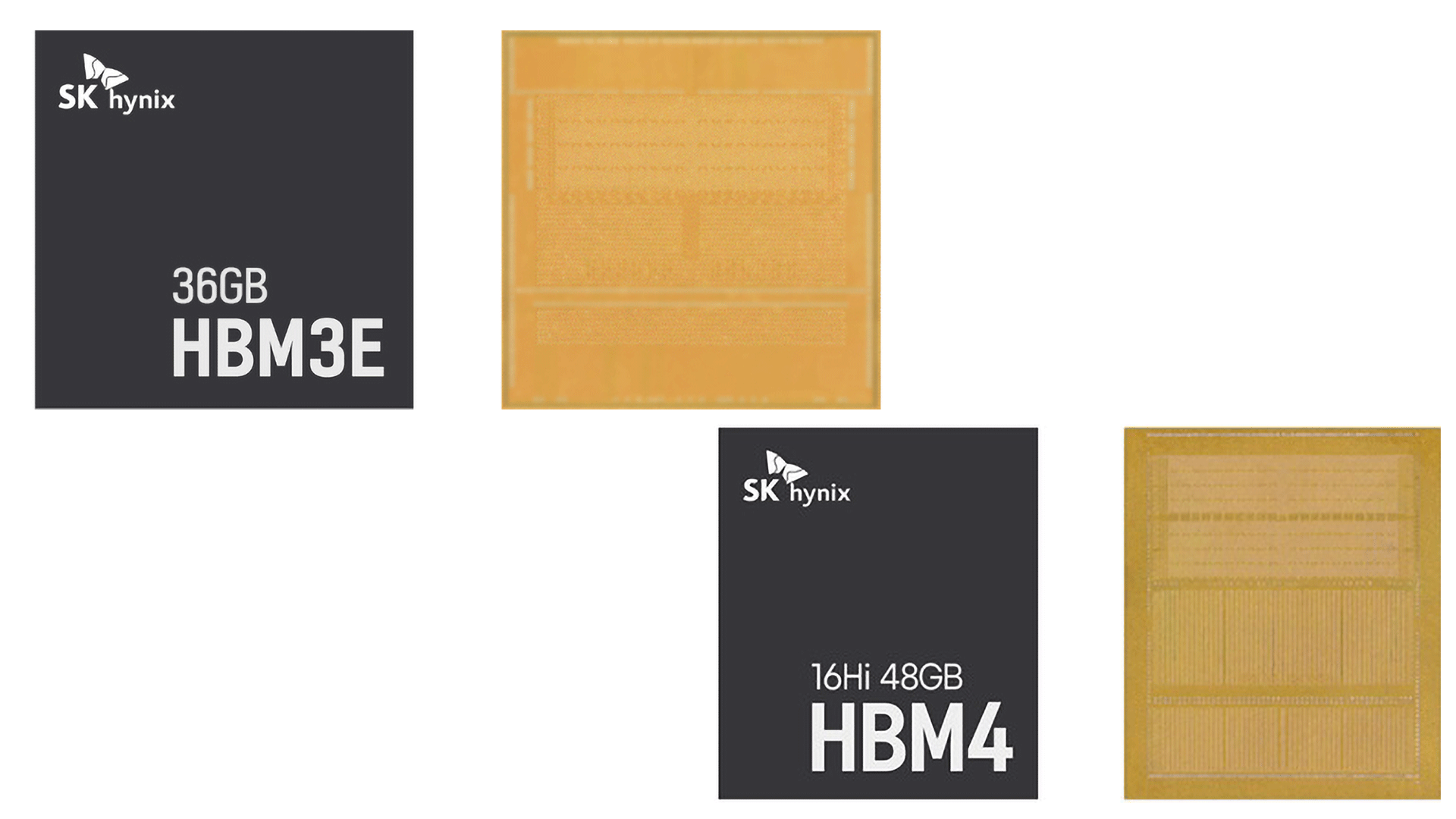
Researchers in Korea and Japan have proposed sideways-stacked DRAM designs that could push future AI memory beyond conventional HBM limits by improving cooling, bandwidth, and capacity while reducing reliance on TSV-heavy vertical stacks.
Micron has said it will invest up to $3 billion in the US semiconductor supply chain, with $500 million of that going to GlobalWafers.
Manufacturers are adopting AI fast, but returns are lagging. The problem is often weak procurement discipline, not weak technology.
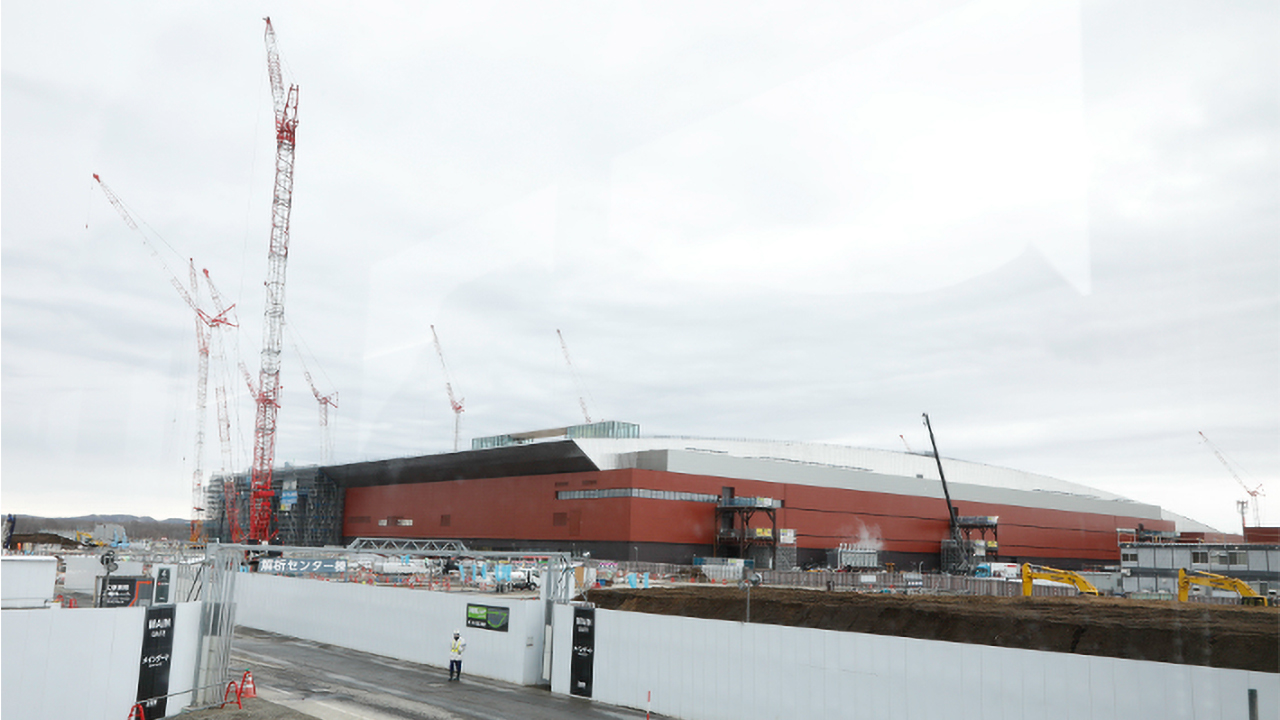
Rapidus is building Japan’s entire return to leading-edge logic on one fab in Chitose, Hokkaido.
Maybe your job is safe from the robots just because you’re cheap, and they’re expensive. But maybe that won’t last forever …
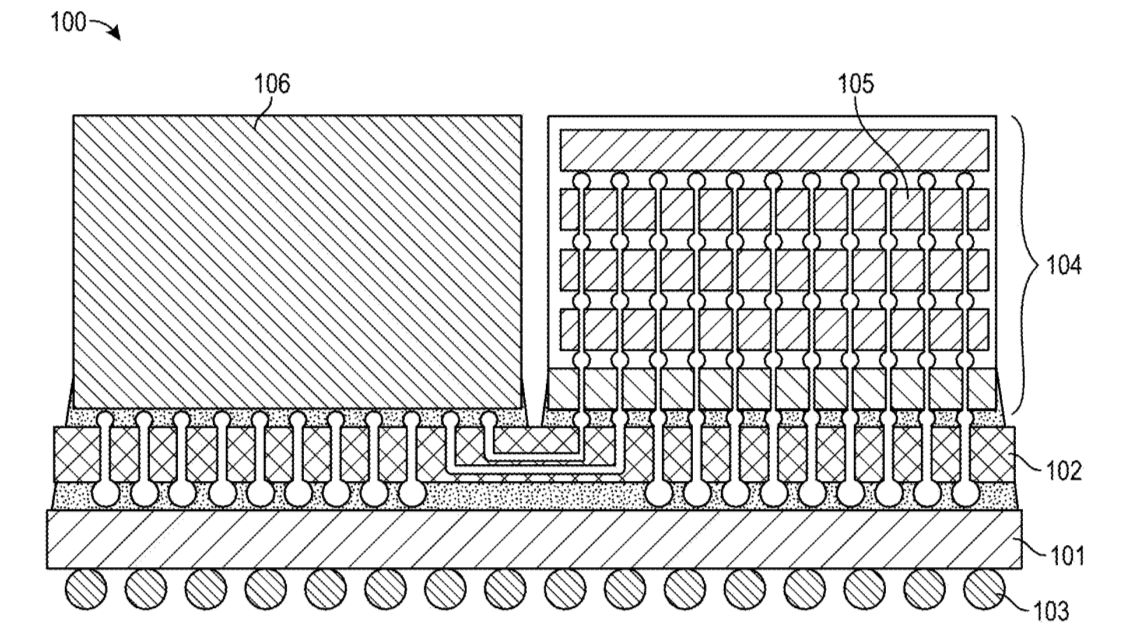
Intel’s XBM patent proposes an HBM alternative that uses backend-transistor DRAM, UCIe chiplet links, and repair logic to reduce packaging costs and complexity.
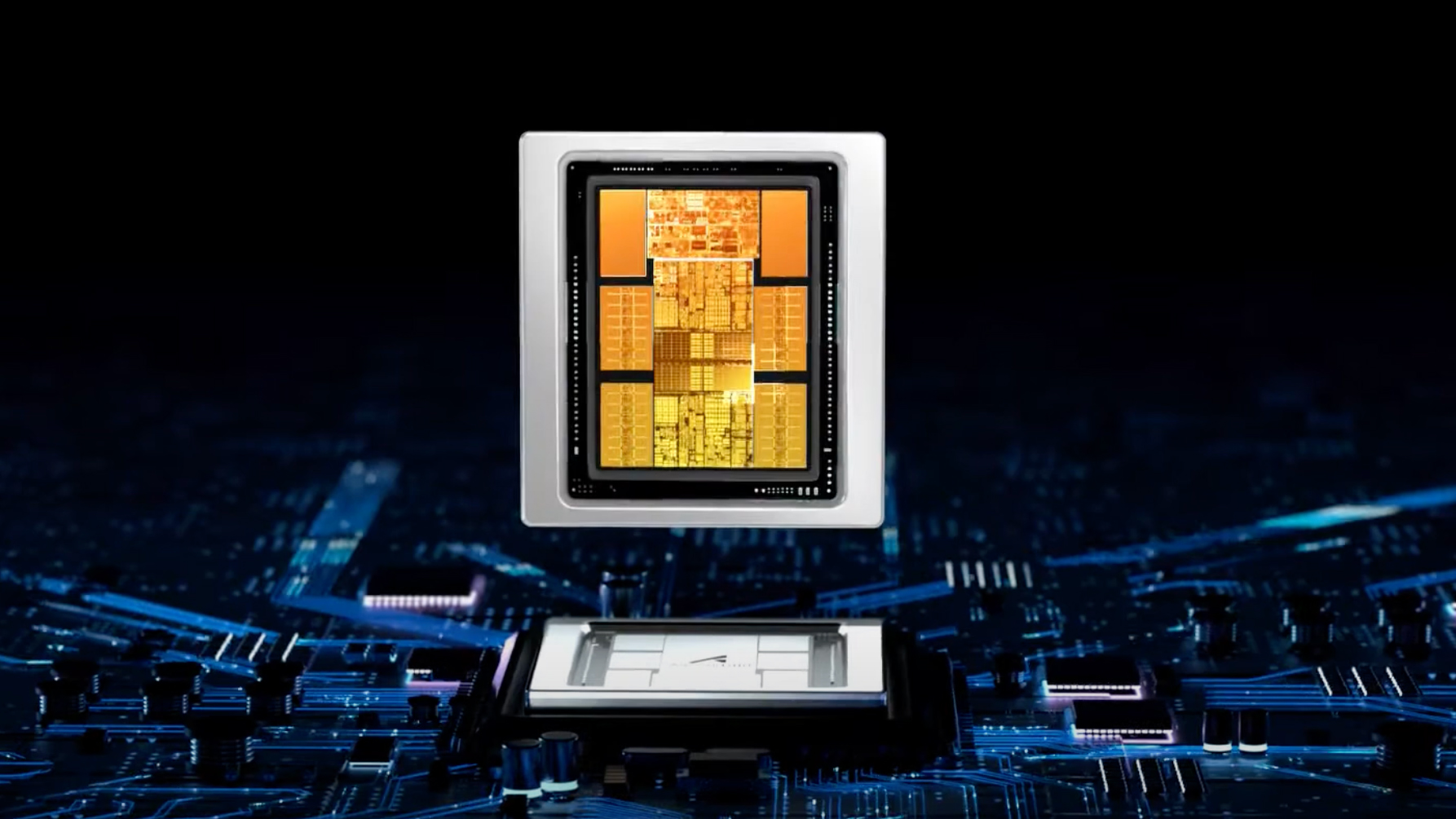
Huawei is reportedly preparing to enter South Korea’s AI accelerator market with its Ascend 950 chips and Atlas 950 SuperPod, challenging Nvidia through aggressive pricing, amid a broader push to expand its AI ecosystem beyond China