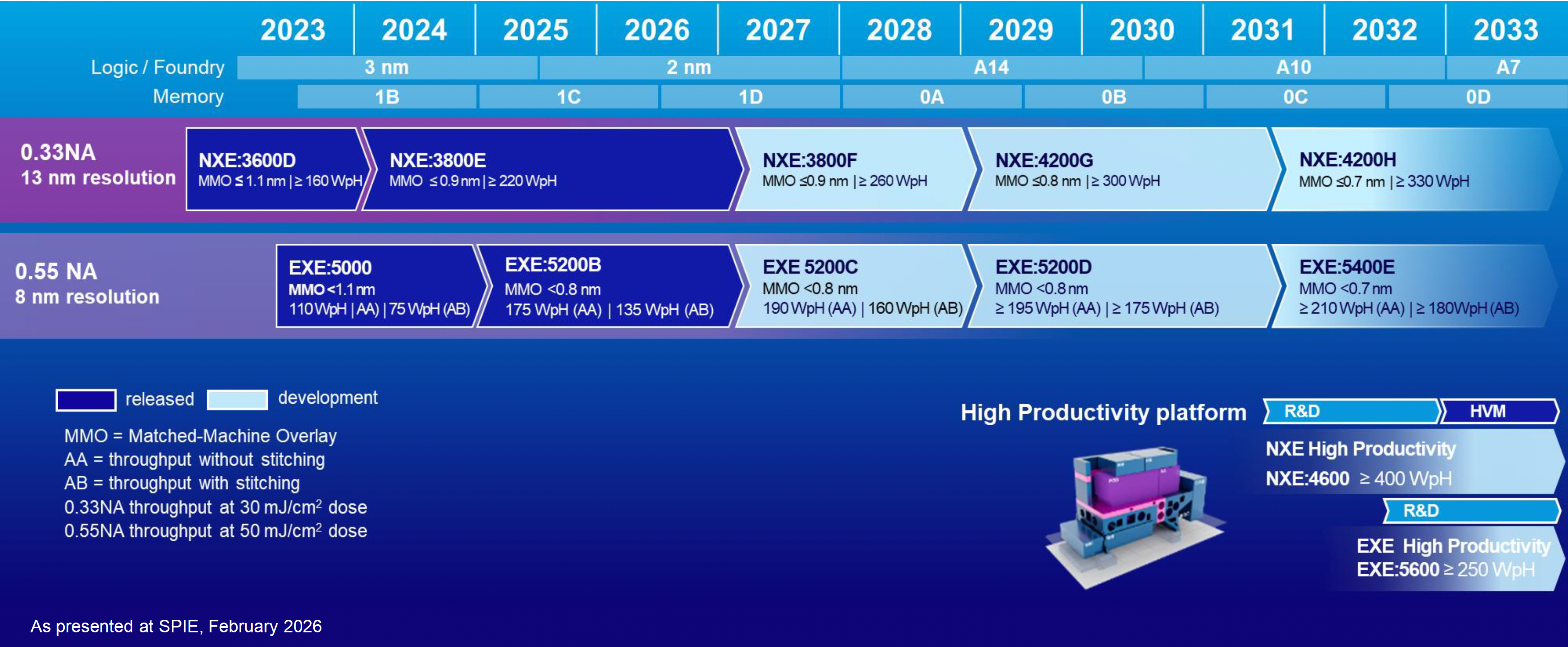
ASML says that the increased productivity of its Low-NA EUV tools gives it an option to increase the prices of these scanners in the future. The move may have a drastic effect on TSMC’s future expansion plans, as the foundry made a big bet on existing lithography systems.
TSMC’s A14 process technology progresses faster than N2 at this stage of development as developers of both client and AI/HPC plan to use it.
ASML’s comments point to intentions to increase prices, though the company is expected to maintain its value-based approach to price setting. Yet, TSMC is reportedly unhappy about the potential plan.
I spent an hour with Humanoid’s Sotirios Stasinopoulos in the company’s UK headquarters. In spite of huge competition, their humanoid robot strategy looks impressive.
Tower Semiconductor has announced a dual-track expansion of its 300mm silicon photonics, silicon germanium, and advanced packaging operations in Japan
Intel is using ASML’s High-NA EUV tools to pattern select Panther Lake layers, marking the technology’s first use in high-volume logic production
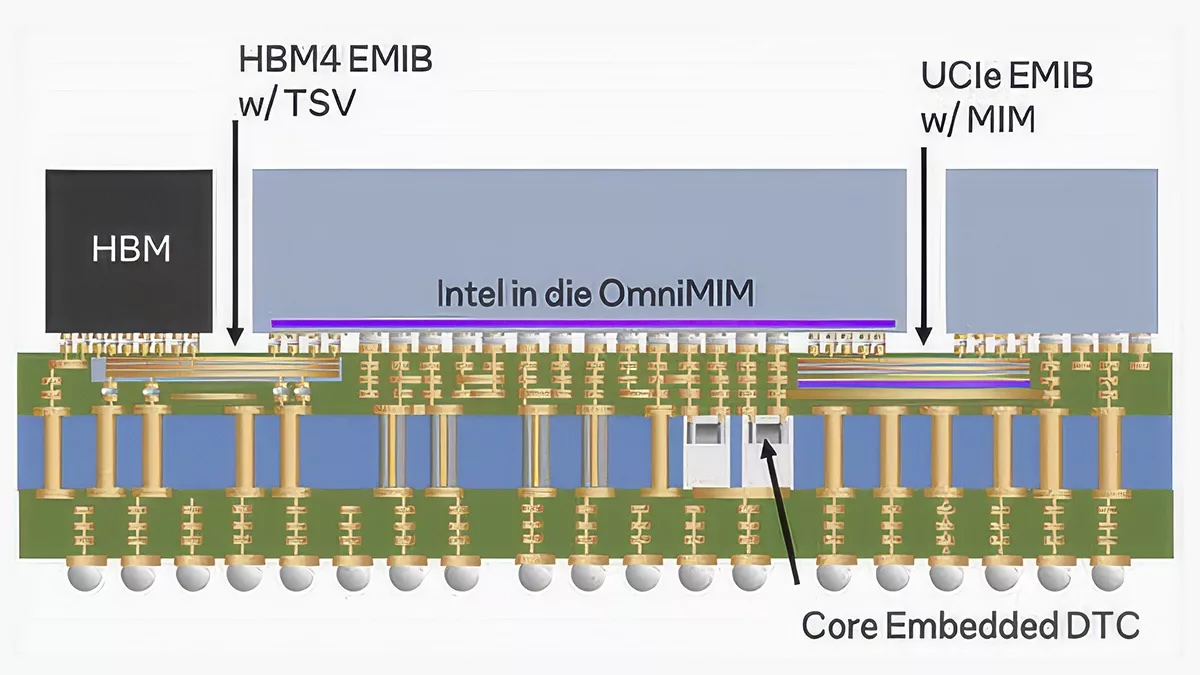
Google has reportedly chosen Intel’s EMIB-T over TSMC’s CoWoS-L for its next-generation TPU, codenamed Humufish. But will Google be alone in its alleged decision?
Researchers created a programmable thermal material that steers heat and retains its state without power, a breakthrough that could benefit AI chips, silicon photonics, and infrared devices.
Running until 2035, the $250 billion spending target is attached to a goal of making 40% of Micron’s DRAM in the U.S. by the mid-2030s.
Intel has unveiled Starfire, a space-grade system-on-chip designed for the U.S. government.