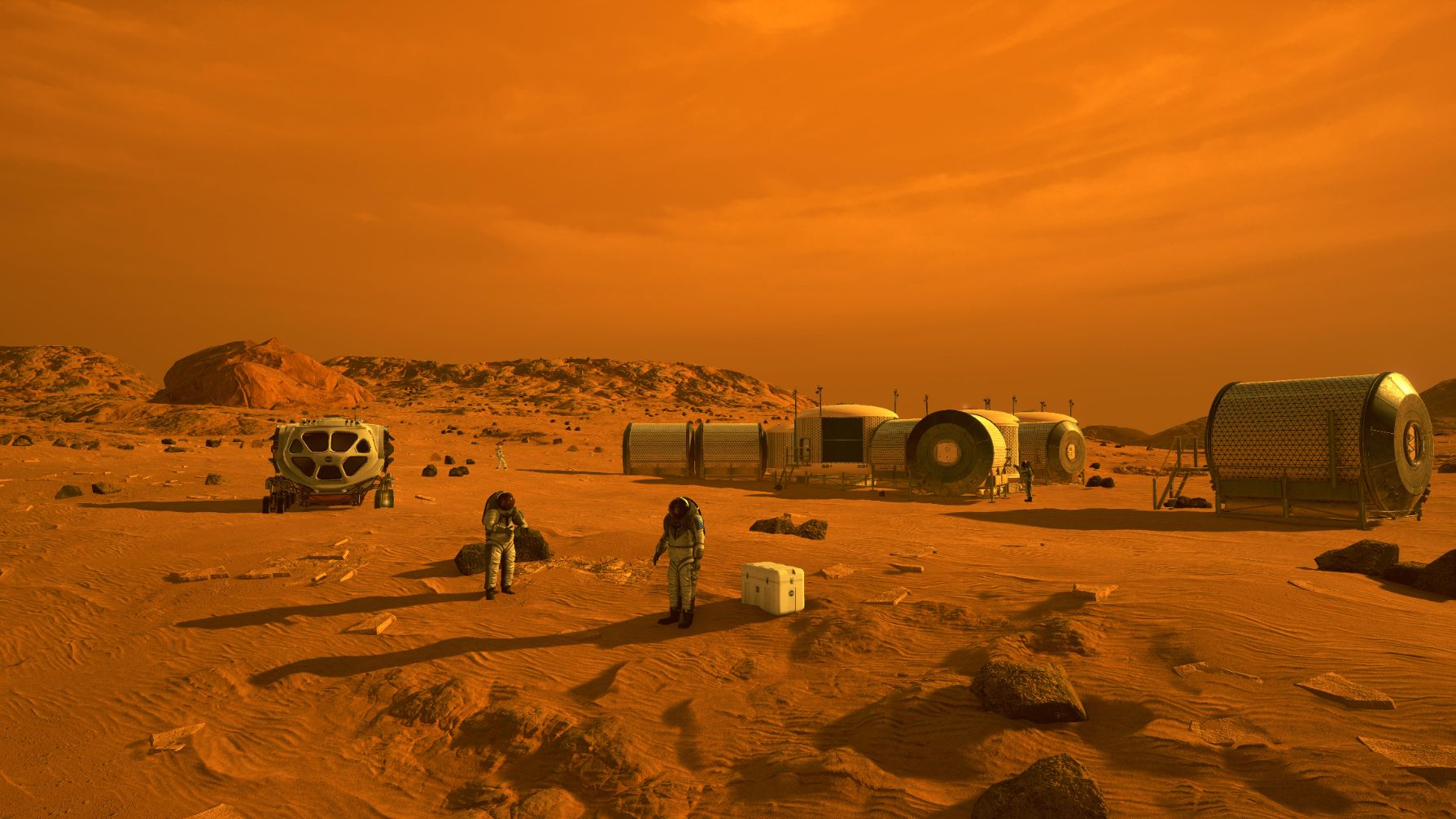
By making fuel on the Red Planet rather than bringing it from Earth, a Mars mission could save vital mass.
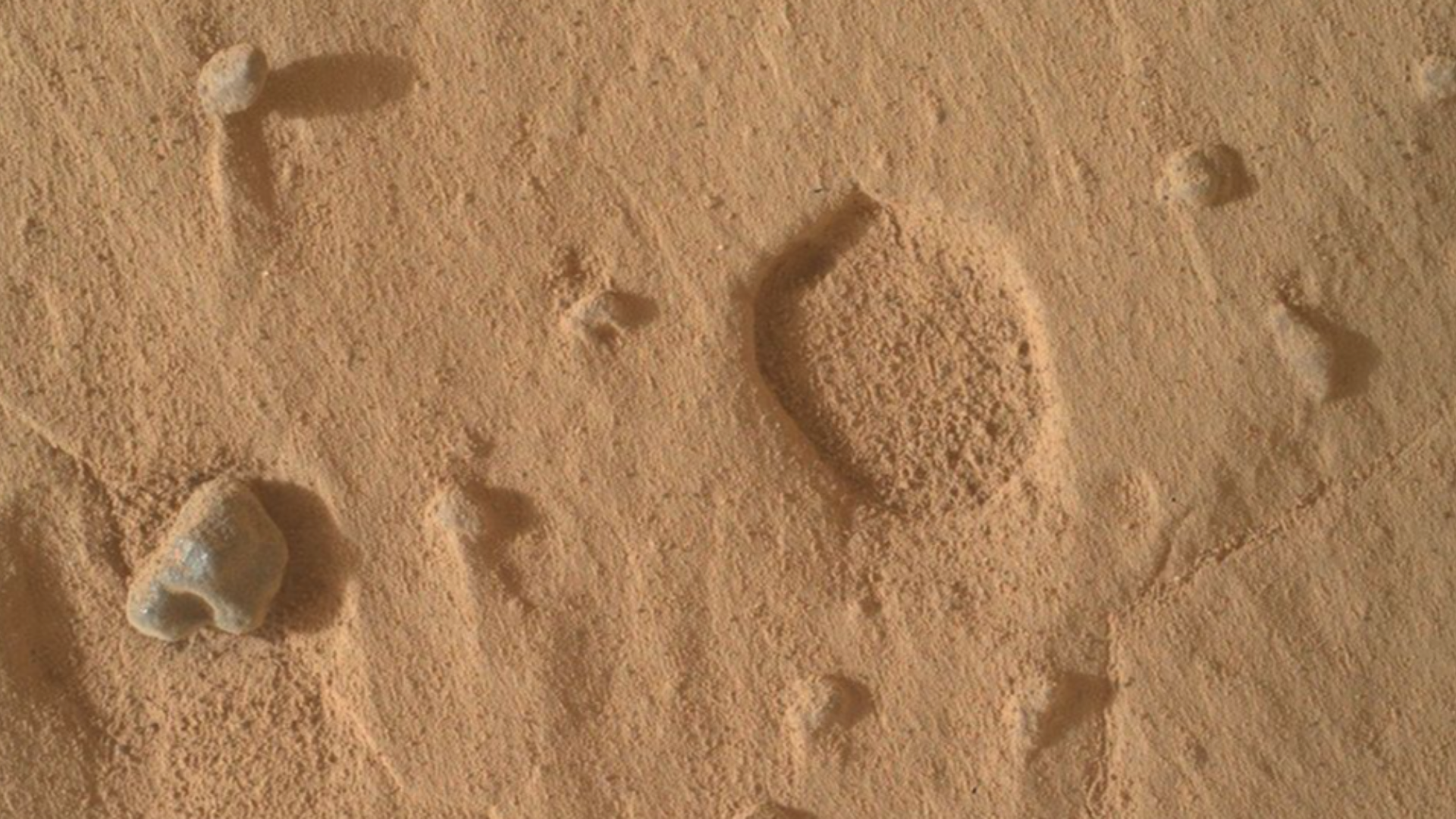
“Both of our workspaces this week contained features unlike quite anything we have seen in the past.”
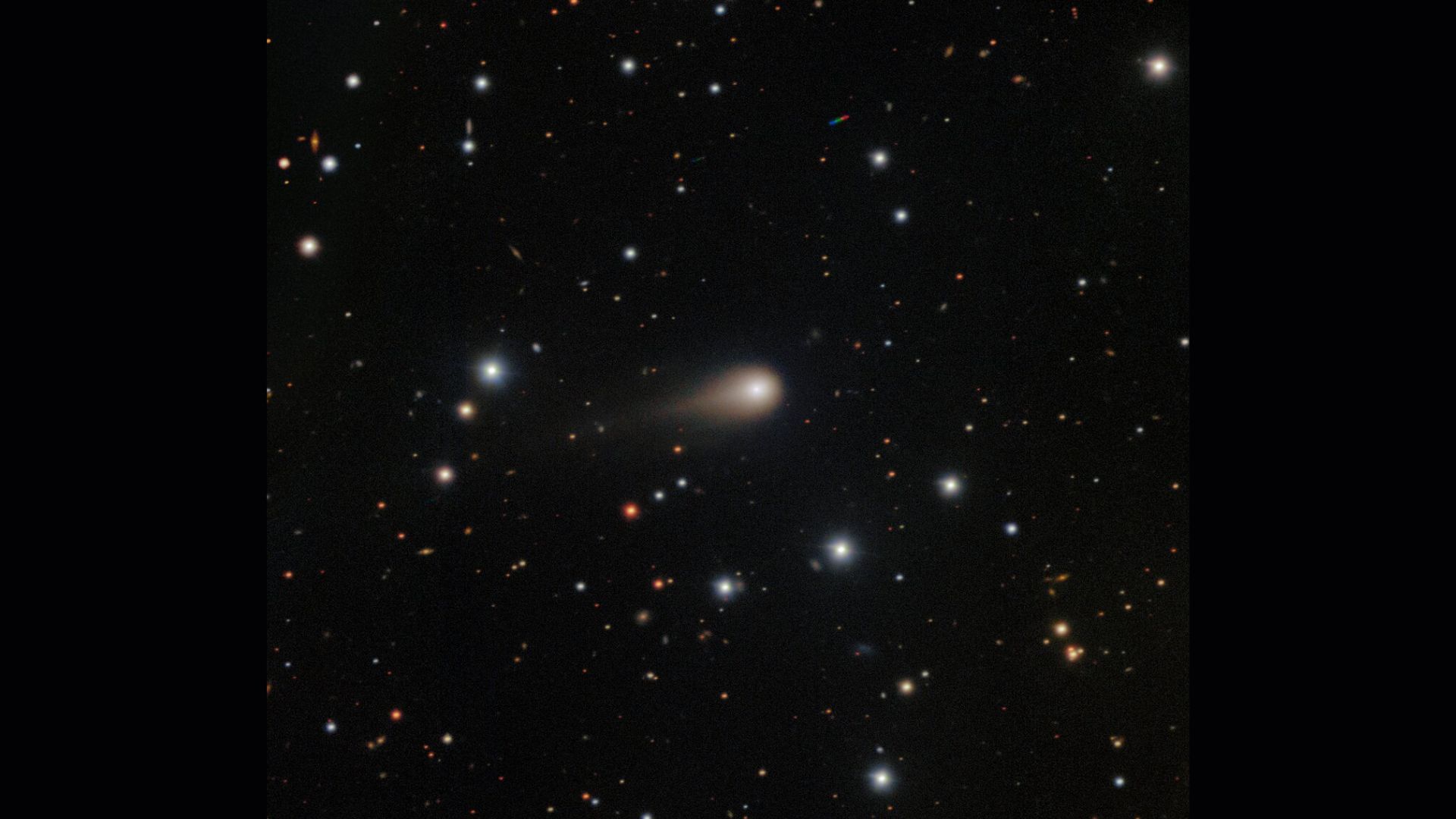
“Every one of these objects we study helps us understand a little more about how planets form around other stars.”
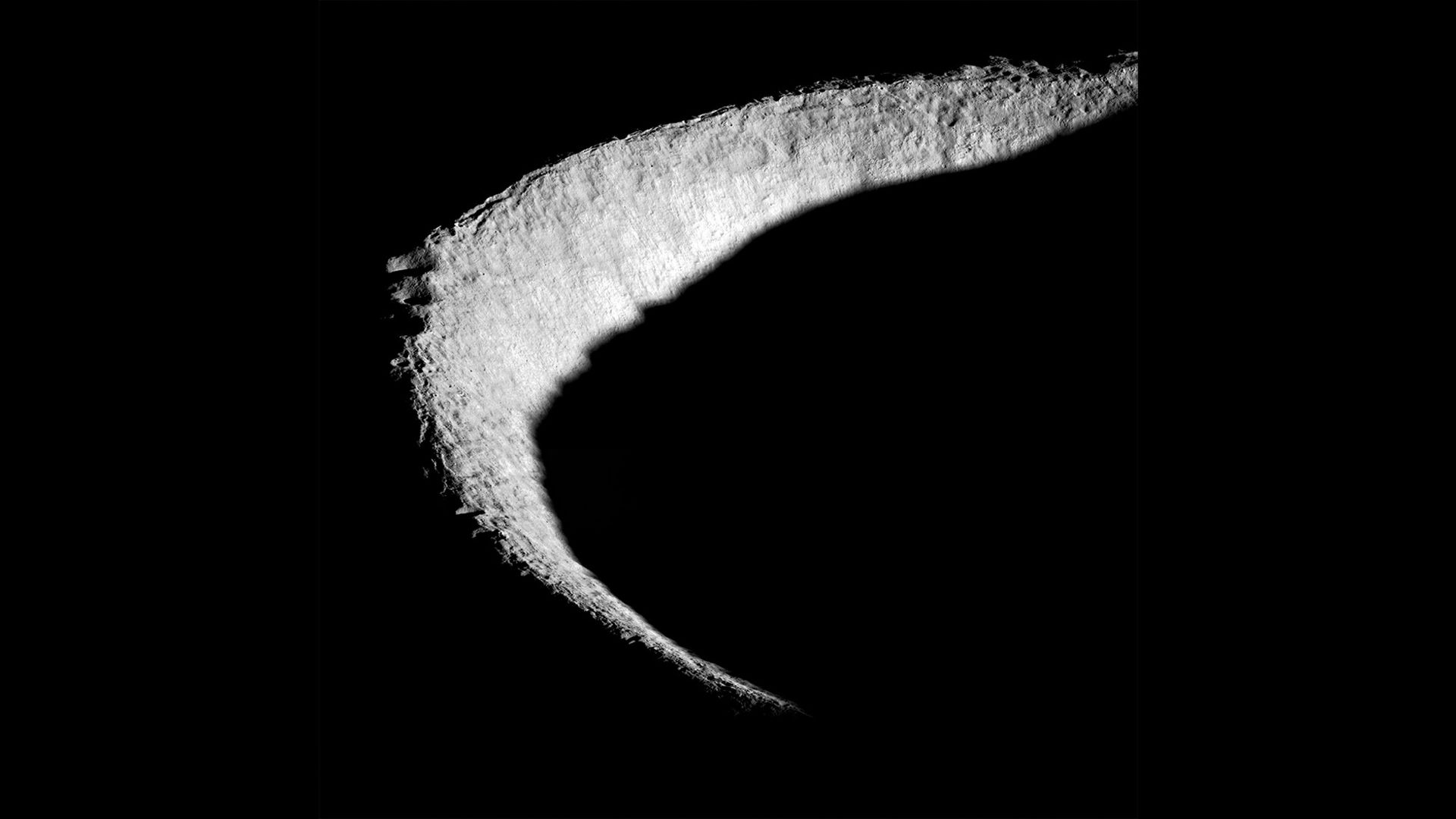
The discovery of water in dark craters at the moon’s poles has sparked a “moon rush” to establish bases there, and then villages, cities and heavy industry. How sustainable is this rush?
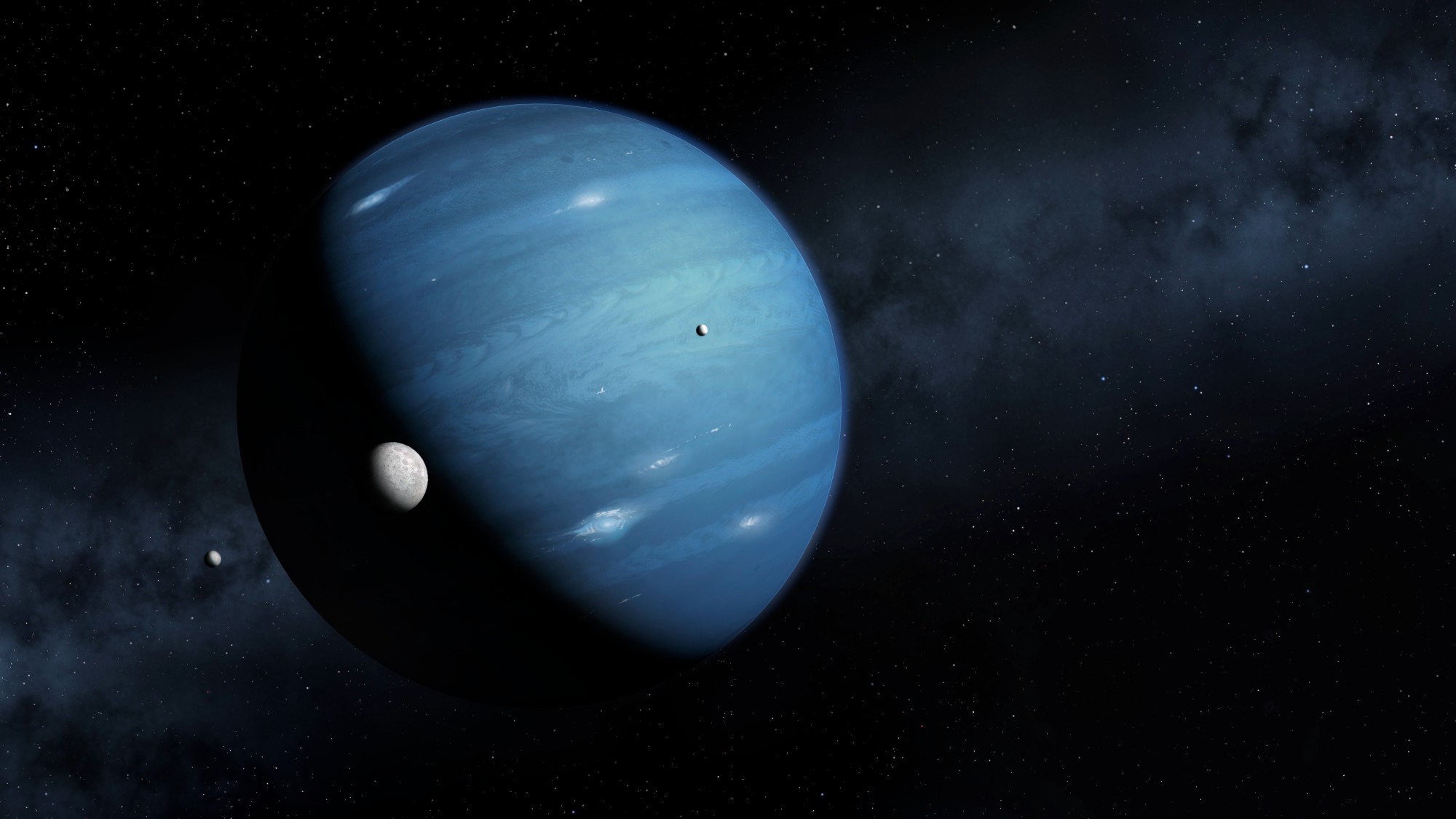
For more than a century, astronomers have been captivated by the idea that an undiscovered planet could be lurking in the furthest reaches of our solar system.
NASA and IBM have developed an AI model to help sift through the mountains of data the agency has gathered about the moon.

The sun may have swallowed a super-Earth planet in its early history, and our star may still be hiding the evidence, new research suggests.

A dune field on Mars, as seen by the Mars Reconnaissance Orbiter.
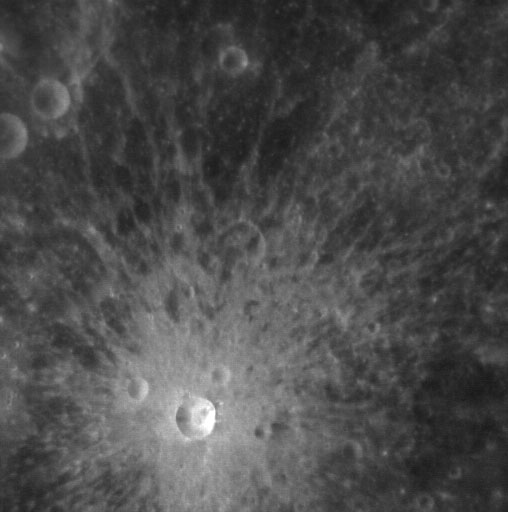
Wrinkles on the surface of Mercury have revealed that the closest planet to the sun is shrinking faster than scientists thought.
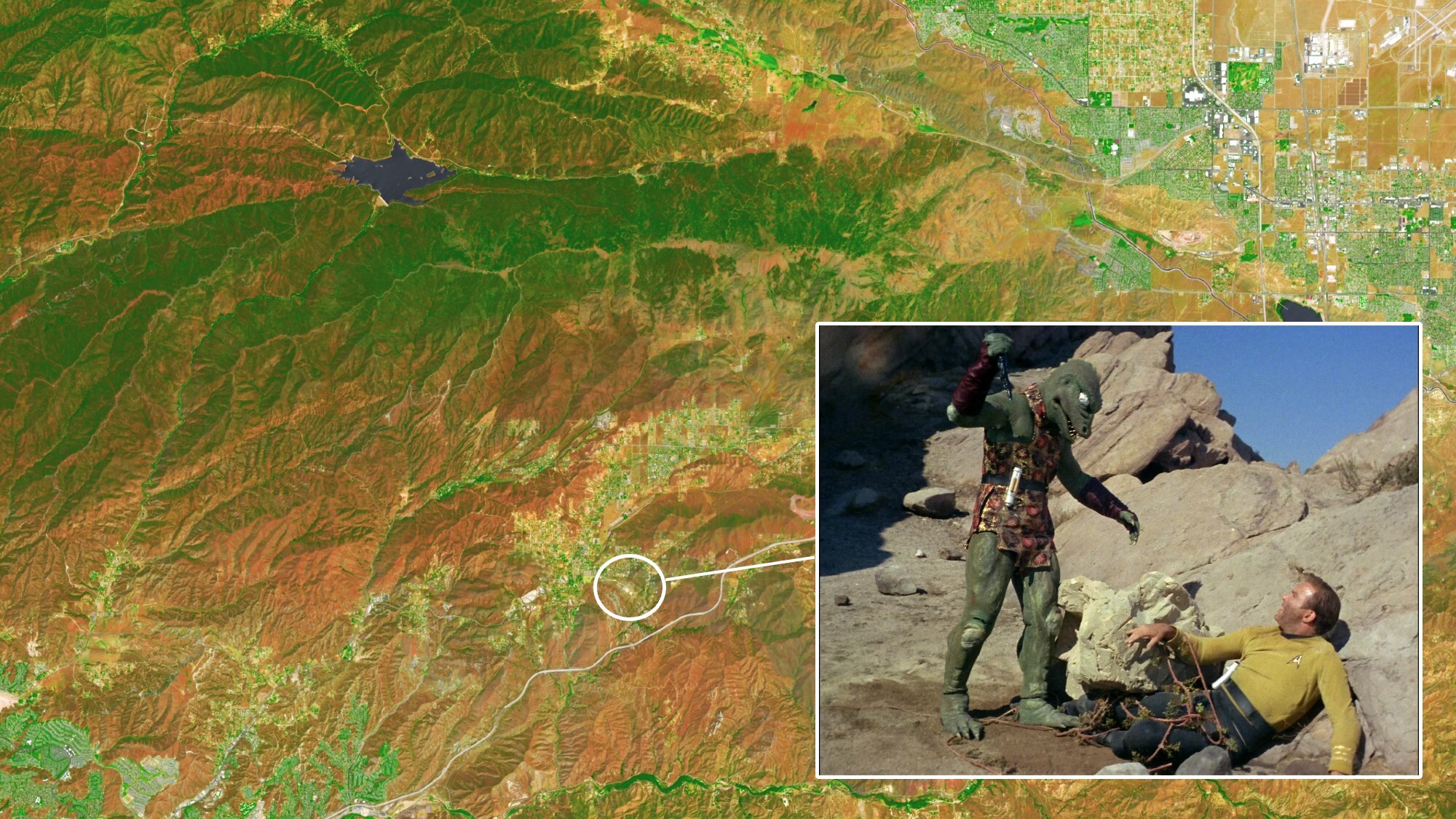
This new satellite image shows Vasquez Rocks in southern California, where Captain Kirk once faced off against the Gorn.