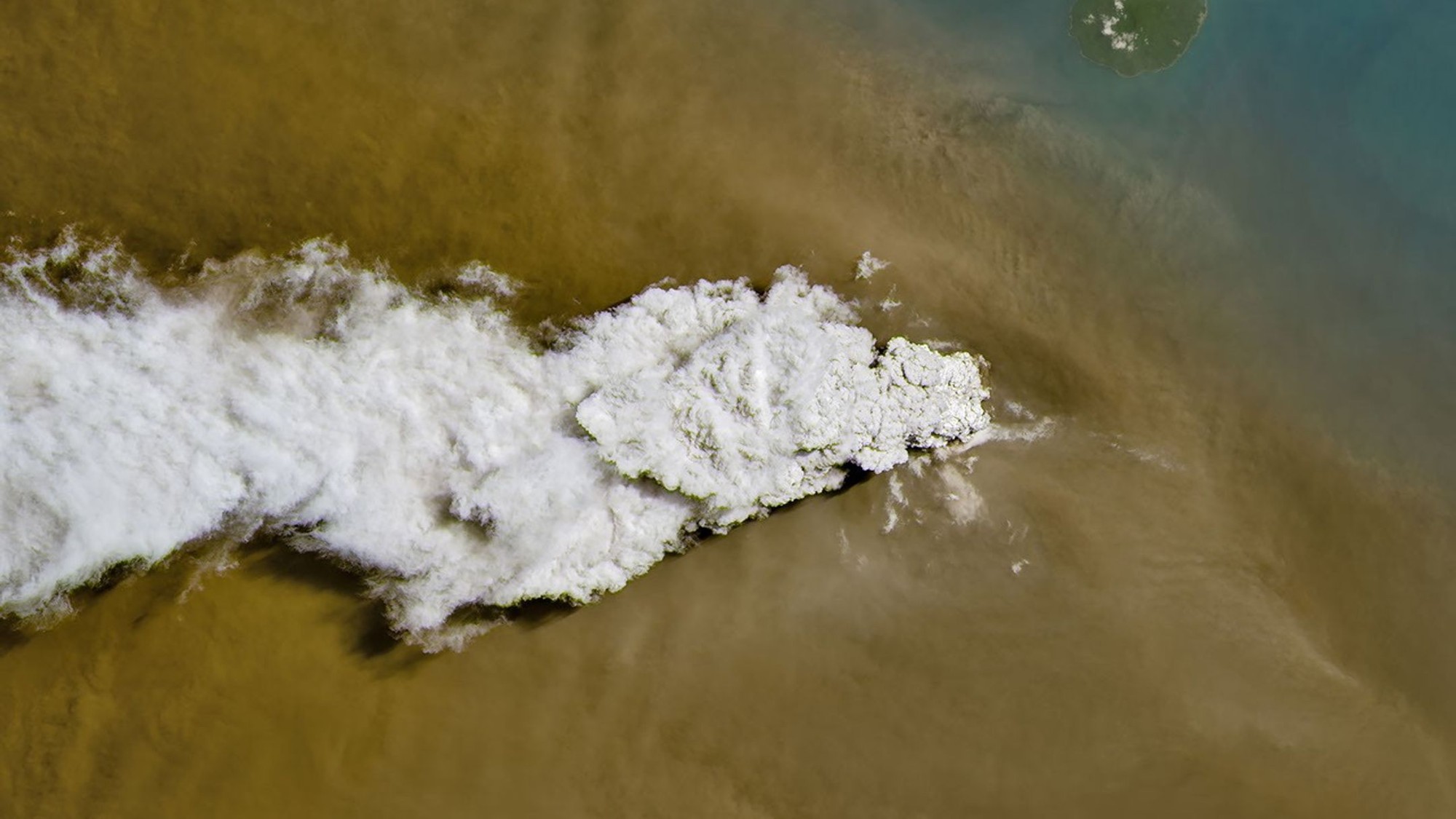
Anak Krakatau erupted, and satellites were watching.
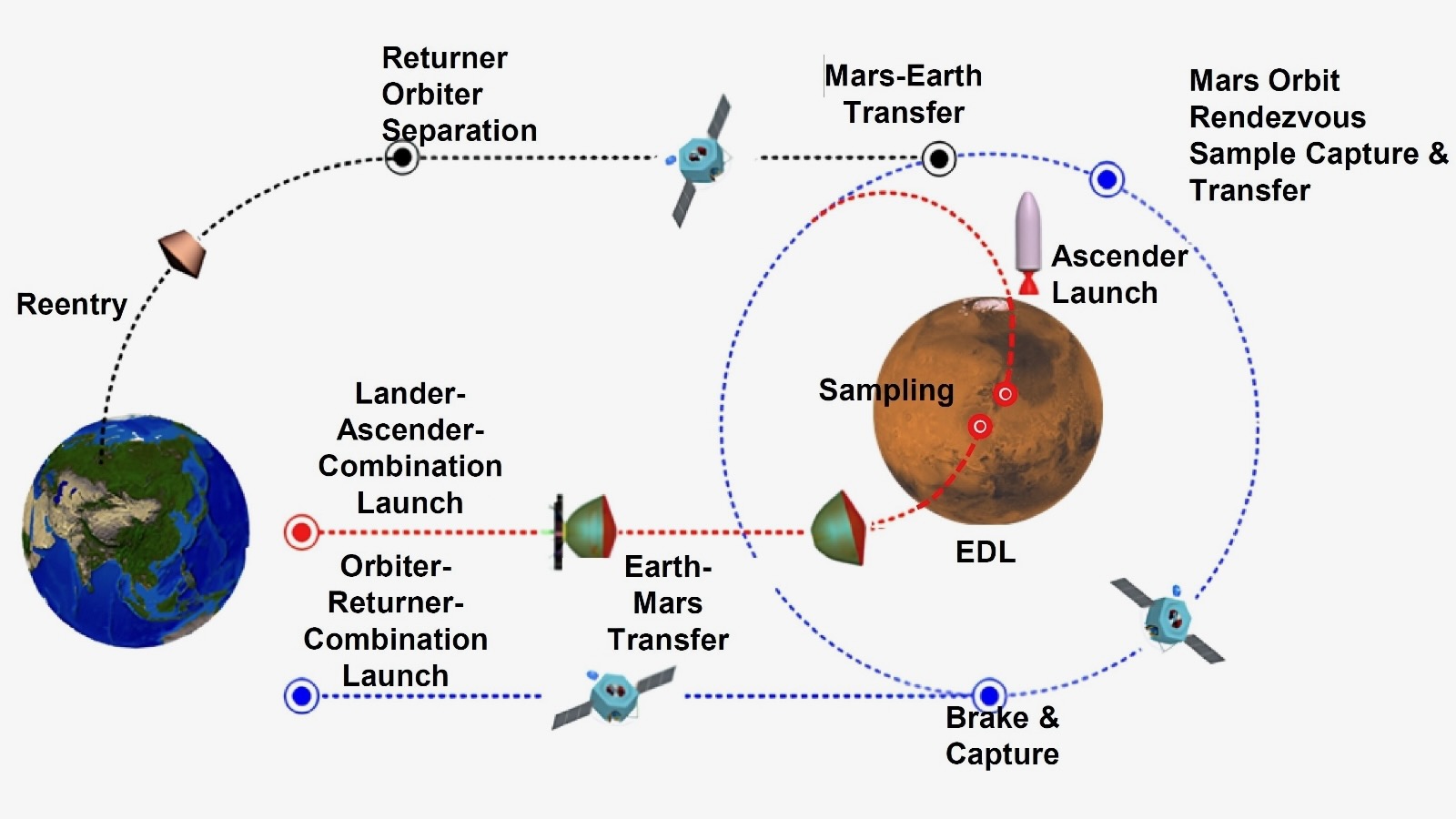
China is making progress on its Tianwen 3 Mars sample-return mission, which aims to launch in 2028 and return a collection of Red Planet dirt and rock to Earth in 2031.
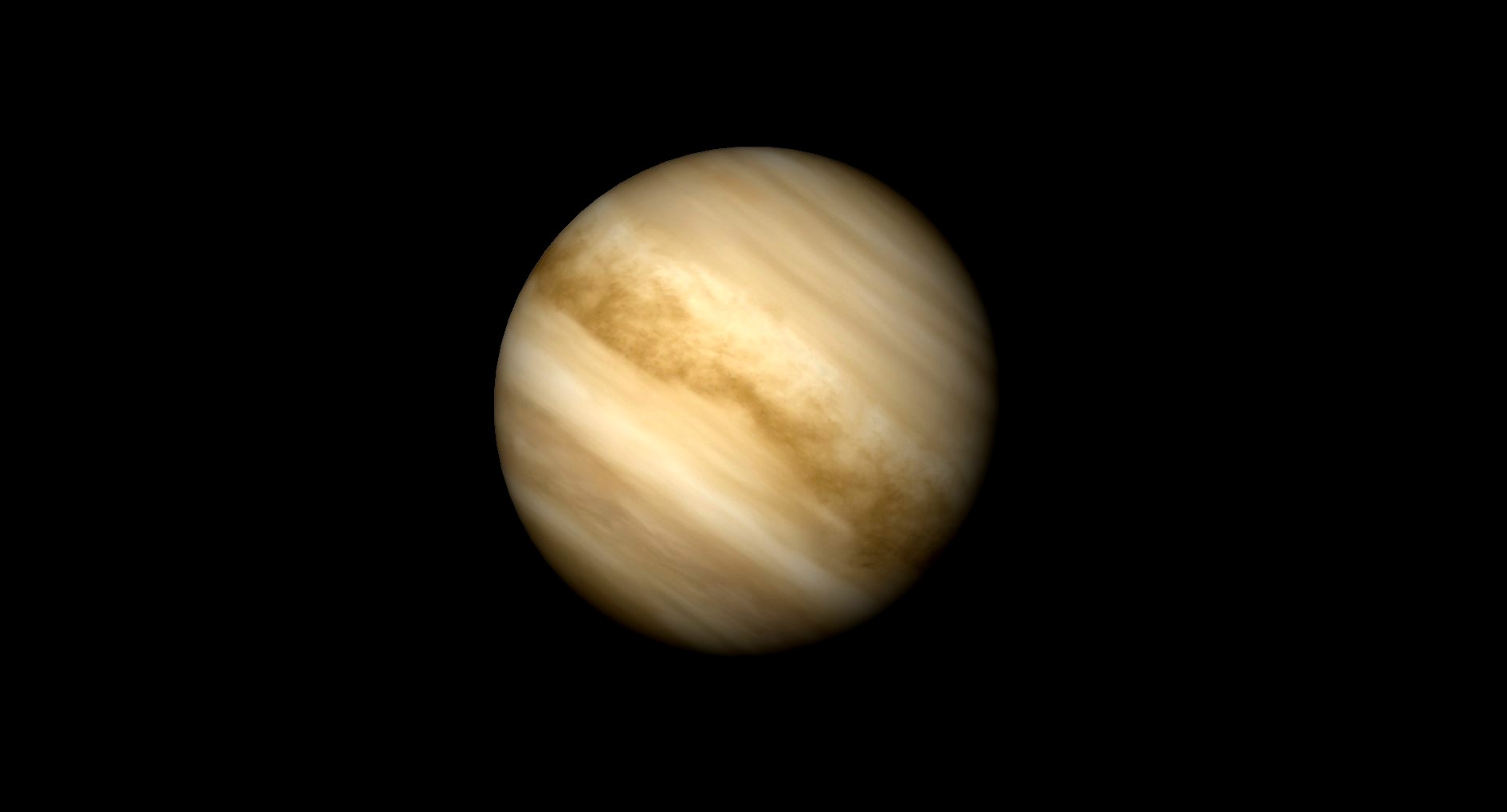
Scientists may finally know why Venus, Earth’s twin, lacks a moon, finding that the hottest planet in the solar system may have consumed its own natural satellite.
One day in history about 4.5 billion years ago was a dramatic one for Earth, potentially giving our planet an instant moon and an almighty headache all in one go.
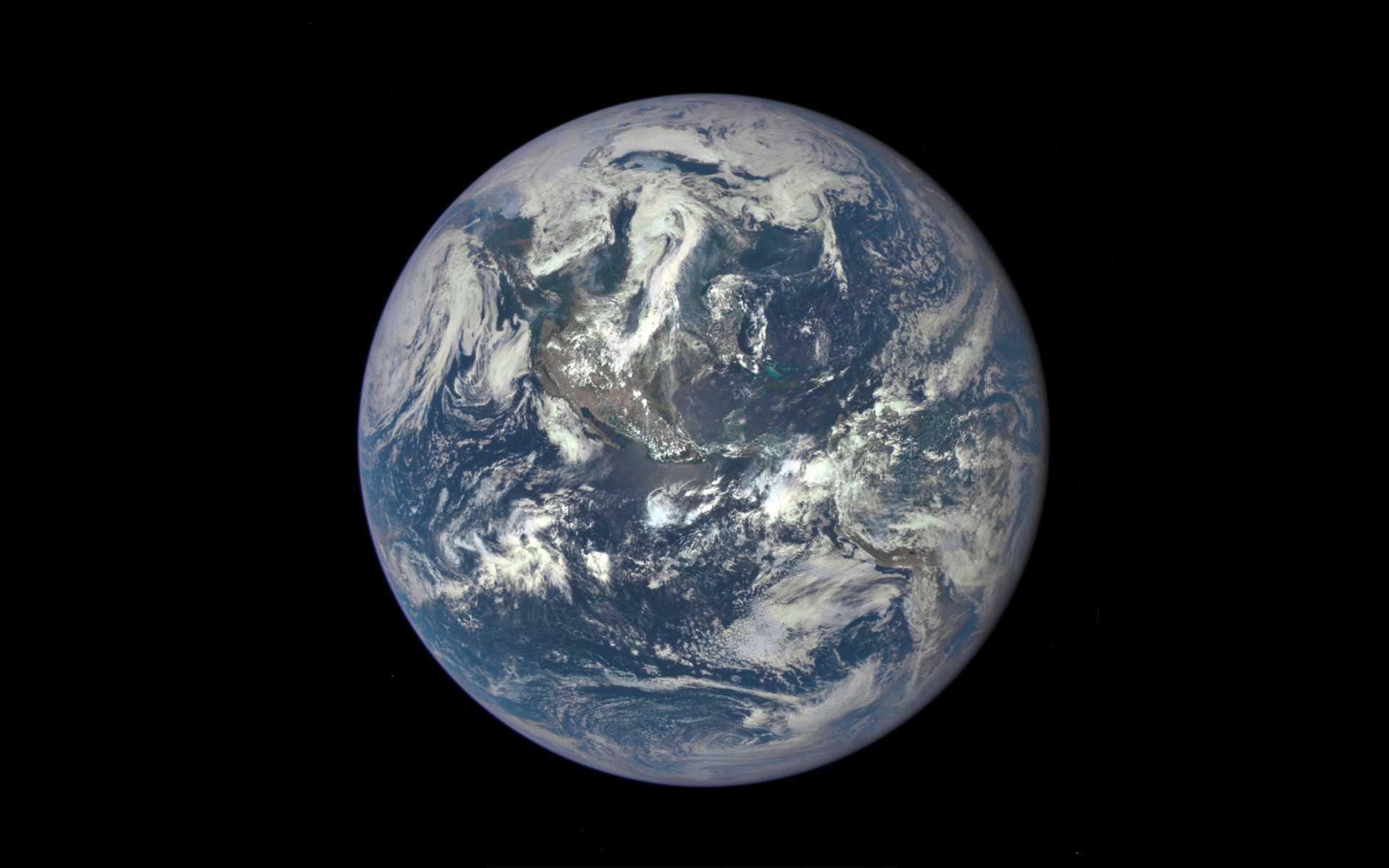
We’ve entered a new world of Earth observation, in which artificial intelligence helps researchers make sense of an ever-glowing glut of privately gathered data.
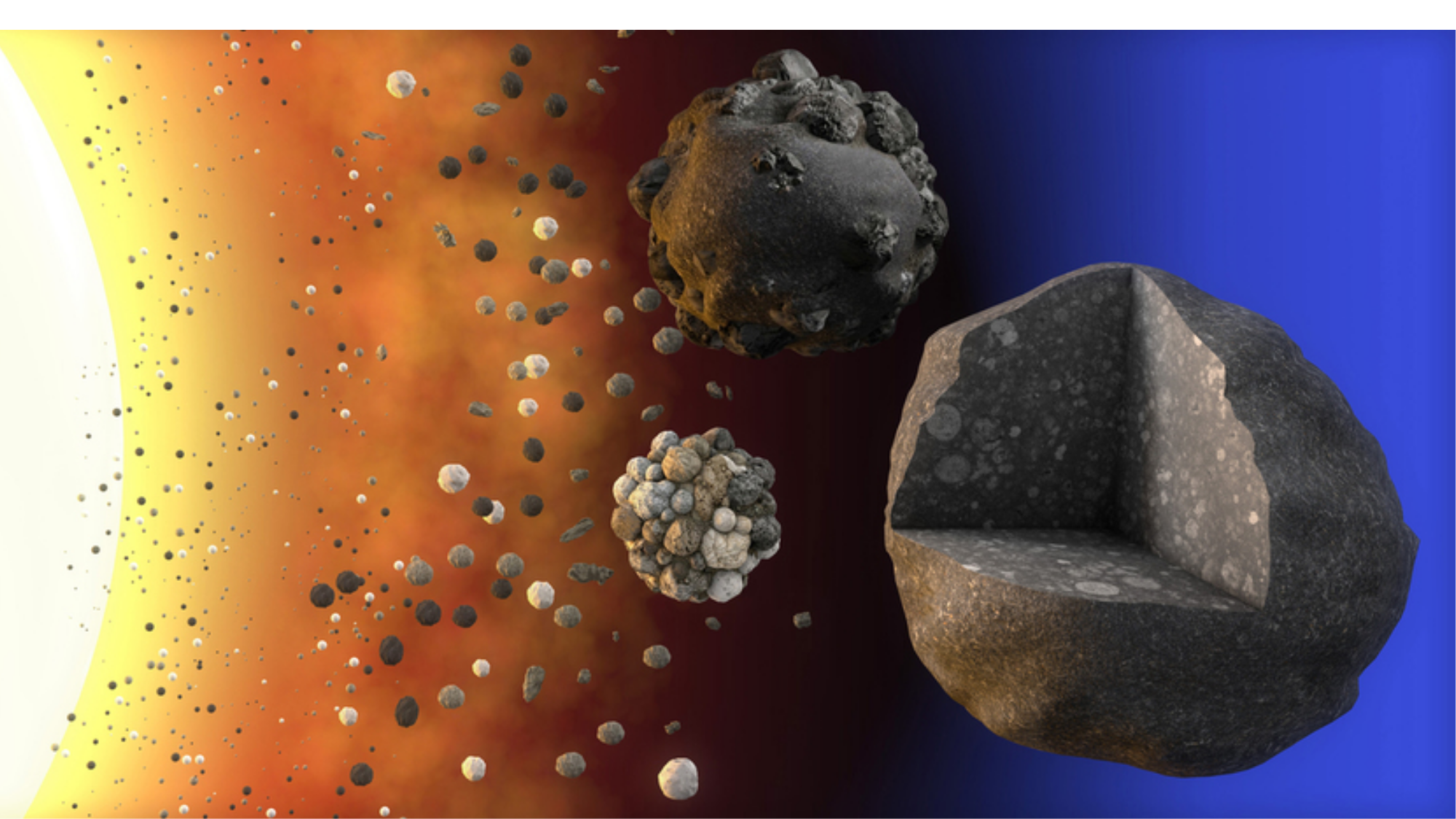
New research suggests that dust from meteorites contains a “fossil record” dating back 4.6 billion years to the formation of the sun, revealing the role magnetism played in the birth of the solar system.
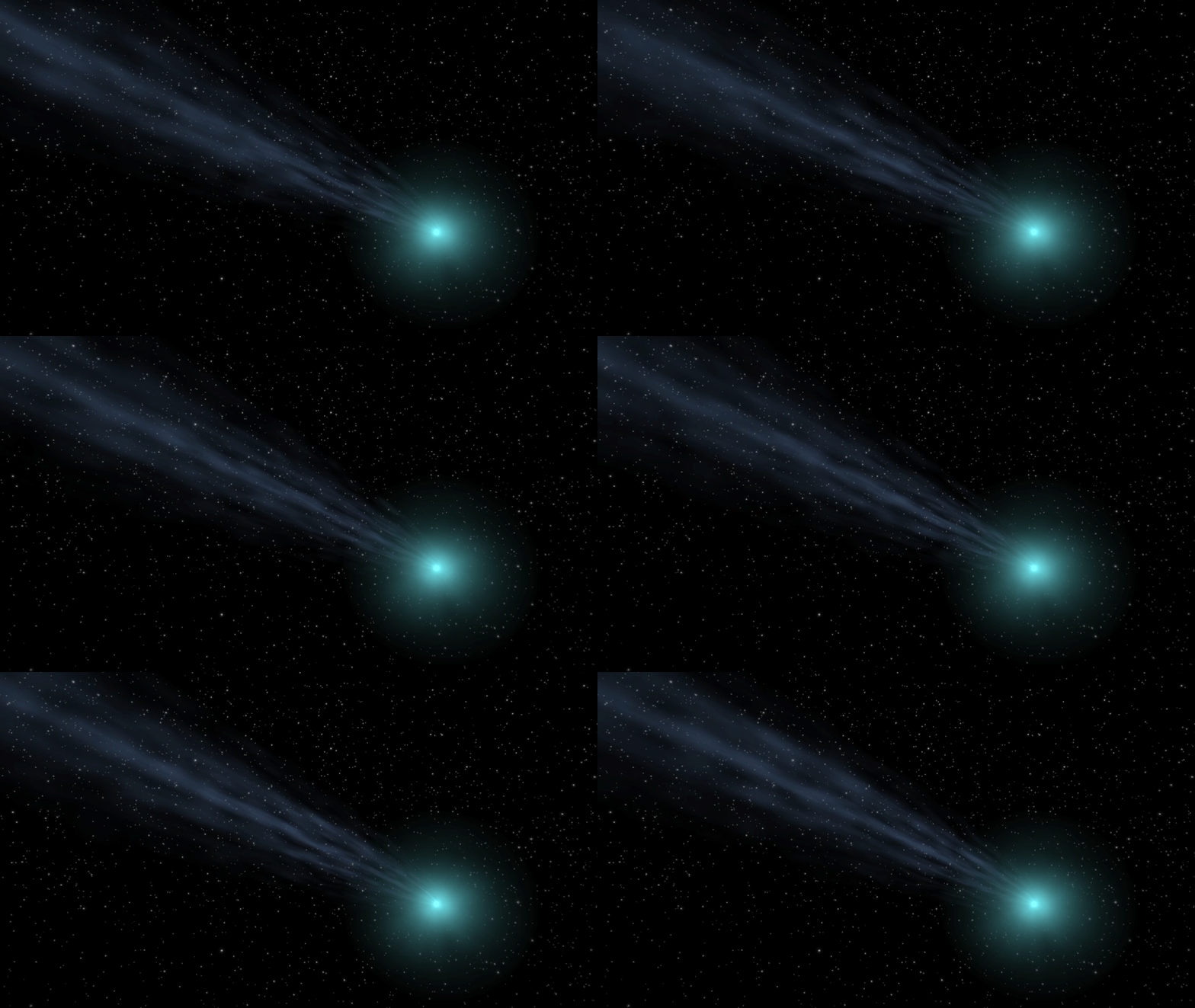
A rare look at a centaur transforming into a comet with coma is providing a missing link in the evolution of small, icy solar system bodies.
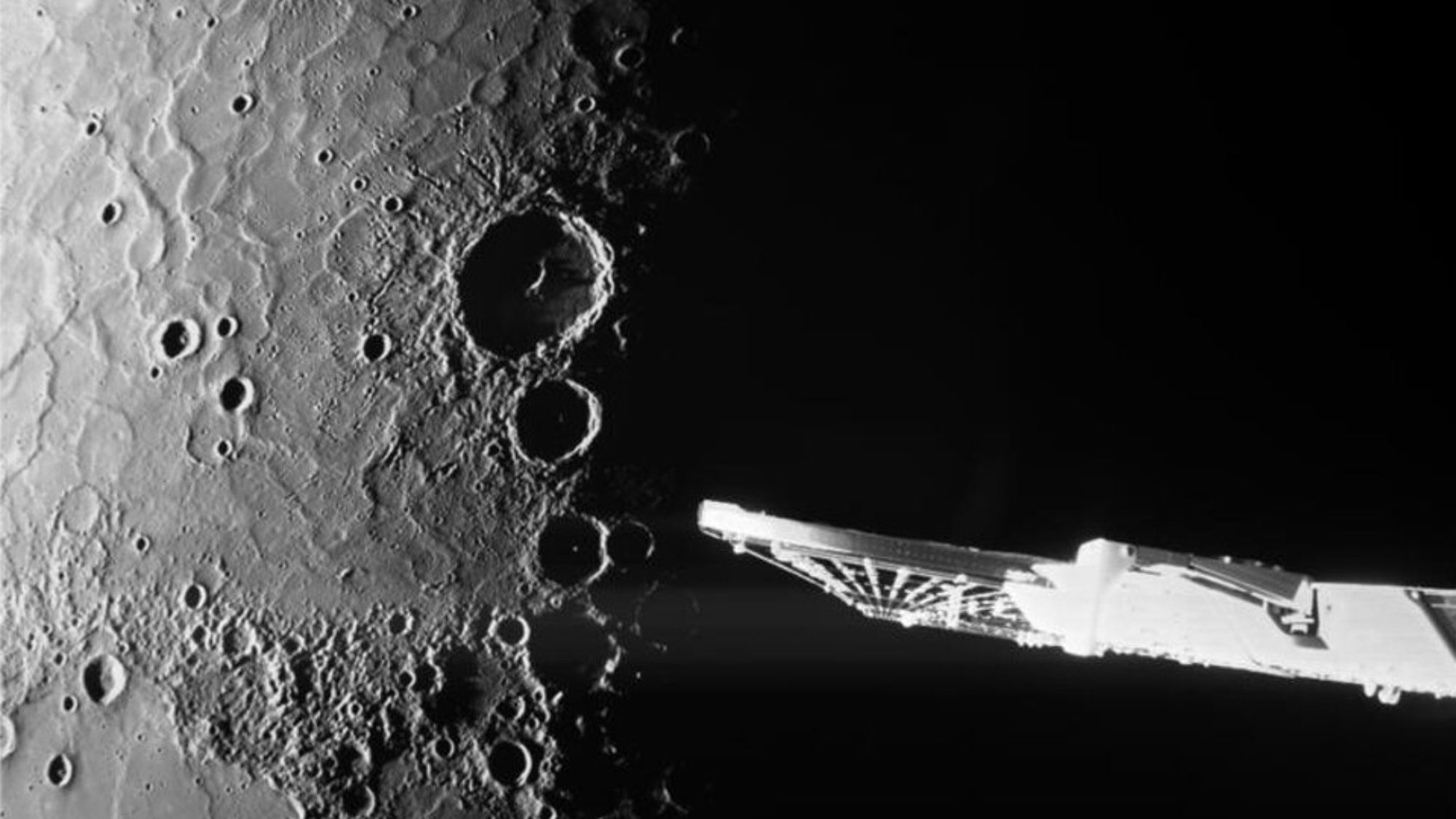
After an 8-year trek to Mercury, BepiColombo will finally split into two spacecraft ready to track down the secrets of the least-explored planet in the inner solar system.
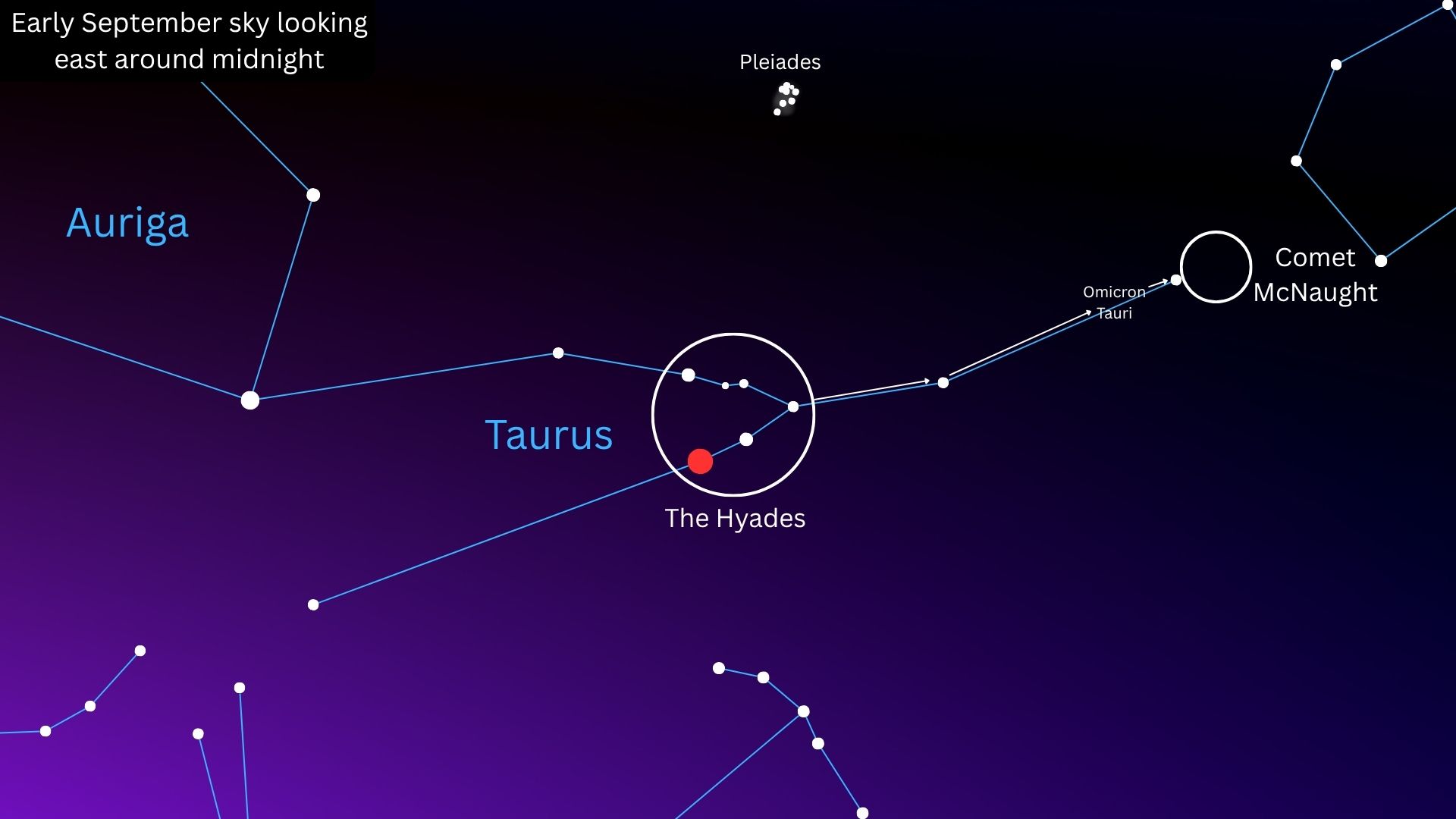
Comet McNaught brightened dramatically during two outbursts around perihelion as it made a close approach to the sun.
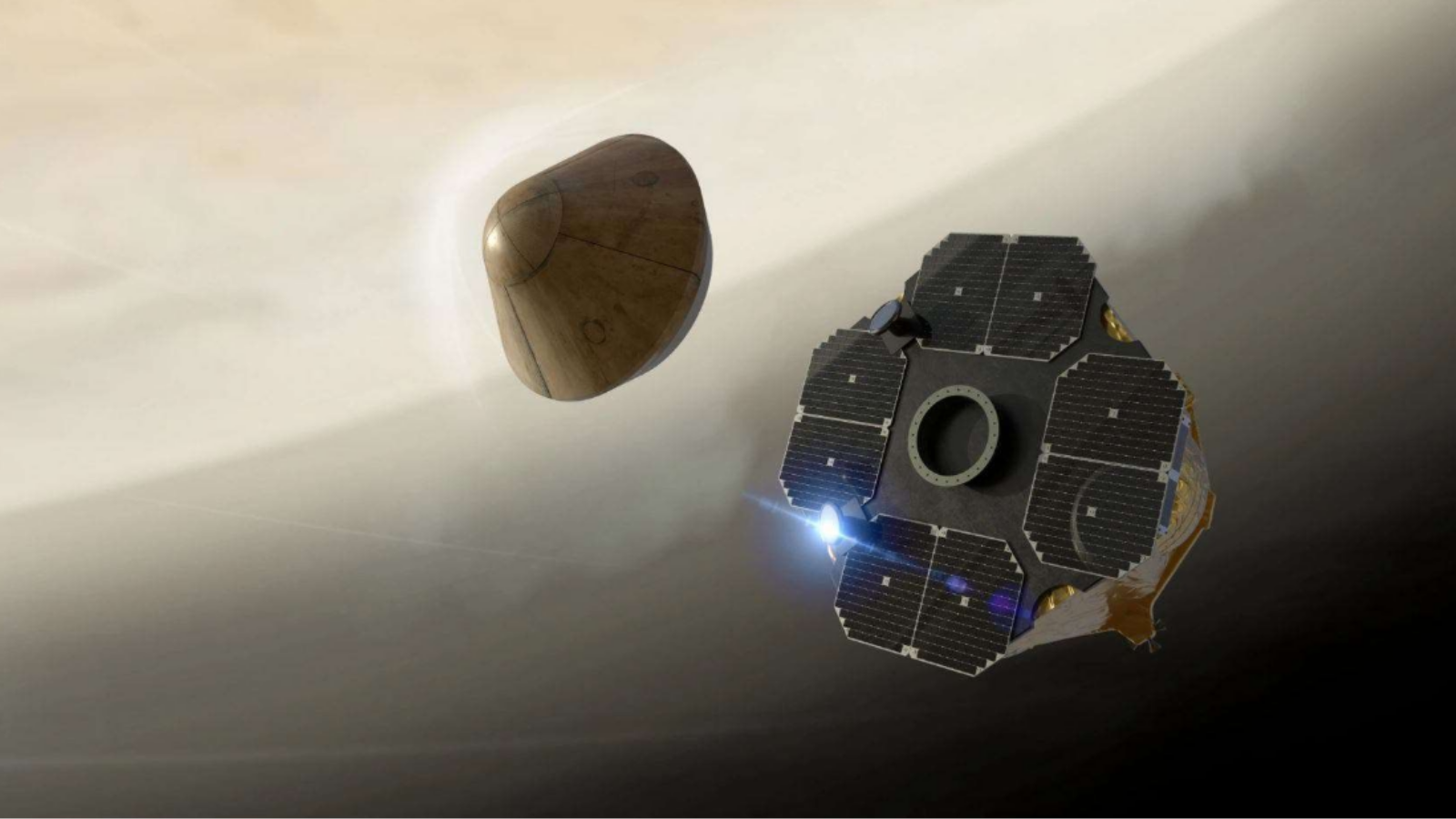
The first-ever private mission to Venus is still groundbound due to delays with its launch vehicle, Rocket Lab’s Neutron. But team members remain bullish on the groundbreaking mission.