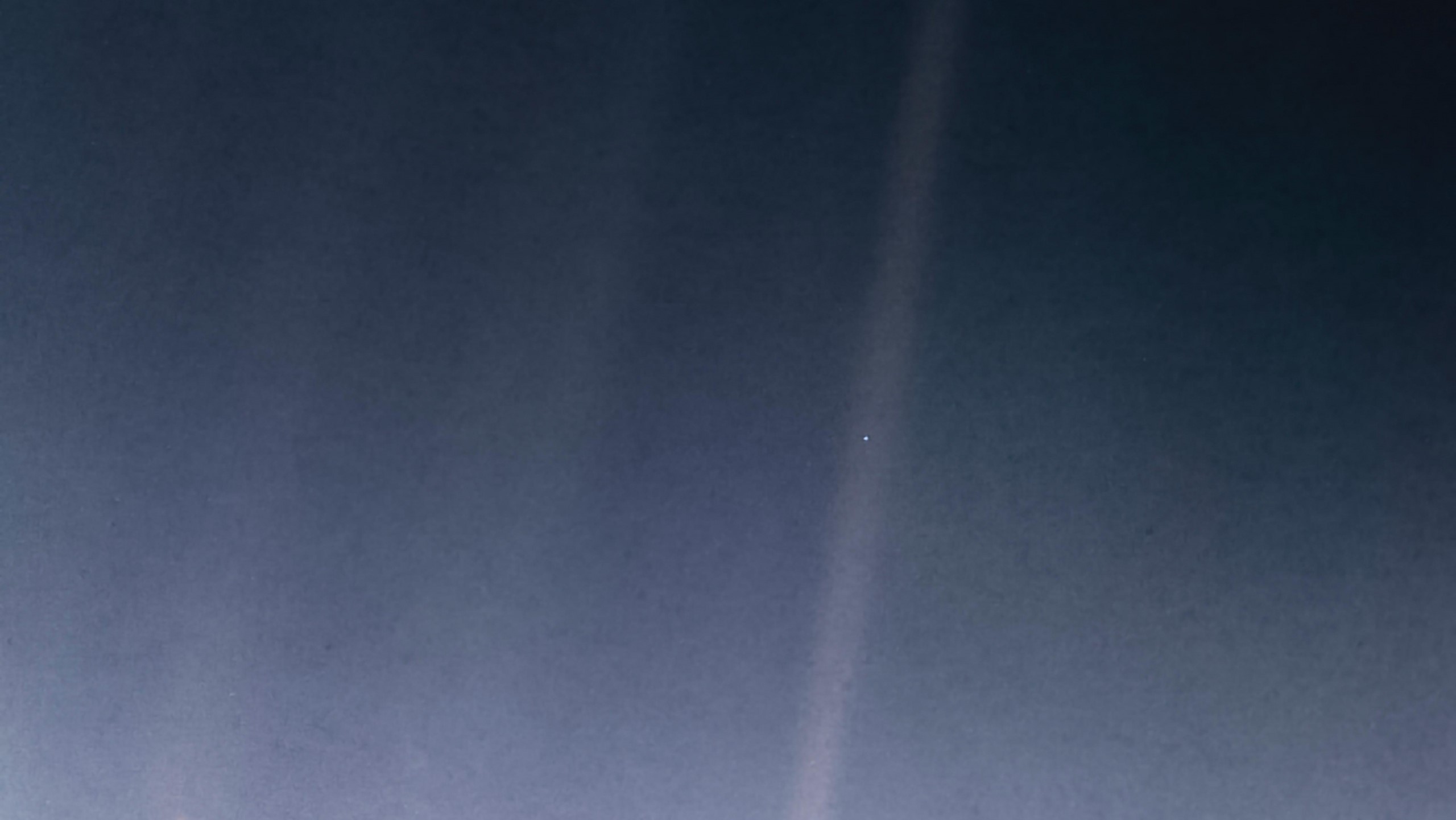
“When you look up at the night sky, most of those stars have planets.”
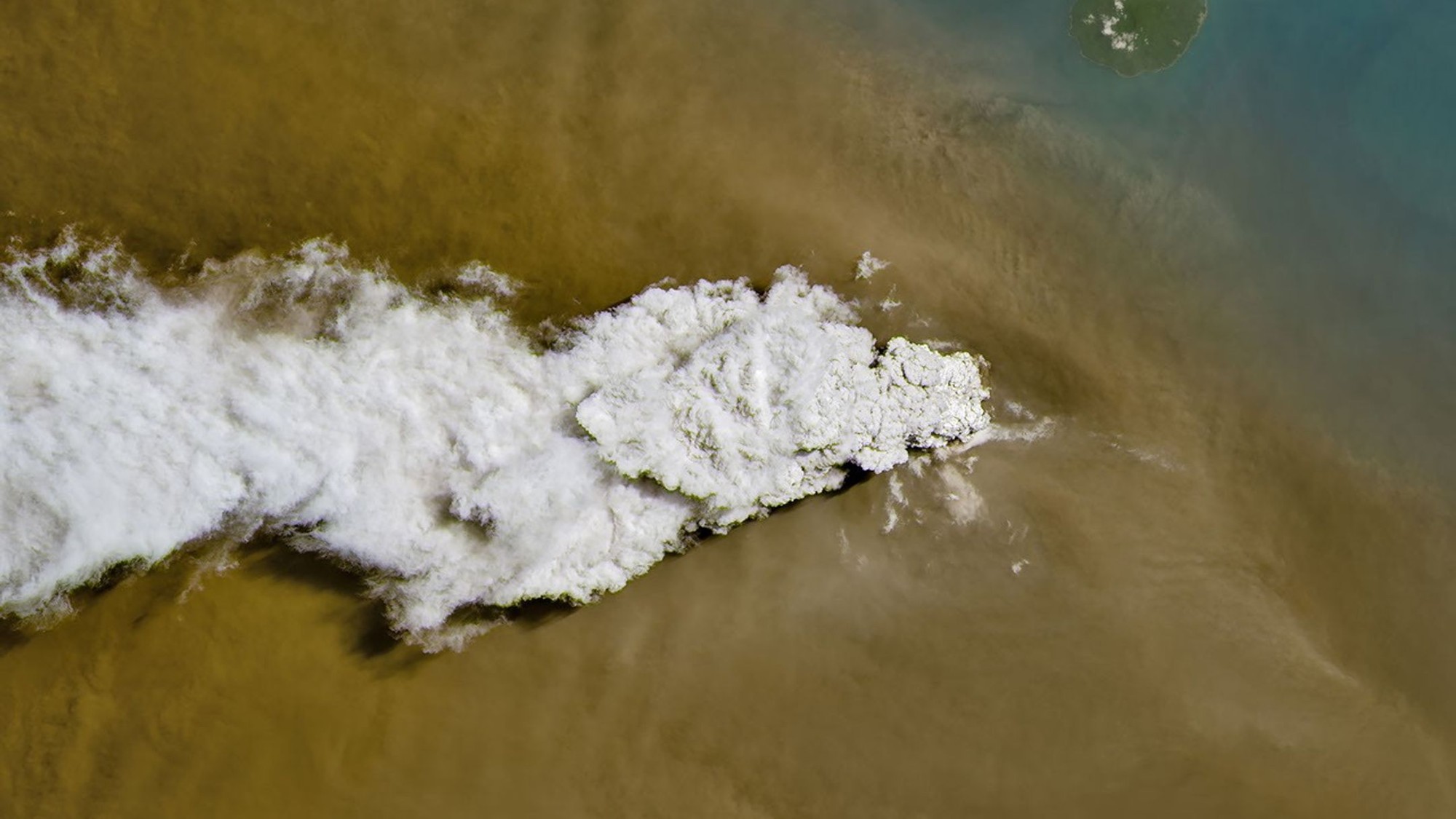
Anak Krakatau erupted, and satellites were watching.
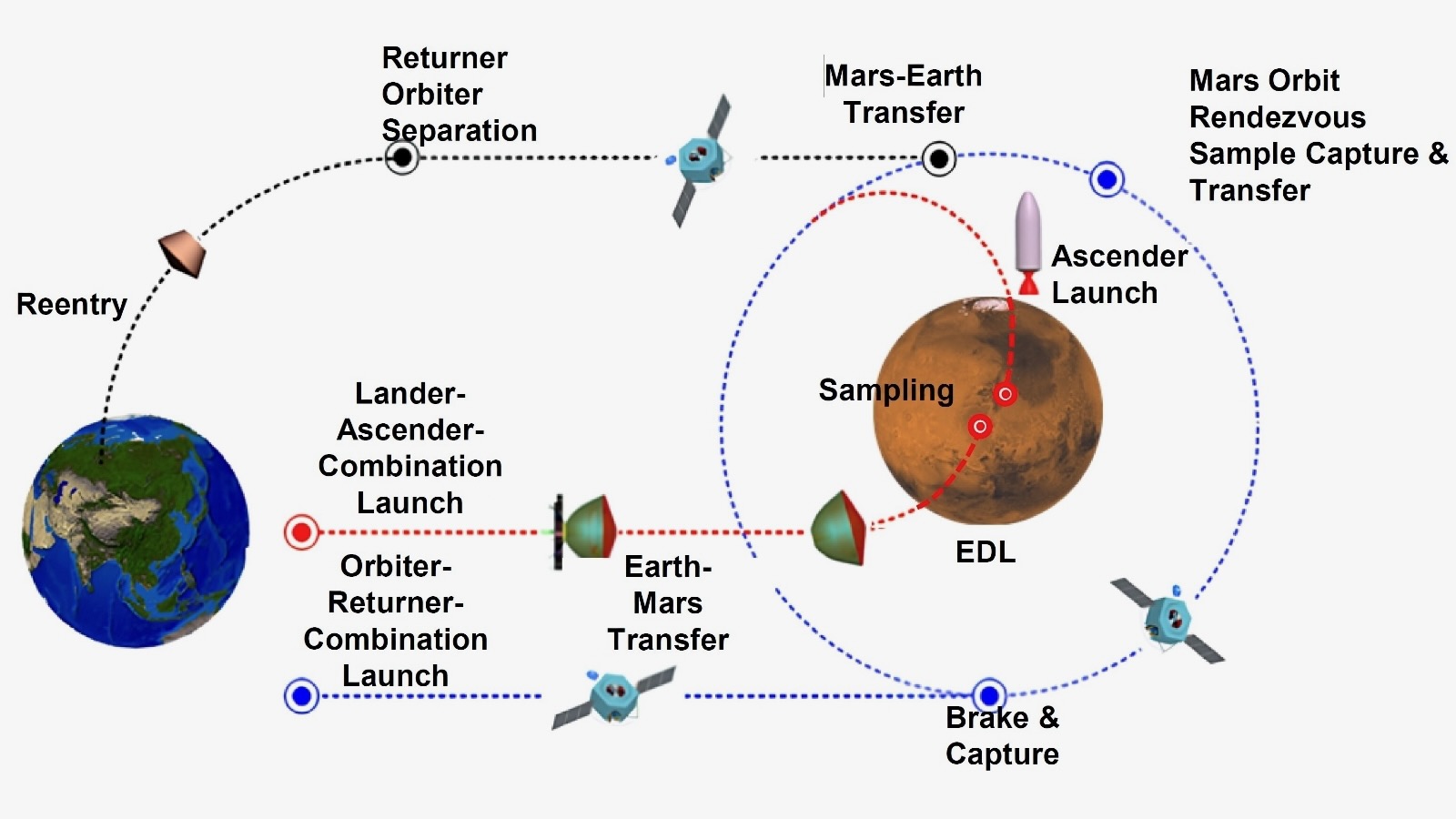
China is making progress on its Tianwen 3 Mars sample-return mission, which aims to launch in 2028 and return a collection of Red Planet dirt and rock to Earth in 2031.
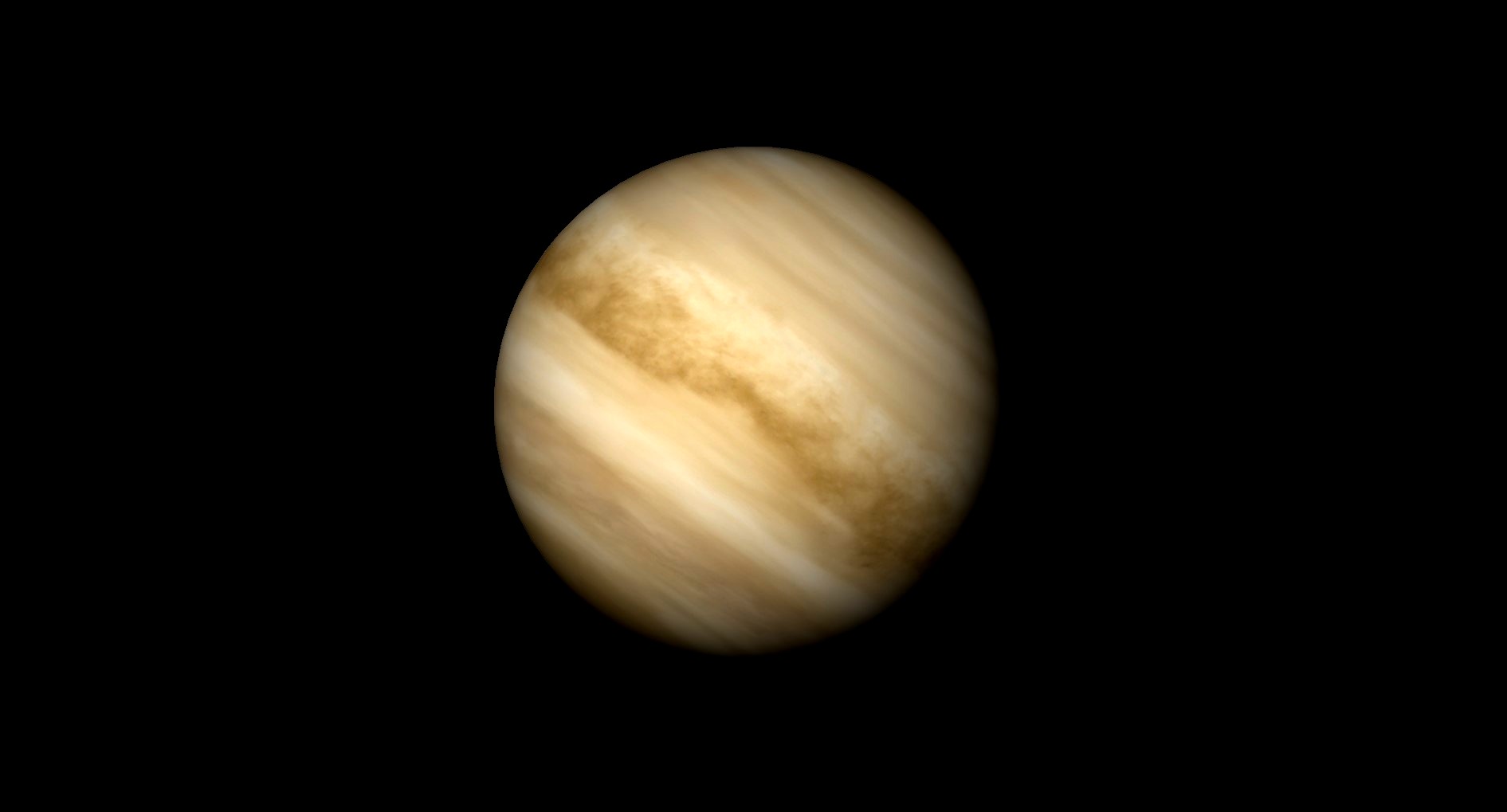
Scientists may finally know why Venus, Earth’s twin, lacks a moon, finding that the hottest planet in the solar system may have consumed its own natural satellite.
One day in history about 4.5 billion years ago was a dramatic one for Earth, potentially giving our planet an instant moon and an almighty headache all in one go.
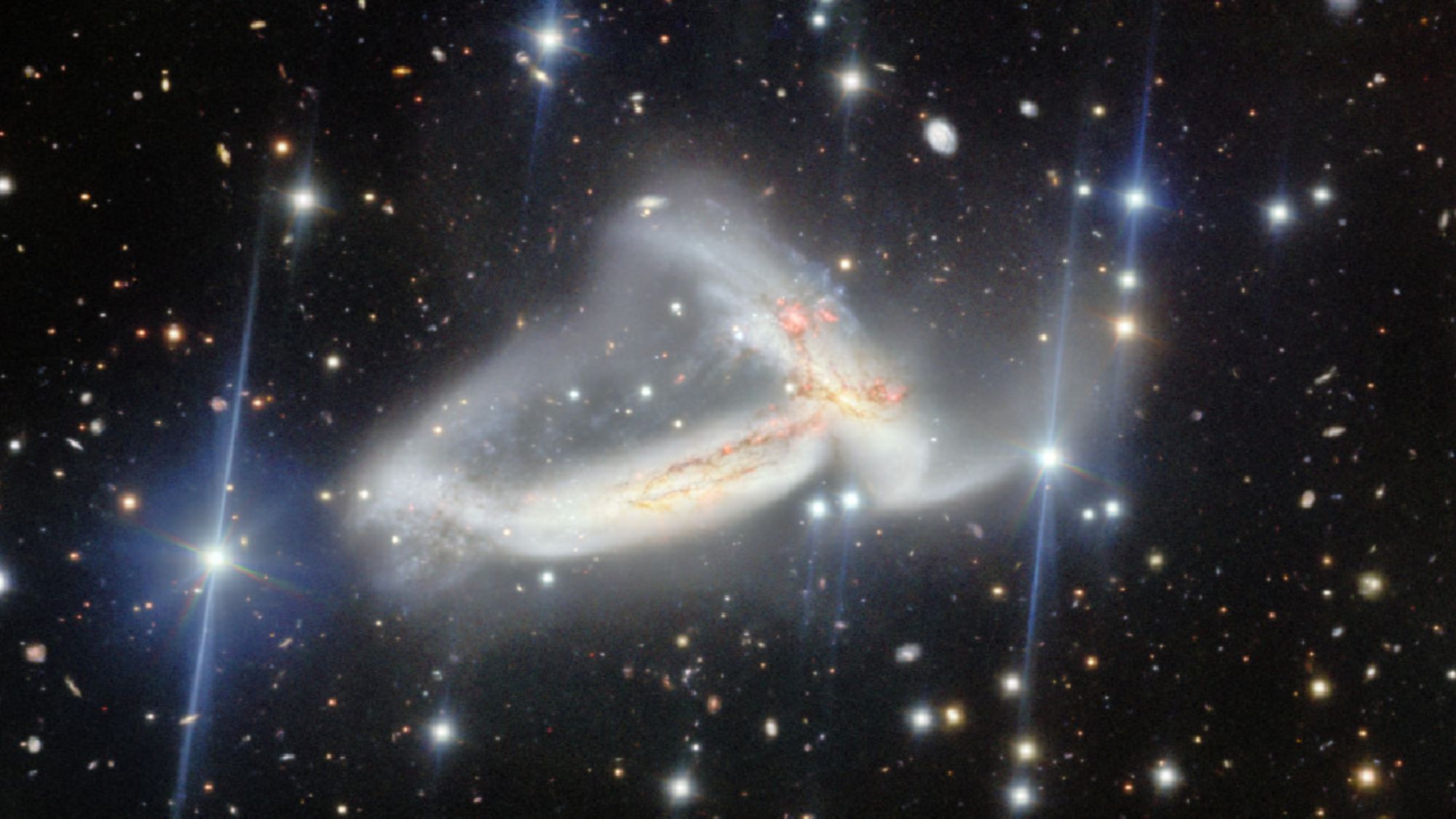
“Astronomy is not just science or spirit; it’s both at the same time.”
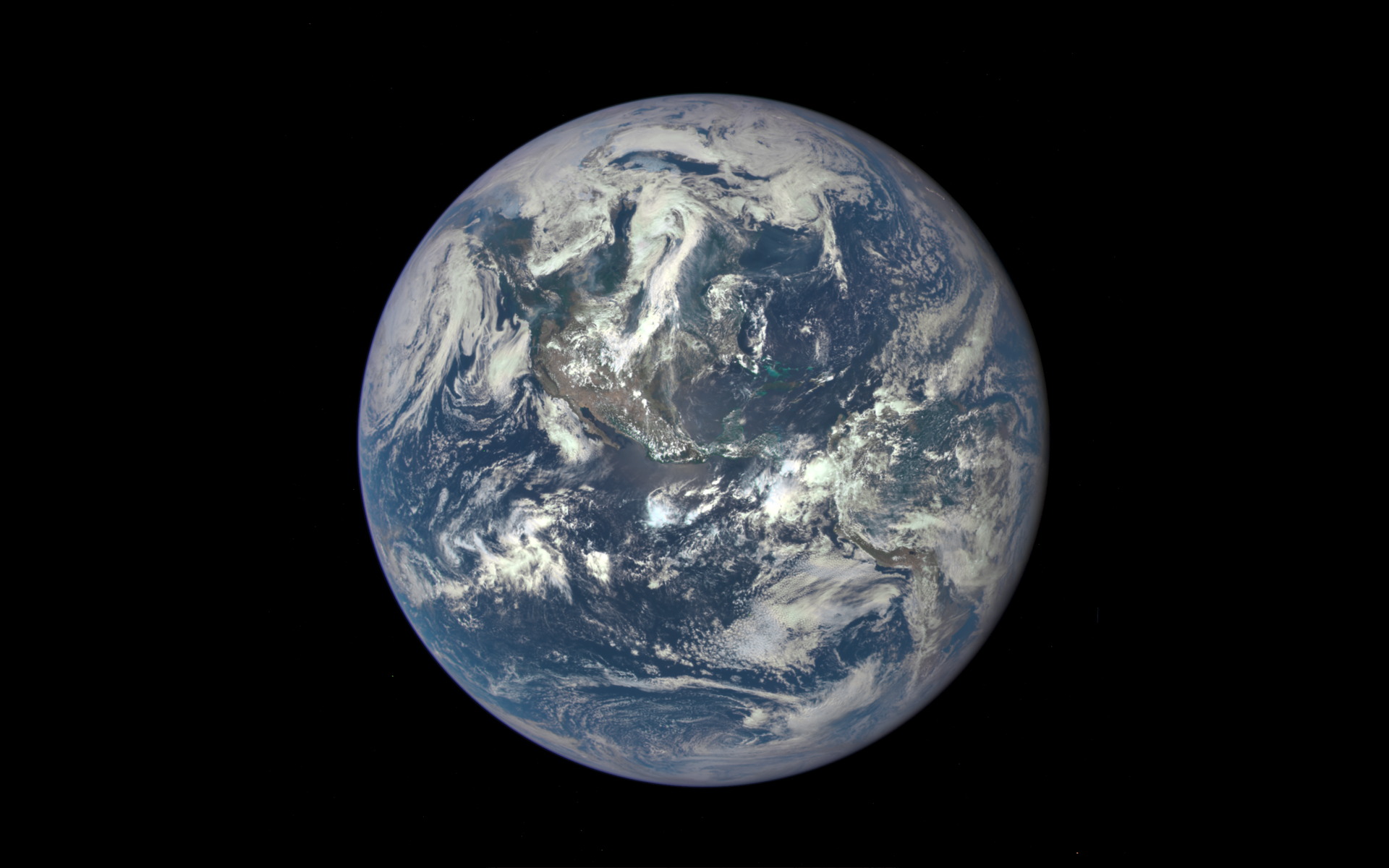
We’ve entered a new world of Earth observation, in which artificial intelligence helps researchers make sense of an ever-glowing glut of privately gathered data.
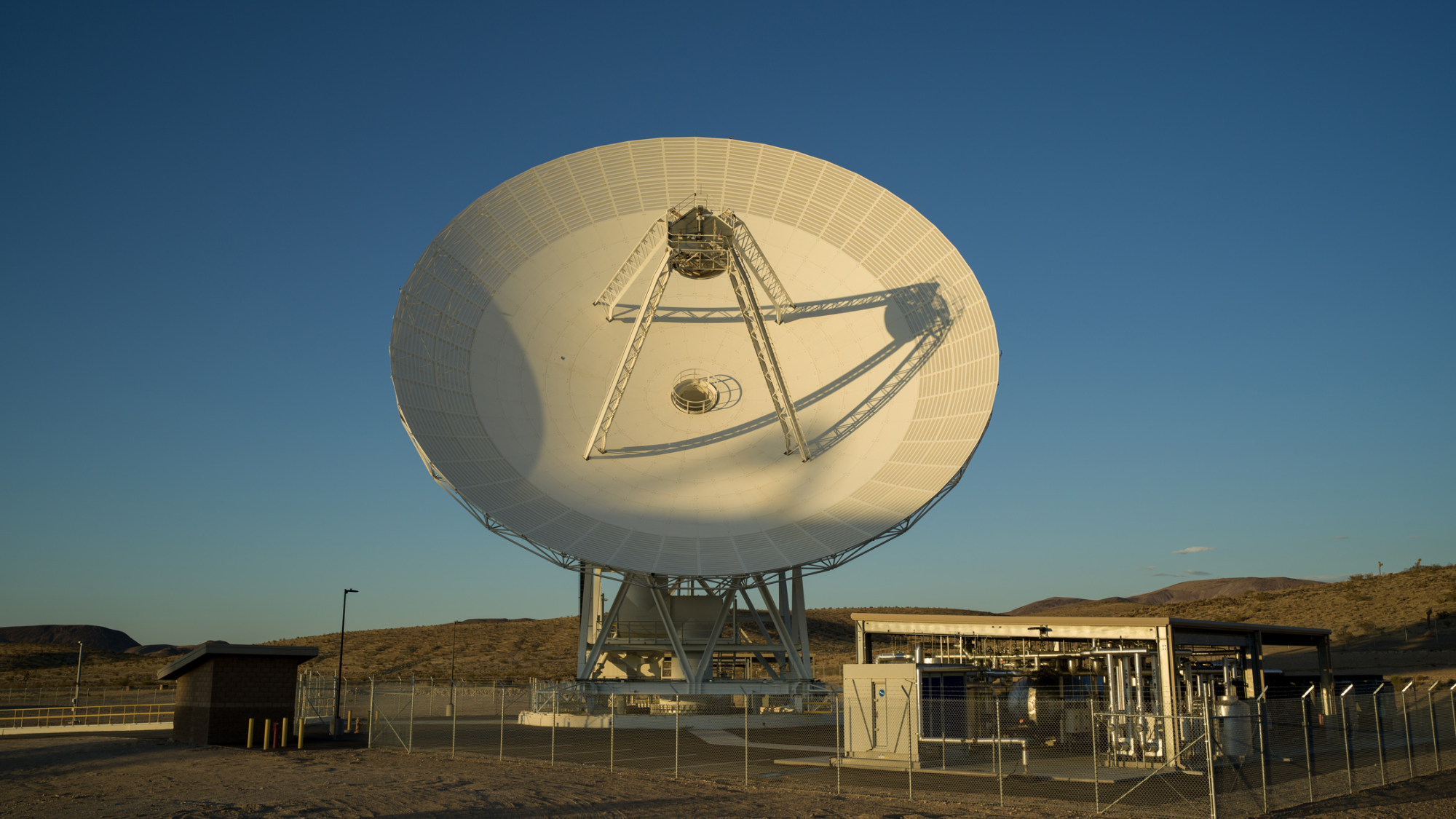
The new antenna will boost capacity on NASA’s increasingly strained deep-space communications network as Artemis and other missions drive up demand.
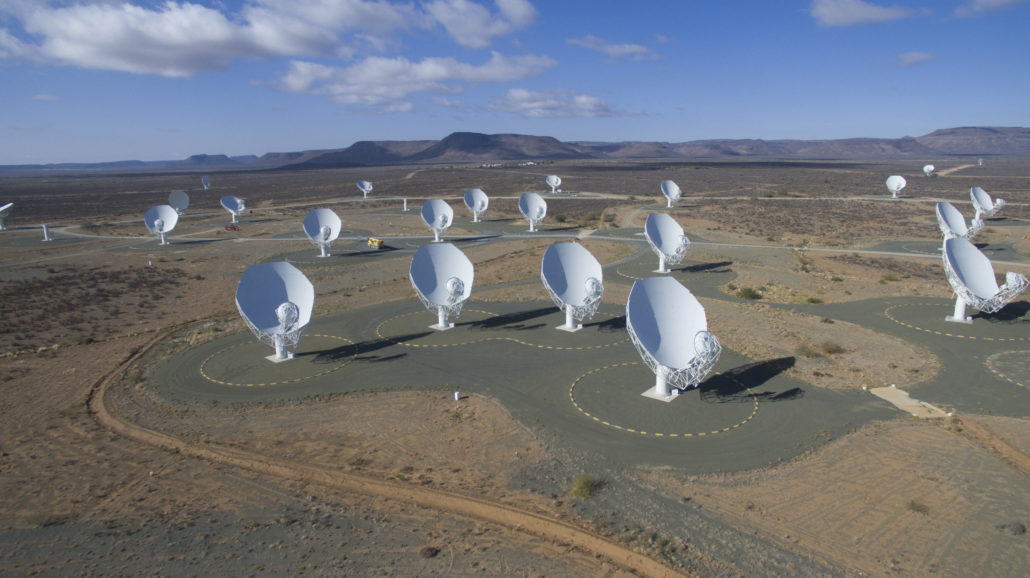
Astronomers have used the MeerKAT radio telescope to detect hydrogen gas located billions of light-years away, from a period when the cosmos was billions of years younger.
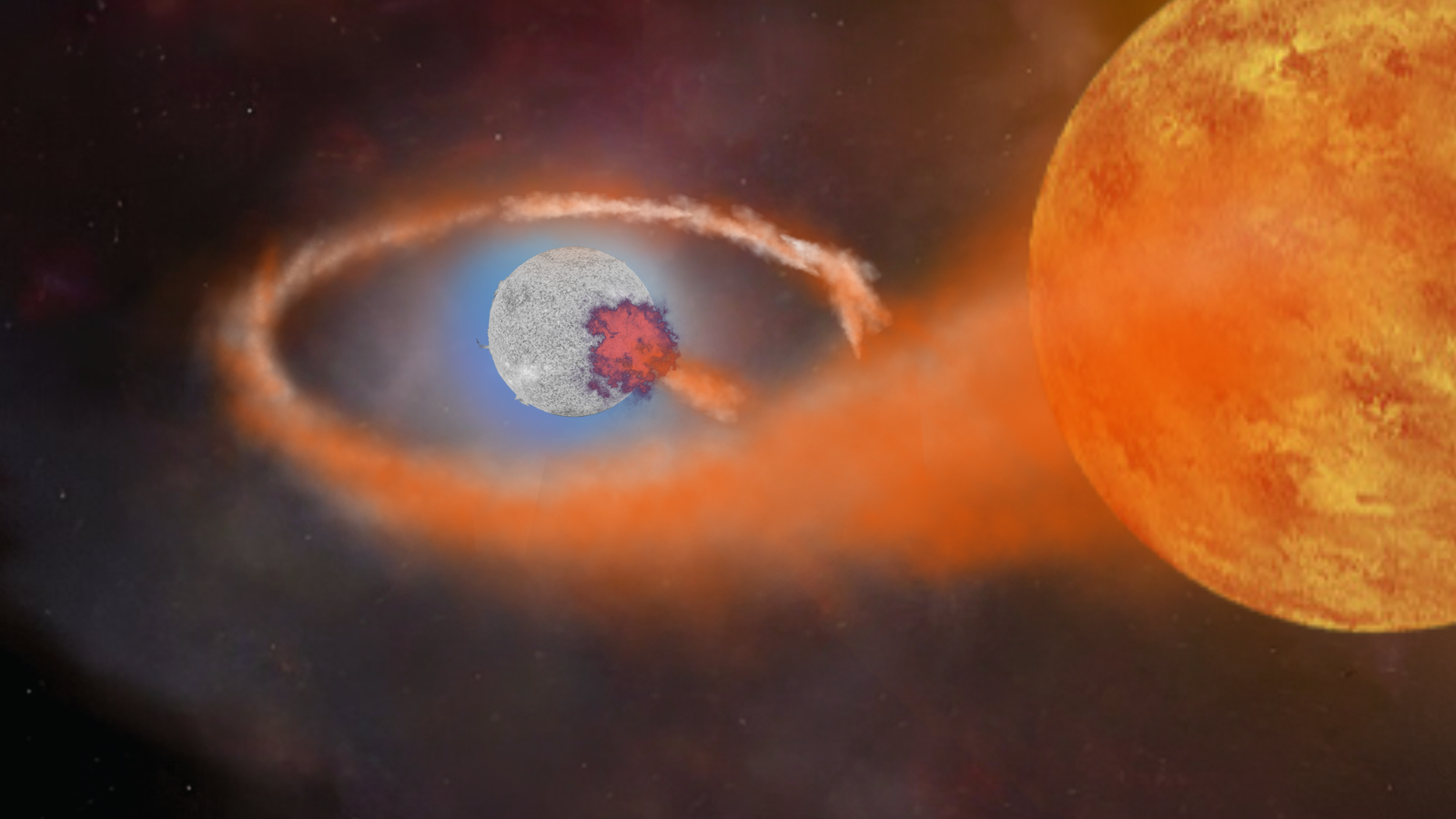
Scientists are close to understanding how stars forge the elements that comprise our planet, bodies and pretty much everything else around us, and how they explode to distribute these elements.