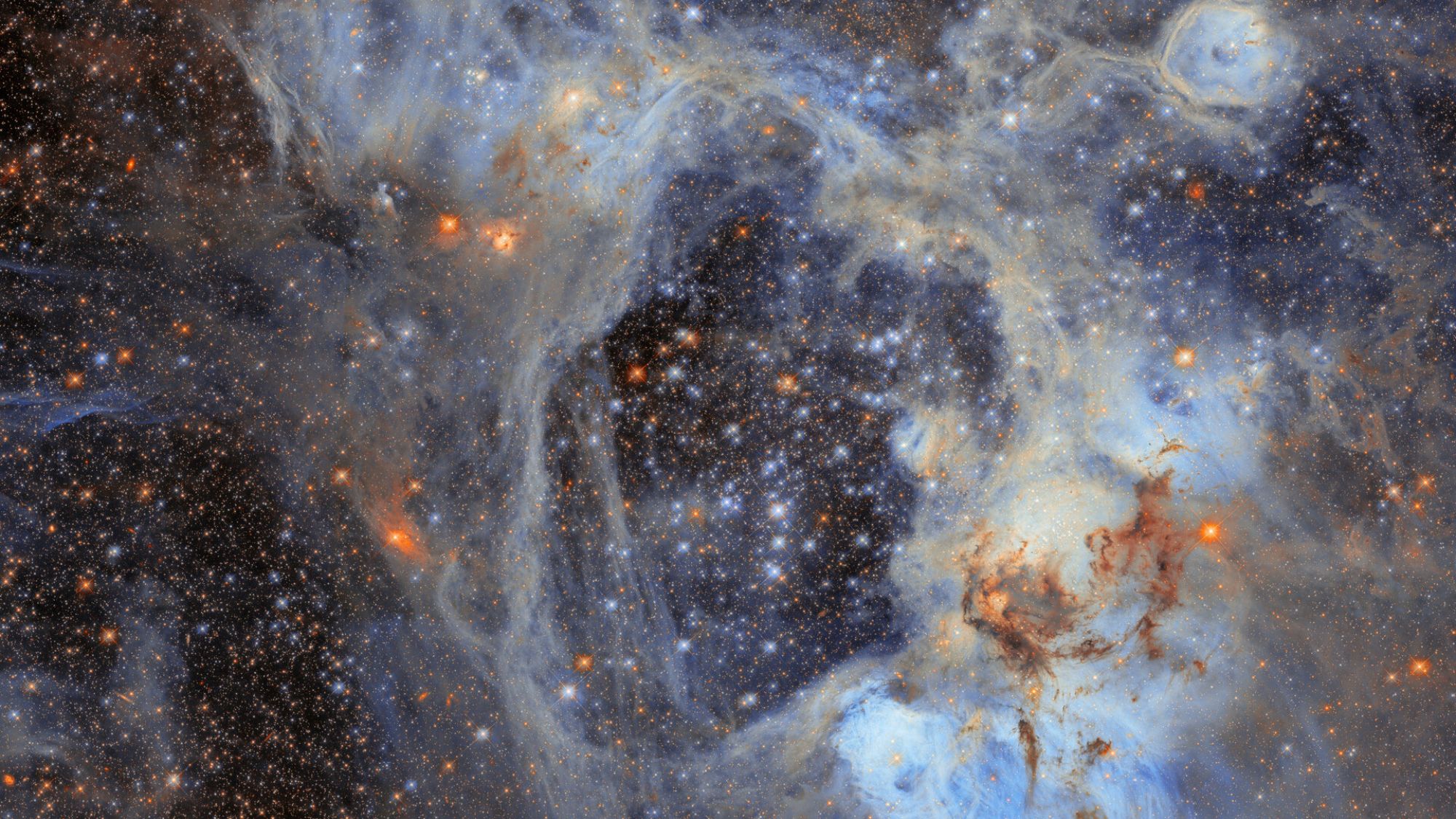
The Hubble Space Telescope has spotted a spectacular ‘super bubble’ in our Milky Way’s nearest neighbor the Large Magellanic Cloud. Check out our space photo of the day.
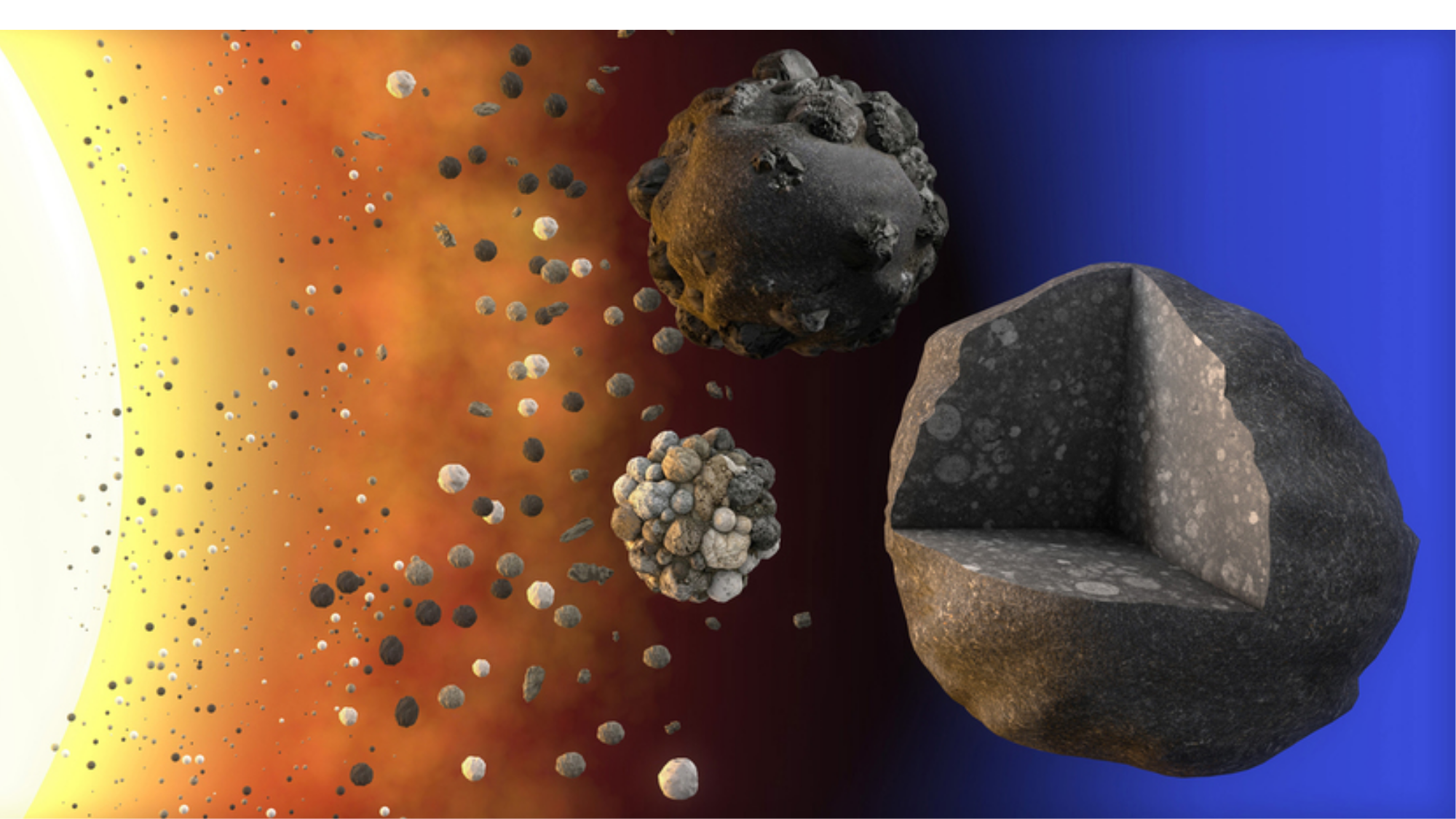
New research suggests that dust from meteorites contains a “fossil record” dating back 4.6 billion years to the formation of the sun, revealing the role magnetism played in the birth of the solar system.
A rare look at a centaur transforming into a comet with coma is providing a missing link in the evolution of small, icy solar system bodies.
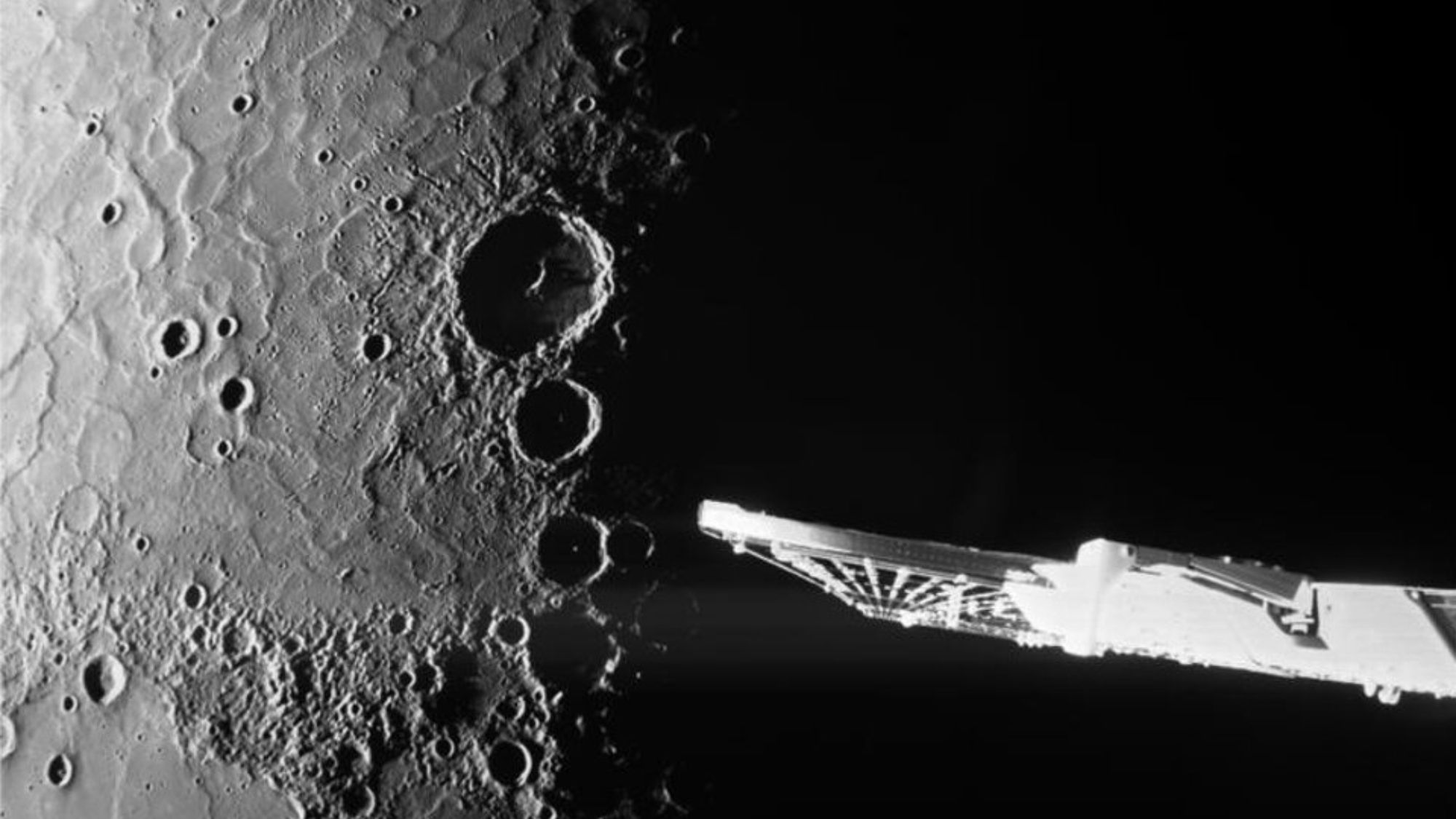
After an 8-year trek to Mercury, BepiColombo will finally split into two spacecraft ready to track down the secrets of the least-explored planet in the inner solar system.
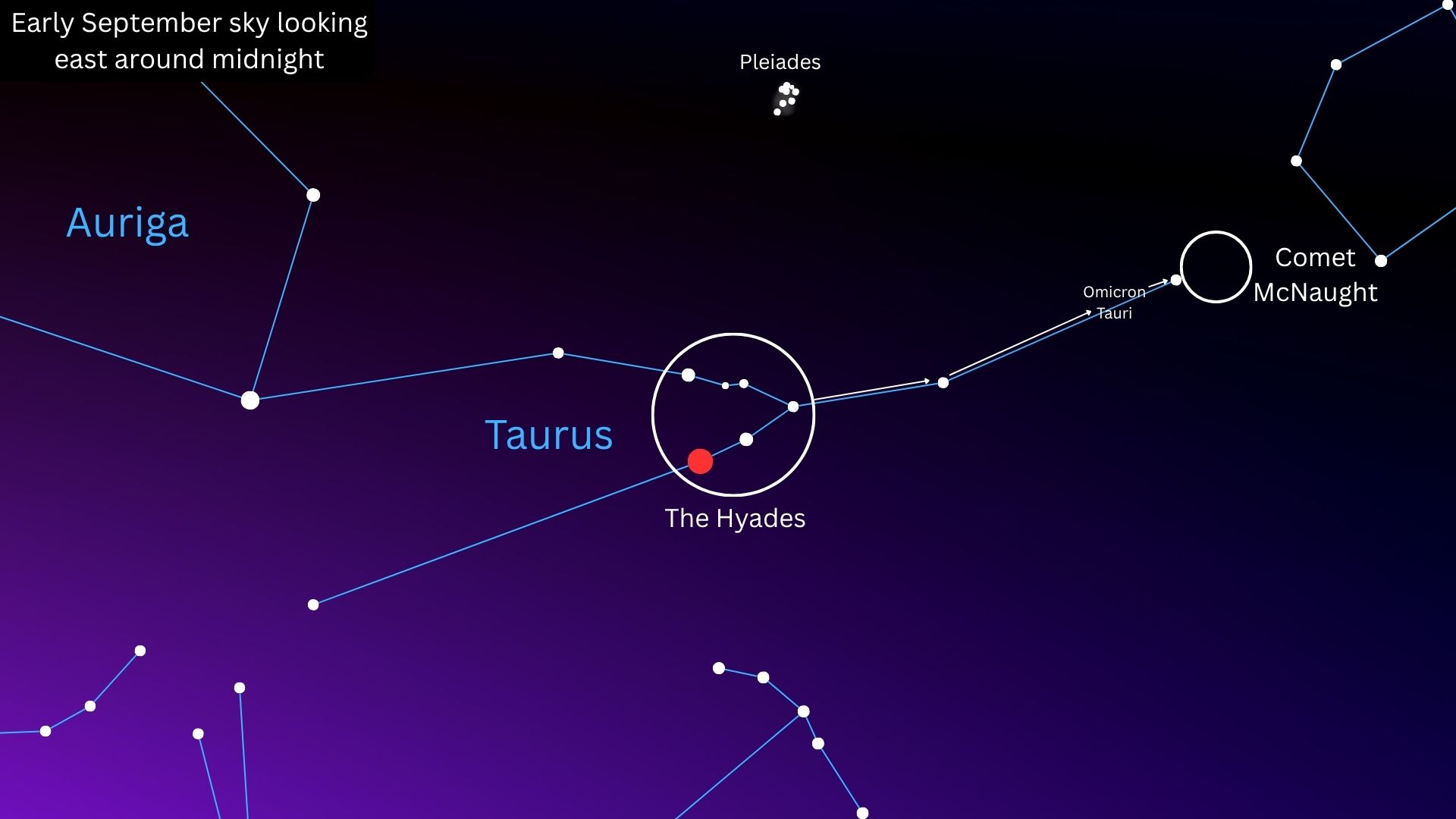
Comet McNaught brightened dramatically during two outbursts around perihelion as it made a close approach to the sun.
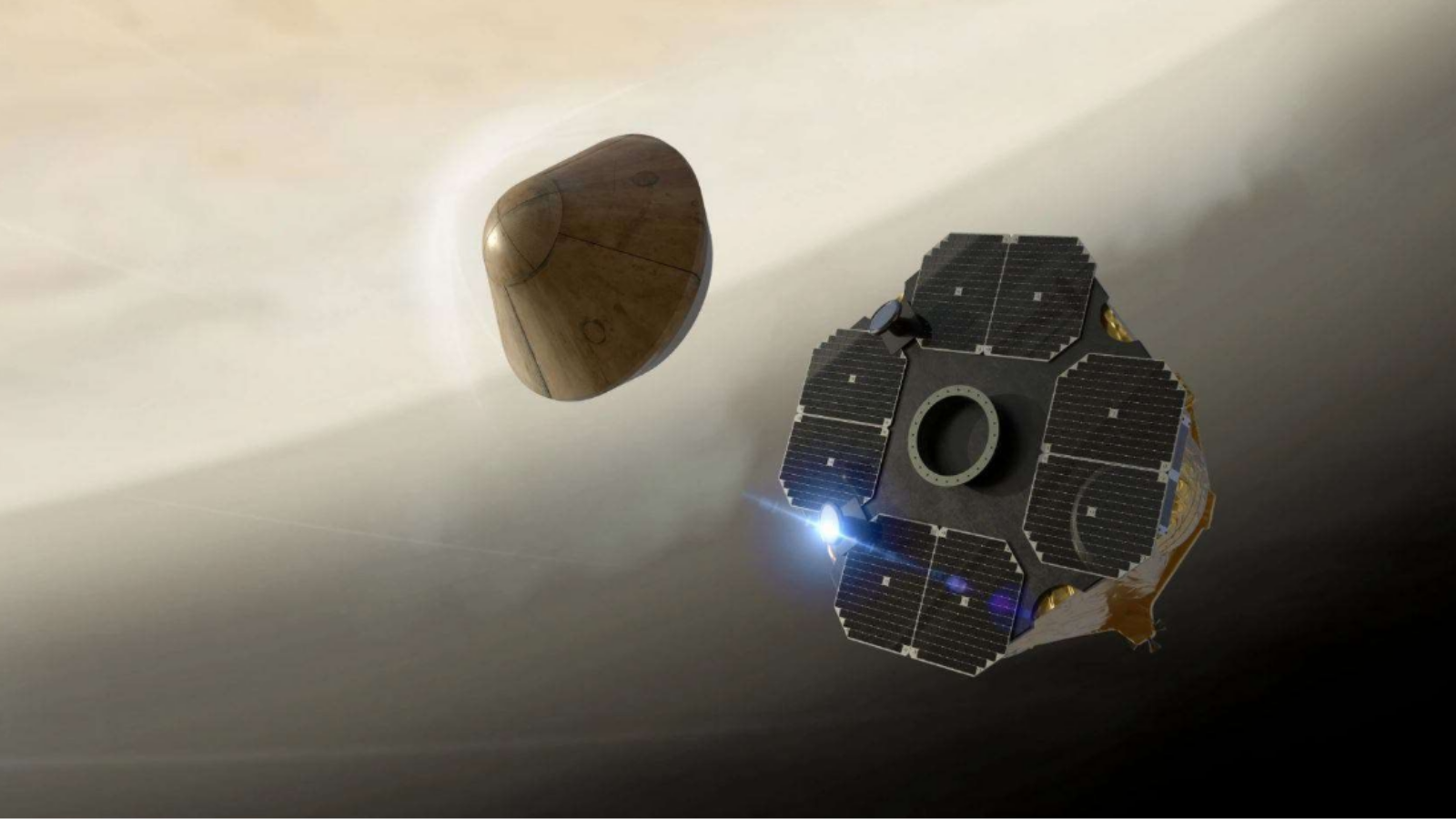
The first-ever private mission to Venus is still groundbound due to delays with its launch vehicle, Rocket Lab’s Neutron. But team members remain bullish on the groundbreaking mission.
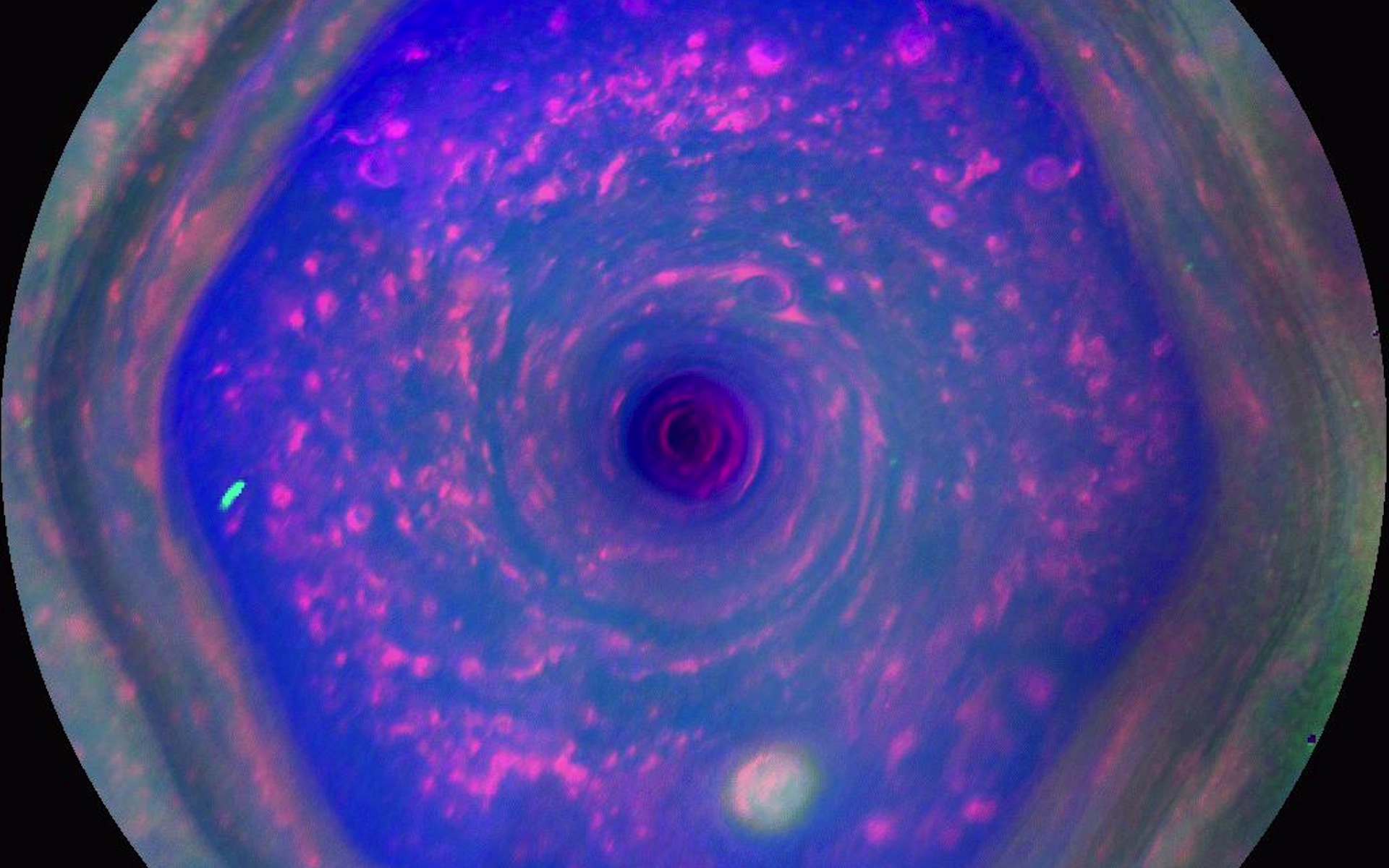
A mysterious giant 10-sided pattern of clouds has recently formed around Saturn’s south pole, a new study finds.
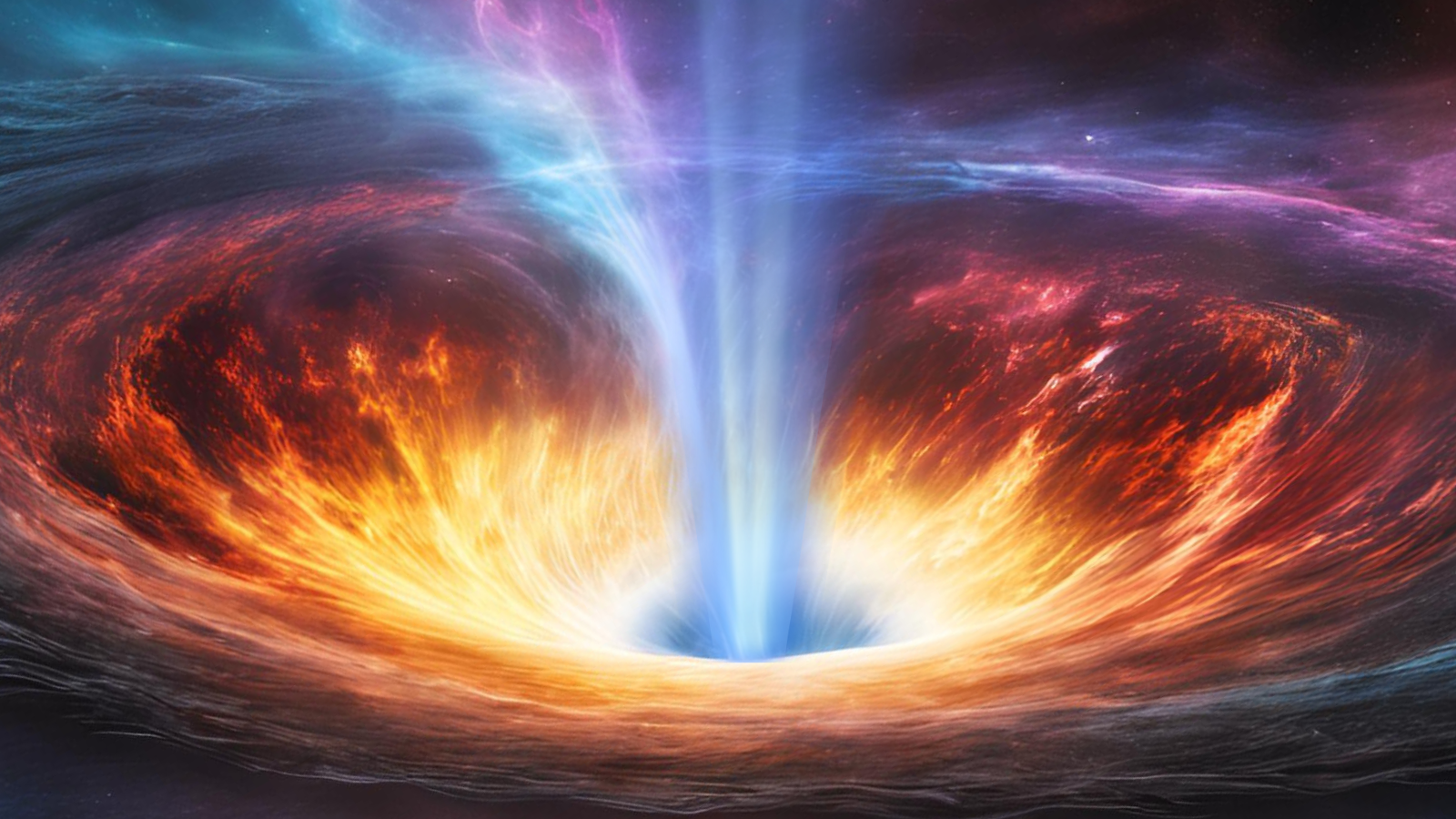
Over massive supermassive black holes too big for early galaxies and detected by the James Webb Space Telescope may not be quite so massive after all.
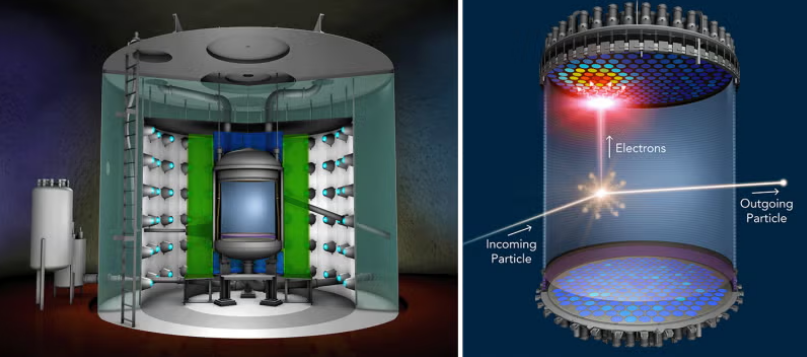
Using the LUX-ZEPLIN experiment, scientists may have detected the first direct evidence of dark matter, in the form of a rare interaction between a WIMP particle and ordinary matter.

Scientists have managed to extract the history of supernova explosions in our cosmic backyard from radioactive isotopes found in moon dust.