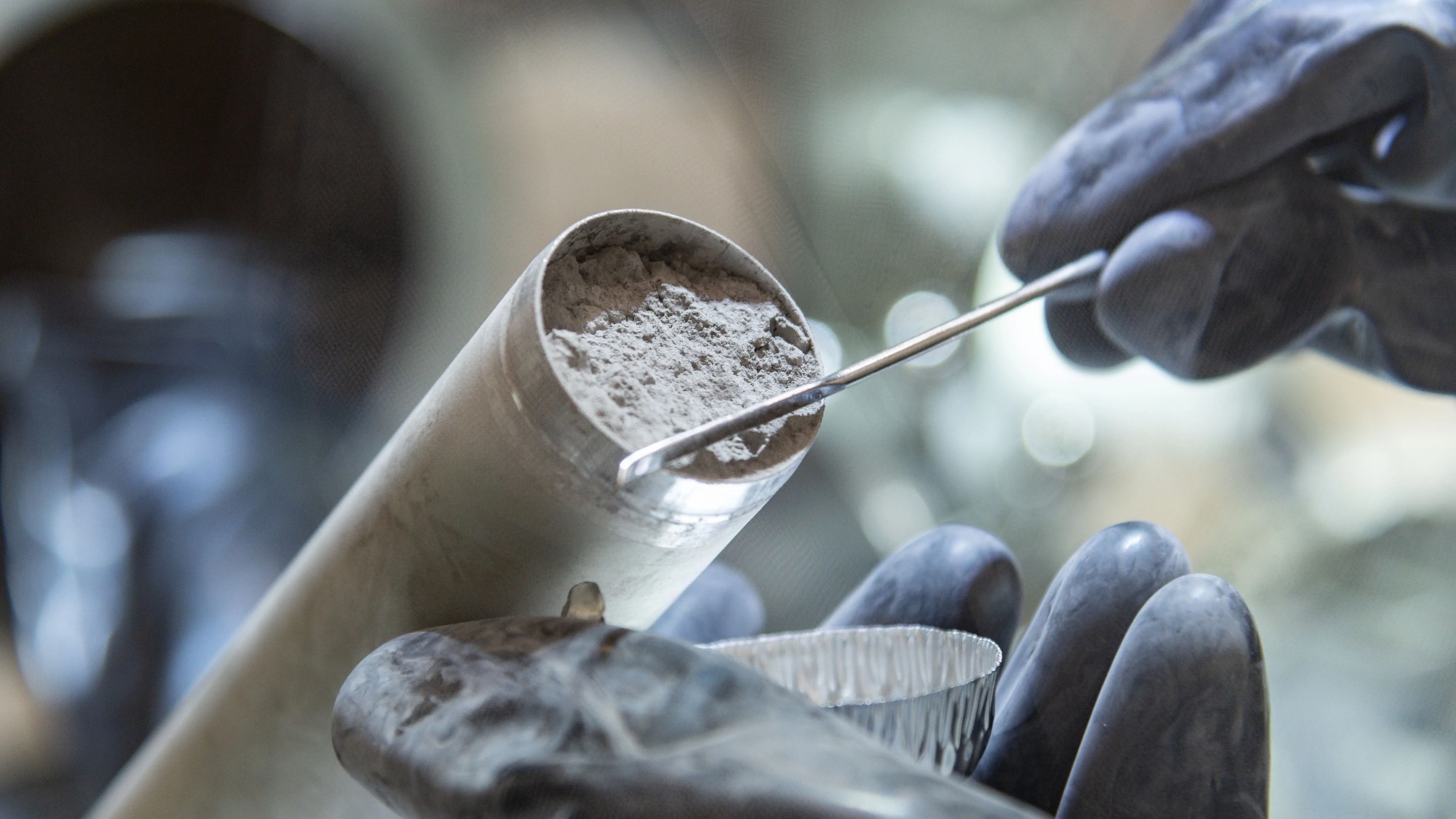
Scientists have managed to extract the history of supernova explosions in our cosmic backyard from radioactive isotopes found in moon dust.
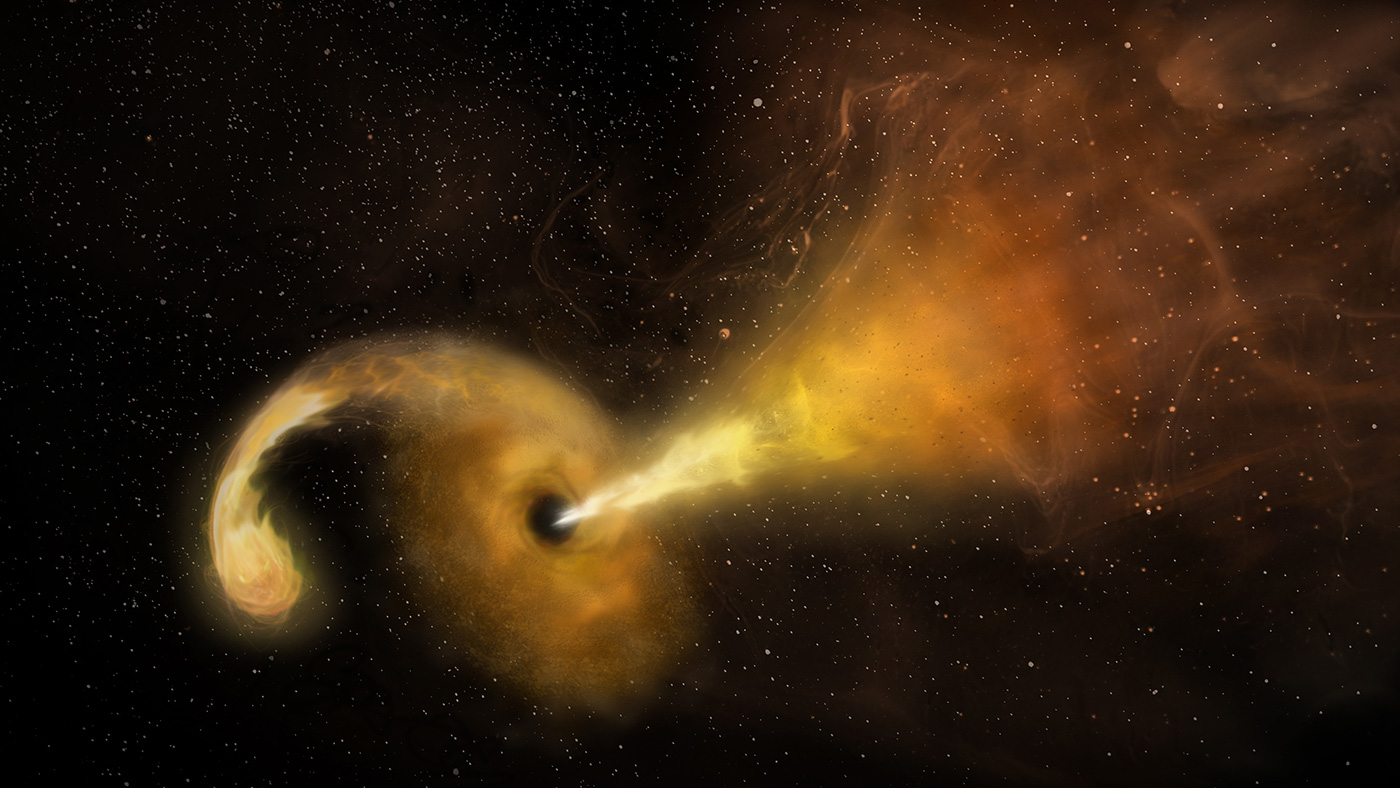
Some stars encounter supermassive black holes and live to tell the tale. New research shows why the flares these encounters cause dim over repeated episodes.
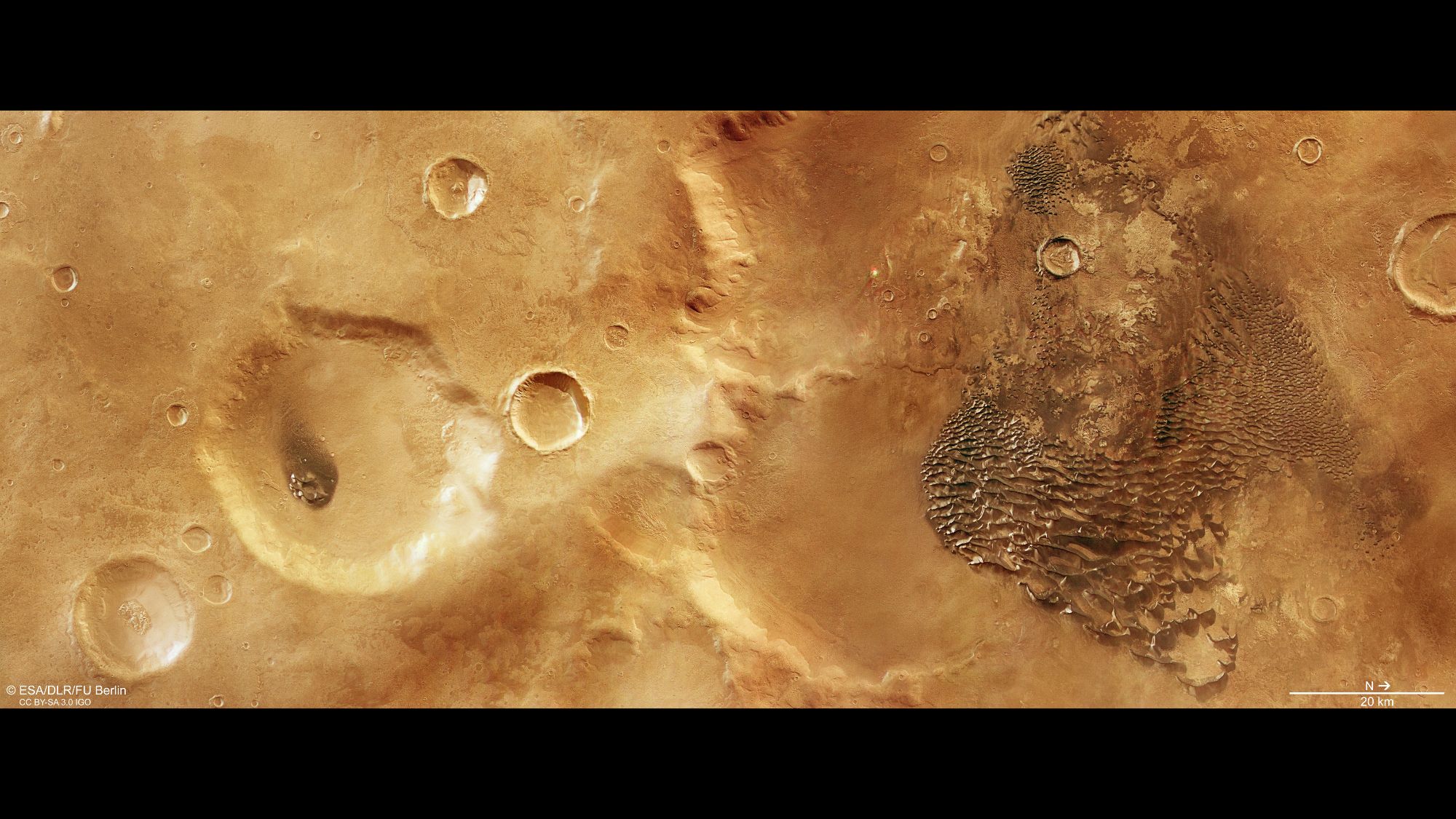
New research into the interior of Mars further emphasizes that the Red Planet is a world of two very different halves.
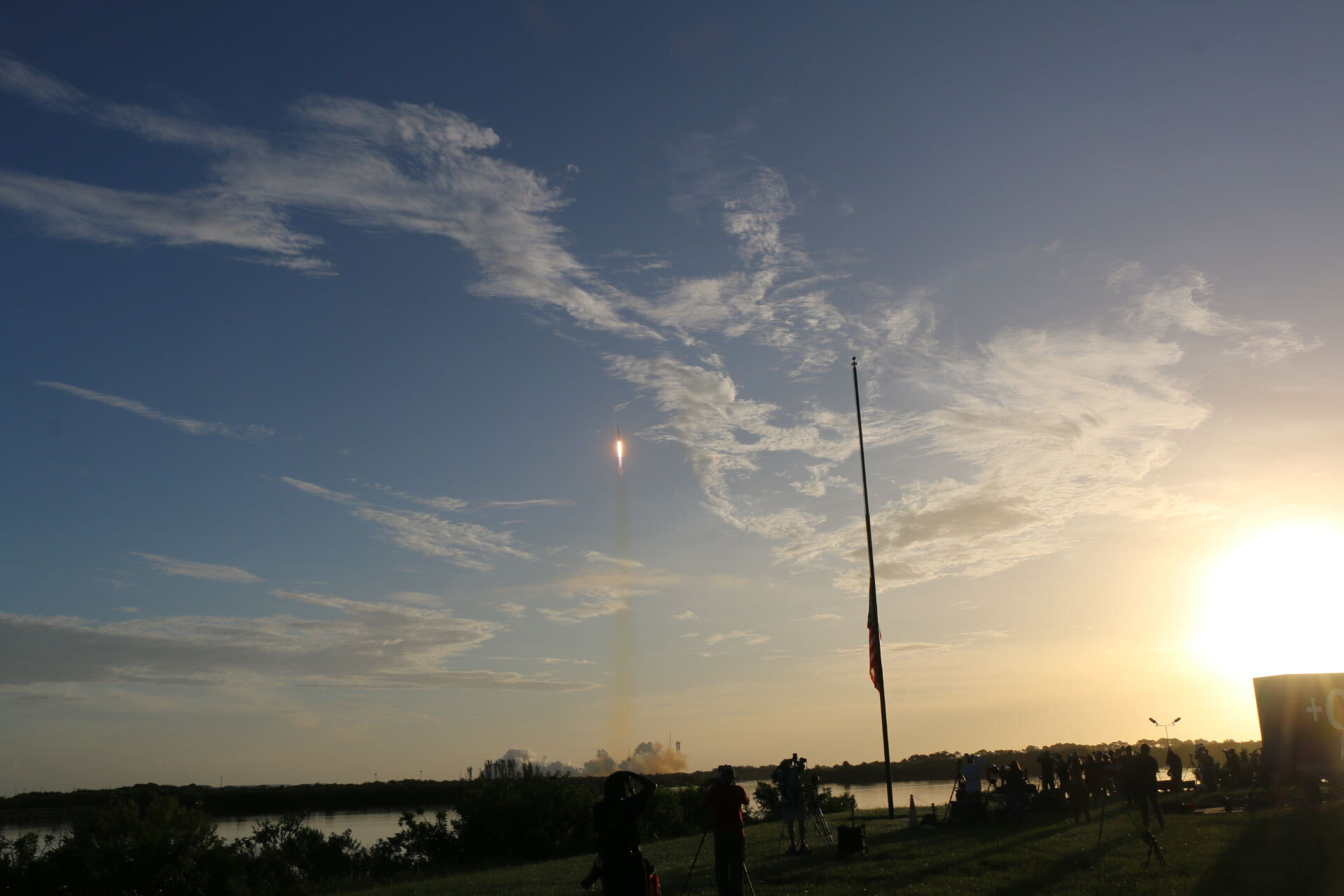
“We’re just about to set foot off into the unknown.”
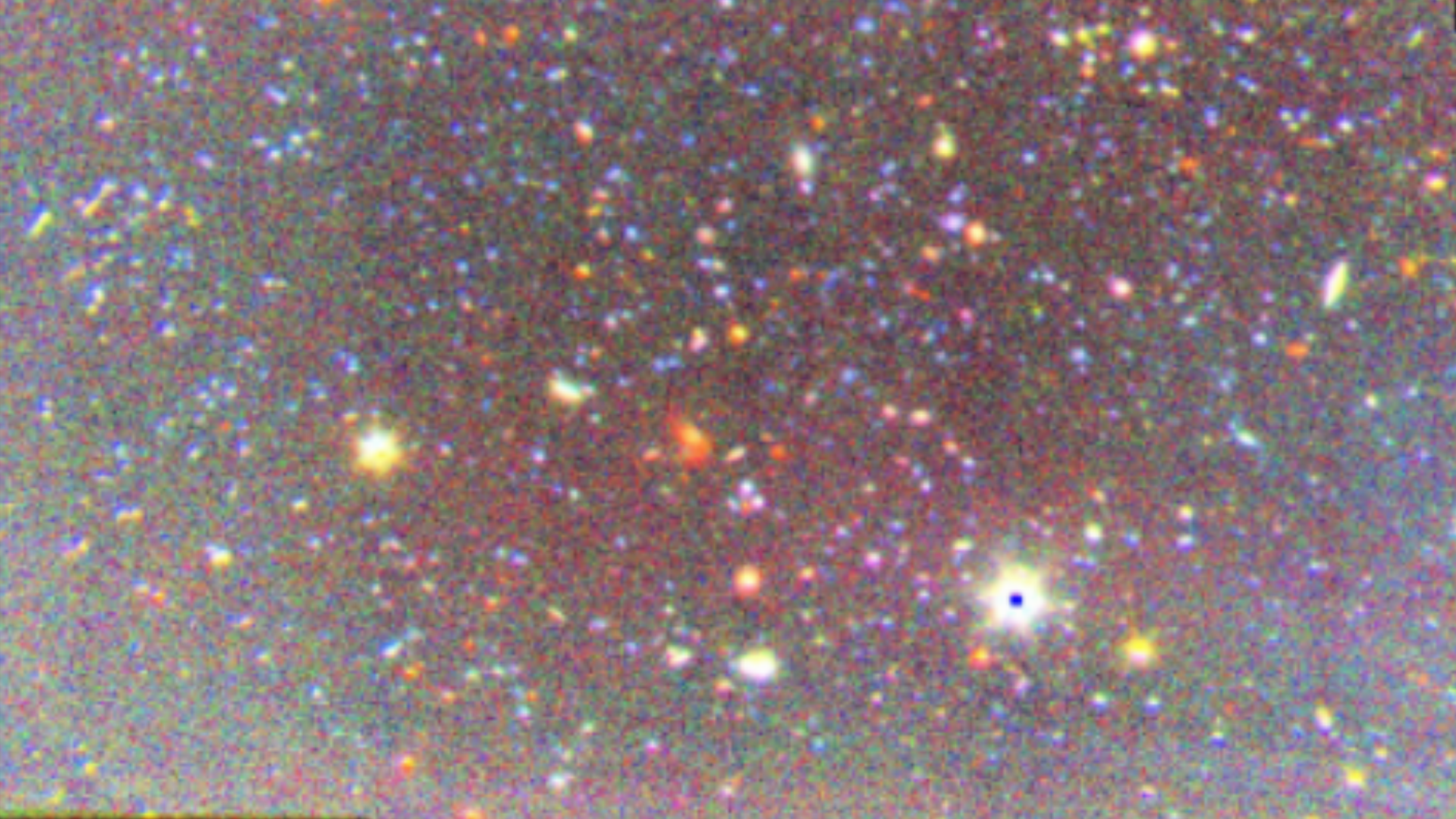
Astronomers are closer than ever to confirming the discovery of the first starless or “failed” galaxy, packed with dark matter and gas but with virtually no stars.
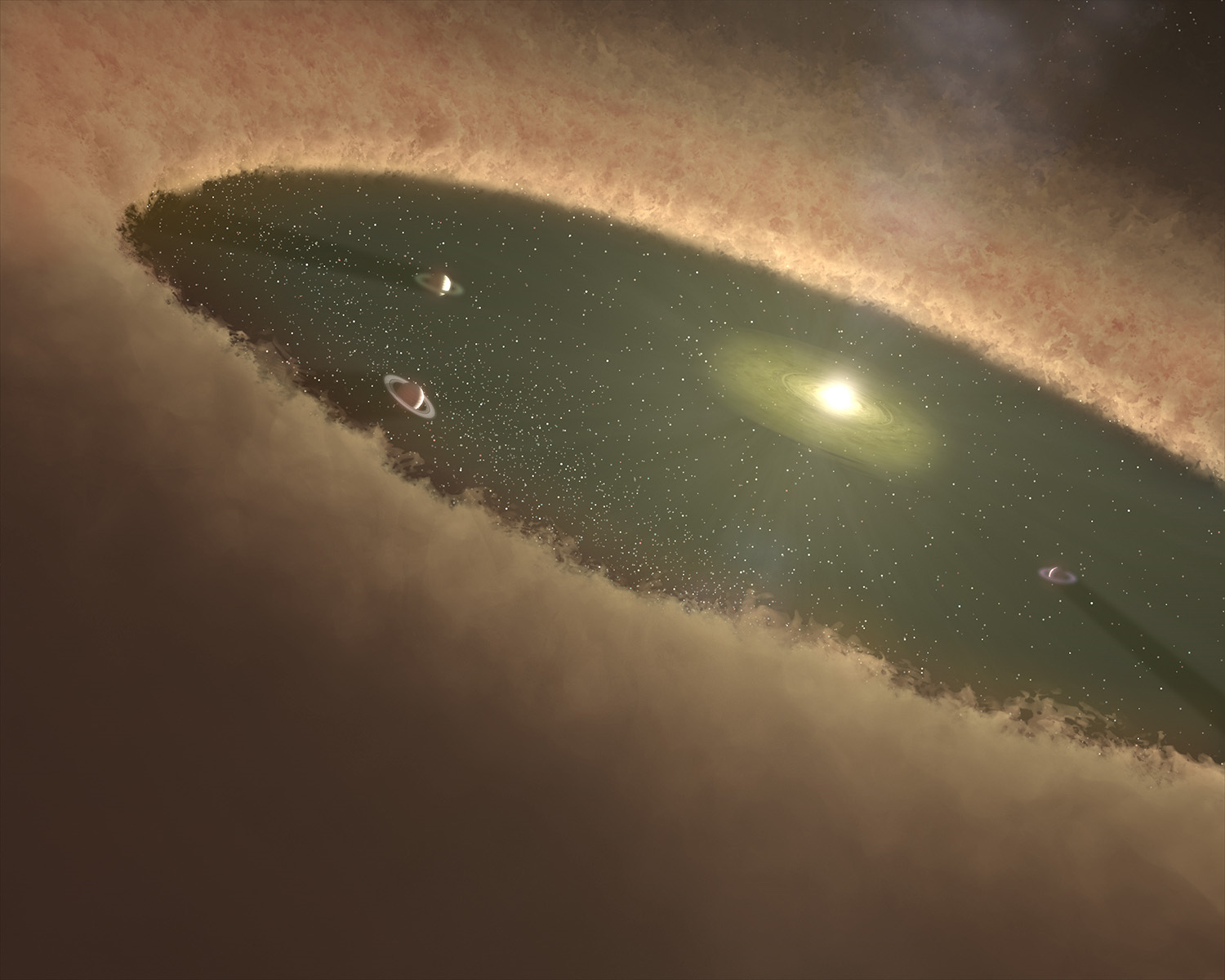
Using the James Webb Space Telescope, astronomers have studied 72 young sun-like stars to discover that forming planets is a real race against time.
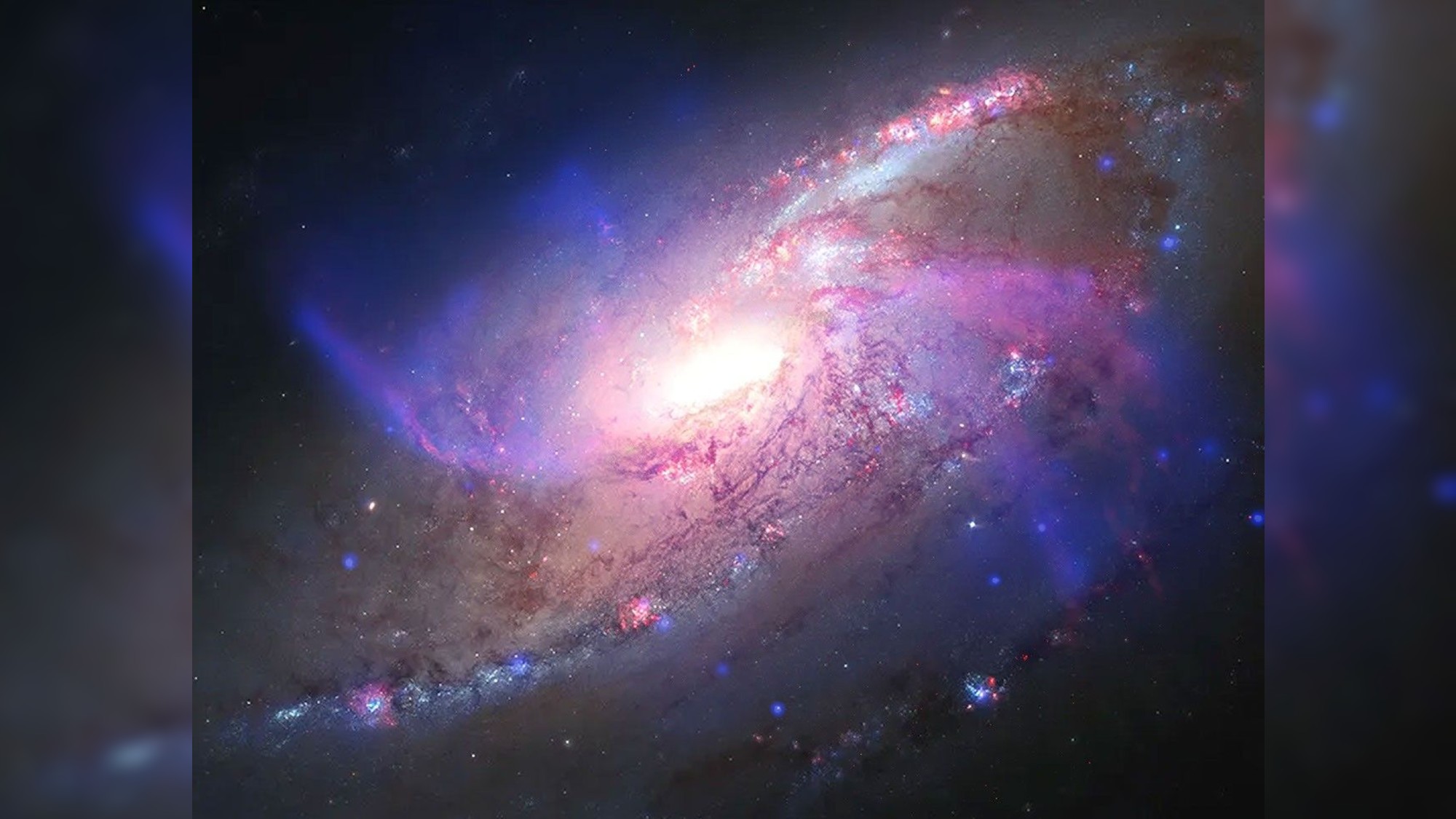
A trio of NASA space telescopes teamed up to capture a gorgeous new look at the glowing spiral galaxy NGC 4258 and its two anomalous extra arms.
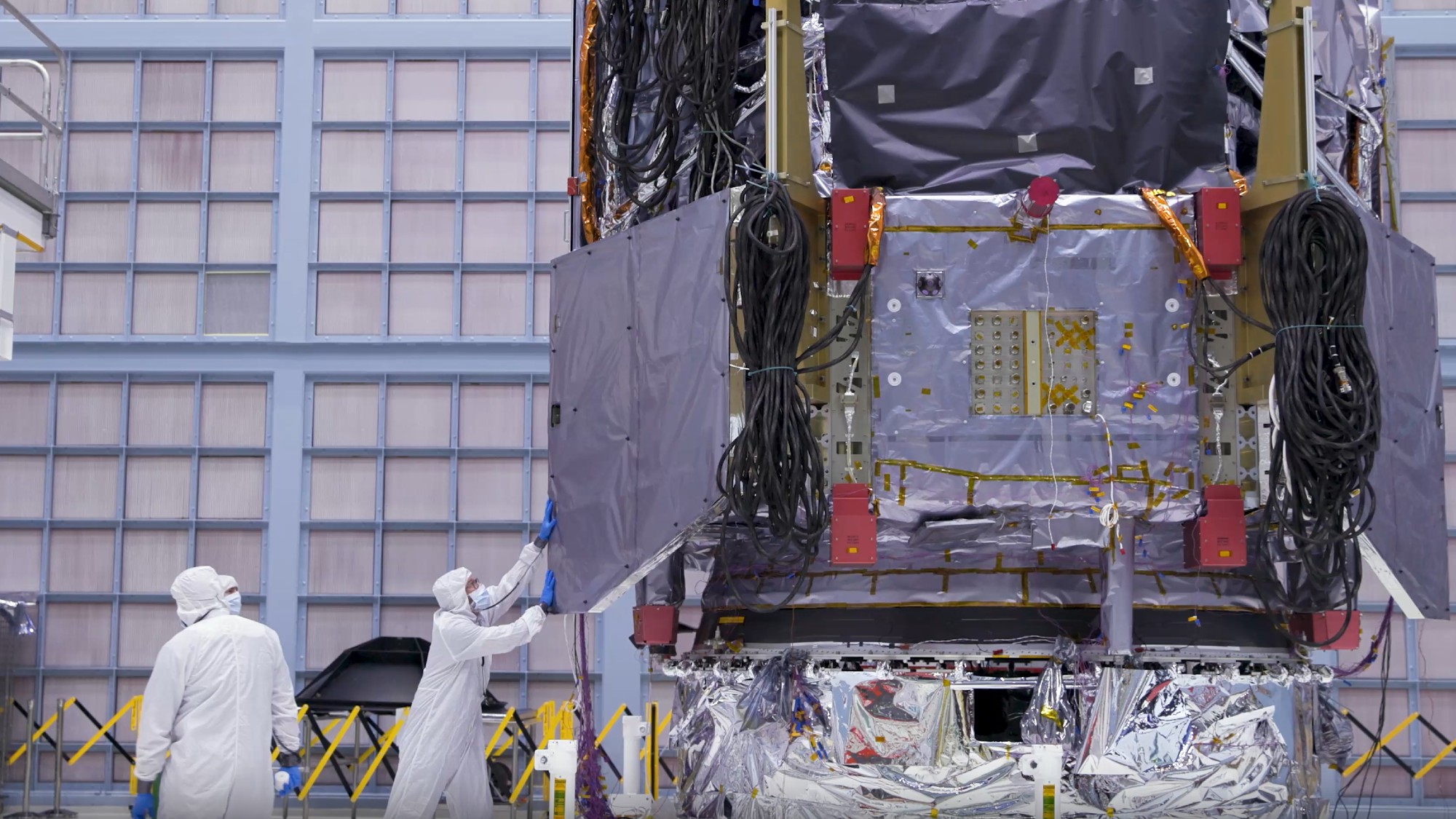
At the heart of this next-gen space telescope lies the parts of old spy satellites.
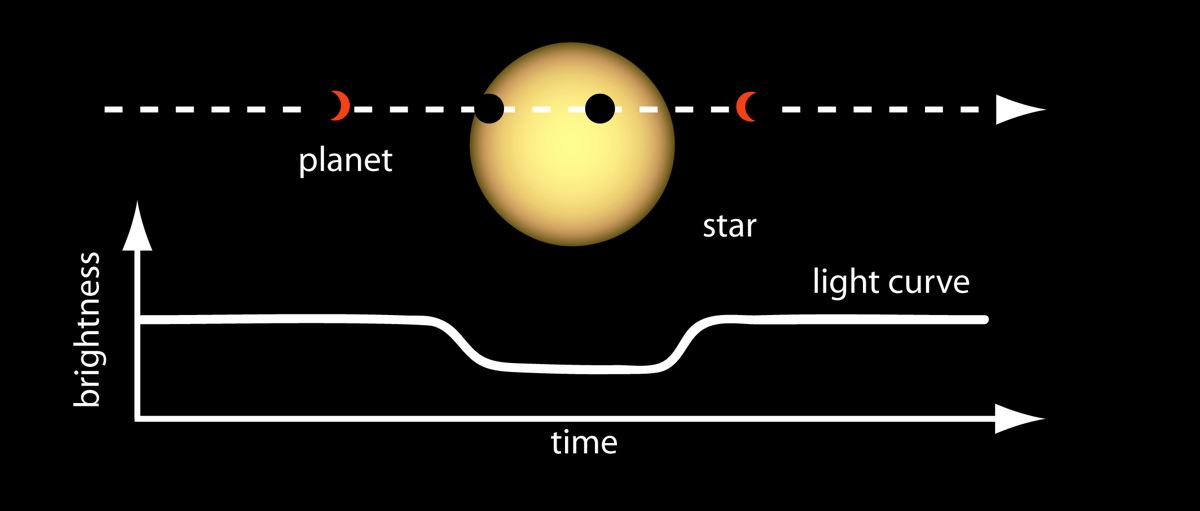
A newly discovered water dominated exoplanet is in hot-water literally and figuratively, it orbits so close to its parent star it is headed to a fatal collision that will see it devoured.
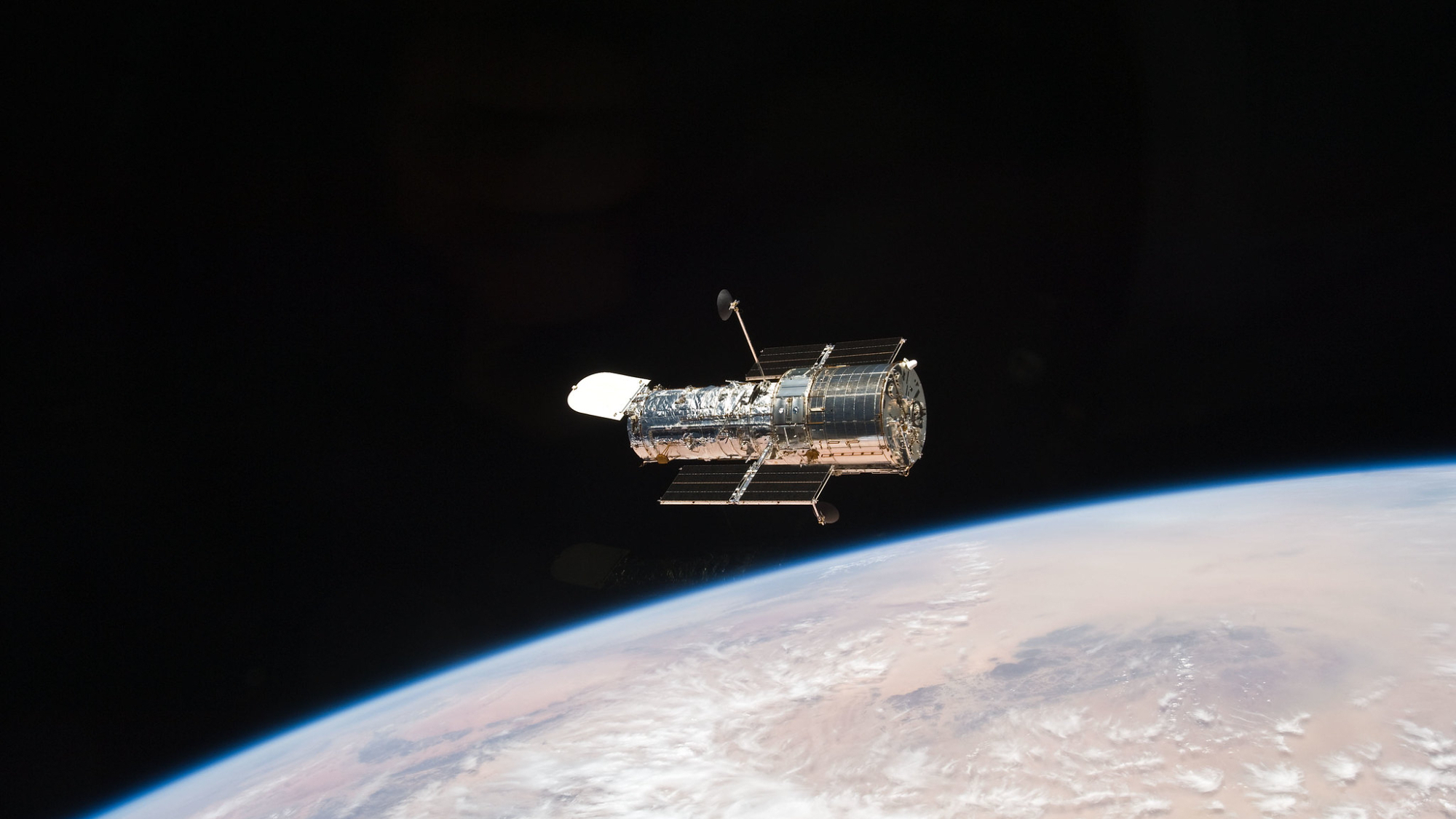
On a morning train commute, this former scientist found a stellar surprise in an old Hubble image.