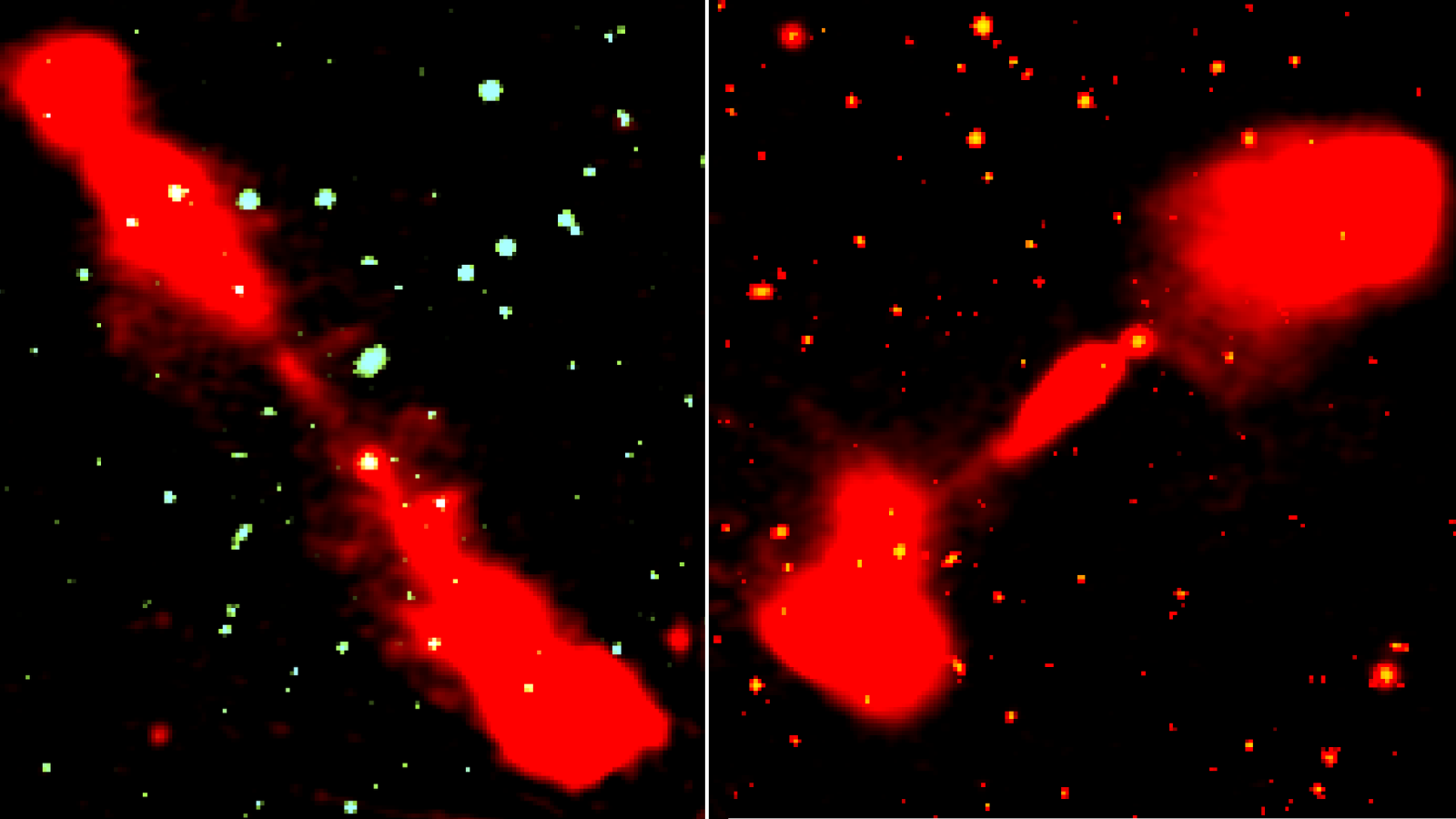
Astronomers have discovered a hitherto unseen population of galaxies with fading radio lobes, revealing what happens to these vast outflows when their black hole engines stall.
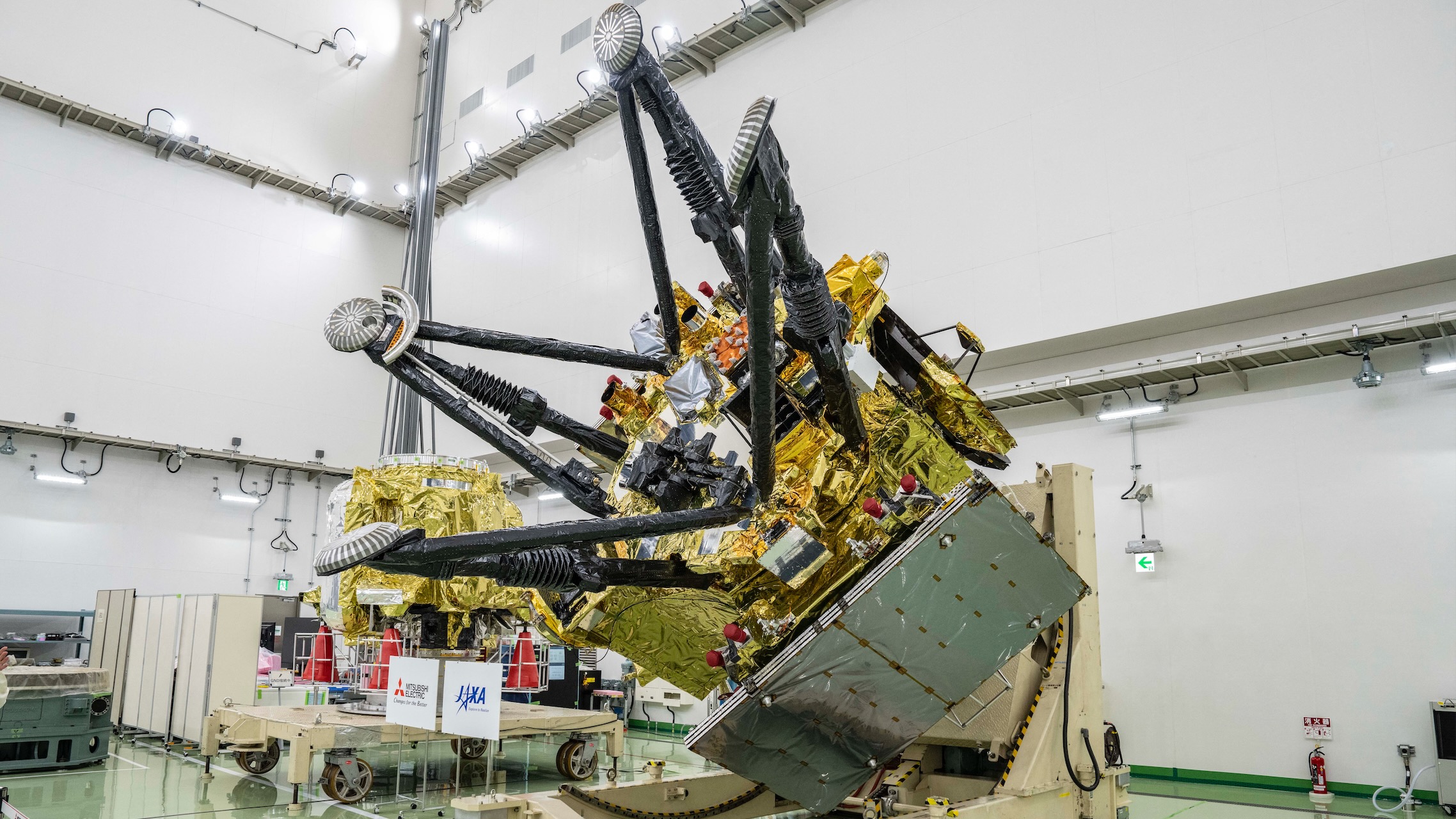
Japan recently gave the world a look at the spacecraft of its MMX mission, which will launch on Oct. 19 to grab pieces of the Mars moon Phobos and haul them back to Earth.
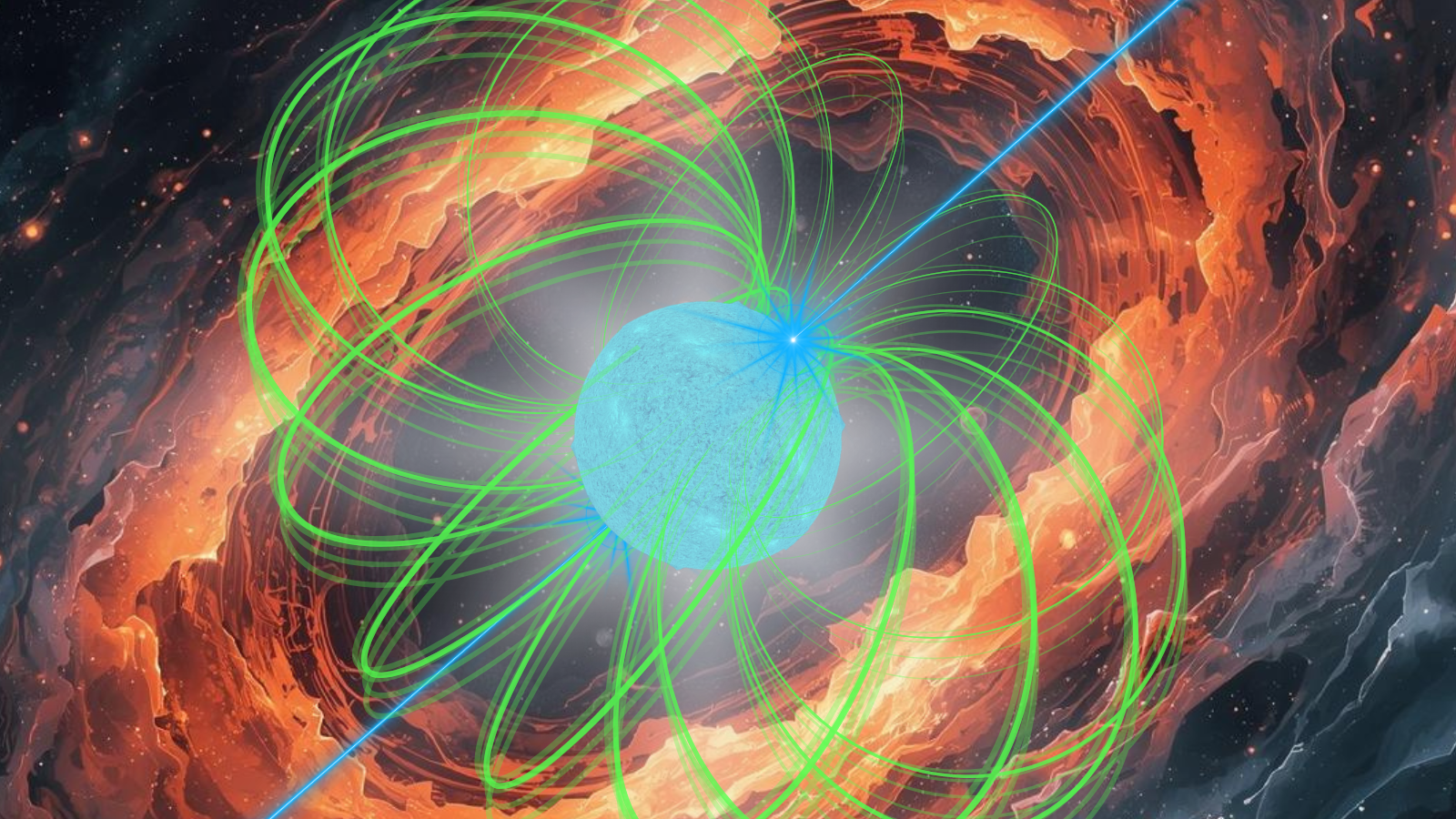
A mysterious hum of gravitational waves that fills the cosmos may be the echo of long-dead “dark stars” that served as the seeds of the first supermassive black holes.
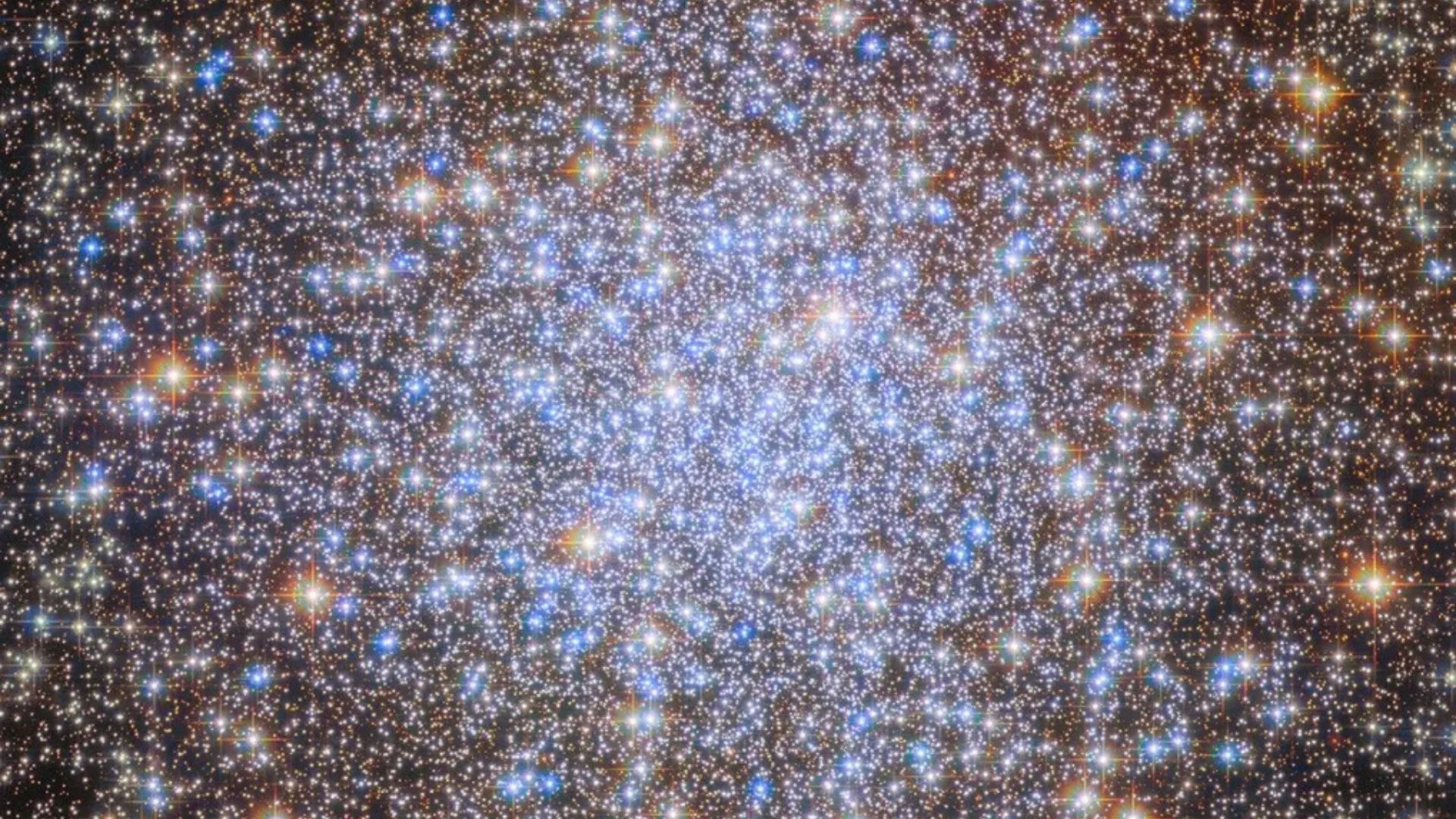
Stars scattered across the cosmos sparkle in the appropriately named Chandelier Cluster.
New research suggests that if dark matter is composed of “dark photons,” it would not have heated the early cosmos like scientists thought.
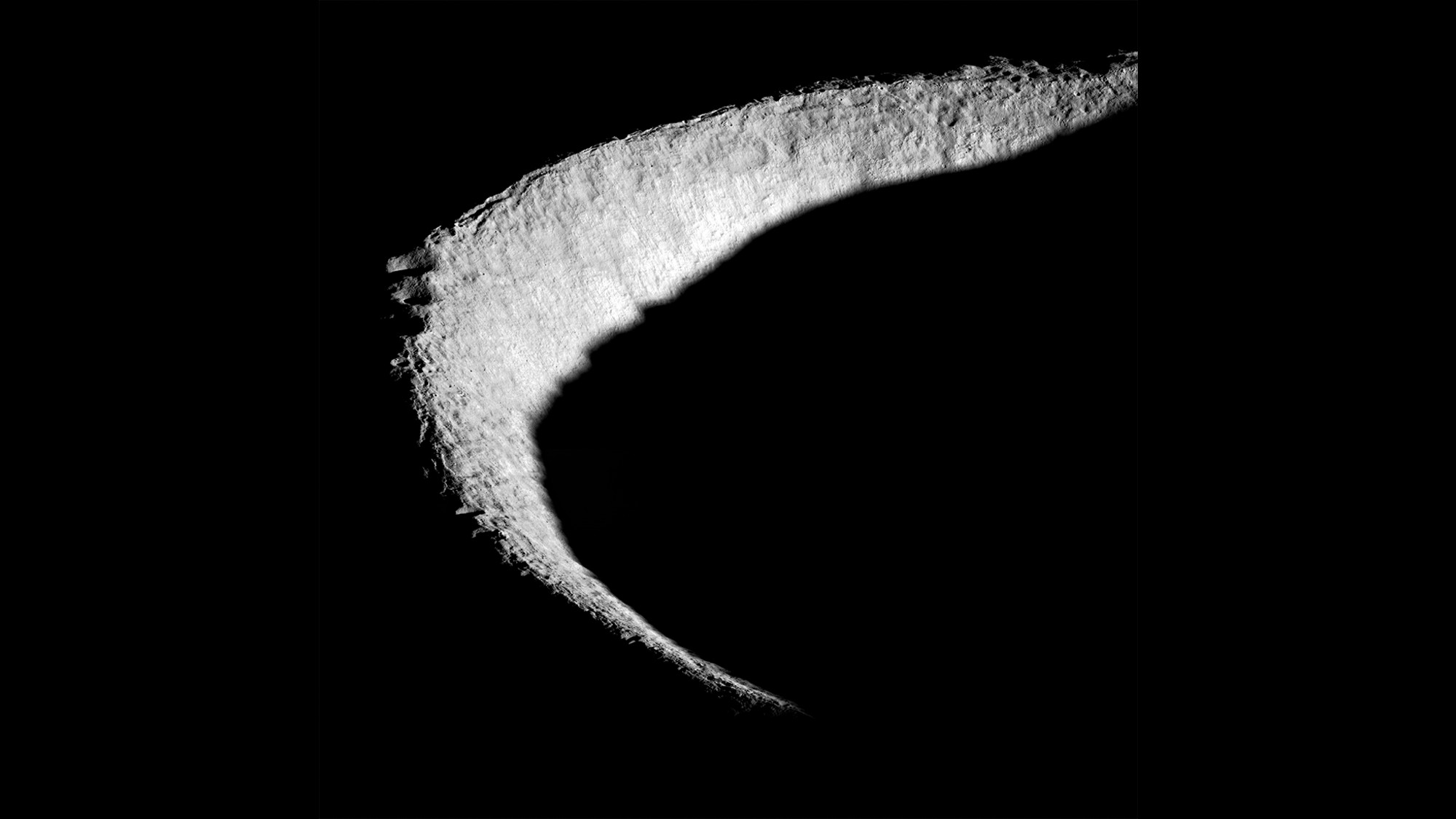
China aims to launch its Chang’e 7 moon mission on Aug. 24 to send a lander, a rover, a hopper and a wide range of science experiments to the lunar south pole.
“Even a bootprint or a rover’s tread may create a habitable area.”

Europe’s Mars Express orbiter has captured stunning telemetry to create a new flyover visualization of the Red Planet’s Southern Highlands and Schiaparelli Crater in magnificent detail.

This geologic feature has been mesmerizing astronauts since 1965.
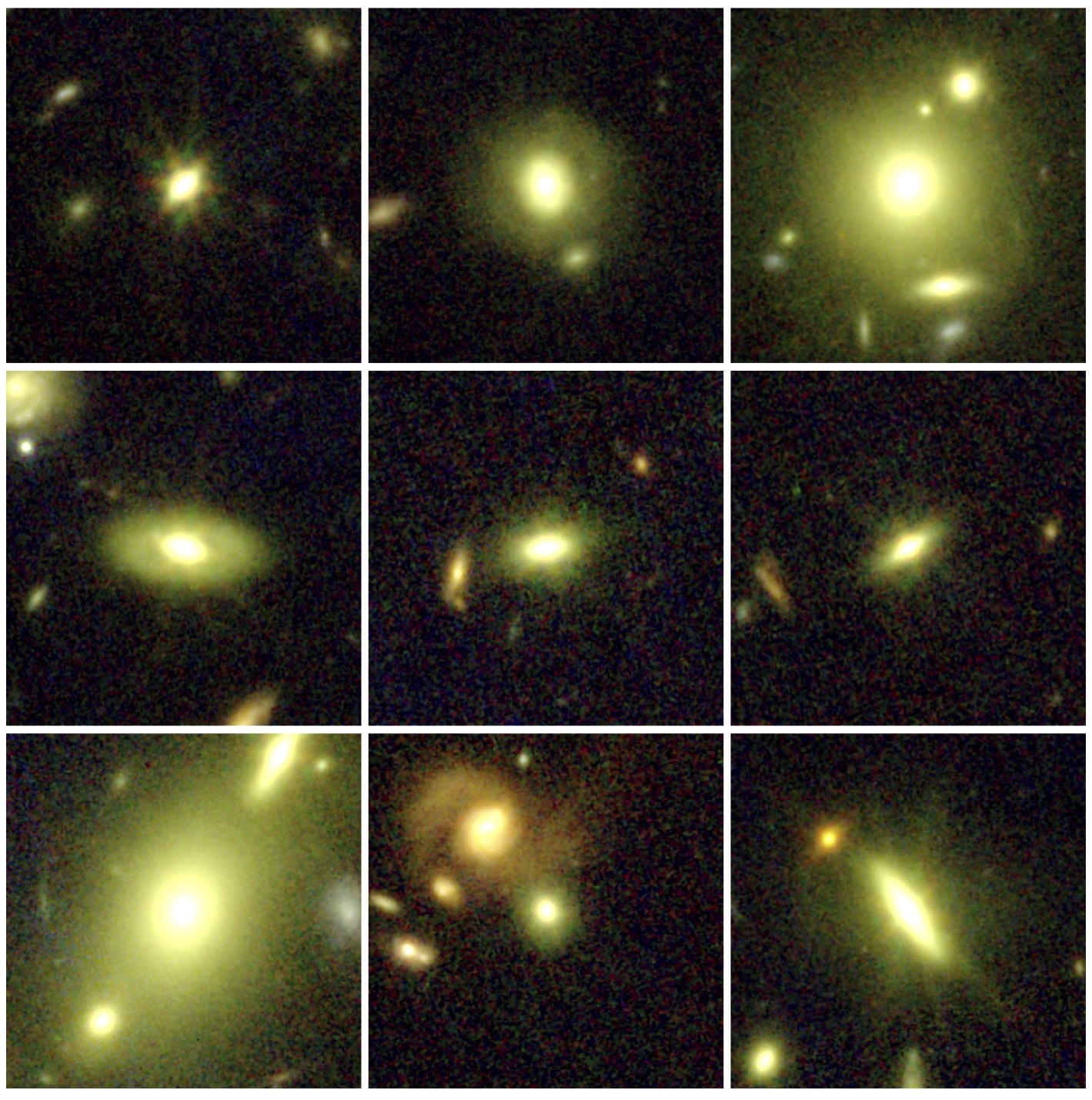
James Webb Space Telescope is finding that between the brightest stars, the cosmic skyscrapers, there are much fainter stars, meaning early galaxies are more massive than we believed.