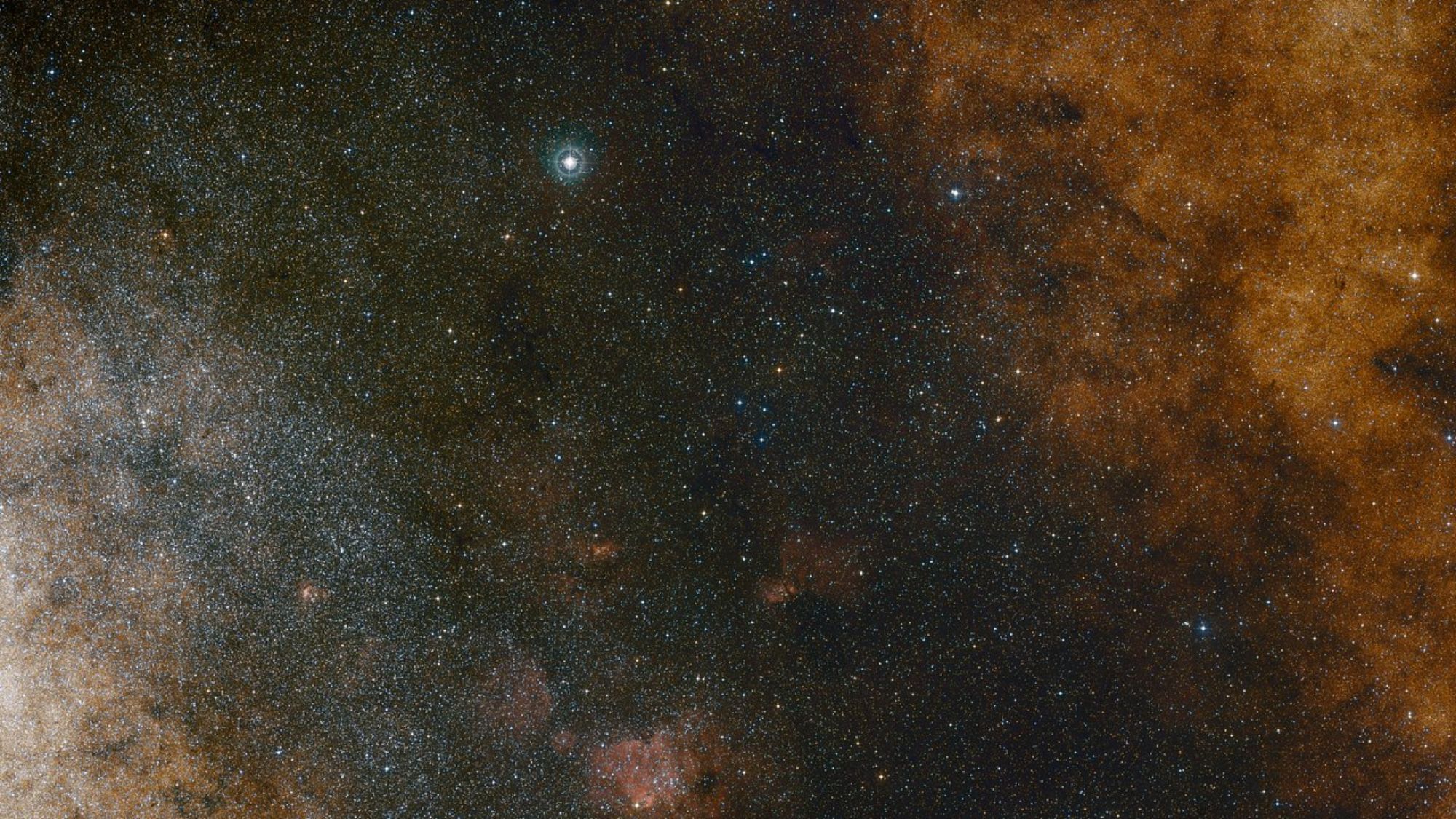
Astronomers have found the fastest known star in the Milky Way, a faint object racing around Sagittarius A*, the supermassive black hole at the heart of our galaxy.

A jet erupting from a distant supermassive black hole-powered blazar is being gravitationally lensed by an unseen clump of dark matter, and that could tell us about the source of cosmic “ghost” particles.
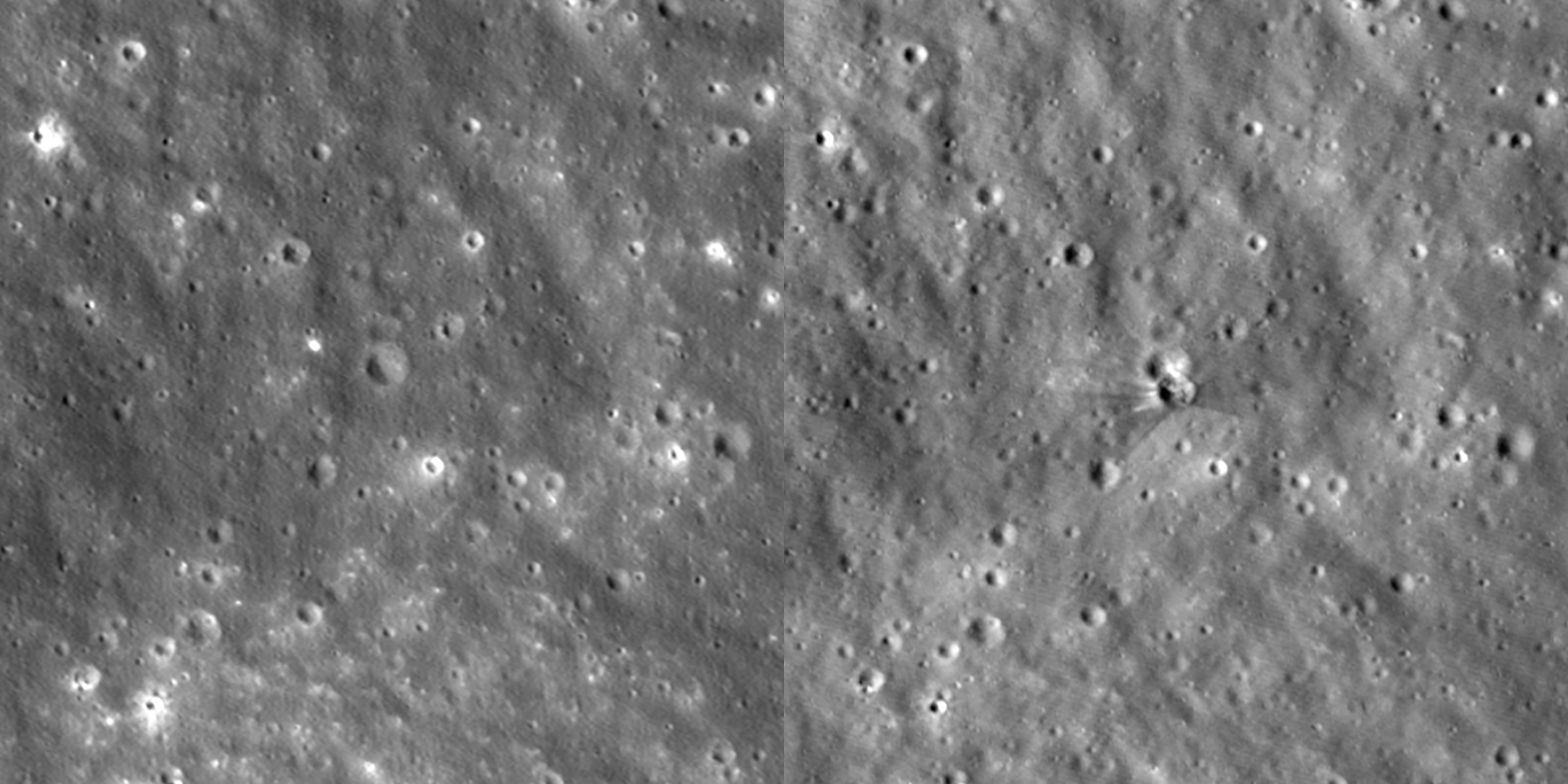
NASA’s Lunar Reconnaissance Orbiter has spotted the crater gouged out on the moon by a SpaceX rocket on Aug. 5, finding it to be about 60 feet (18 meters) wide.
“This isn’t what we expected at all.”
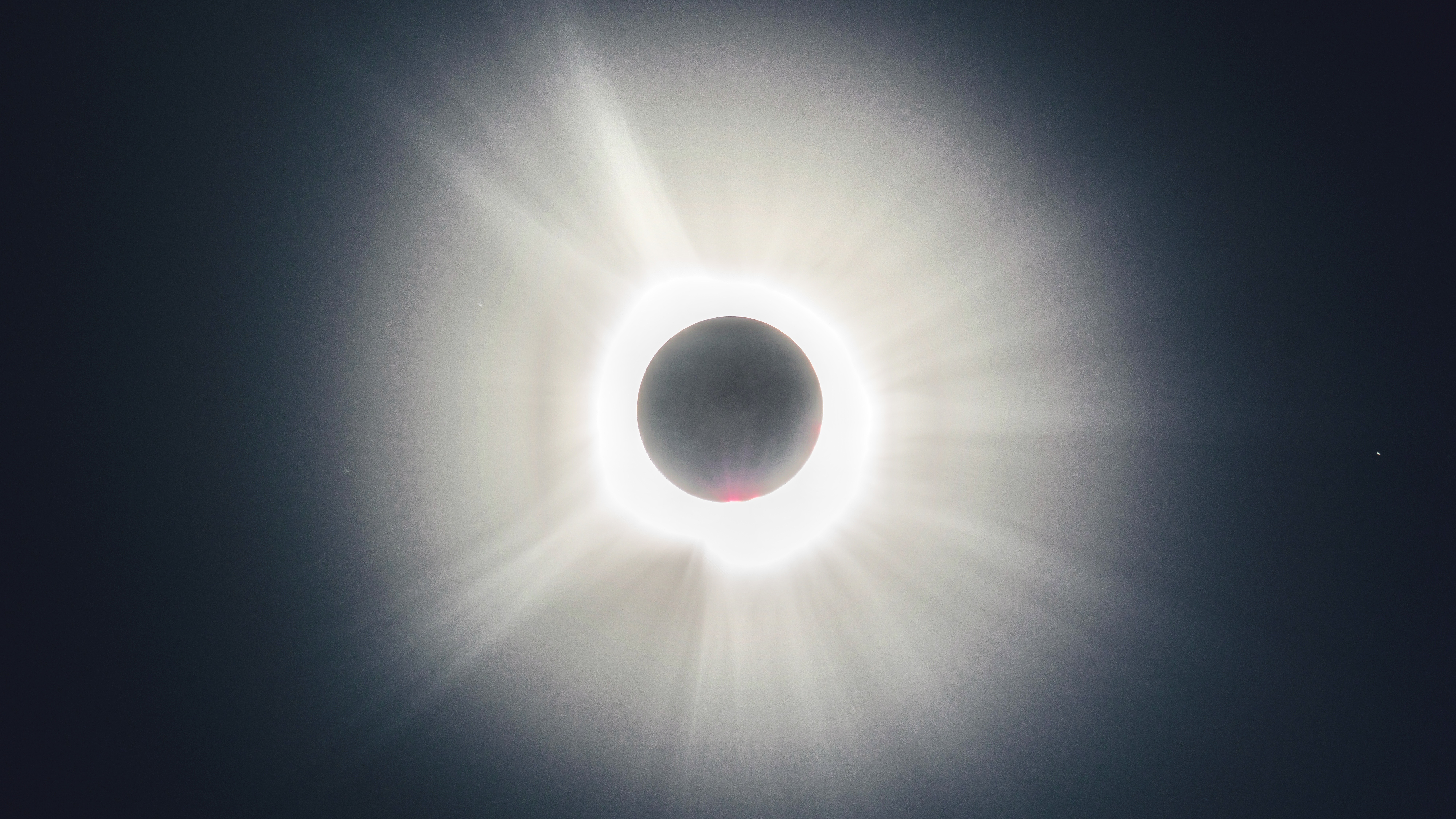
On this day in space! Aug. 18, 1868: Total solar eclipse leads to discovery of helium
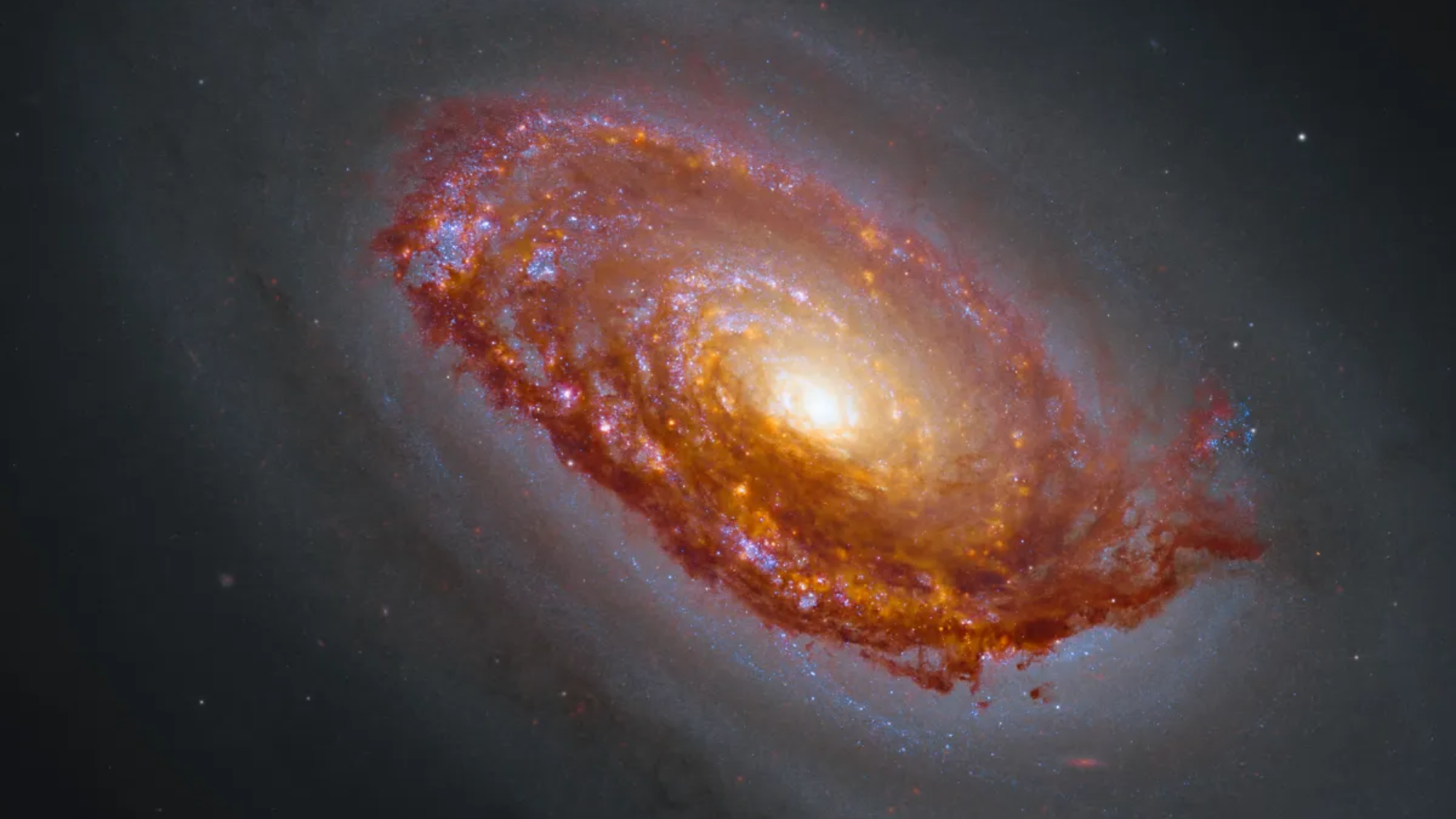
The “Black Eye Galaxy” is captured in a gorgeous new composite image from the Hubble and James Webb space telescopes.
The Milky Way has a secret history of galaxy mergers that we are only now starting to uncover.
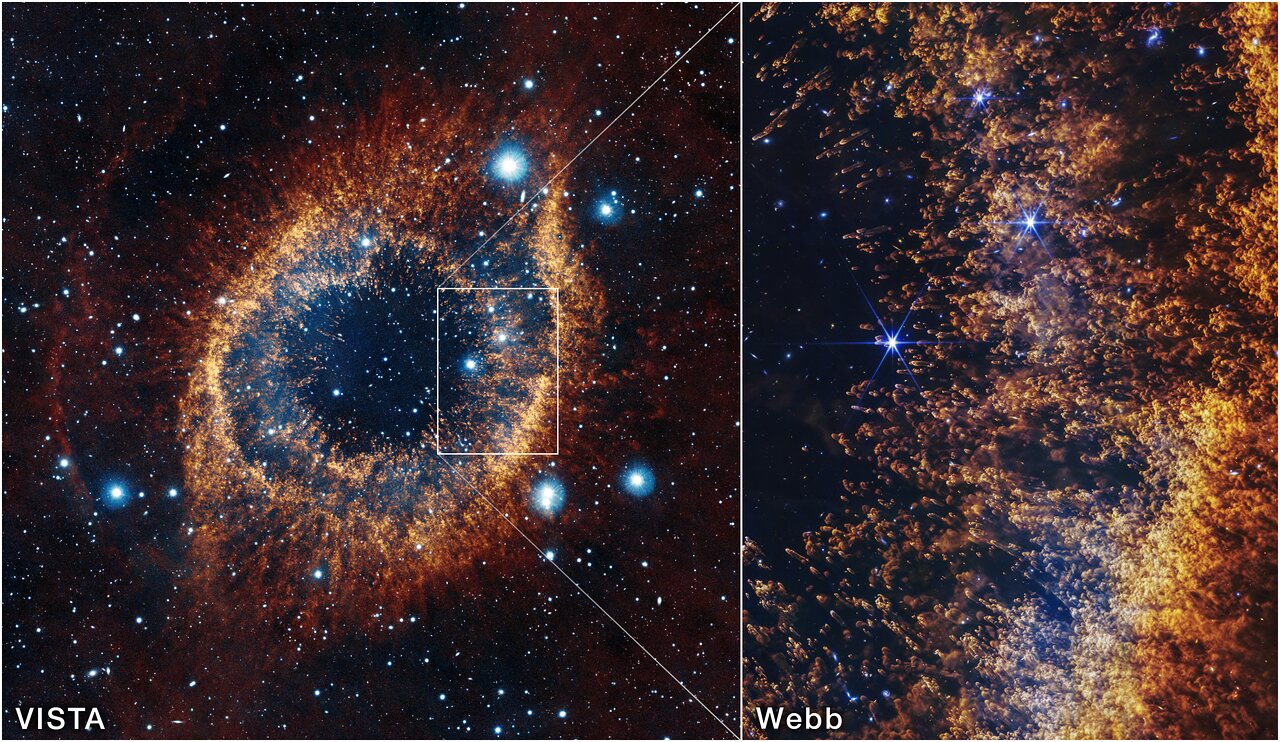
A composite image of data from the Hubble Space Telescope, the Kitt Peak four-meter telescope and MOTHRA reveal the Helix Nebula. We can see the bow shocks, particularly on the left.
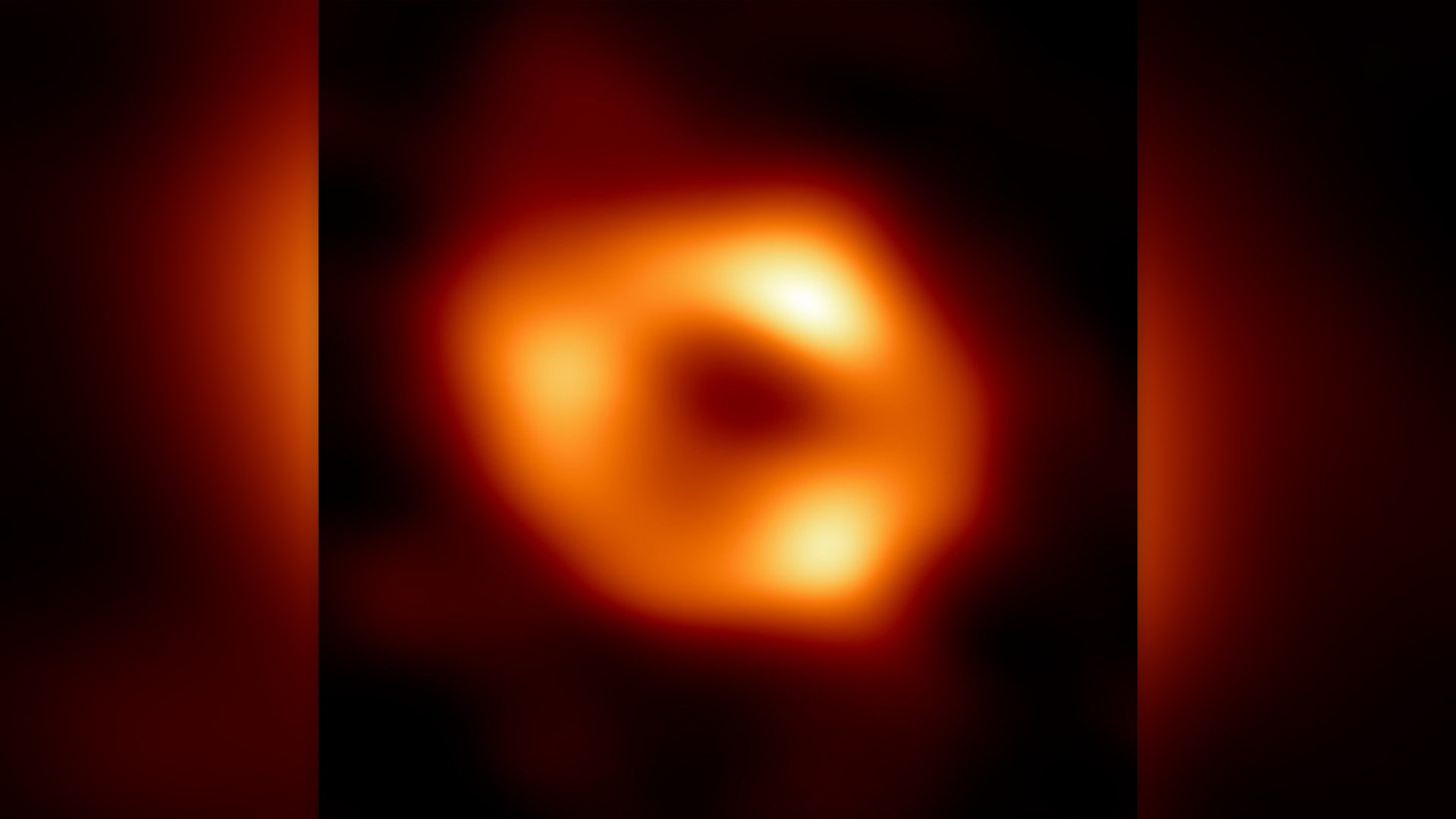
A greedy galaxy that existed less than 1.3 billion years after the Big Bang is hoarding supermassive black holes.