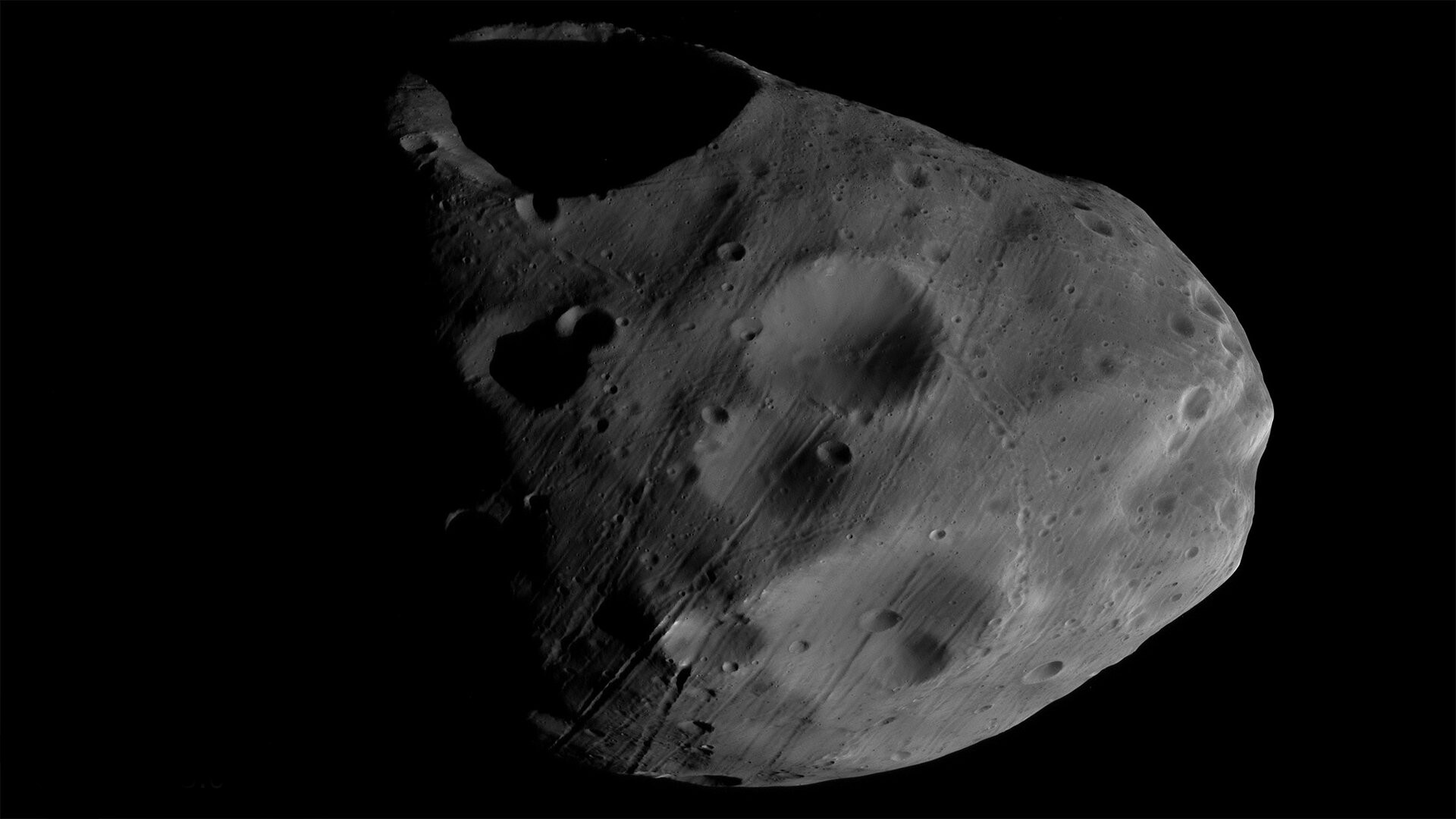
On this day in space, Aug. 17, 1877: American astronomer Asaph Hall discovered Mars’s moon Phobos.
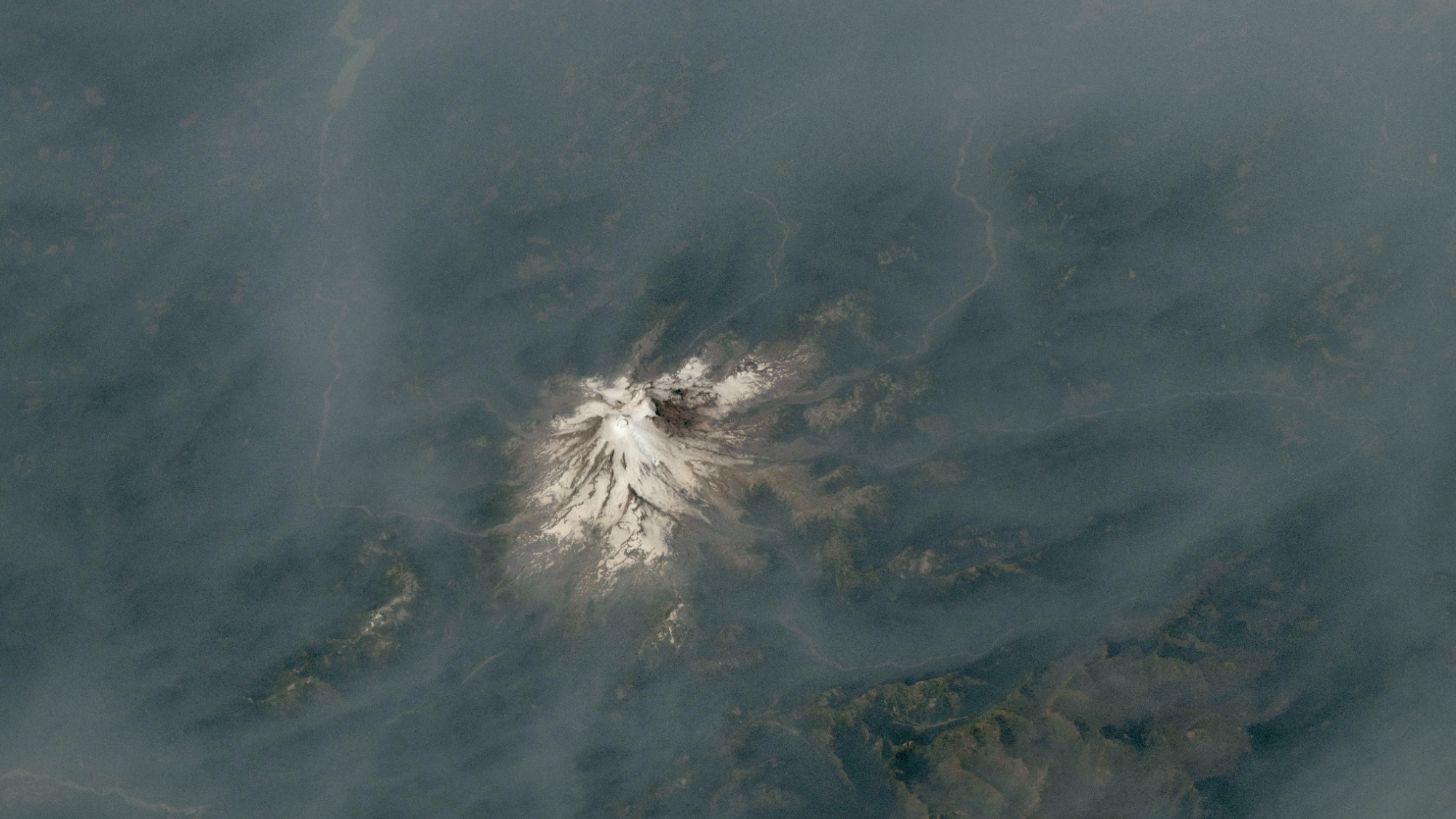
The wildfires ripping across North America have created massive plumes of smoke.
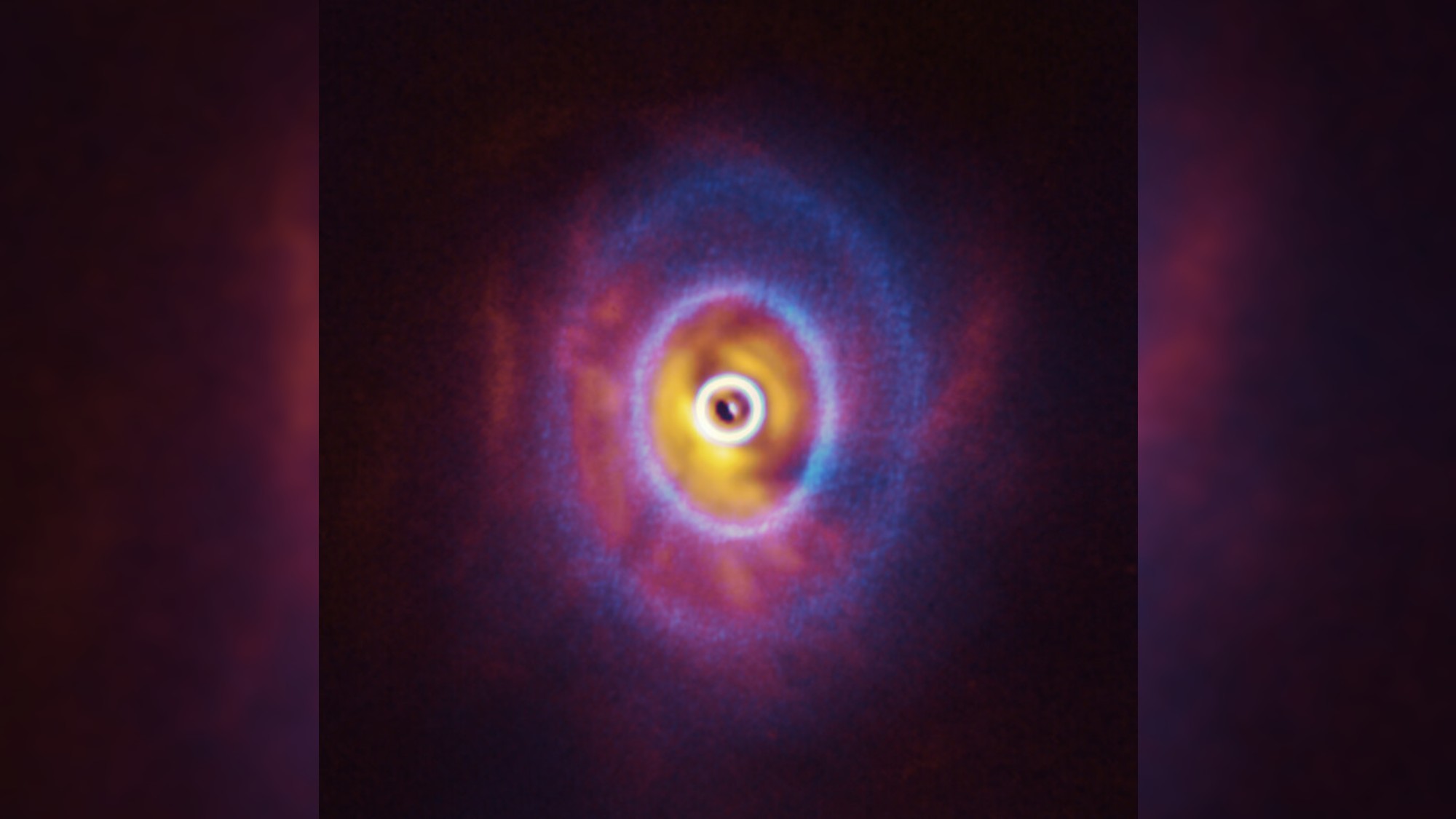
A river of gas over a trillion miles long is streaming onto a young planet-forming system and is tipping it over.
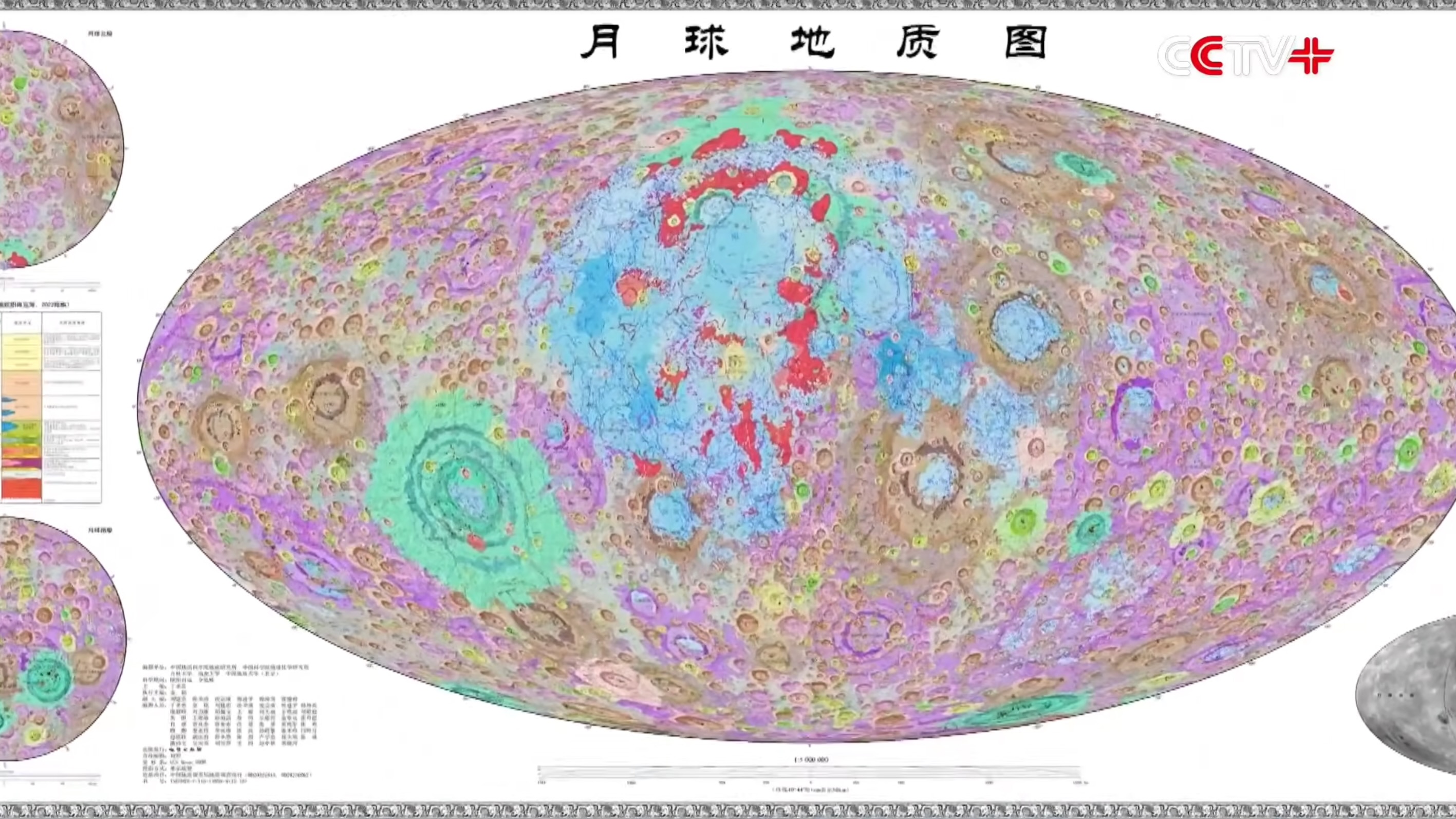
New chronology, data about the moon’s far side and a homegrown cartographic standard signal China’s ambitions for how the solar system gets mapped.
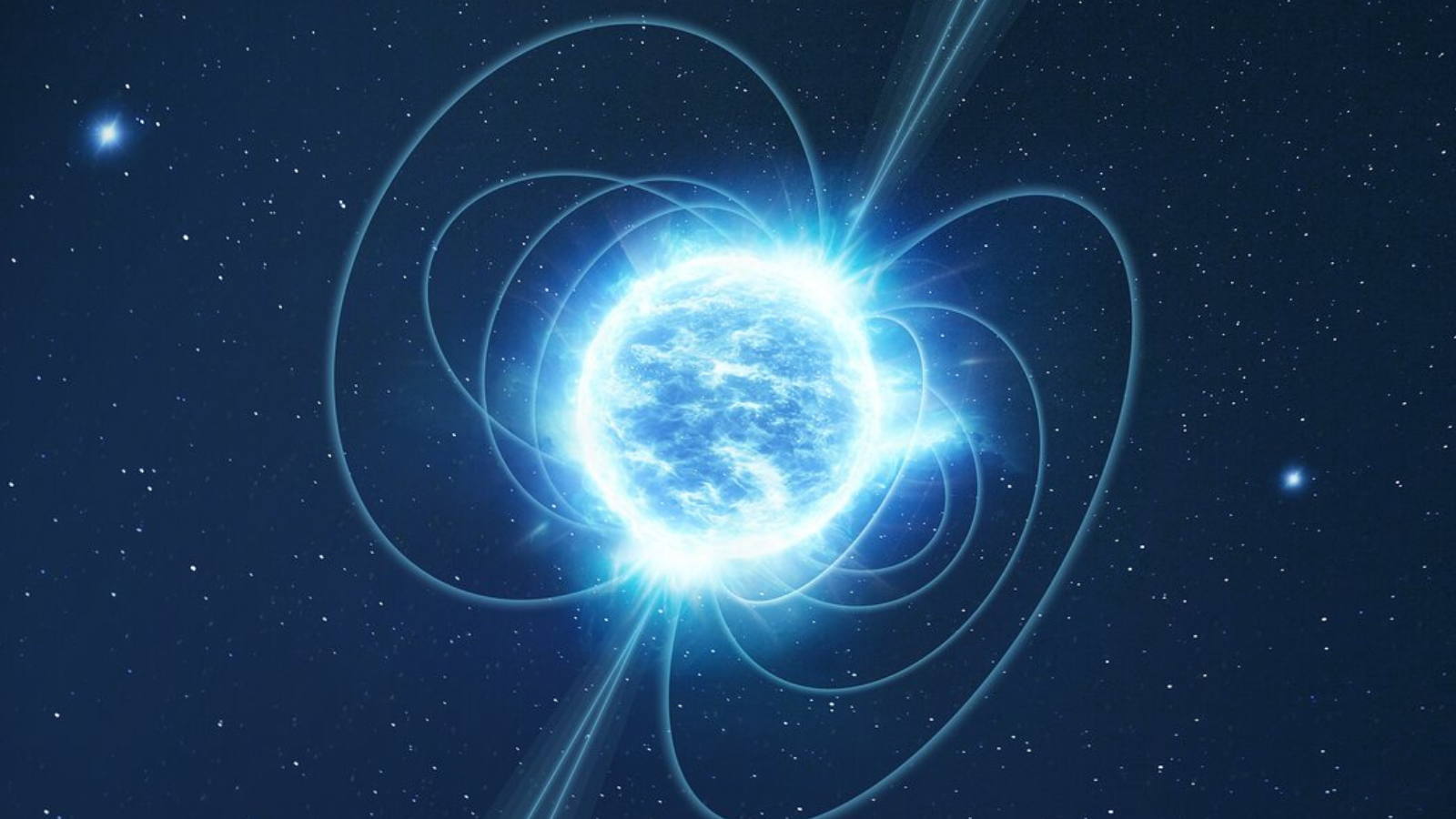
“We’re not just studying astronomical objects anymore; we’re using them to test the laws of nature.”
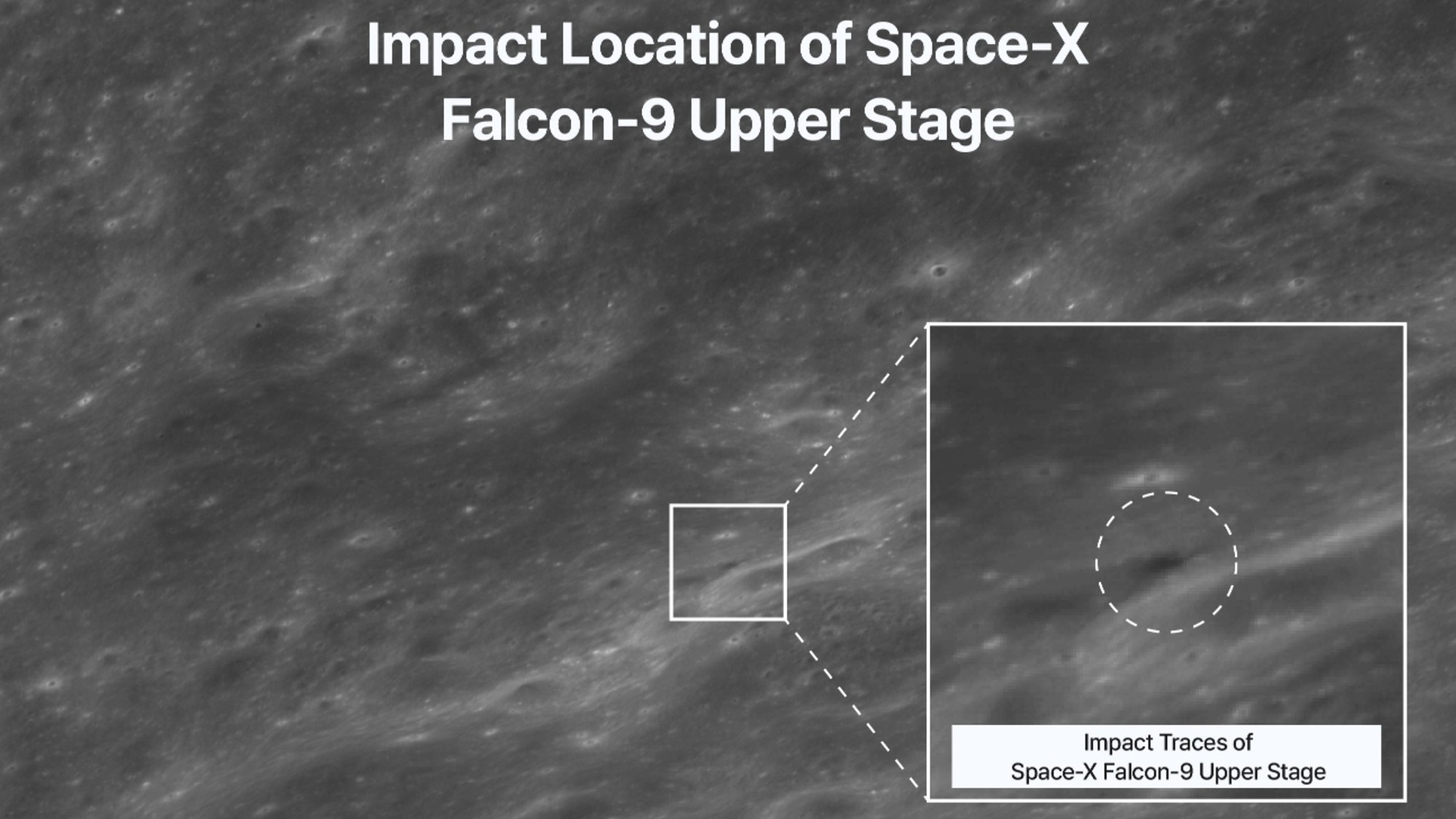
We need rules to prevent space companies from dumping their old rockets onto the moon’s surface in the future, experts say.
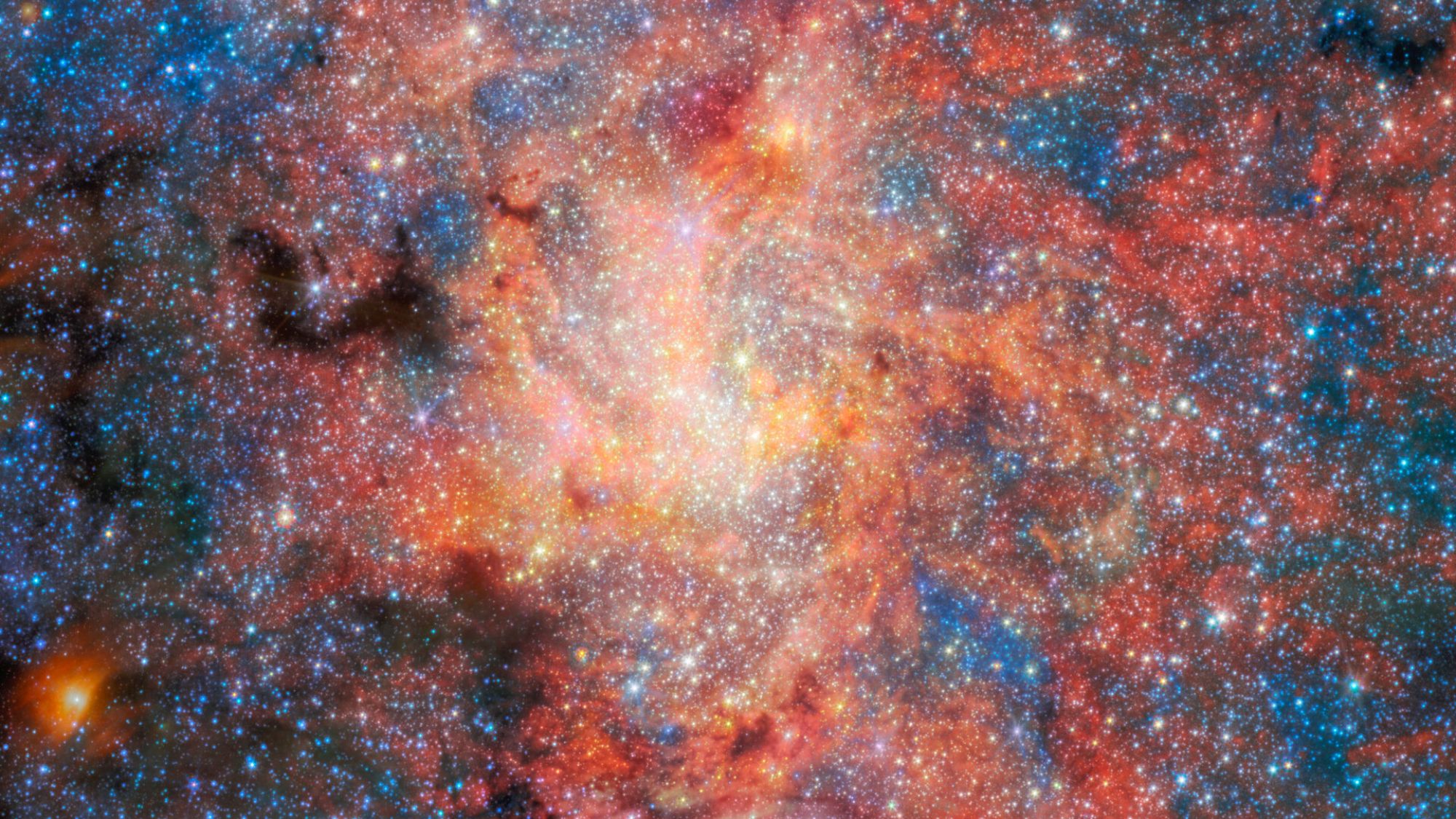
Water and cosmic dust can survive in the harsh environment near Sagittarius A*, new observations reveal.
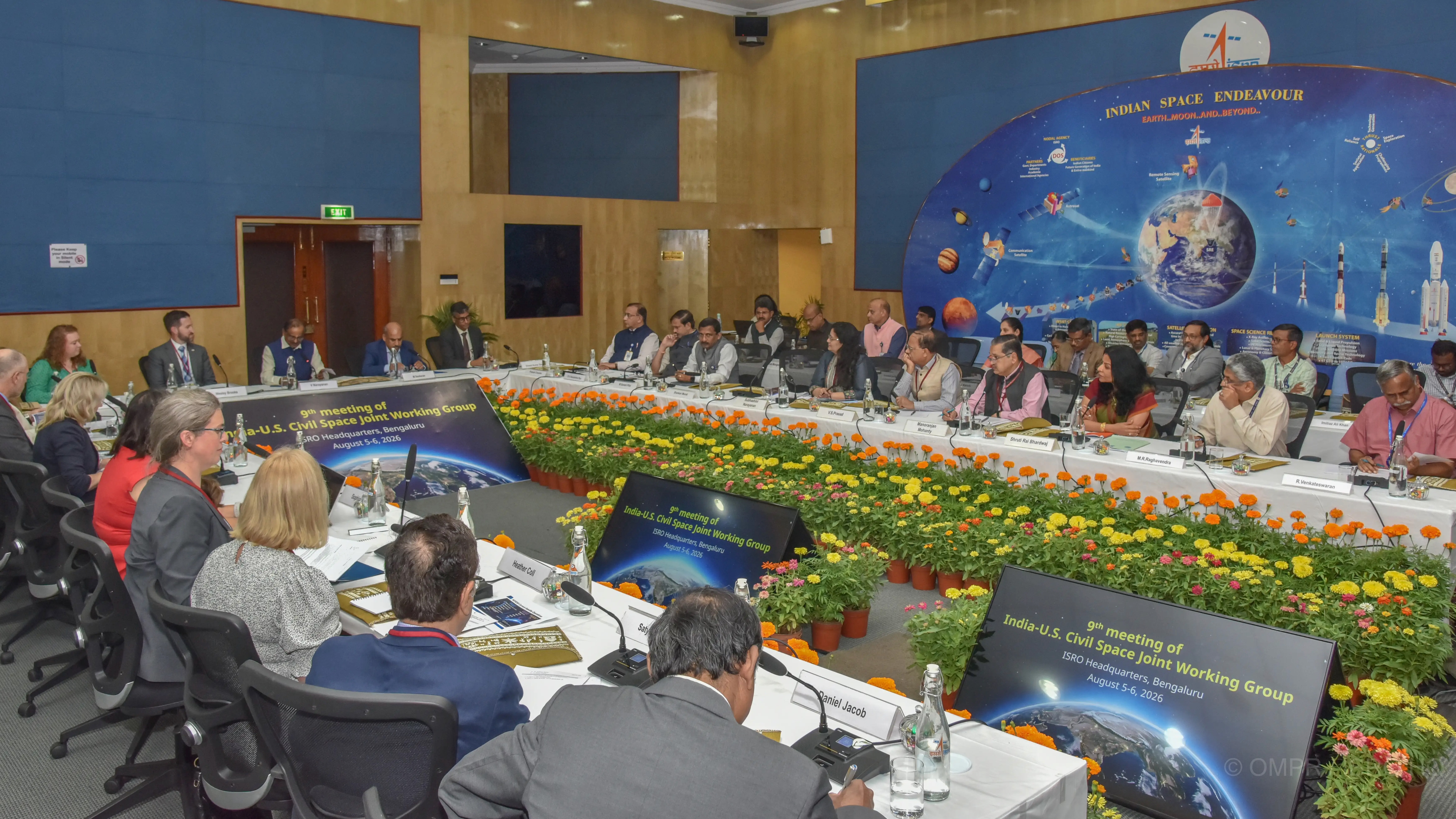
NASA has invited the Indian Space Research Organisation to collaborate on its Moon Base program, which aims to build a permanent human outpost near the lunar south pole.
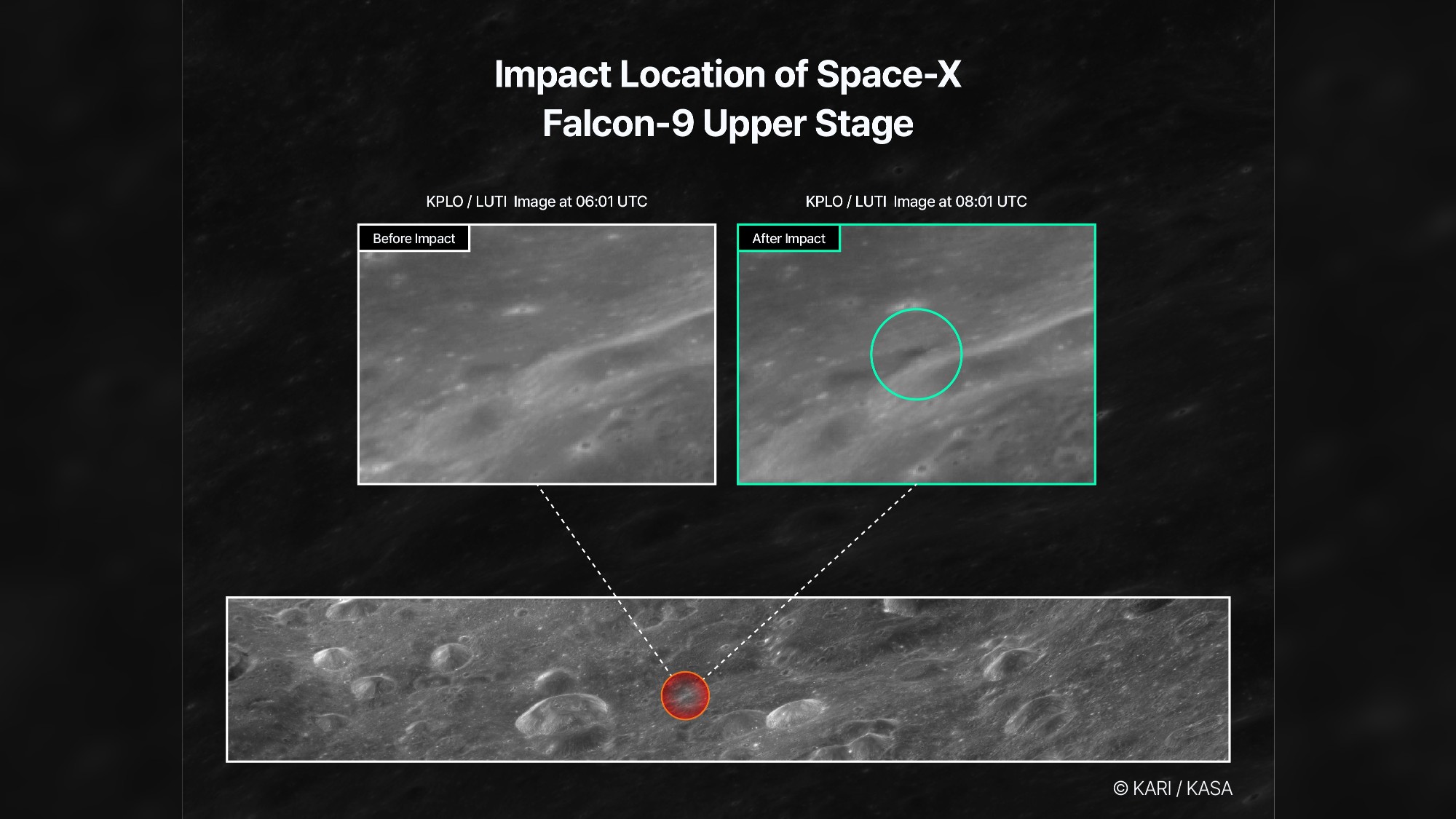
A SpaceX rocket body slammed into the moon earlier this month, showcasing a risk that will increase as humanity establishes a footprint on Earth’s nearest neighbor.
That’s three times longer than the Milky Way galaxy.