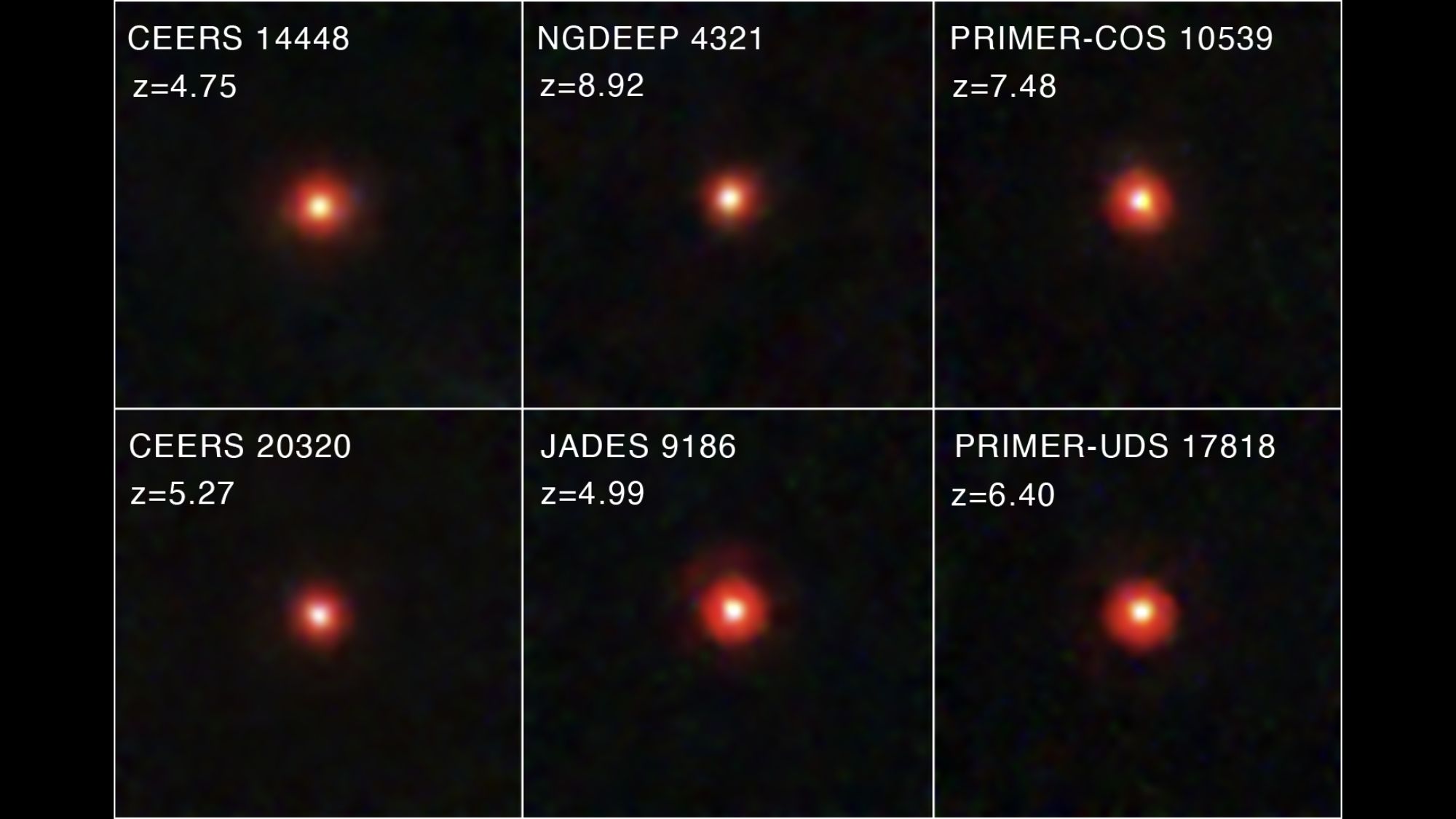
A distant black hole star is providing strong evidence that these objects lie at the hearts of the mysterious little red dots found shortly after the Big Bang by the James Webb Space Telescope.
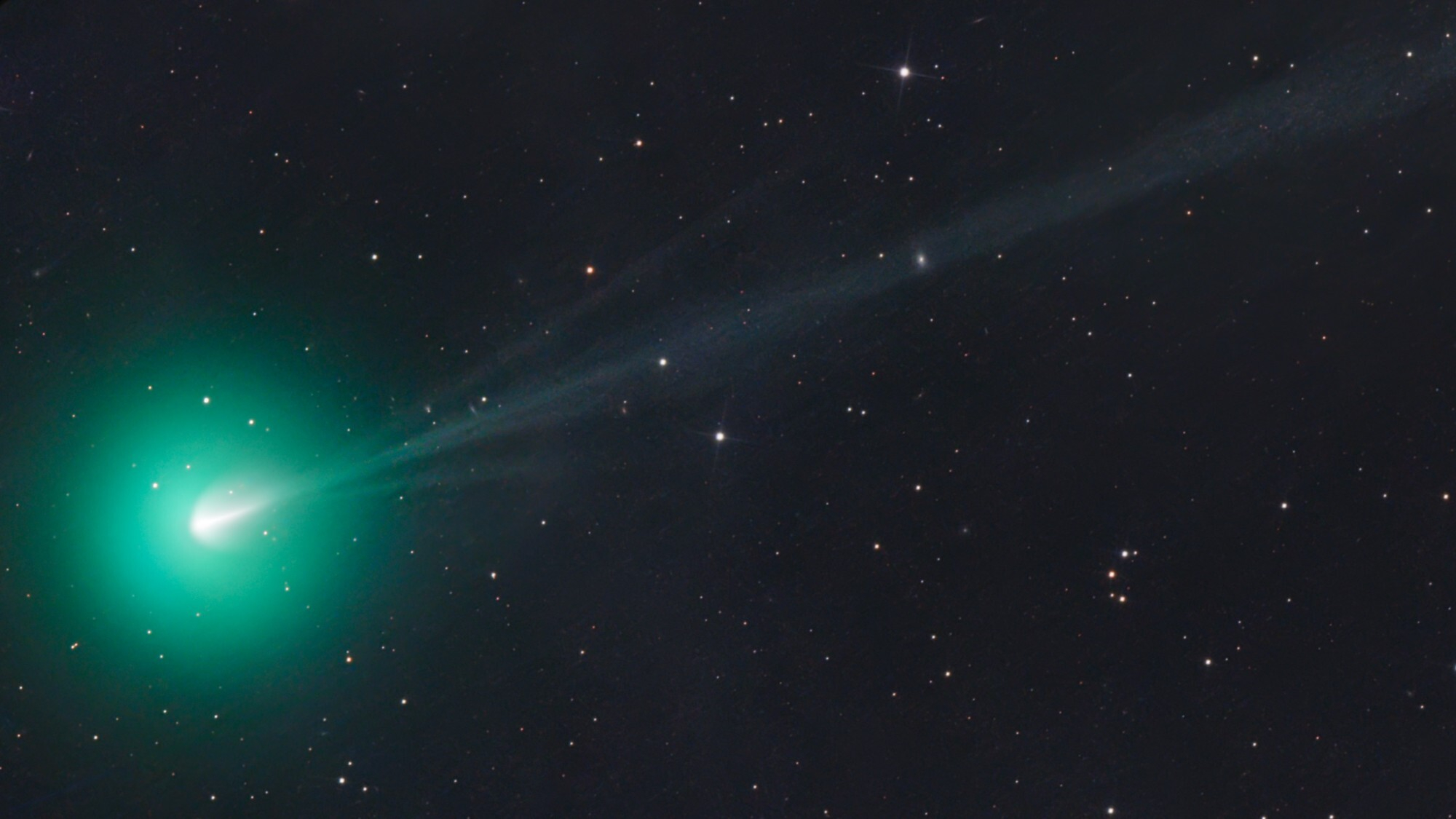
A shot so spectacular it will leave other astrophotographers green with envy.
“It’s part of the fabric of astronomy research now.”
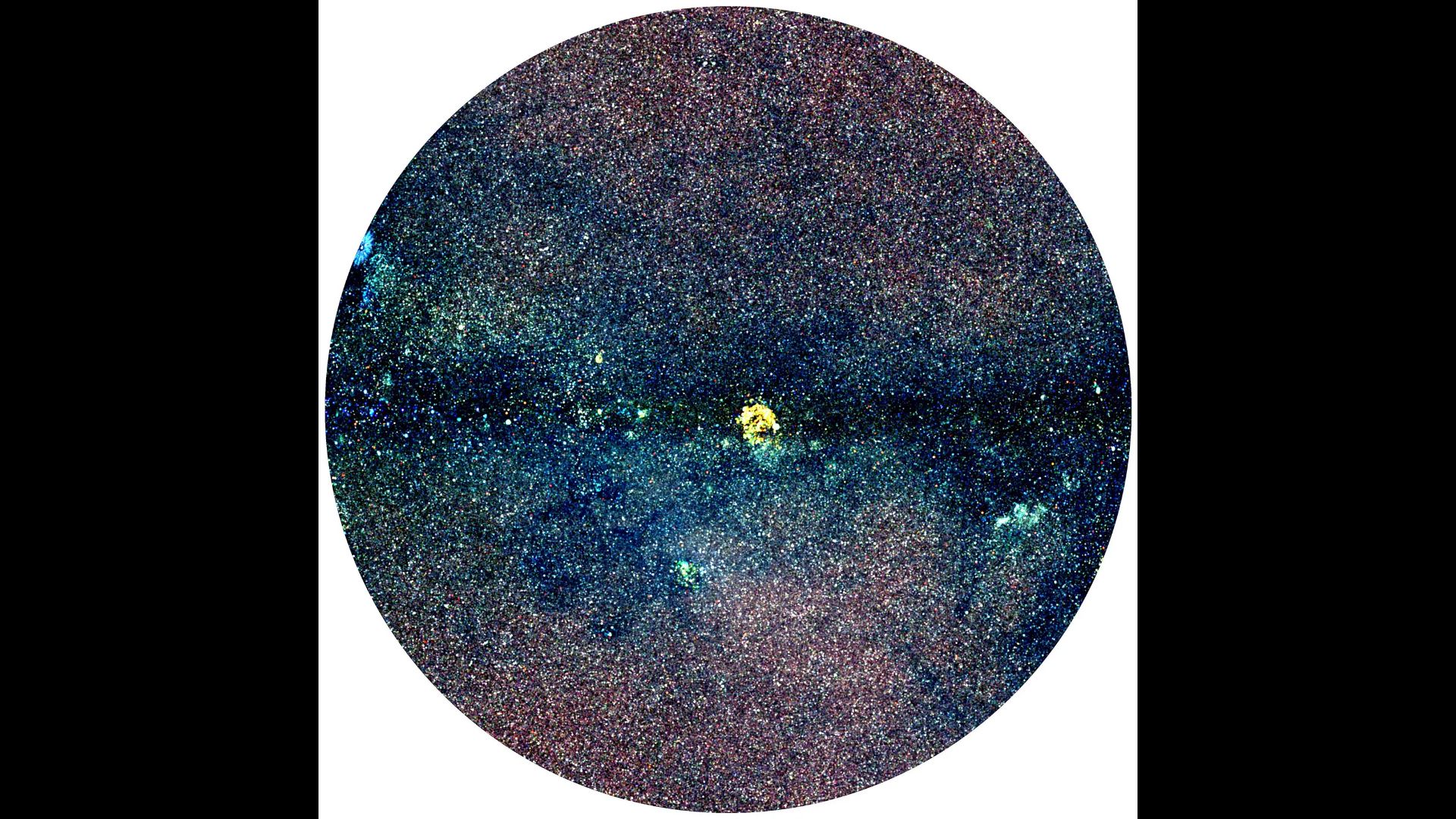
Astronomers have nearly doubled the number of known cosmic X-ray sources.
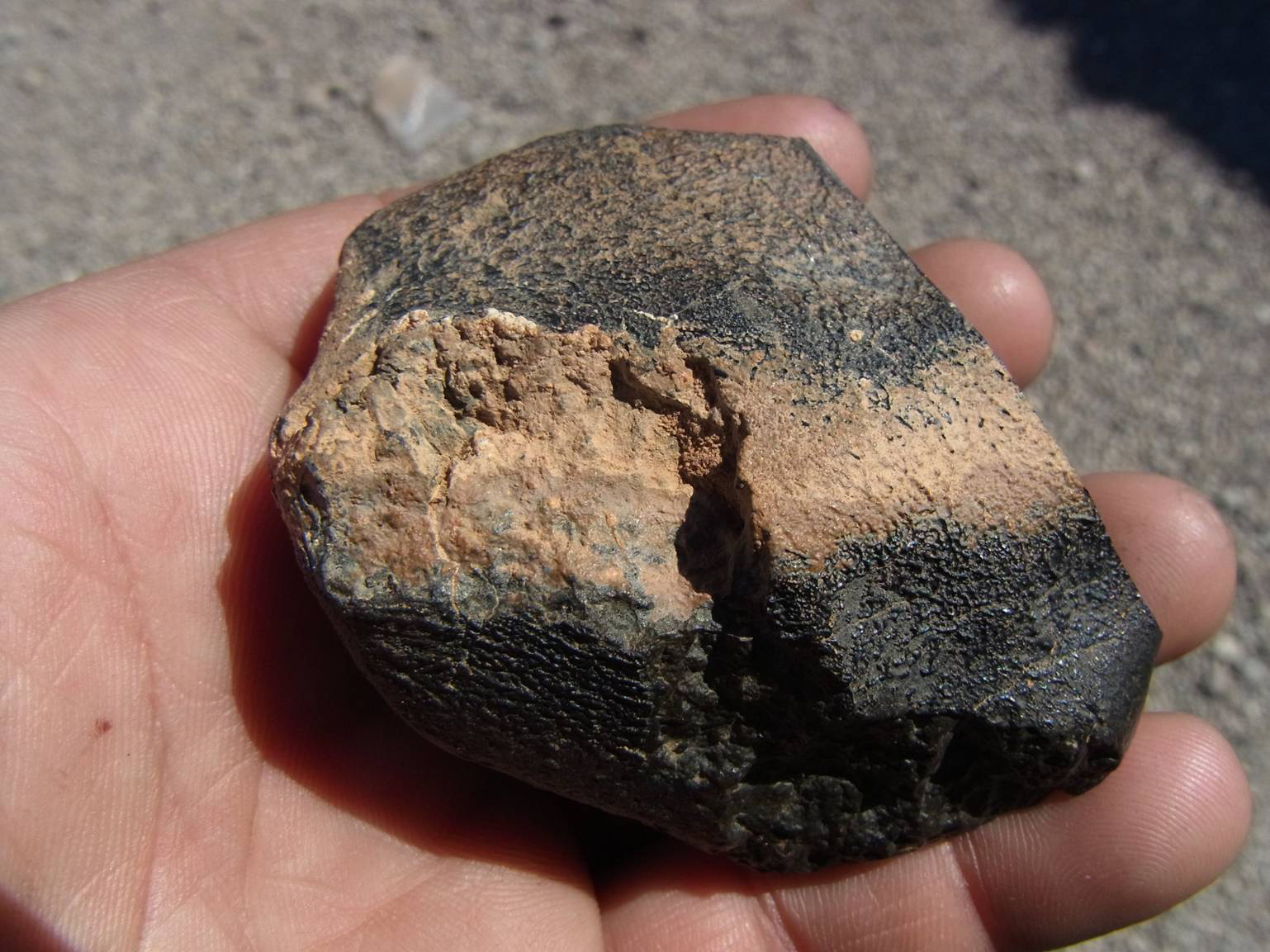
Scientists found a Martian meteorite on Earth that is finally filling in a nearly 2-billion-year-old geology-history gap on the Red Planet.
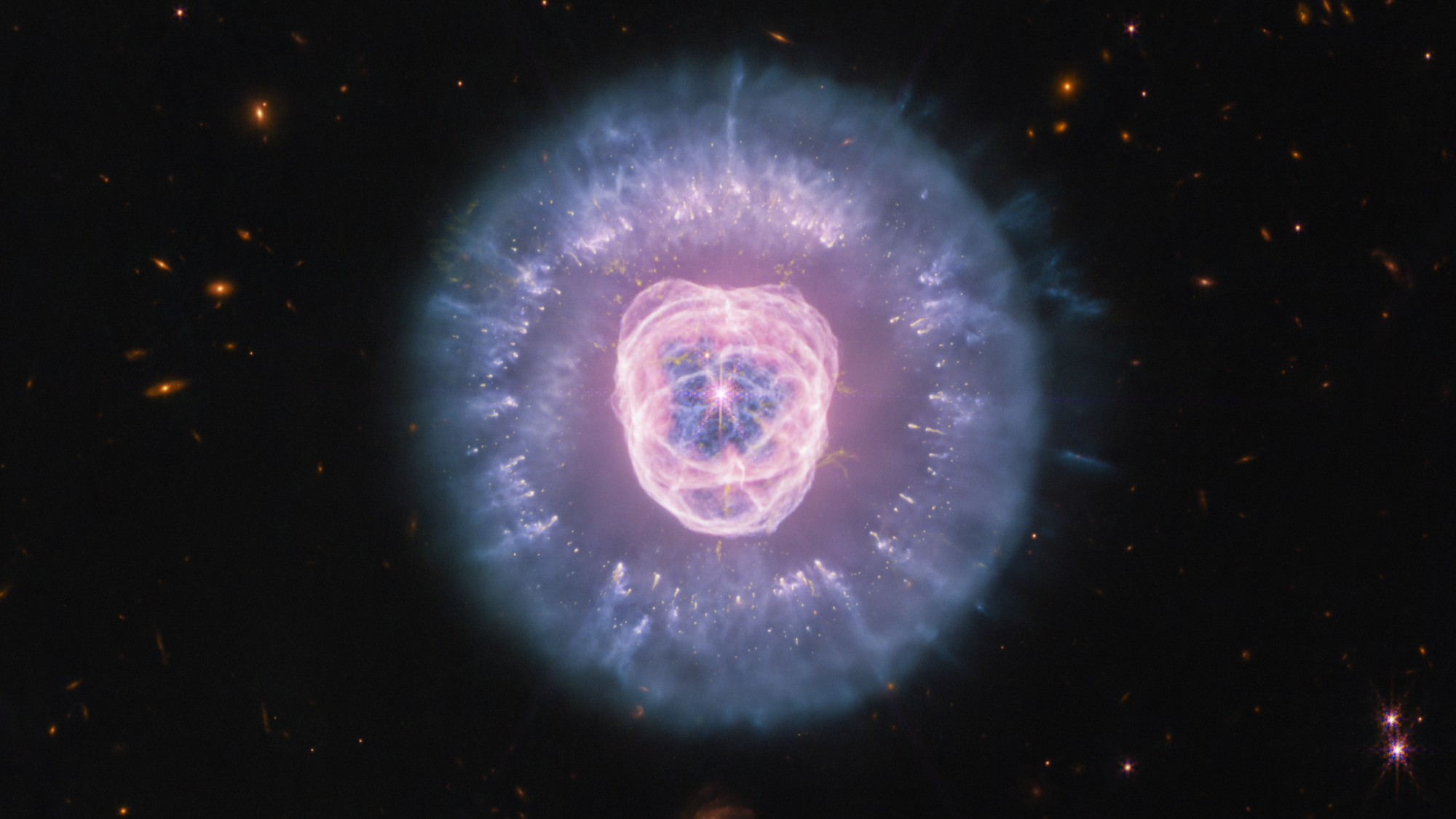
The Lion Nebula glows gloriously in this new snapshot from the James Webb Space Telescope.

Teaching the beautiful and inspirational science of astronomy using only the conceptual framework offered by a traditional textbook – without incorporating the wealth of incredible resources, images and activities from NASA – falls short of the more modern, active learning experience that could better serve students evolving learning strategies. Three project teams from the NASA […]
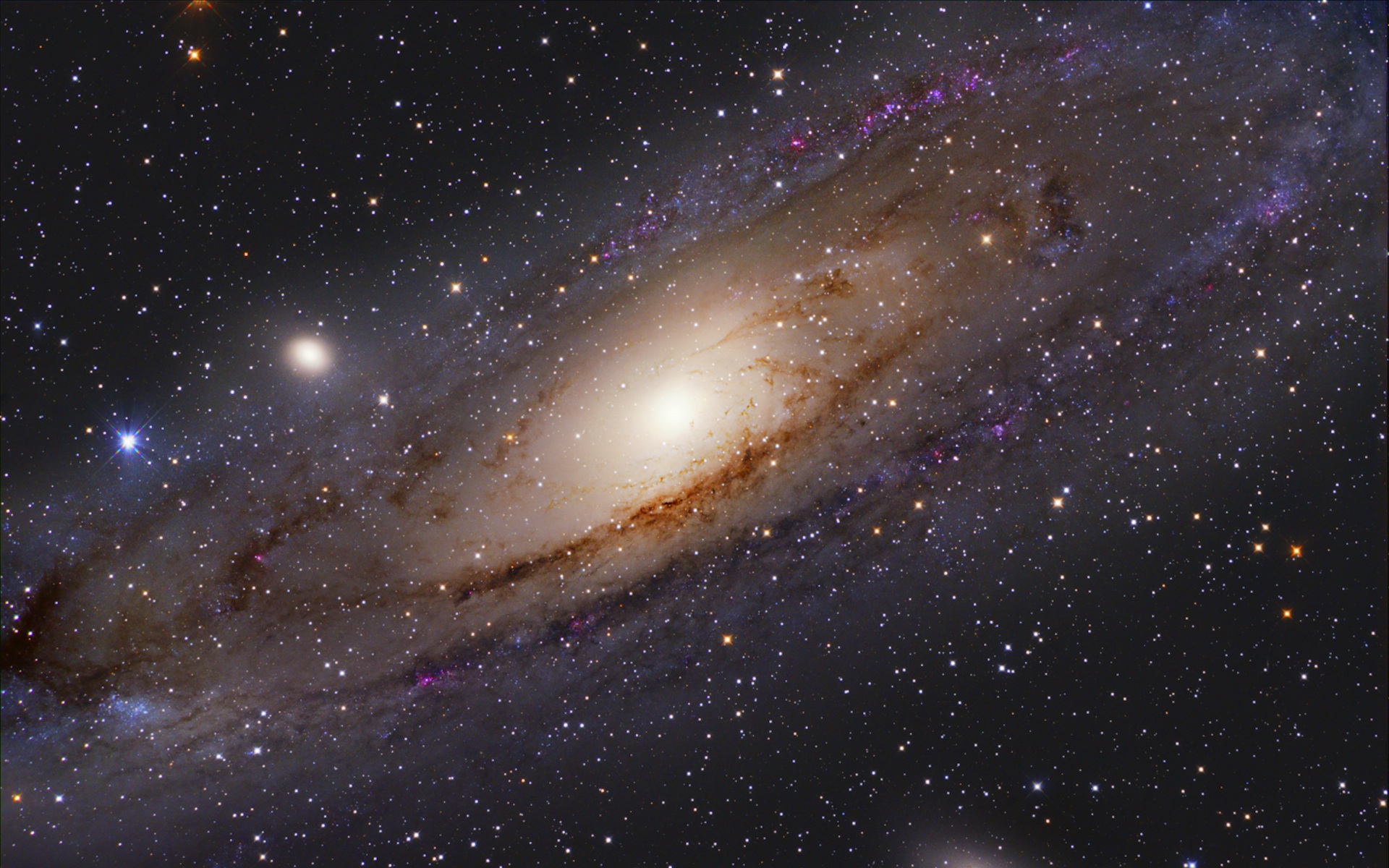
Andromeda has slowed its star-forming rate over the last 40 million years. Scientists think they finally know why.
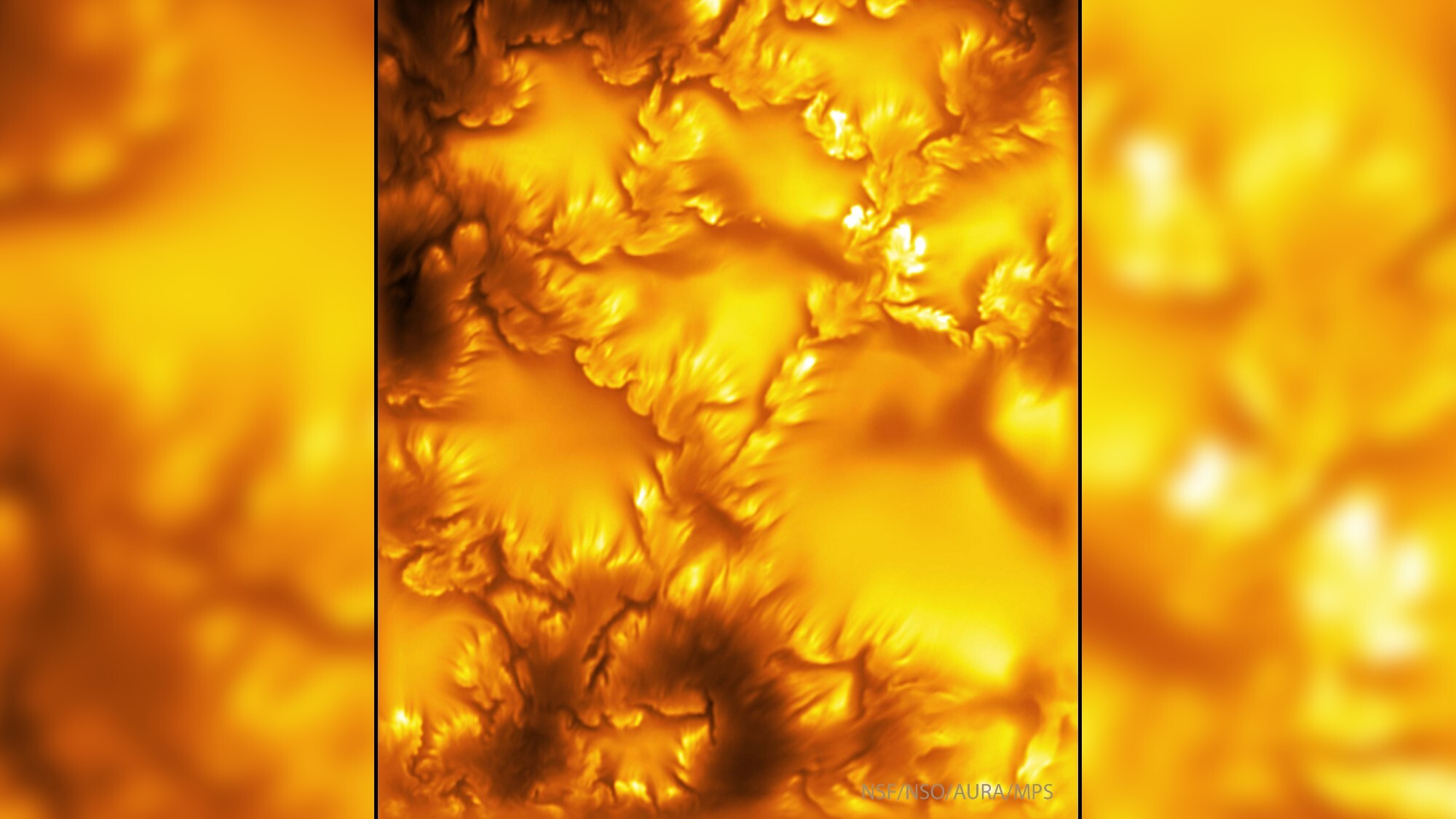
An international team of researchers using the U.S. National Science Foundation’s Inouye Solar Telescope has captured the highest-resolution view of the sun’s surface.
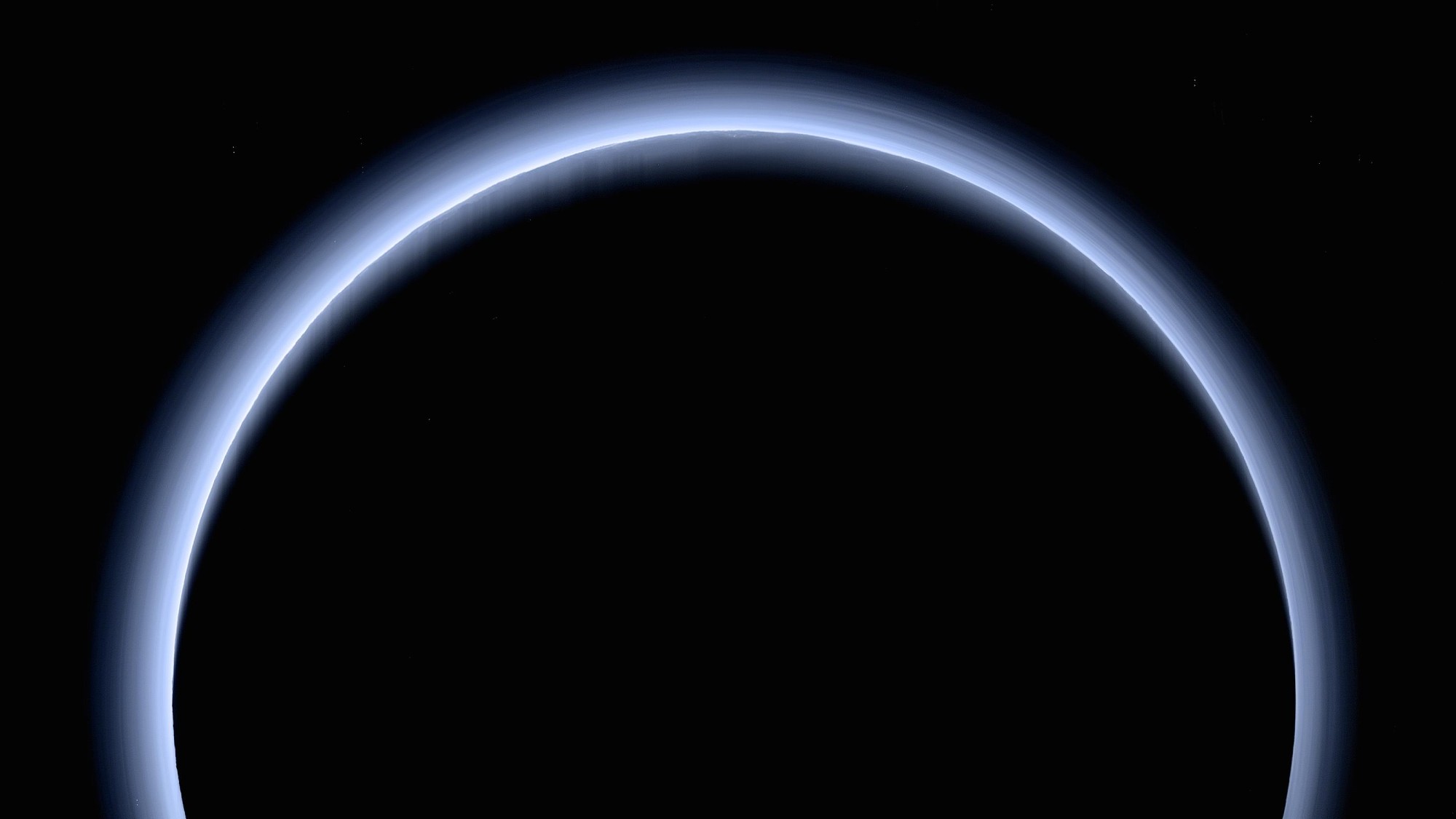
As Pluto edges further away from the sun, the chilly temperatures are causing its atmosphere to condense onto its barren surface as frost.